Nature reserves and protected areas

Cyprus Marine Habitats Biodiversity and Care

Cyprus Marine Habitats Biodiversity and Care

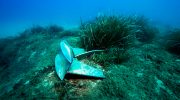
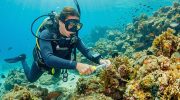
Cyprus marine waters support diverse habitats that harbor exceptional biodiversity despite increasing environmental pressures. The island's coastal ecosystems include Posidonia oceanica seagrass meadows, rocky reefs, soft bottom communities, and caves that provide essential services to both marine life and human populations. Recent mapping efforts estimate 10 to 17 square kilometers of seagrass meadows around Cyprus, storing approximately 19,000 metric tons of carbon in their tissues and sediments.  mirror.co.uk These underwater gardens produce oxygen, support fish nurseries, protect coastlines from erosion, and filter water while sequestering carbon. The European Union classifies Cyprus waters as part of the oligotrophic Levantine Basin, characterized by warm temperatures, high salinity, and low nutrient levels that create unique ecological conditions. Six Natura 2000 sites protect critical…

Read more
Polis–Chrysochous Coast

Polis–Chrysochous Coast

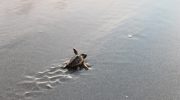
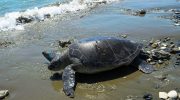
The Polis-Chrysochous coast represents one of Cyprus's most ecologically valuable marine environments. Stretching along the northwestern shore of the island around Chrysochous Bay, this protected area encompasses the waters from the Akamas Peninsula to the villages of Pomos and Pachyammos. The sea surrounding the area is considered a hot spot for its marine biodiversity on a global scale, and an important and fertile habitat or refuge for many living organisms. The coastal waters support extensive Posidonia oceanica seagrass meadows, vital breeding grounds for endangered sea turtles, and populations of critically threatened Mediterranean monk seals. The region gained protected status through designation as part of the Natura 2000 network, recognizing its exceptional ecological significance. The combination of pristine beaches, rocky reefs,…

Read more
Stavrovouni–Lefkara Protected Landscape

Stavrovouni–Lefkara Protected Landscape

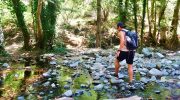
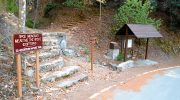
The Stavrovouni-Lefkara Hills region forms a distinctive landscape in southeastern Cyprus where forested mountain slopes meet traditional agricultural communities. The Stavrovouni Forest has an extent of approximately 19 square kilometres, with its highest peak reaching 688 metres at the center, where the historic monastery stands. alltrails-com This protected landscape extends from the Stavrovouni Forest in the east through the rolling hills surrounding the villages of Pano and Kato Lefkara. The terrain features pine-covered ridges, rocky outcrops, cultivated terraces, and valleys carved by seasonal streams. There are over 200 types of plants in the Stavrovouni Forest, 22 of them being endemic. The area serves as an important ecological corridor connecting different habitat types and supporting diverse wildlife populations across varying elevations…

Read more
Paralimni Wetlands, Cyprus

Paralimni Wetlands, Cyprus

Located in the southeastern corner of Cyprus near the town that shares its name, Paralimni Lake stands as one of the island's eight remaining natural wetlands. This 350-hectare seasonal wetland hosts an extraordinary variety of bird species and rare reptiles despite severe threats from development and poor management. The name Paralimni translates to "by the lake," a reminder that this wetland once defined the entire region's identity. cyprus-mail-com Paralimni Lake occupies a natural depression between the villages of Paralimni, Sotira, and Deryneia in the Famagusta district. The basin collects rainwater runoff from surrounding areas, primarily through the Plati torrent flowing from the east. During winter and early spring, water accumulates in this shallow pan, creating crucial wetland habitat. By summer,…

Read more
Cyprus Coastal Ecosystem Protection

Cyprus Coastal Ecosystem Protection

Cyprus sits in the Eastern Mediterranean, home to some of the most diverse ecosystems in the region. The island features dramatic contrasts, from the Troodos Mountains reaching 1,952 meters at Mount Olympus to extensive coastal zones with unique marine habitats. wikimedia-org These environments support rare species found nowhere else on Earth, while 29% of terrestrial and marine areas currently fall under protected status. The island's location between three continents has created a biodiversity hotspot where European, Asian, and African influences converge. Historical Foundation of Conservation Efforts Cyprus joined the European Union in 2004 and faced the challenge of adjusting conservation strategies to meet EU obligations. Before this milestone, the island had limited formal protection mechanisms. The first LIFE Nature project…

Read more
Cape Greco National Forest Park

Cape Greco National Forest Park

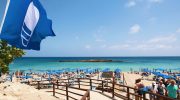
Cape Greco National Forest Park occupies 385 hectares on a rocky promontory at the southeastern tip of Cyprus, nestled between the resorts of Ayia Napa and Protaras. The park was designated as a National Forest Park in 1993 to protect this area of unspoiled natural beauty. The broader Natura 2000 site encompasses 1,876 hectares, including 915 hectares of terrestrial area and 961 hectares of marine zones. tripbucket.com The dramatic limestone cliffs rise 30 feet above turquoise Mediterranean waters, creating spectacular coastal scenery. Sea caves carved by thousands of years of wave action punctuate the coastline, while natural rock arches frame views of the endless blue horizon. The park combines hiking trails, cycling paths, endemic plant species, and coastal beauty in…

Read more
Diarizos Valley, Cyprus

Diarizos Valley, Cyprus

The Diarizos Valley stretches through the heart of western Cyprus, where ancient traditions meet rare wildlife in one of the island's most important conservation zones. Located east of Paphos and carved by the fourth-longest river in Cyprus (Diarizos River), this valley combines ecological significance with centuries of winemaking heritage across 14 traditional villages. The area covers 8,804 hectares and serves as both a Natura 2000 protected site and an Important Bird Area recognized for its unique biodiversity. vkcyprus.com The Diarizos River flows for 42 kilometers from two sources on the southeastern slopes of the Paphos Forest near Mount Olympus. Its name derives from the Greek word for two roots, referencing the Platys and Kaminaria tributaries that merge north of the…

Read more
Larnaca Salt Lake Cyprus

Larnaca Salt Lake Cyprus

Larnaca Salt Lake is a complex network of four salt lakes of different sizes to the west of the city of Larnaca. The largest is Lake Aliki, followed by Lake Orphani, Lake Soros, and Lake Spiro. Three of these lakes interconnect to form the second largest salt lake complex in Cyprus after Limassol Salt Lake. Wikipedia-com The total surface area of the lakes adds up to 2.2 square kilometers, positioned between Larnaca International Airport and the historic Hala Sultan Tekke mosque. This location makes the salt lake one of the most visible natural landmarks for anyone arriving in Cyprus by air. Historical Background Archaeological finds show that the salt lake area has been inhabited since the Late Bronze Age, with…

Read more
Salt Flats Coastal Wetlands

Salt Flats Coastal Wetlands

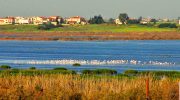
Salt Flats and Coastal Wetlands (Larnaca, Limassol, Akrotiri) are crucial ecosystems in Cyprus, serving as vital stopovers for migratory birds, habitats for flamingos, and homes to brine-adapted flora, holding international significance for biodiversity. These areas, including Larnaca Salt Lake, Limassol's Akrotiri Wetlands, and related sites, form interconnected zones where saltwater and freshwater mix, creating unique conditions that support thousands of species. They highlight the island's role as a Mediterranean biodiversity hotspot, where natural processes and human history intersect to foster life in challenging environments. birdlifecyprus-org A Vital Ecosystem in the Mediterranean Salt flats and coastal wetlands in Cyprus represent dynamic landscapes where land meets sea, characterized by shallow saline lakes, marshes, and mudflats that fluctuate with seasons. Larnaca Salt Lake,…

Read more