Divine and Mythical Heroes

Heroic Tales of Digenis Akritas

Heroic Tales of Digenis Akritas

Digenis Akritas stands as one of the most celebrated heroes in Byzantine literature and Greek folklore. His stories blend historical events with supernatural feats, creating a figure who represents courage, strength, and the defense of Christian lands against invaders. The name Digenis means "two bloods" or "of two peoples," referring to his mixed Byzantine Greek and Arab heritage. Akritas translates to "border lord" or "frontiersman," reflecting his role as a defender of the Byzantine Empire's eastern frontiers. While the epic poem about his life originated in the 12th century, oral traditions about Digenis existed for centuries before and continue to this day, particularly in Cyprus, Crete, and Asia Minor. Historical Context The epic poem of Digenis Akritas emerged from the…

Read more

Cyprus Hero Digenis Akritas

Cyprus Hero Digenis Akritas

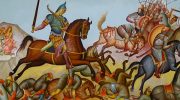
Digenis Akritas stands as the most famous epic hero to emerge from the Byzantine Empire, celebrated in folk ballads and a lengthy epic poem that originated in the 10th century and developed further in the 12th century. The name Digenis means "two-blood" or "of two peoples," referring to his mixed Byzantine Greek and Arab heritage.  Akritas translates to "borderer" or "frontier guard," identifying his role defending Byzantine territory. The protagonist became the archetype of the ideal medieval Greek hero, frequently appearing in traditional folk songs particularly popular in Crete, Cyprus, and Asia Minor. For Cypriots specifically, Digenis Akritas represents more than legend, symbolizing bravery, strength, and the eternal fight for freedom against foreign invaders. The Epic Story and Family Origins…

Read more
Adonis in Cyprus – Myth Love and Fertility

Adonis in Cyprus – Myth Love and Fertility

Adonis stands as one of the most compelling figures in Cyprus mythology, a mortal whose extraordinary beauty captured the heart of Aphrodite, goddess of love. The myth of Adonis is a legendary love story that combines tragedy and death on the one hand and the joy of coming back to life on the other. The god of beauty, fertility, and permanent renewal originated in Canaanite and Mesopotamian traditions as Adon before being adopted into Greek mythology. His name derives from the Canaanite word adon, meaning "lord." Cyprus played a very significant role in transferring the myth of Adonis and Astarte from the Canaanite regions to the Greeks and from the latter to the Romans, making the island central to this…

Read more
Teucer and Salamis Legends Cyprus

Teucer and Salamis Legends Cyprus

The legend of Teucer and the founding of Salamis stands as one of Cyprus's most enduring foundation myths. This tale connects the island to the world of Greek epic poetry and the aftermath of the Trojan War. Teucer, a legendary archer and warrior, supposedly established the city of Salamis on Cyprus's eastern coast around 1200 BC. The story interweaves tragedy, exile, and renewal. According to ancient sources, Teucer arrived on Cyprus after being banished from his homeland by his father. He brought with him followers from Greece and founded a new city bearing his homeland's name. This myth shaped Salamis's identity for over a millennium and influenced how ancient Cypriots understood their Greek cultural connections. Whether based on historical events…

Read more
Dragons, Deep Caves, and Serpent Myths

Dragons, Deep Caves, and Serpent Myths

Cyprus possesses a landscape rich with caves, springs, and natural formations that have inspired supernatural stories for thousands of years. The island's geological features, from coastal grottos to mountain springs, became the settings for tales of dragons, serpents, and mysterious creatures that guarded treasures or threatened unwary travelers. These legends blend ancient mythology with local folklore, creating a unique tradition of supernatural stories connected to specific natural sites. The caves and springs of Cyprus served practical purposes as water sources and shelter, but they also held deeper meaning as places where the boundary between the ordinary world and the realm of myth became thin and permeable. Historical Context Serpent and dragon myths in Cyprus trace back to multiple cultural influences.…

Read more
Nymphs and Nature Spirits in Cypriot Mythology

Nymphs and Nature Spirits in Cypriot Mythology

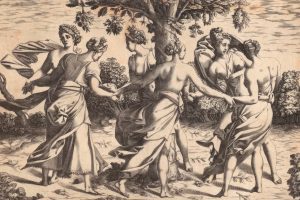
Cyprus is an island with a long memory. Long before cities were built and kingdoms were named, the people who lived here believed that the land around them was alive. Springs, forests, rivers, mountains, and the sea itself were not just features of the landscape. They were home to spirits. These spirits had names, roles, and personalities. The Greeks called them nymphs, and on Cyprus, they took on a life of their own, shaped by the island's unique mix of Greek, Phoenician, and local traditions. Nymphs were not gods. They sat below the major gods in rank, but they were present everywhere, and the people of Cyprus respected them for it. Historical Background The belief in nature spirits on Cyprus…

Read more
Reshef Warrior Protector

Reshef Warrior Protector

Reshef was a prominent deity in the ancient eastern Mediterranean, especially in regions such as Syria, Phoenicia, and the Levant. He was primarily associated with protection, warfare, and sometimes with plague or healing, reflecting a divine role that combined destructive and safeguarding powers. Unlike deities who represented abstract forces, Reshef was closely tied to the realities of conflict, defense, and communal survival. His worship reached Cyprus through networks of trade and migration, illustrating the island’s position as a meeting point between eastern and Aegean religious traditions. In Near Eastern belief systems, Reshef embodied the paradox of a deity who could both bring harm and prevent it. He was invoked to ward off danger, especially during times of conflict or epidemic…

Read more