Folk beliefs and superstitions

Cyprus Kalinikta Winter Rituals

Cyprus Kalinikta Winter Rituals

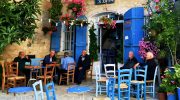
Winter evenings in Cyprus transform villages into centers of warmth and community as families and neighbors gather after sunset. The word Kalinikta means good night in Greek, and it represents more than just a farewell. It marks the beginning of evening rituals that have defined Cypriot winter life for generations.  As temperatures drop and darkness arrives early, the traditional kafeneio becomes the heart of village social life, with fireplaces glowing and the sounds of conversation, laughter, and backgammon pieces clicking on wooden boards. These evening gatherings preserve customs that connect modern Cypriots to their grandparents and great grandparents, maintaining traditions that might otherwise disappear.  Winter brings a slower rhythm to island life, with agricultural work reduced and more time available…

Read more

Serpent Myths of Cyprus

Serpent Myths of Cyprus

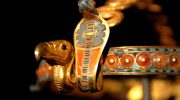
Serpent myths have coiled through Cypriot culture since ancient times, positioning snakes as both feared adversaries and sacred protectors. In Greek antiquity, Cyprus earned the names Ophiousa and Ophiodea, meaning snake land, due to its abundance of serpents, particularly venomous vipers that thrived in the Mediterranean climate. These creatures occupied a complex position in Cypriot consciousness, associated with ancient Aphrodite worship, Christian monastery legends, and modern sea monster sightings. The most famous serpent story involves Saint Helena bringing 1,000 cats to combat a snake plague during monastery construction in 327 AD, a tradition maintained at the Holy Monastery of Saint Nicholas of the Cats to this day. The Ayia Napa Sea Monster, a modern cryptid sighted around Cape Greco, connects…

Read more
Cyprus Omens Divination Traditions

Cyprus Omens Divination Traditions

Cyprus maintains vibrant divination and superstition traditions that blend ancient Greek practices with Christian Orthodox beliefs and Ottoman influences. The most iconic practice remains kafemanteia or coffee fortune telling, where patterns left by Cyprus coffee grounds reveal past and future events. These traditions persist across both Greek and Turkish Cypriot communities, demonstrating how folklore unites the divided island. Both young and old Cypriots observe omens and follow superstitious rituals, some from habit taught since childhood, others with genuine belief. The practices serve social and psychological functions, providing comfort during uncertainty while creating bonds through shared cultural knowledge passed between generations, typically from grandmother to granddaughter. The ancient art of reading coffee cups After drinking thick Cyprus coffee, the drinker places…

Read more
Use of Talismans and Herbs in Cyprus

Use of Talismans and Herbs in Cyprus

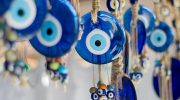
Cyprus maintains ancient traditions of protective talismans and healing herbs that defend against supernatural harm and physical illness. The blue glass evil eye amulet appears everywhere across the island, worn as jewelry, pinned on babies, hung in homes and vehicles. These nazar charms ward off envious gazes that cause spiritual and physical suffering. Garlic cloves dangle near doorways to keep evil forces away, combining multiple protective strategies. Silver crosses provide Christian spiritual protection while pre Christian symbols offer additional safeguards. Both Greek and Turkish Cypriot communities share remarkably similar talisman traditions despite political division, proving that folklore unites the island. These protective objects operate alongside modern medicine rather than replacing it, with Cypriots using both systems without seeing contradiction. The…

Read more