9. British colonial period

Cyprus Identity Shaped by Resilience and Survival

Cyprus Identity Shaped by Resilience and Survival

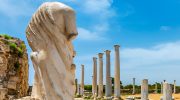
Cyprus stands at the crossroads of three continents, creating an identity forged through centuries of conquest and adaptation. The Mediterranean island has witnessed rule by Egyptians, Phoenicians, Greeks, Romans, Byzantines, Ottomans, and British forces. Each civilization left cultural marks while the native population absorbed and transformed these influences. Today, Cyprus maintains distinct traditions despite modern pressures. The island's geographic position made it strategically valuable, attracting empires seeking control of eastern Mediterranean trade routes. This constant cycle of foreign rule created a population skilled at cultural preservation under external pressure. Cypriots developed resilience as a survival mechanism, maintaining core traditions while adapting to successive rulers. The ability to endure without surrendering identity became central to the Cypriot character. Ancient Foundations Built…

Read more
Historic British Law Courts of Cyprus

Historic British Law Courts of Cyprus

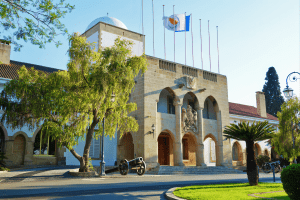
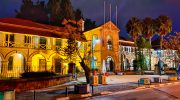
The British Colonial Law Courts building stands at the heart of North Nicosia, where it has dispensed justice for over a century. Built on the ruins of a medieval palace, this colonial structure embodies the layered history of Cyprus. The Law Courts building occupies Sarayönü Square, also known as Atatürk Square, in central North Nicosia. For centuries, this location served as the island's administrative center.  The building complex includes the main law courts, along with the Nicosia Post Office, a police station, and several government offices. The rectangular structure features an internal courtyard with several attached buildings and separate structures, all surrounded by a low sandstone wall with iron railings. The British coat of arms remains visible on the southeast…

Read more
Cyprus War Resistance Stories

Cyprus War Resistance Stories

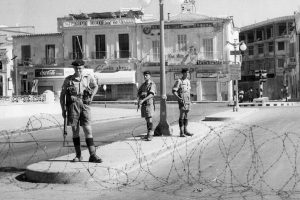
Cyprus has witnessed countless conflicts throughout its 10,000 years of human habitation. The island's position at the crossroads of three continents made it a prize worth fighting for, and its people developed a long tradition of resistance against foreign rule. From ancient sieges to modern independence struggles, Cyprus has been repeatedly conquered, defended, and fought over by armies ranging from Persian emperors to British colonial forces. These conflicts left deep marks on the landscape and shaped the national character of both Greek and Turkish Cypriots who call the island home. Historical Background Cyprus experienced its first major conflicts during the ancient period when Persian forces conquered the island's city kingdoms in the 6th century BC. The Greek population survived Persian…

Read more
Troodos Hill Stations Platres and Square

Troodos Hill Stations Platres and Square

The Troodos Hill Stations refer to two main areas in the Troodos Mountains where the British colonial administration established summer retreats. Platres, located at an altitude of 1,100 meters on the southern slopes, became the premier mountain resort with luxury hotels, villas, and tree-lined walks. Troodos Square, situated near Mount Olympus at approximately 1,700 meters, served as the administrative center where the British governor relocated his entire government during the hot summer months. Together, these hill stations formed a unique mountain retreat system that shaped Cyprus tourism for over a century. Historical Background When Lieutenant-General Sir Garnet Wolseley arrived in Larnaca on July 22, 1878, as the island's first High Commissioner, he immediately recognized a serious problem. British troops stationed…

Read more
British Police Stations

British Police Stations

British Police Stations and Administrative Offices in Cyprus represent the architectural and institutional backbone of colonial rule, embodying the empire's strategies for maintaining order, surveillance, and administrative dominance over the island from 1878 to 1960. Constructed during the British administration, these structures blended Victorian functionality with local adaptations, serving as symbols of imperial authority while facilitating the enforcement of laws, collection of intelligence, and governance of a diverse population. Key examples include the Larnaca Police Headquarters, district administrative buildings in Limassol and Famagusta, and central offices in Nicosia, which housed colonial bureaucrats and police forces. These edifices not only projected power through their imposing designs but also became sites of resistance during the Cyprus Emergency, where they were targeted by…

Read more
British Colonial Cyprus

British Colonial Cyprus

British colonial architecture in Cyprus reflects 82 years of British rule from 1878 to 1960. Unlike other colonies where British builders copied English designs directly, architecture in Cyprus followed a different path. British planners created a local style that combined European ideas with Cypriot building traditions. During this period, around 700 colonial buildings were constructed across the island. These included government offices, hospitals, post offices, courthouses, schools, and police stations. Most of these buildings were planned and built by the Public Works Department, which employed architects and engineers from Britain, other British territories, and Cyprus. Historical Background Cyprus came under British control in 1878 when the Ottoman Empire leased the island to Britain. At that time, the island was economically…

Read more
Colonial Roads and Infrastructure

Colonial Roads and Infrastructure

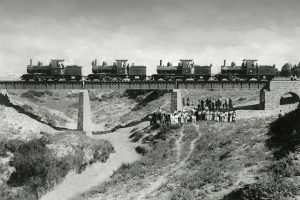
British-built roads, bridges, and public works that transformed mobility, trade, and communication across the island. Colonial Road and Infrastructure Networks in Cyprus mark a pivotal era of transformation under British rule from 1878 to 1960, where engineered roads, bridges, and public works revolutionized the island's connectivity, boosting trade, communication, and economic integration. These projects, spearheaded by the colonial administration, shifted Cyprus from Ottoman-era isolation to a modernized network, linking remote villages to urban centers like Nicosia, Limassol, and Famagusta. Key features included macadamized roads, stone bridges (including the Trimiklini Double Bridge) over seasonal rivers, and irrigation dams that supported agriculture, reflecting imperial strategies to exploit resources while imposing control. As symbols of progress and domination, they facilitated troop movements and…

Read more
Nicosia Central Prison

Nicosia Central Prison

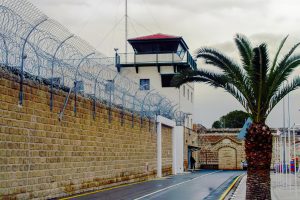
Nicosia Central Prison stands as a poignant symbol of Cyprus's colonial past and the island's struggle for independence, evolving from a British-built facility for maintaining order to a site of resistance and remembrance. Constructed in the late 19th century under British rule, this prison in the heart of Nicosia served as the primary detention center for criminals, dissidents, and political prisoners, reflecting the empire's efforts to control a strategically vital Mediterranean outpost. Later, during the mid-20th century Cyprus Emergency, it became synonymous with the anti-colonial fight led by EOKA fighters, who faced imprisonment, torture, and execution within its walls. As the only operational prison in the Republic of Cyprus today, parts of it have been preserved as a museum honoring…

Read more
Ledra Palace Hotel Nicosia

Ledra Palace Hotel Nicosia

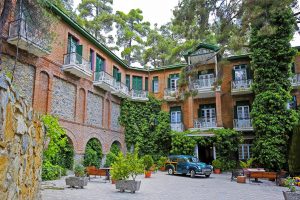
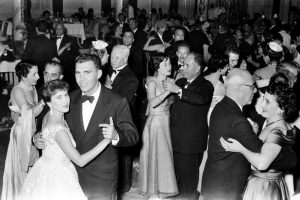
The Ledra Palace Hotel stands in central Nicosia, caught between past glory and present division. Once the capital's most glamorous hotel, it now sits in the UN buffer zone that splits Cyprus in two. The Ledra Palace Hotel occupies a unique position in Cyprus's modern history. Built as a luxury establishment in the late 1940s, it served as the island's social center for Greek, Turkish, British, and Armenian elites. Today the building remains frozen in the Green Line buffer zone, its facade scarred by bullets and mortar craters from the 1974 conflict. The hotel has transformed from a place of celebration to a symbol of division, yet it continues to serve as neutral ground where both communities meet. Historical Background…

Read more