British Police Stations and Administrative Offices in Cyprus represent the architectural and institutional backbone of colonial rule, embodying the empire’s strategies for maintaining order, surveillance, and administrative dominance over the island from 1878 to 1960. Constructed during the British administration, these structures blended Victorian functionality with local adaptations, serving as symbols of imperial authority while facilitating the enforcement of laws, collection of intelligence, and governance of a diverse population.
Key examples include the Larnaca Police Headquarters, district administrative buildings in Limassol and Famagusta, and central offices in Nicosia, which housed colonial bureaucrats and police forces. These edifices not only projected power through their imposing designs but also became sites of resistance during the Cyprus Emergency, where they were targeted by nationalists seeking independence. Today, many survive as museums, government offices, or repurposed spaces, reminding Cypriots of a era marked by control and contestation, and highlighting the island’s transition from colony to republic amid ongoing debates on heritage and identity.
- A Network of Colonial Control
- The Historical Formation and Evolution
- Features of Police Stations and Administrative Offices
- Notable Aspects That Highlight Its Uniqueness
- Structures of Authority: Social and Political Effects
- British Police Stations and Administrative Offices in Cyprus Today
- Opportunities for Exploration
- A Network of Imperial Legacy
A Network of Colonial Control
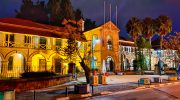
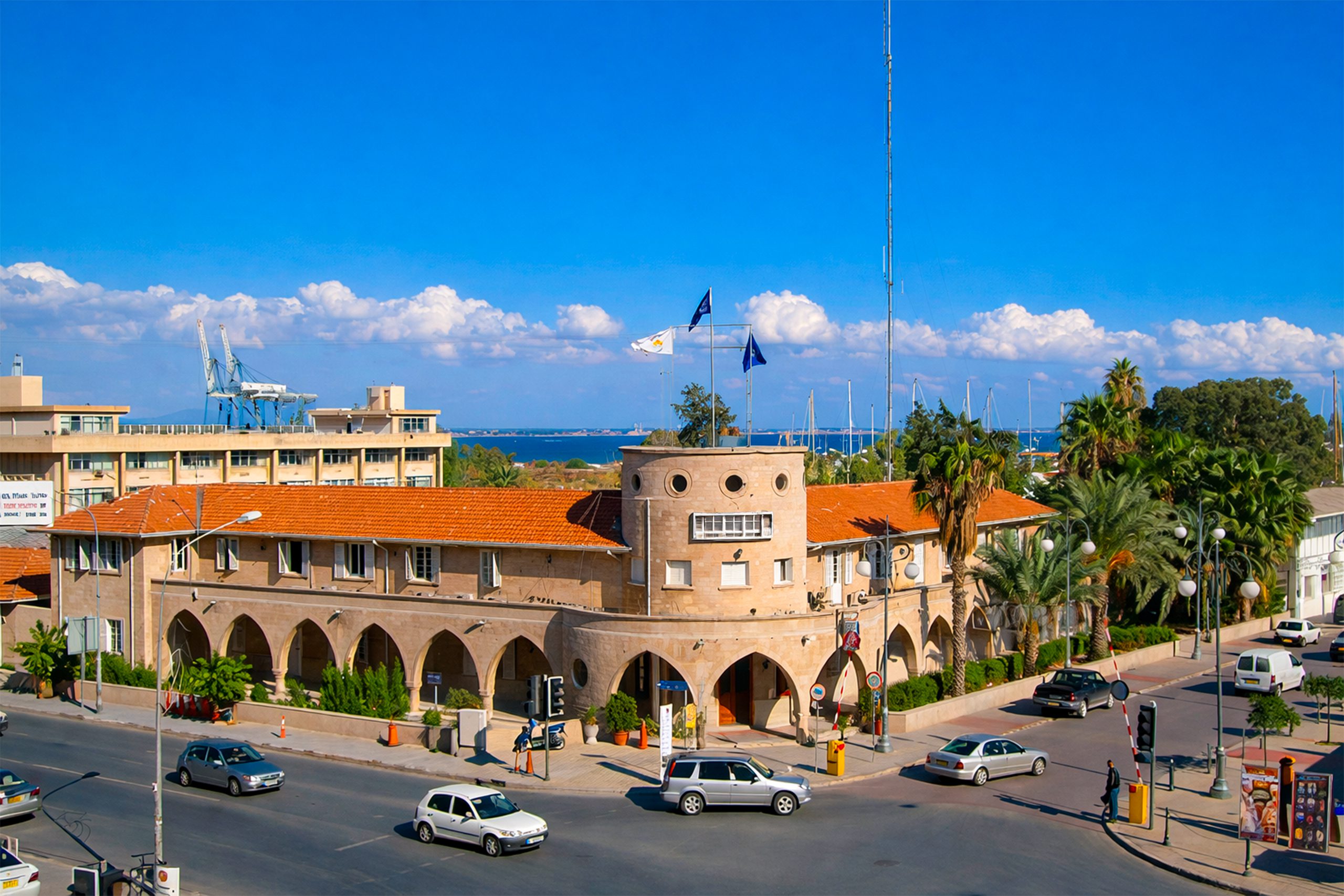
British Police Stations and Administrative Offices formed an extensive network across Cyprus, strategically placed in urban centers and rural districts to ensure surveillance and swift response to unrest. In Nicosia, the colonial secretariat and government house anchored the administrative hub, while police stations in Larnaca, Limassol, Paphos, and Famagusta extended control to coastal and inland areas. These buildings, often constructed from local limestone with British engineering, featured fortified walls, watchtowers, and barred windows, designed for security in a seismically active region. The Larnaca Police Headquarters, built in 1940, exemplifies this with its two wings meeting at a central entrance, creating a U-shaped layout for efficient monitoring. Administrative offices handled taxation, land registries, and public works, while police stations managed law enforcement, including the Cyprus Military Police established in 1878. In a Mediterranean climate with hot summers and mild winters, these structures incorporated verandas for shade and ventilation, adapting to local conditions while imposing a foreign aesthetic. They facilitated bureaucratic control, with officials overseeing a population divided by ethnicity and religion, using surveillance to suppress dissent and maintain the status quo under the Crown.
The Historical Formation and Evolution
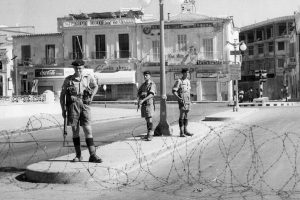
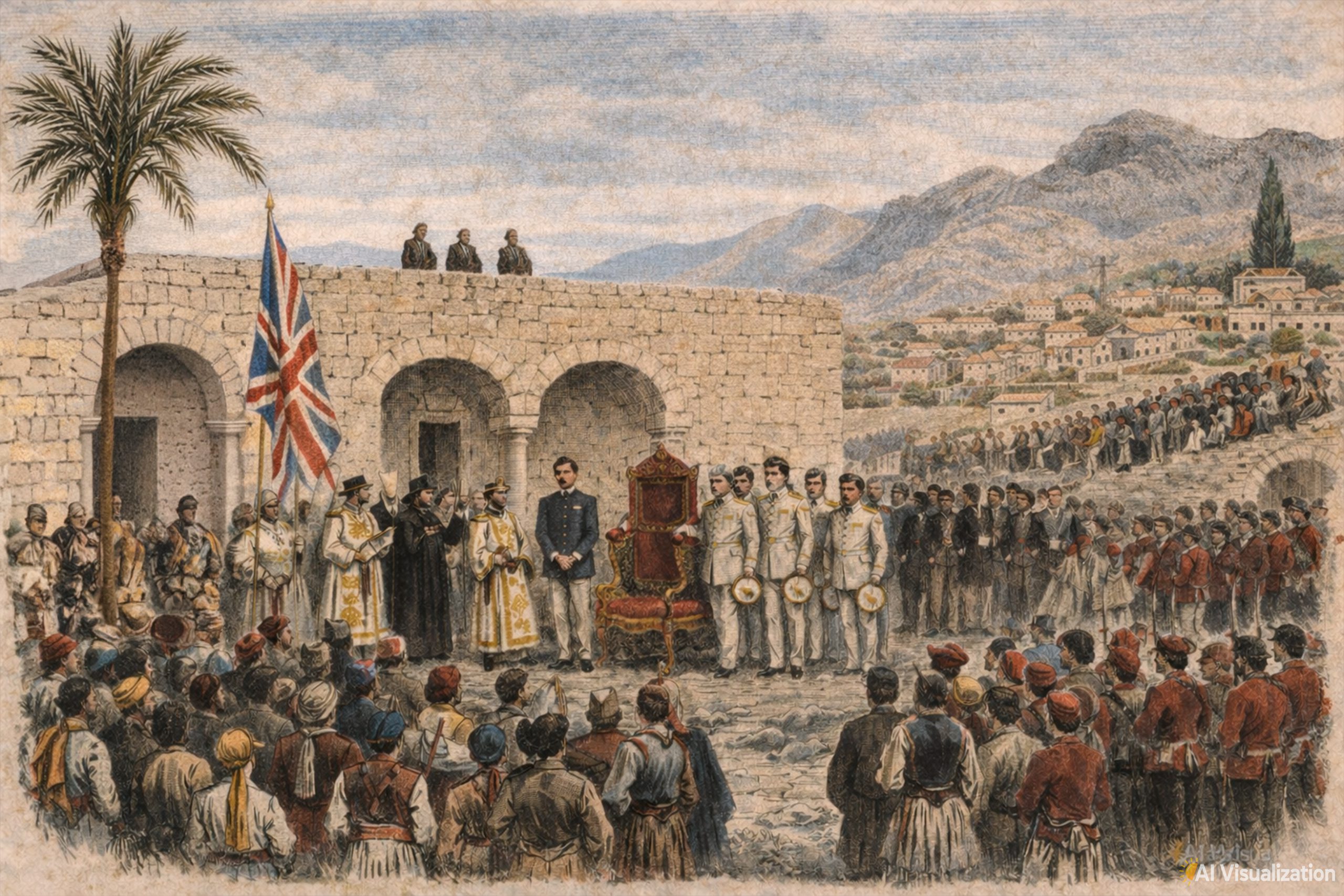
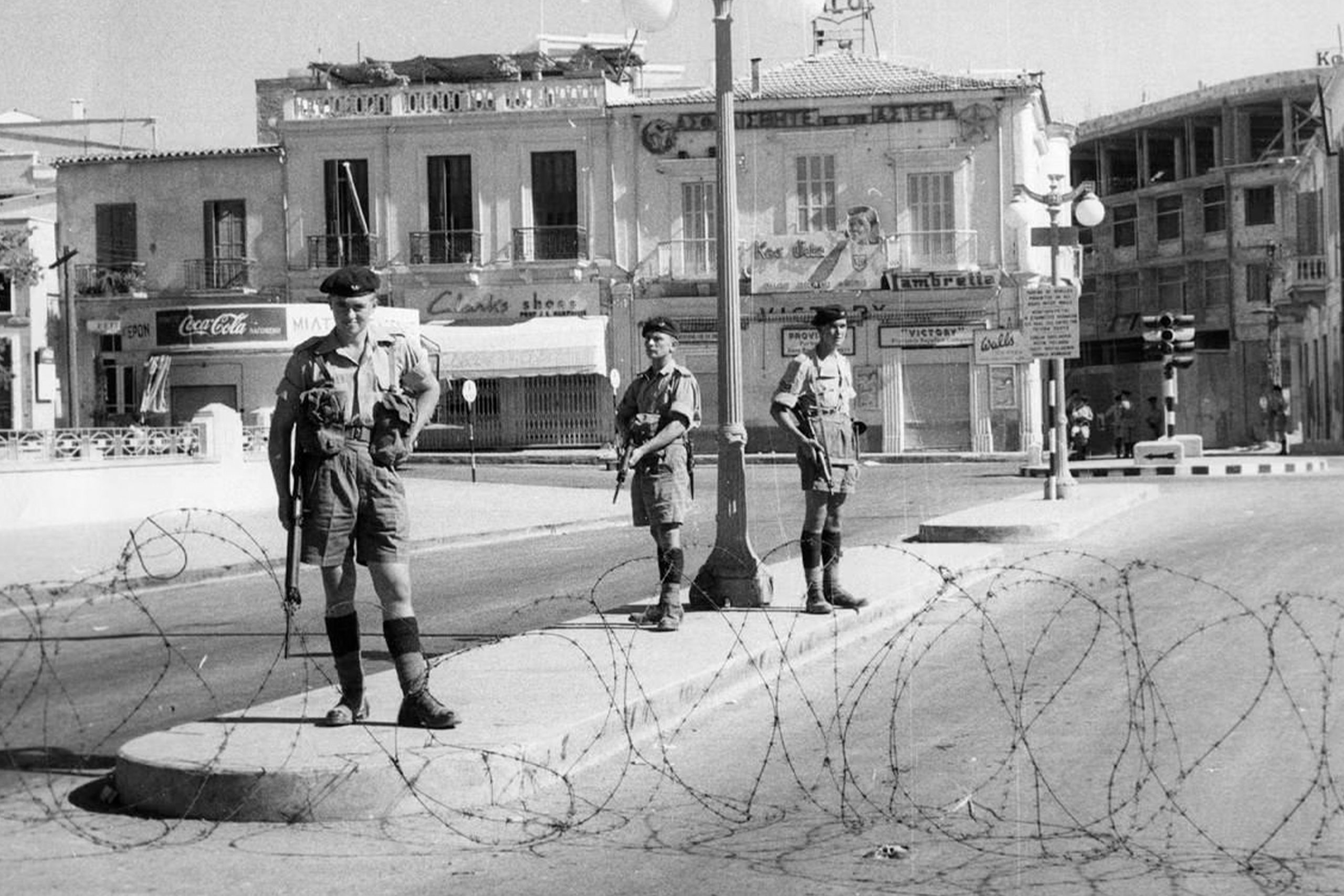
The formation of these structures began with Britain’s acquisition of Cyprus in 1878 through the Cyprus Convention, replacing Ottoman governance with colonial institutions. The first police force, the Cyprus Military Police, was raised that year as a mounted gendarmerie, initially operating from makeshift Ottoman buildings before purpose-built stations emerged in the 1890s. Administrative offices followed, with the Nicosia Government House constructed in 1901 as a neoclassical symbol of authority. By the 1920s, under Crown Colony status from 1925, expansions reflected growing needs, including the reorganization of the police into a civilian force in 1935, led by inspectors from other colonies. The interwar period saw buildings like the Limassol District Office incorporate classical elements, while the 1931 Enosis riots prompted fortified designs. During World War II, stations served military purposes, and in the 1950s Cyprus Emergency, they became targets for EOKA attacks, with bombings at Famagusta and Nicosia stations highlighting resistance. Post-independence in 1960, many were repurposed for the Republic’s use, with some, like the Police Museum founded in 1933, preserving colonial artifacts. The 1974 Turkish invasion divided assets, but southern structures endured. Climate change since 1960, with rising temperatures, has accelerated deterioration, prompting restorations by the Department of Antiquities.
Features of Police Stations and Administrative Offices
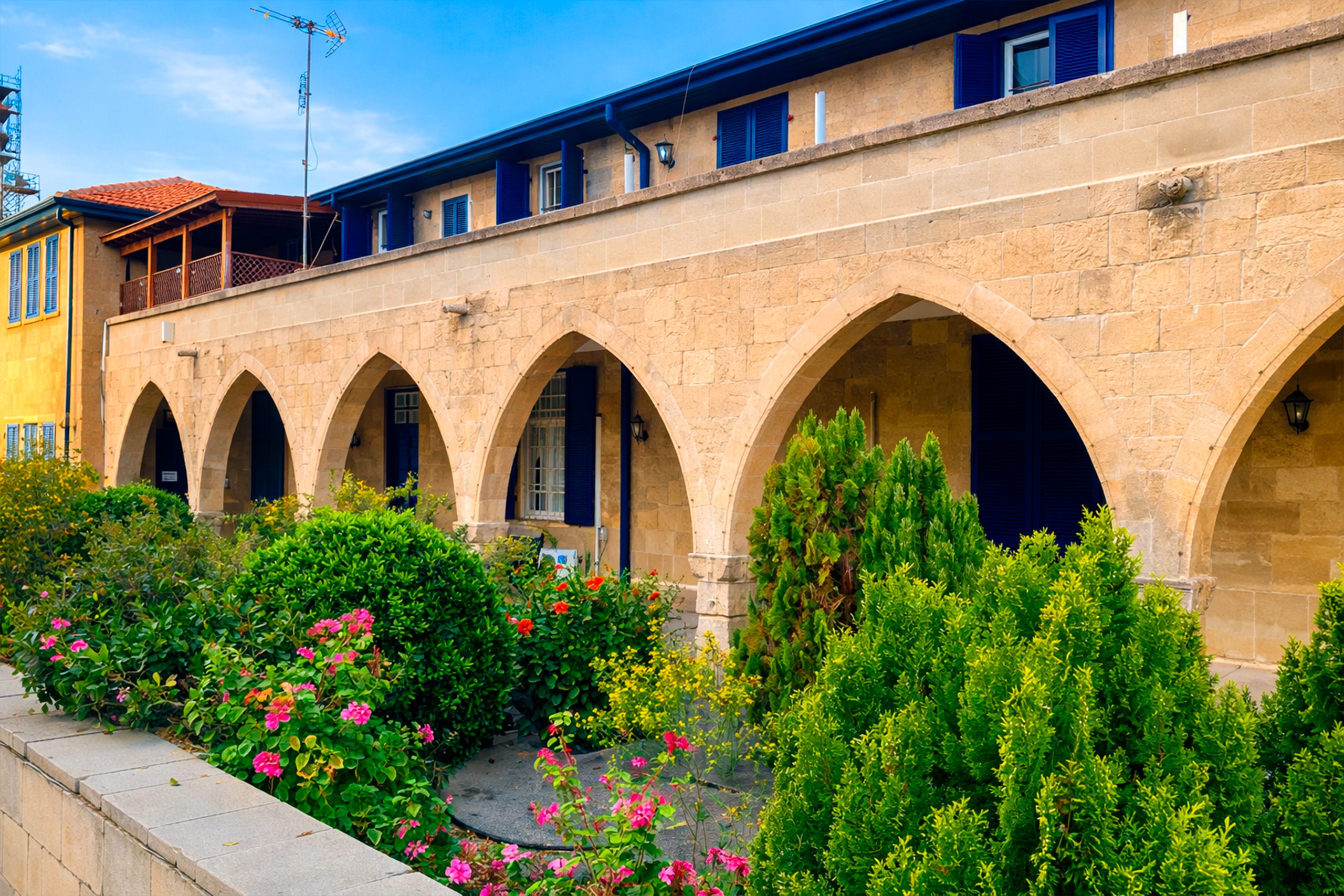
These buildings featured robust construction with ashlar masonry, arched entrances, and flat roofs, blending British colonial styles with Cypriot influences like wooden balconies. Police stations, such as Larnaca’s romantic architecture by Robin Halliday Macartney, included cells, interrogation rooms, and armories for surveillance tools like telegraphs. Administrative offices, like the Supreme Secretariat in Nicosia, had grand halls for public interactions, offices for clerks, and secure vaults for records. Fortifications included high walls and gates, designed for defense against unrest, while interiors used imported materials like iron bars from England. In rural districts, smaller stations combined police and administrative functions, with verandas for oversight of villages. Temperature adaptations included thick walls for insulation, and layouts facilitated bureaucratic efficiency, with separate wings for different departments. During emergencies, features like watchtowers enabled monitoring, while post-colonial modifications added modern amenities like air conditioning, preserving their role in law enforcement while reflecting shifts in governance.
Notable Aspects That Highlight Its Uniqueness
One captivating feature is the Larnaca Police Headquarters’ U-shaped design, symbolizing imperial embrace while allowing central surveillance, a rare romantic style in Cyprus. The network holds Cyprus’s distinction as a preserved colonial grid, with Nicosia’s Government House rebuilt after the 1931 riots as a neoclassical icon. Rare elements like Hathor-inspired details in some offices blend Egyptian influences via British architects. Legends claim secret tunnels under stations for escapes during EOKA attacks, tying to folklore in colonial chronicles. Adaptations include the Police Museum’s criminal artifacts from 1933, studied for penal history, with annual exhibits drawing visitors. Excavations reveal Ottoman foundations beneath, adding archaeological depth. The buildings’ panoramic views from hilltop locations create oversight vantage points, evoking control in photographs.
Structures of Authority: Social and Political Effects
These structures deepened social divisions by enforcing colonial laws that favored British interests, reducing local autonomy and fostering resentment that fueled nationalism. They supported surveillance networks, with police aiding intelligence gathering, aiding repression during emergencies. This created political webs: stations suppressed unions and associations in the 1930s, while offices administered divisive policies like the 1937 education laws. Socially, they influenced justice systems, providing jobs for locals as constables but under British command, highlighting hierarchies. The balance sustained imperial control amid revolts, hosting diverse functions, but independence risked obsolescence, per reports predicting adaptive reuse by 2100. Human impacts include post-war expansions preserving Victorian elements, as in heritage studies. Urban locations nurtured community interactions, symbolizing transition in political narratives.
British Police Stations and Administrative Offices in Cyprus Today
As of 2026, these buildings continue to define Cyprus’s landscape, with many repurposed as government offices or museums amid modernization. Climate change alters preservation, with hotter summers since 1960 straining stonework by 15%. Heritage threats from development are countered by Antiquities protections since 2010, increasing fencing by 20%. Modern adaptations include digital archives for records, boosting access by 25%. These sites shape identity, with events like Colonial Heritage Day educating on history, blending past with contemporary governance generating tourism revenue.
Opportunities for Exploration
Nicosia tours offer secretariat viewing, open year-round with free entry. Guided architecture sessions by Cyprus Tourism cost €15-20 for insights. Winter visits include eco-walks in January, no fee. Spring explorations in April pair with city stays for depth. Online cams provide remote access.
A Network of Imperial Legacy
British Police Stations and Administrative Offices, structures reflecting colonial law enforcement, surveillance, and bureaucratic control, define Cyprus’s historical diversity. This pattern’s balance has fostered unique narratives and human endurance, from colonial eras to modern challenges. Knowing it deepens appreciation for Cyprus as a resilient haven of memory. Engagement with its facades evokes wonder at history’s imprints. In a changing climate, it reminds of the need to safeguard this delicate balance.