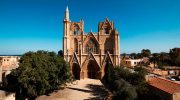
Daily prayer life in traditional Cyprus villages revolved around Orthodox Christian practices that structured time according to liturgical calendars rather than secular schedules. Families maintained home iconostases with oil lamps burning constantly before sacred images, recited morning and evening prayers, blessed meals with the sign of the cross, and observed fasting periods that eliminated meat and dairy for approximately 180 days annually.
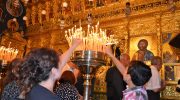
The village church anchored communal religious life through Sunday Divine Liturgies, daily services during Lent and Holy Week, and feast day celebrations honoring patron saints. These panigyria transformed routine existence into sacred time through extended liturgies, icon processions, communal feasting, folk music, and traditional dances that reinforced religious identity while strengthening social bonds.
The Orthodox calendar provided the framework for Cyprus life, with Easter as the spiritual pinnacle, the Dormition of the Virgin Mary on August 15 drawing massive pilgrimages, and Epiphany water blessings on January 6 purifying homes and communities.
Home Prayer and Icon Veneration
Orthodox practice centered the home around a dedicated iconostasis, typically a corner shelf or small cabinet displaying sacred images of Christ, the Virgin Mary, and family patron saints. Families kept oil lamps lit continuously before these icons, with the flame representing eternal prayer and divine presence within domestic space. Women bore primary responsibility for maintaining lamps, ensuring adequate oil supply, and replacing wicks when needed.
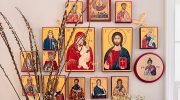
Morning prayers began each day, with family members gathering before the iconostasis to recite traditional prayers and make the sign of the cross. The prayers thanked God for protection during sleep and requested blessings for the day ahead. Evening prayers reversed this pattern, expressing gratitude for the day’s provisions and seeking protection through the night. Children learned prayers through repetition, memorizing texts before achieving literacy.
Meal blessings transformed eating into sacred acts. Before consuming food, families prayed “Kyrie euelogeson,” meaning Lord bless, and made the sign of the cross over dishes. This ritual acknowledged God as the source of sustenance and sanctified ordinary nourishment. The practice was universal across Cyprus villages regardless of family wealth or social status, demonstrating how religion permeated daily life.
Fasting Periods and Dietary Restrictions
The Orthodox Church designates approximately 180 days annually as fasting periods when believers abstain from meat, dairy products, eggs, fish with backbones, wine, and olive oil on most designated days. The four major fasts include Great Lent for 48 days before Easter, the Nativity Fast for 40 days before Christmas, the Dormition Fast for 15 days before August 15, and the Apostles’ Fast with variable length depending on Easter’s date.

Traditional villages observed fasting strictly, with entire communities adopting meatless diets simultaneously. This collective practice created social pressure that reinforced individual compliance while simplifying meal preparation as families shared similar dietary restrictions. Restaurants during mid-20th century offered special nistisimo fasting menus during designated periods, acknowledging the importance of religious diet regulations.
The fasting discipline aimed to subjugate physical desires to spiritual needs, training believers in self-control while focusing attention on prayer and repentance. The sudden abundance of meat, dairy, and wine when fasts ended created contrast that enhanced feast day celebrations. Easter Sunday’s lamb roast tasted more delicious after 48 days without meat, demonstrating how fasting enhanced appreciation for God’s material blessings.
Sunday Divine Liturgy and Weekly Rhythm
Sunday morning Divine Liturgy provided the weekly gathering that defined village communities. Families dressed in finest clothing and walked to church, arriving before services began around 8:00 or 9:00 AM. The liturgy lasted two to three hours, with worshippers standing throughout according to Orthodox tradition that permits sitting only for elderly and infirm.
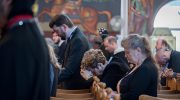
The service combined elaborate rituals including incense burning, icon veneration, scripture readings, Byzantine chanting, and the Eucharist where believers received consecrated bread and wine representing Christ’s body and blood. The sensory experience of sight, smell, sound, and taste created immersive worship that engaged body and spirit simultaneously. Parish priests chanted prayers in Greek, maintaining linguistic continuity with Byzantine traditions even when conversational Greek had evolved.
After services concluded, villagers gathered in the central plateia for socializing. Men headed to coffee shops for Cyprus coffee and backgammon while women returned home to prepare Sunday meals, the week’s most elaborate food preparation. This post-liturgy socializing reinforced community bonds formed through shared worship while creating opportunities for business discussions, marriage arrangements, and conflict resolution.
Major Feast Days and Panigyria Celebrations
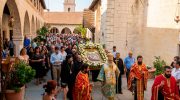
Each village honored its patron saint through annual panigyria featuring religious observances and communal festivities. These celebrations began with evening Vespers when the saint’s icon was carried in solemn procession through village streets accompanied by chanting and candles. The Litania procession moved slowly, with stops at designated locations for prayers and hymn singing.
The following morning’s Divine Liturgy exceeded normal services in length and elaboration. The church filled beyond capacity, with late arrivals standing in doorways and courtyards to participate in worship. After liturgy concluded, the sacred atmosphere transformed into festive celebration with folk music, traditional dances, and abundant food including loukoumades honey doughnuts, souvla roasted meat, and wine flowing freely.
The Dormition of the Virgin Mary on August 15 ranks as Cyprus’s most important feast after Easter. Nearly every village hosts panigyria on this date, with major events at monasteries including Kykkos and Chrysorrogiatissa drawing thousands of pilgrims. Many Cypriots undertake walking pilgrimages to fulfill vows made during illness or hardship, traveling mountain paths to reach remote chapels in demonstrations of devotion.
Easter as the Spiritual Pinnacle
Orthodox Easter surpasses all other celebrations in religious significance and community participation. Holy Week sees daily church services recounting Christ’s final days, with increasing solemnity as Good Friday approaches. The Epitaphios procession on Good Friday evening creates the week’s most moving ritual, as flower-covered biers representing Christ’s tomb are carried through village streets while Byzantine lamentations echo from candlelit crowds.
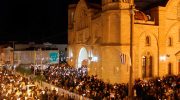
Holy Saturday builds anticipation through the day with church services and final feast preparations. At midnight, the Resurrection liturgy begins in complete darkness symbolizing the world without Christ. When the priest emerges with a single lit candle proclaiming “Christos Anesti,” meaning Christ is Risen, the flame spreads through the congregation as bells ring and fireworks explode. The transformation from darkness to light, silence to noise, mourning to joy creates powerful emotional experience that defines Orthodox spirituality.

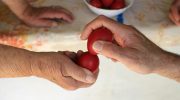
Families carry the blessed flame home carefully, using it to make soot crosses above doorframes for year-long protection. The midnight meal breaking the Lenten fast traditionally includes magiritsa soup made from lamb offal. Easter Sunday features lamb roasting on spits, family gatherings, and the tsougrisma egg-cracking game where participants tap dyed eggs to see whose shell remains intact, symbolizing good fortune.
Contemporary Practice and Changing Observance
Modern Cyprus maintains Orthodox traditions while adapting to secular lifestyles that compete with religious obligations. Church attendance remains higher than Western Europe, with Easter services still drawing massive crowds and feast days maintaining cultural significance. However, daily home prayers have declined particularly among urban youth, and fasting observance has relaxed substantially from strict traditional standards.
Many contemporary Cypriots observe key feast days and major fasts symbolically rather than comprehensively. They might fast during Holy Week while ignoring other designated periods, or attend Easter services while skipping regular Sunday liturgies. This selective participation maintains connection to Orthodox identity without the total immersion that characterized village life through the mid-20th century.
The Church of Cyprus works to preserve traditional practices through education programs, youth ministries, and media outreach. Television broadcasts major services, allowing homebound elderly to participate virtually. Sunday schools teach children prayers and liturgical knowledge their parents might not transmit at home. These institutional efforts acknowledge that traditional family-based religious transmission has weakened as nuclear families replace extended households and secular activities compete for time and attention.