The copper-rich mountains of Cyprus, particularly the Troodos range, were seen by ancient inhabitants as divine gifts from the gods, providing not just vital metal for tools and trade but also spiritual protection and prosperity. These peaks, laced with reddish ore veins, blended natural bounty with sacred myths, making mining a reverent act and turning the island into a Bronze Age powerhouse. Exploring their story reveals how earth, faith, and human ingenuity intertwined to shape Cyprus’s enduring legacy.
A Sacred Backbone of the Island
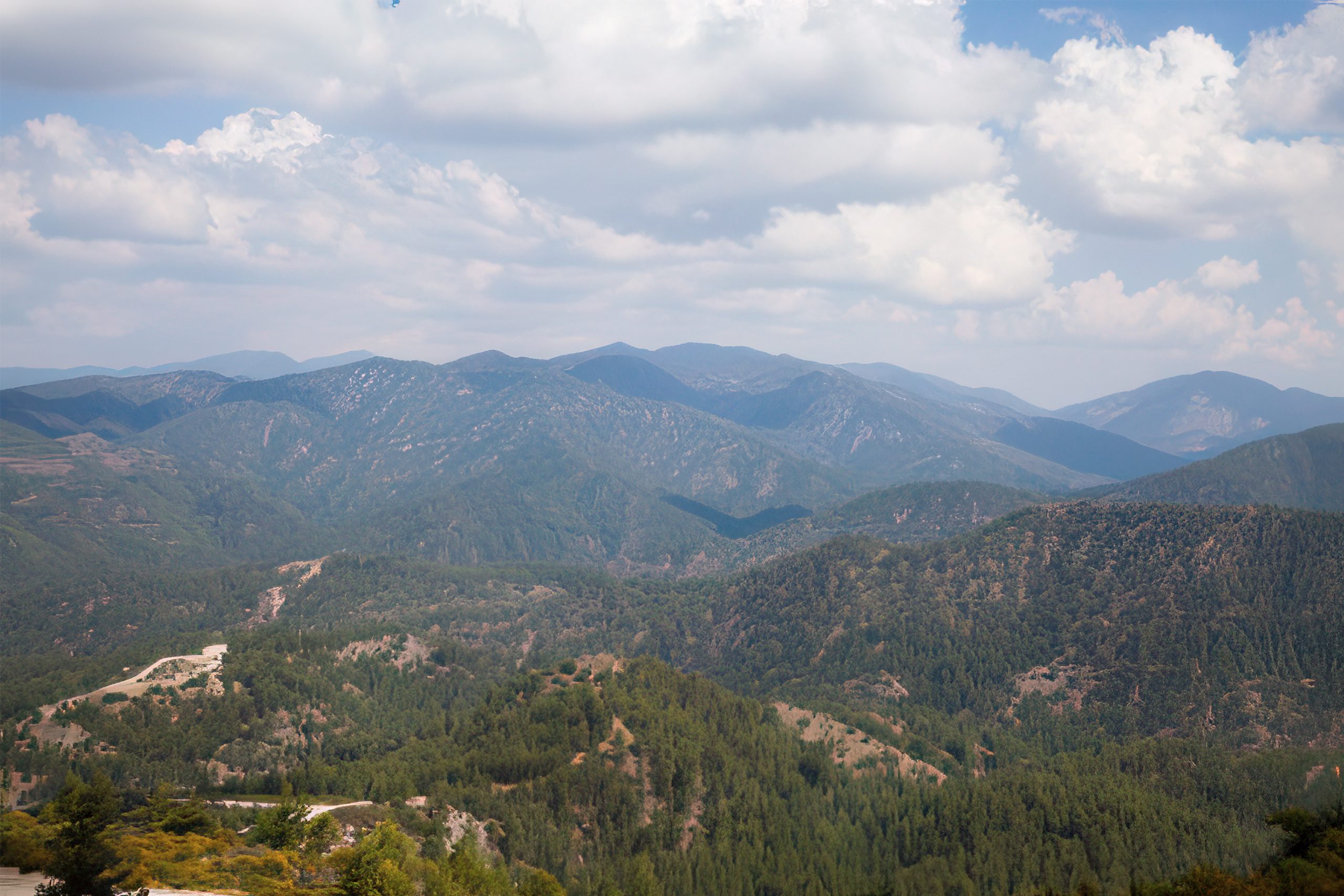
Step into the heart of Cyprus, and you’ll find the Troodos Mountains rising like ancient guardians, their slopes cloaked in pine forests and dotted with villages that seem frozen in time. These aren’t just any hills – they’re the island’s geological core, a rugged massif stretching across the center, reaching up to Mount Olympus at over 1,950 meters. For early Cypriots, the mountains weren’t mere landscape; they were a holy endowment, teeming with copper that fueled life, from farming tools to ceremonial artifacts. This blend of raw power and divine favor made the Troodos a symbol of abundance, where the gods’ touch was felt in every shimmering vein of ore. Today, they stand as a reminder of how nature’s gifts can inspire awe, drawing hikers, historians, and dreamers alike to their misty paths.
From Ancient Seas to Mythic Heights
The story of these mountains begins millions of years ago, when Cyprus itself emerged from the depths of the Tethys Sea. Around 90 million years back, volcanic activity on the ocean floor created what’s now called the Troodos ophiolite – a chunk of ancient seabed thrust upward by tectonic forces, forming the island’s backbone. This geological drama left behind rich deposits of copper sulfide ores, especially in the pillow lavas around the foothills. By the Chalcolithic period, about 4000 BC, locals had started working native copper, hammering it into simple tools without even needing to mine deeply.
As societies grew, so did the mining. The Bronze Age, starting around 2500 BC, saw a boom when Cypriots learned to alloy copper with tin, creating bronze that revolutionized everything from weapons to art. Cyprus became the Mediterranean’s copper kingpin – the word “copper” even derives from “Kupros,” the ancient Greek name for the island. Sites like Ambelikou-Aletri in the Troodos buzzed with activity, miners tunneling into the earth for ore that was smelted in nearby workshops. Trade exploded; oxhide-shaped ingots, easy to stack on ships, sailed to Egypt, the Levant, and beyond. The Uluburun shipwreck off Turkey, from around 1300 BC, carried over 10 tons of Cypriot copper, proving the island’s pivotal role. Empires coveted this wealth, from the Hittites to the Assyrians, but for locals, it was the gods who had bestowed this treasure, tying the mountains to tales of divine favor and protection.
A Landscape of Power and Mystery
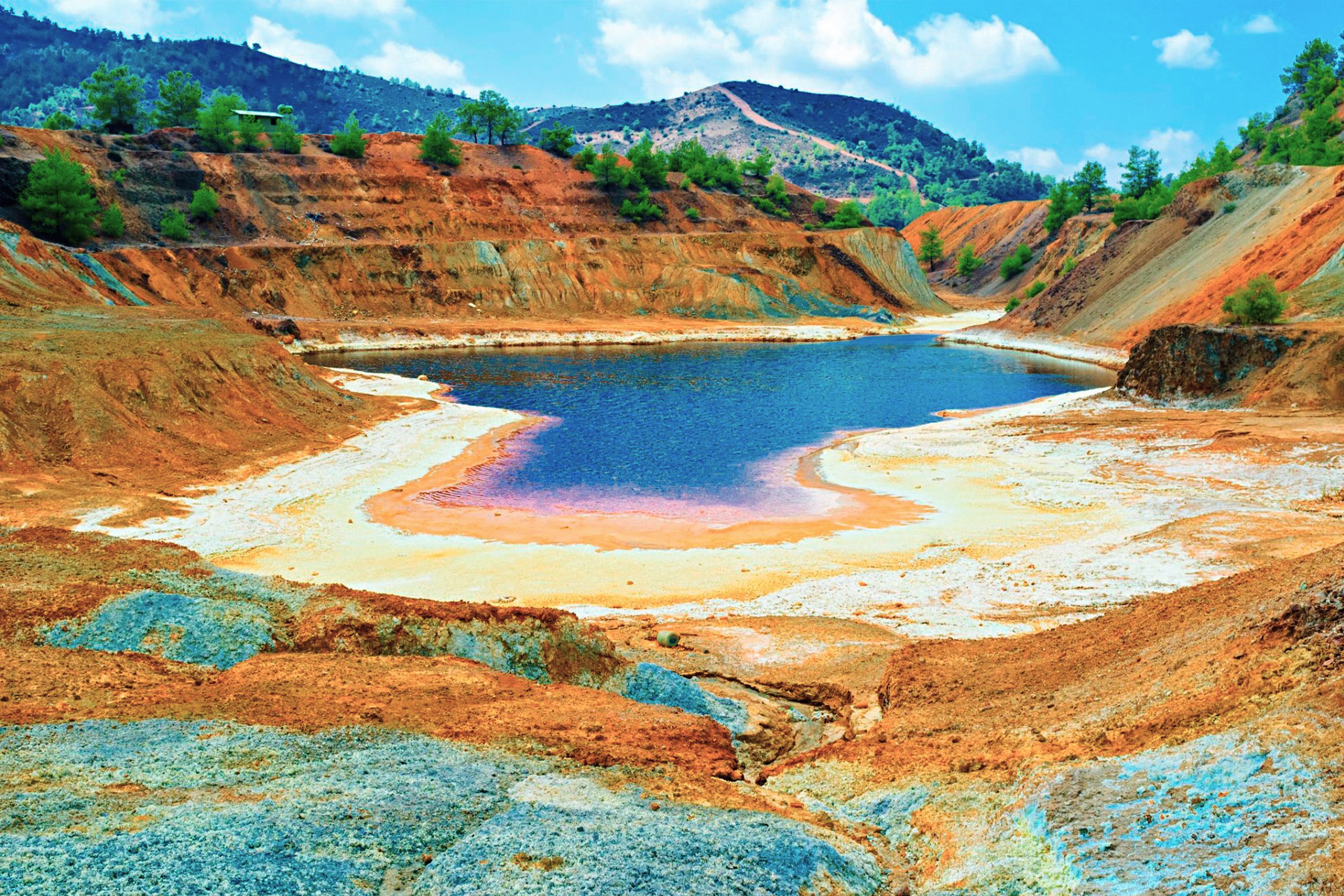
Visually, the Troodos captivate with their dramatic contrasts – steep valleys carved by rivers, snow-capped peaks in winter, and vibrant wildflowers in spring. The highest point, Mount Olympus (or Chionistra, meaning “snowy one”), towers like a throne, offering panoramic views of the sea on clear days. But beneath the beauty lies the copper story: reddish gossans – oxidized ore caps in hues of red, yellow, and orange – dot the slopes, natural signposts that guided ancient miners. Erosion over eons sculpted the terrain, exposing veins in places like Skouriotissa, one of the oldest continuously mined sites.
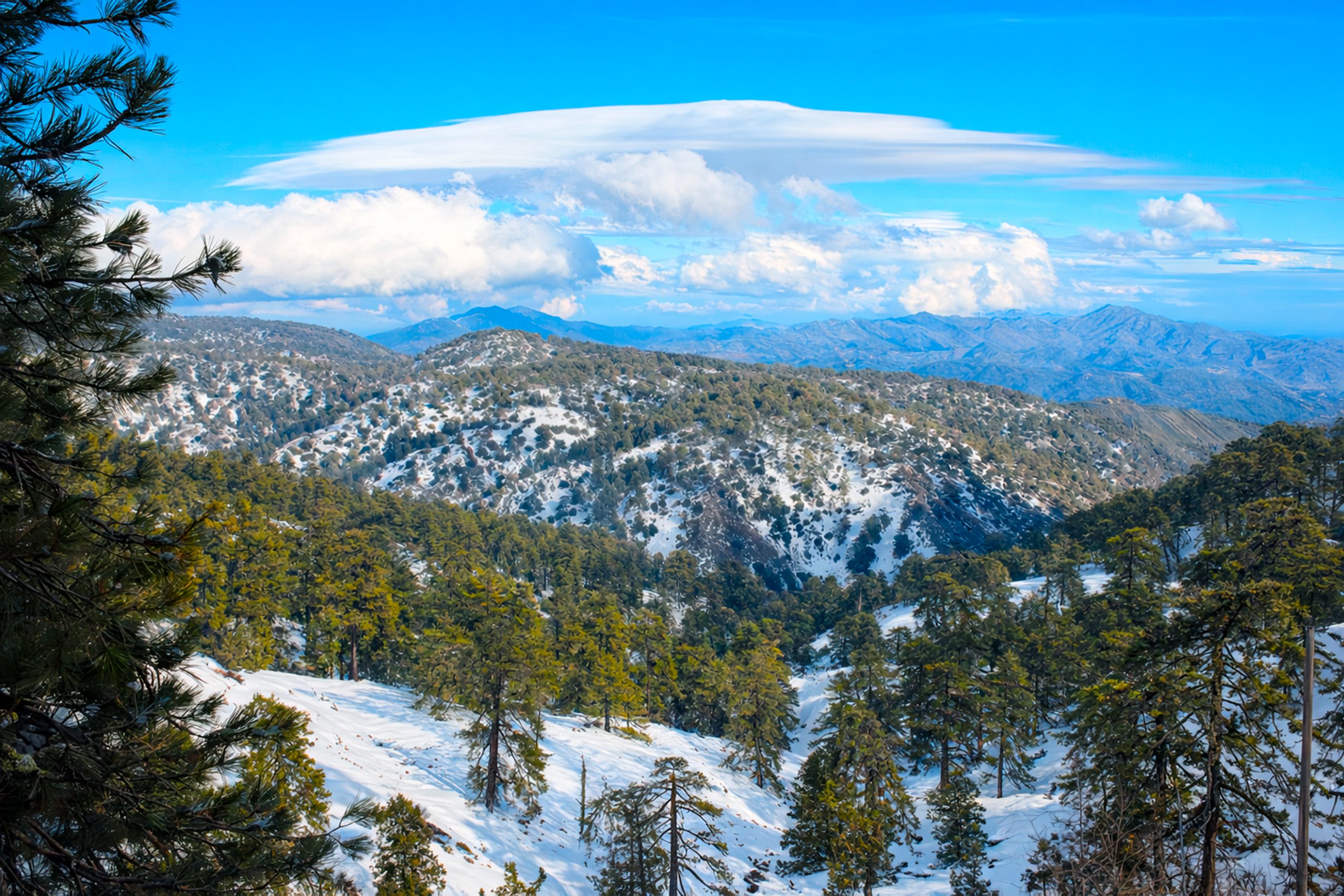
These mountains weren’t just productive; they felt alive with spiritual energy. High elevations meant closer to the heavens, so summits became sacred spots. No need for elaborate temples – the crags and springs themselves were altars. Aphrodite, the island’s patron goddess born from sea foam, was imagined roaming these heights, her presence linking love, fertility, and the earth’s metallic bounty. The ruggedness provided natural defenses too, shielding inland communities from coastal raiders and fostering a unique cultural blend of Greek, Phoenician, and local traditions.
Surprising Tales from the Depths
Dig into the lore, and quirky stories emerge that make these mountains feel enchanted. One legend ties the island’s name directly to copper: “Kupros” might come from the Eteocypriot word for the metal, or even from a mythical king who discovered it. At Enkomi, archaeologists found a bronze “Ingot God” statuette – a horned figure standing triumphantly on an oxhide ingot, likely a protector deity for miners facing cave-ins and toxic fumes. These weren’t rare; similar “Horned Gods” popped up near mines, blending warrior vibes with fertility symbols, perhaps invoking strength for the dangerous work.
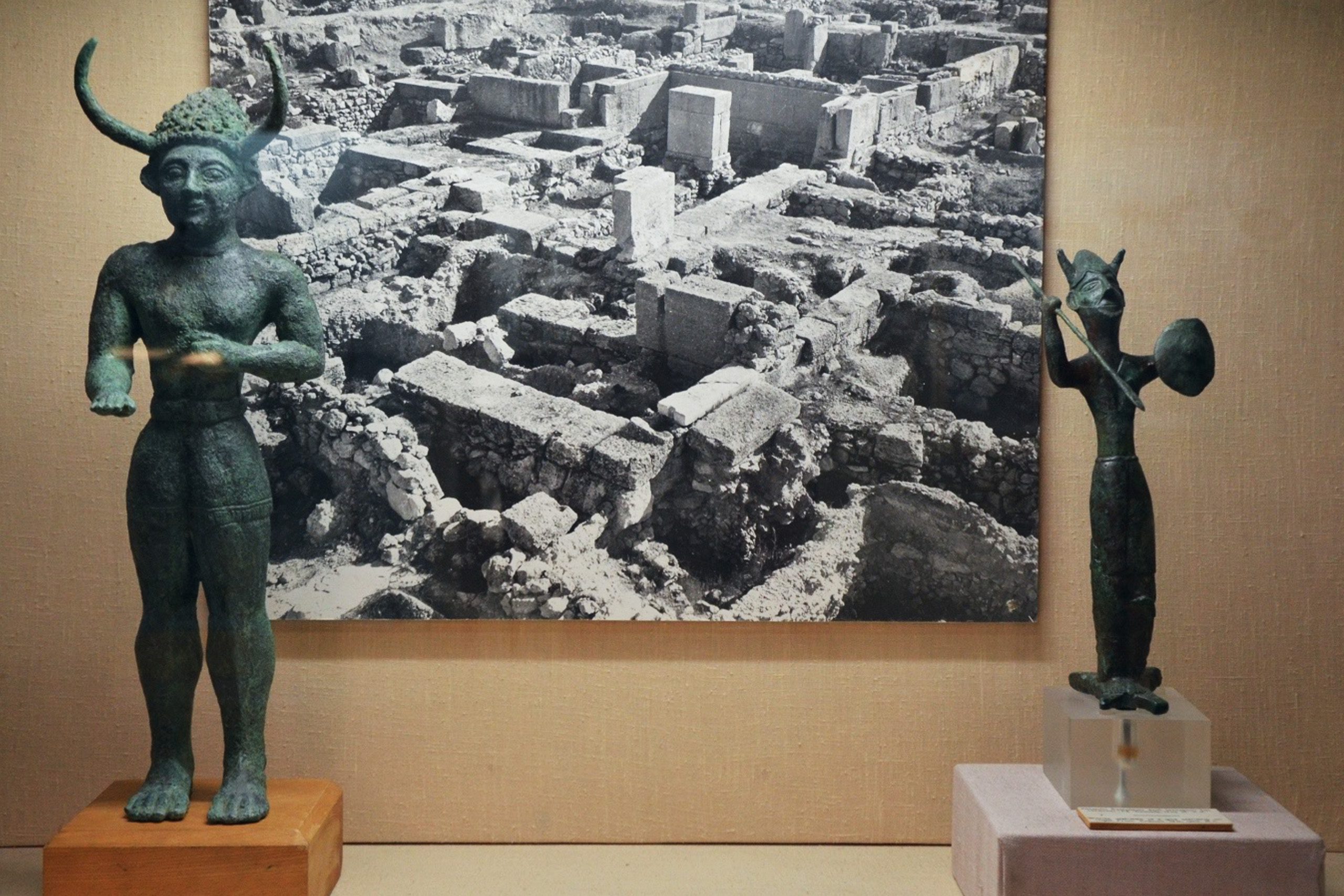
Another fun twist: Aphrodite’s mythical marriage to Hephaestus, the lame smith god, may stem from Cyprus’s copper obsession. As patron of metallurgy, he forged wonders in volcanic forges – mirroring the island’s fiery smelting pits. Miners left votive offerings in shafts, like tiny copper tools or figurines, to appease spirits. During World War I, modern mining at Skouriotissa uncovered ancient tunnels, showing how Romans reused Bronze Age sites. And in a bizarre nod to continuity, the same mine operated until recently, linking prehistoric picks to 20th-century drills. These snippets turn the mountains into a living museum, where every rock might hide a godly secret.
Deeper Layers of Faith and Craft
Peel back more, and the sacred-metallic bond shines brighter. In Tamassos, an ancient city-kingdom in the Troodos foothills, sanctuaries to Aphrodite sat right beside copper workshops – a clear sign that divinity oversaw production. The goddess, often called Kypris, absorbed traits from eastern deities like Astarte or Inanna, becoming a fierce guardian of fertility, war, and resources. Rituals likely involved offerings of slag or ingots at springs, invoking her to keep the ore flowing. The “Ingot God” figures suggest a male counterpart, perhaps an early Ares or local hero, protecting the all-male mining crews.
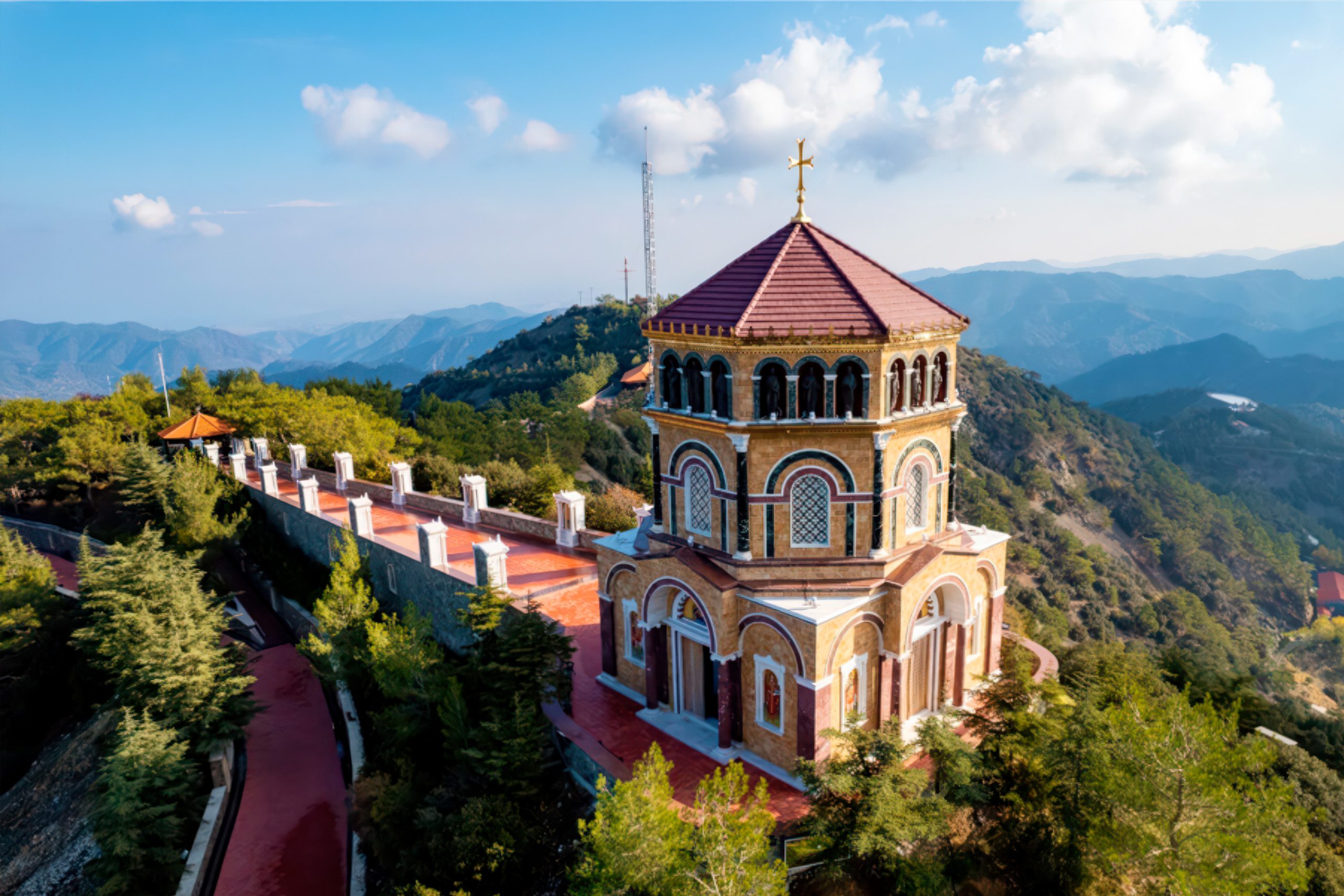
Archaeologically, over 100 ancient slag heaps scatter the range, each a testament to massive output – estimates say 200,000 tons of copper ingots were extracted in antiquity. This fueled not just tools but cultural exchanges; Phoenician traders brought alphabetic scripts, Egyptians sent gold. Myths evolved too: Aphrodite’s lovers, like Adonis (a vegetation god), echoed cycles of mining – digging deep, extracting life-giving metal, then renewal. Byzantine times shifted focus; as Arab raids hit coasts, monks fled inland, building monasteries like Kykkos, where icons blended old pagan reverence with Christian faith. These sites, many UNESCO-listed, show how the mountains’ holiness adapted, from copper gods to saintly protectors.
Echoes in Modern Cyprus
Today, the Troodos pulse with that ancient energy, woven into Cyprus’s fabric. Though large-scale mining has dwindled – Skouriotissa closed in 2017 after millennia – the legacy lives in museums and eco-tourism. Villages like Kakopetria preserve Byzantine churches with frescoes that hint at older myths, their steep roofs echoing the peaks’ shelter. In a divided island, these mountains unite, symbolizing shared heritage beyond politics.
Culturally, Aphrodite’s tie to copper brands Cyprus as the “Island of Love,” with festivals celebrating her through wine (from Troodos vineyards) and crafts. Environmentally, they’re a hotspot for conservation; climate change threatens forests, but initiatives protect trails and biodiversity, drawing on ancient respect for the land. Artists invoke the myths in sculptures, while locals share tales over halloumi and commandaria – the world’s oldest named wine, born from these slopes. In pop culture, films and books romanticize the peaks as mystical realms, proving the gods’ gift still inspires resilience and wonder.
Wandering the Divine Slopes
Ready to experience it? The Troodos are accessible year-round, with roads winding from Nicosia or Limassol. Start at Mount Olympus for hikes – the Artemis Trail loops through black pines, offering views that feel otherworldly. Visit Kykkos Monastery, perched at 1,318 meters, to see its golden mosaics and the miraculous Virgin icon, said to heal the faithful. Entry’s free, but dress modestly; it’s a living site of pilgrimage.
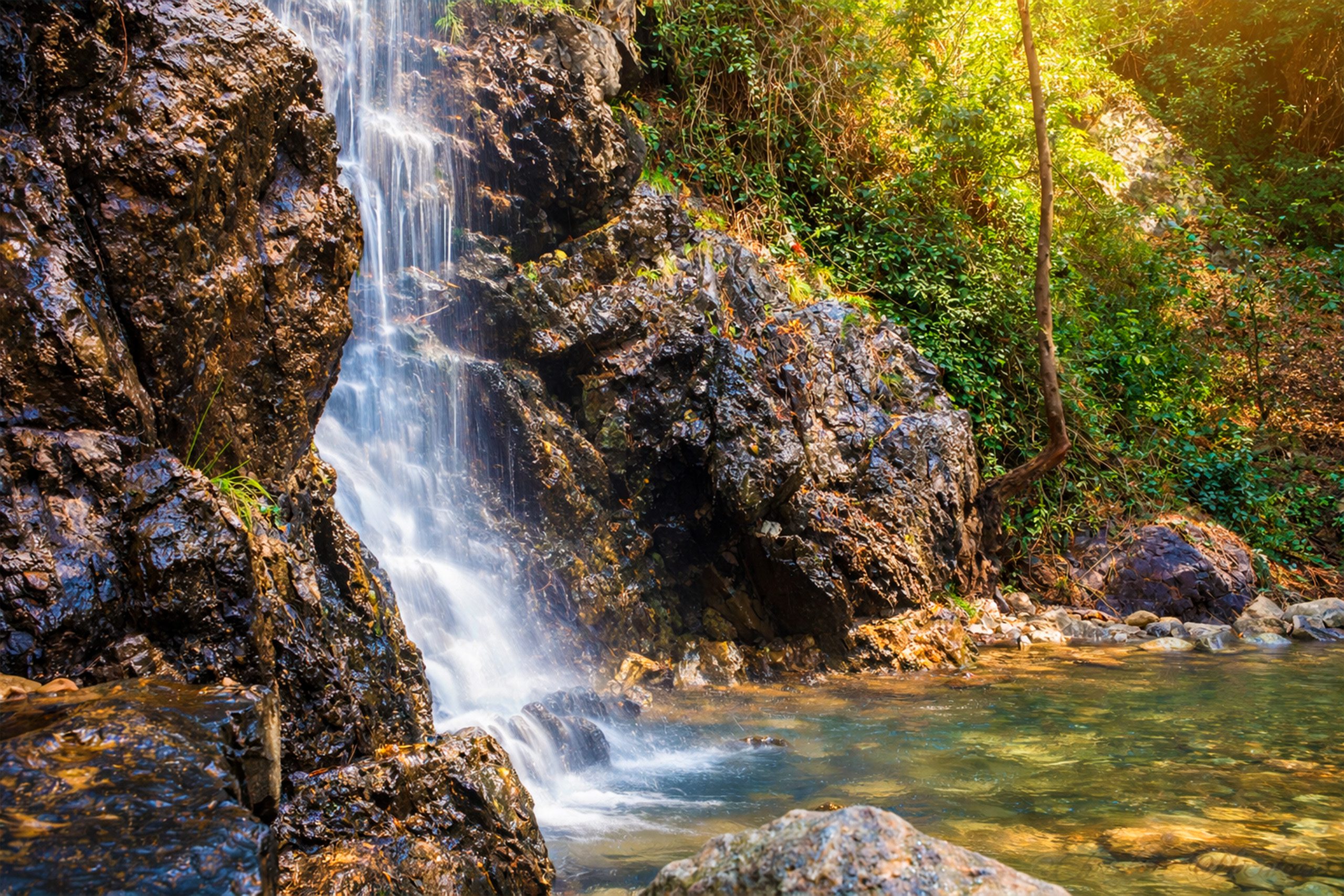
For copper history, head to the Cyprus Museum in Nicosia first, then explore sites like Apliki or the GeoPark in Lefkara, where exhibits explain the ophiolite magic. Villages offer stays in stone agrotourism houses – try Platres for cozy tavernas serving trout from mountain streams. Winter brings skiing at Olympus, summer escapes the coastal heat with shaded walks to waterfalls like Caledonia. Safety tips: Roads twist, so drive carefully; pack layers for changing weather. Combine with wine routes or fresco tours for a full immersion – no guides needed, but apps help. It’s not just sightseeing; it’s stepping into myths that still breathe.
A Timeless Gift That Endures
In wrapping up, the copper mountains of Cyprus aren’t relics – they’re a profound testament to how ancients saw divinity in the everyday grind of survival. By gifting copper, the gods didn’t just provide metal; they sparked innovation, trade, and a spiritual worldview that turned ore into symbols of life and power. This legacy defines the island’s soul: a blend of resilience, beauty, and cultural fusion that thrives amid challenges. Whether tracing a miner’s ancient path or gazing at snowy peaks, the Troodos invite us to appreciate nature’s deeper meanings. In our era of fleeting trends, they whisper that true gifts – from earth or heavens – last forever, fostering wonder that connects past to present.