Explore Cyprus with Our Interactive Map

Explore our top stories and discover ideas worth your time.

Cyprus Property Tips for First-Time Buyers

Cyprus Property Tips for First-Time Buyers

Buying property in Cyprus offers access to Mediterranean lifestyle combined with EU legal protections and favorable tax conditions. The island attracts first-time buyers with property prices lower than Spain, Portugal, or France, while maintaining modern infrastructure and English language accessibility. However, the Cyprus property market operates differently from other European countries, with specific procedures that require understanding before making purchase decisions. The market recorded 23,900 sales in 2024 with total property value of 5.7 billion euros, showing consistent activity. Apartment prices grew 4.8 percent year over year in the first quarter of 2025, demonstrating steady demand. First-time buyers face choices between coastal cities like Limassol and Paphos or inland areas around Nicosia, each offering different price points and lifestyle characteristics. Understanding the buying process from initial viewing through title deed transfer prevents costly mistakes that affect many unprepared buyers. Budget Planning Beyond Purchase Price The advertised property price represents only part of the total investment required. Buyers should budget an additional 8 to 10 percent of purchase price for fees and taxes that complete the transaction. These costs include stamp duty, legal fees, transfer fees, and value added tax on new construction. Stamp duty was abolished from January 1, 2026, reducing costs for buyers, though other fees remain. VAT applies at 19 percent standard rate for new properties, but first-time…

Read more
Scuba Diving Spots in Cyprus

Scuba Diving Spots in Cyprus

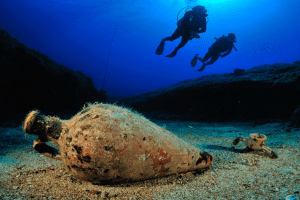
Cyprus ranks among the Mediterranean's premier diving destinations, offering crystal-clear waters with visibility often exceeding 30 meters, warm sea temperatures reaching 27 degrees Celsius in summer, and diverse underwater landscapes ranging from ancient shipwrecks to vibrant reef systems. The island's strategic location at the crossroads of three continents has resulted in a rich maritime history, with numerous wrecks resting on the seabed alongside natural caves, underwater cliffs, and thriving marine ecosystems. Cyprus's diving season extends year-round, though the most comfortable conditions occur between April and November when water temperatures remain above 20 degrees Celsius and weather conditions are optimal. The Zenobia Wreck Near Larnaca The MS Zenobia stands as one of the world's top ten wreck dives and Cyprus's most famous underwater attraction. This Swedish-built roll-on roll-off ferry sank on her maiden voyage on June 7, 1980, just outside Larnaca harbor after suffering computer malfunctions that caused ballast system failures. The ship now rests on her port side at depths ranging from 16 to 42 meters, making different sections accessible to divers of varying experience levels. The 172-meter-long vessel carried 104 articulated lorries loaded with cargo when she sank, creating an enormous artificial reef that has attracted diverse marine life over four decades. Divers can explore the bridge, engine room, and cargo holds still containing trucks and trailers frozen in…

Read more
Research & Environmental Collaboration In Cyprus

Research & Environmental Collaboration In Cyprus

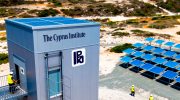
Cyprus has developed into a recognized center for environmental research in the Eastern Mediterranean and Middle East region. Multiple research institutions conduct studies on climate change, air and water quality, biodiversity, energy systems, and agricultural sustainability. These organizations collaborate with international partners from Europe, North America, and the Middle East to address environmental challenges through scientific investigation, technological innovation, and policy development. The research infrastructure spans government agencies, independent research centers, universities, and private sector partners who share data, resources, and expertise. Building the Research Foundation The Cyprus Institute stands as the primary driver of environmental research since its establishment in 2005 under the Cyprus Research and Educational Foundation. Planning occurred between 2000 and 2004, led by international scholars including former U.S. Secretary of Energy Ernest Moniz, former CERN Director-General Herwig Schopper, and founding president Costas N. Papanicolas. A 2002 convocation of world leaders and academics chaired by Hubert Curien endorsed the vision. Operations formally commenced in 2007 with the launch of the first research center. The Energy, Environment and Water Research Center was founded in 2007 in partnership with the Massachusetts Institute of Technology. It focused initially on the energy, environment, and water nexus for the Eastern Mediterranean Middle East region. MIT developed the initial scoping report that articulated the research agenda. The center has since adapted to address…

Read more