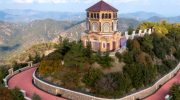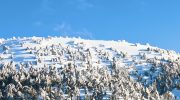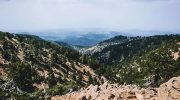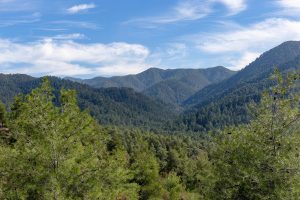
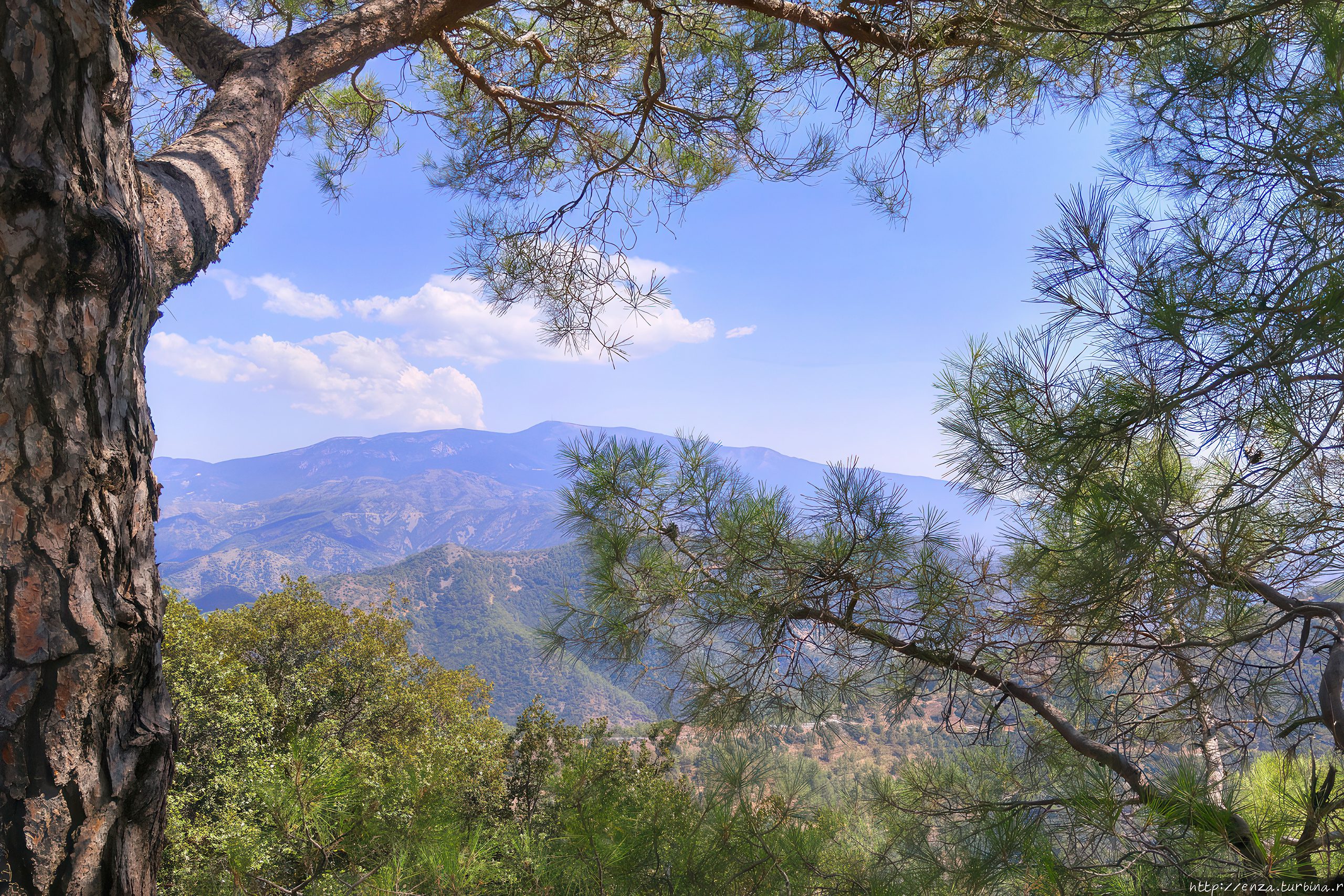
Mediterranean Pine and Cedar Forests (Troodos) consist of high-altitude woodlands in Cyprus’s central mountains, featuring endemic tree species that play a crucial role in soil conservation and provide habitats for unique fauna. These forests, dominated by black pine and Cyprus cedar, cover about 18% of the island and support a diverse ecosystem adapted to the Troodos’s alpine conditions. They represent a vital natural legacy, where ancient trees anchor the landscape against erosion while sheltering species found nowhere else on Earth.
- A Timeless Woodland in the Highlands
- The Historical Formation and Evolution
- Features of Trees, Soil, and Fauna
- Notable Aspects That Highlight Its Uniqueness
- Deeper Environmental and Cultural Impacts
- Mediterranean Pine and Cedar Forests in Cyprus Today
- Opportunities for Exploration
- A Woodland of Enduring Life
A Timeless Woodland in the Highlands
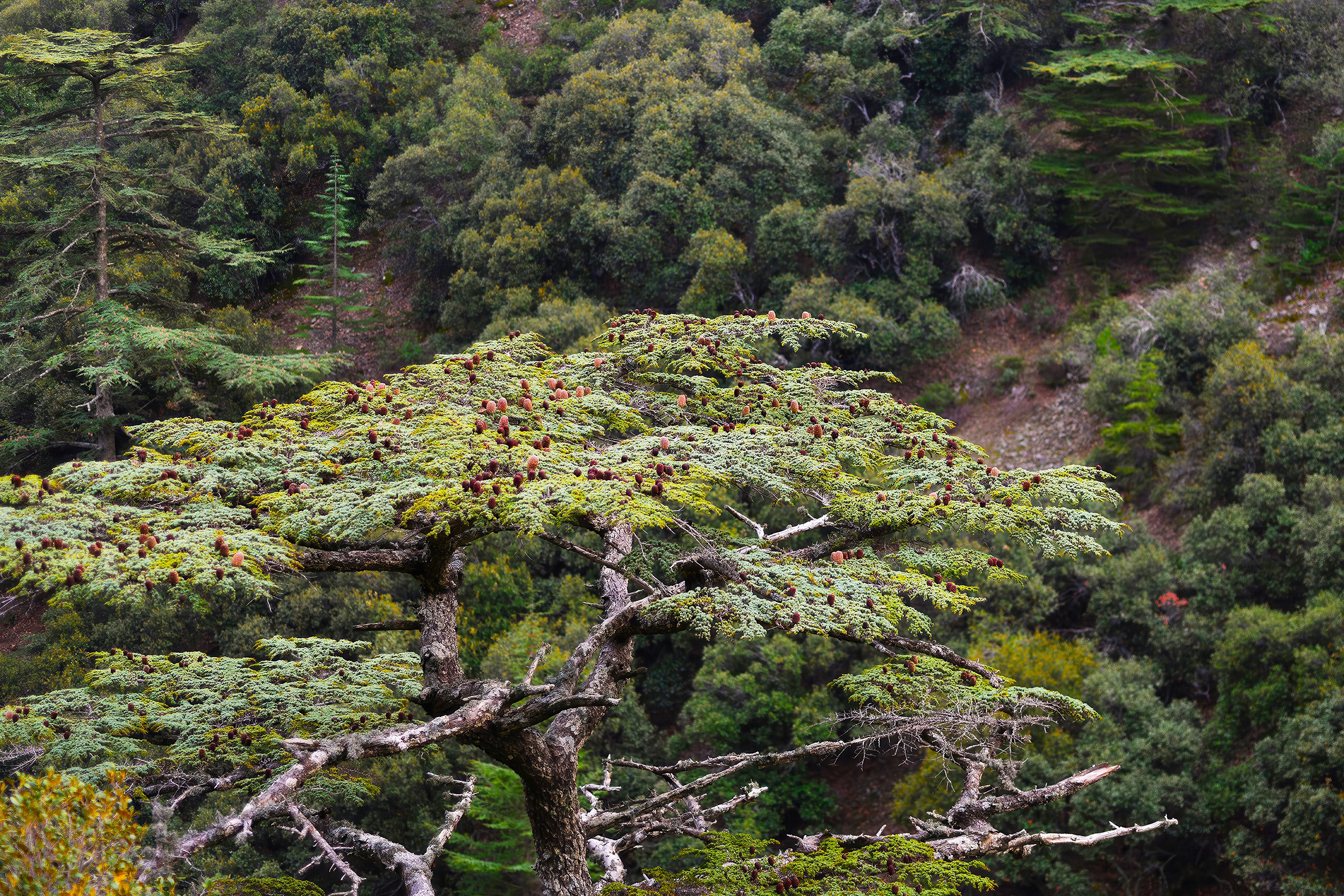
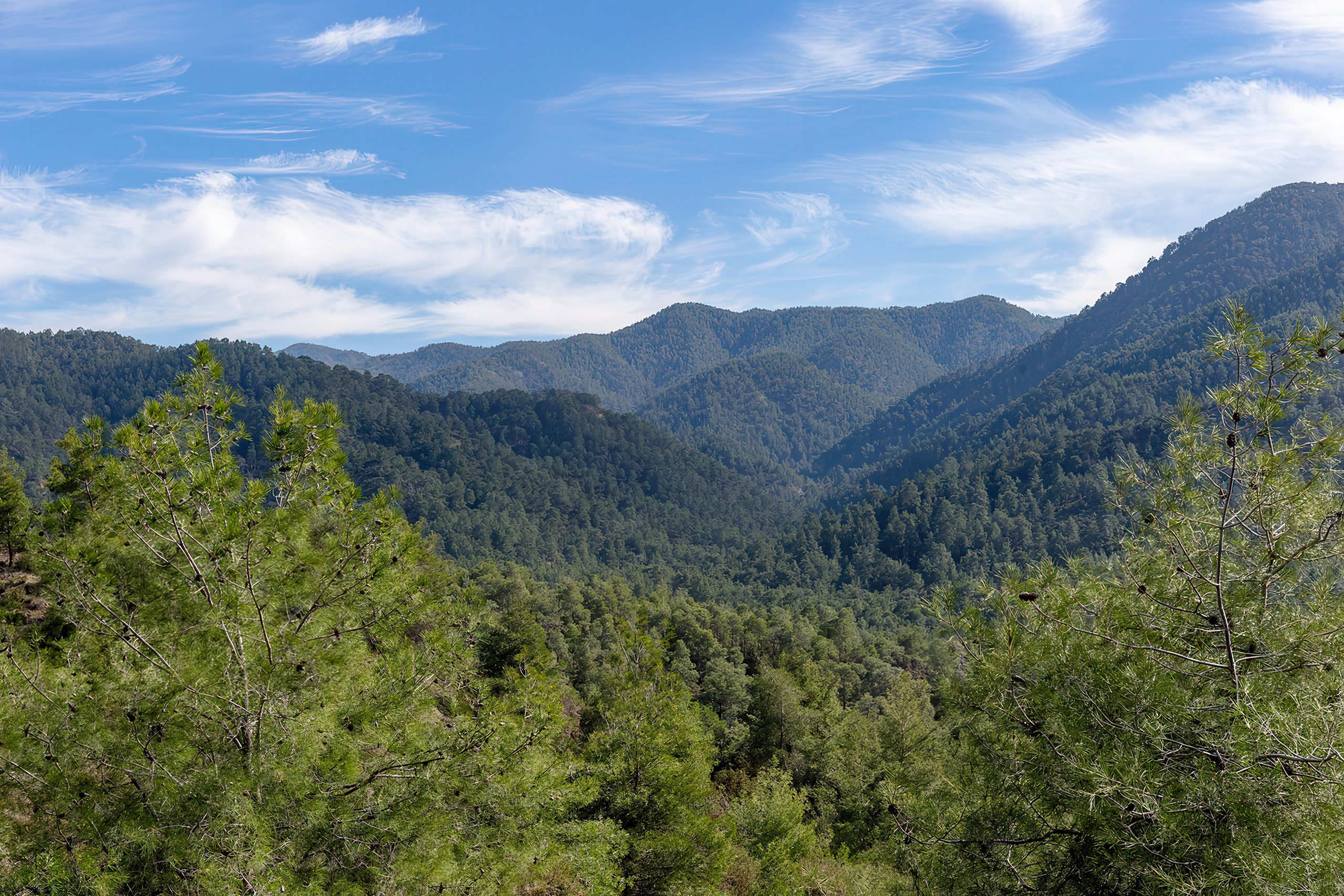
The Mediterranean pine and cedar forests of Troodos form a distinctive high-altitude ecosystem, where dense stands of conifers create a canopy that moderates the island’s climate and nurtures biodiversity. Rising from 1,200 to 1,952 meters at Mount Olympus, these woodlands transition from lower maquis scrub to pure pine zones, with Cyprus cedar (Cedrus brevifolia) clustered in pockets like the Cedar Valley. The forests’ structure—tall pines with understories of endemic shrubs—prevents soil loss on steep slopes, while their roots stabilize the ophiolite soils unique to Troodos. This environment supports over 750 plant species and serves as a refuge for fauna like the mouflon sheep, making it a cornerstone of Cyprus’s natural heritage.
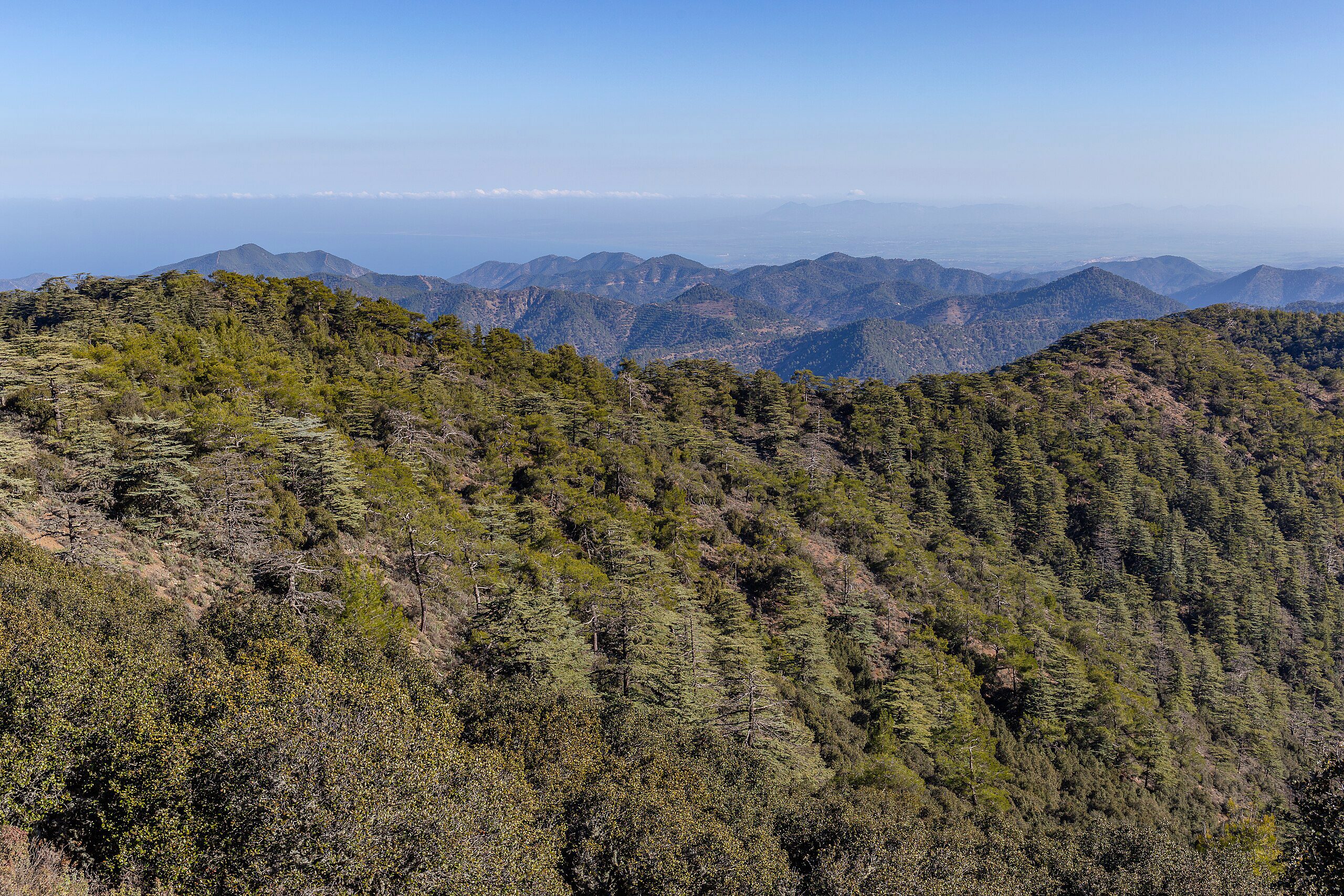
The Troodos range, covering 9,200 hectares of forested area, acts as a climatic regulator for the island, capturing moisture from westerly winds to feed rivers that irrigate lower plains. Black pine (Pinus nigra subsp. pallasiana) dominates above 1,400 meters, forming dense stands that reduce wind speed by 50% and trap snow for gradual melt, averting floods. Cedar groves, limited to 200 hectares, provide shaded microhabitats with cooler ground temperatures, fostering fungi and insects essential for pollination. This woodland’s resilience stems from adaptations to fire and drought, with thick bark and seed release triggered by heat, as studied in regeneration projects by the Forestry Department since the 1990s.
The Historical Formation and Evolution
These forests formed during the Miocene epoch around 8 million years ago, when tectonic uplift created the Troodos from oceanic crust, as detailed in geological studies by the Cyprus Geological Survey. This process isolated species, promoting endemism—the Cyprus cedar, for instance, diverged from Lebanese relatives 5 million years ago, per genetic analysis by the Forestry Department in 2010. Historical records from ancient times, like Strabo’s Geography (1st century BC), describe the range as “wooded heights,” with pines harvested for shipbuilding in Phoenician trade.
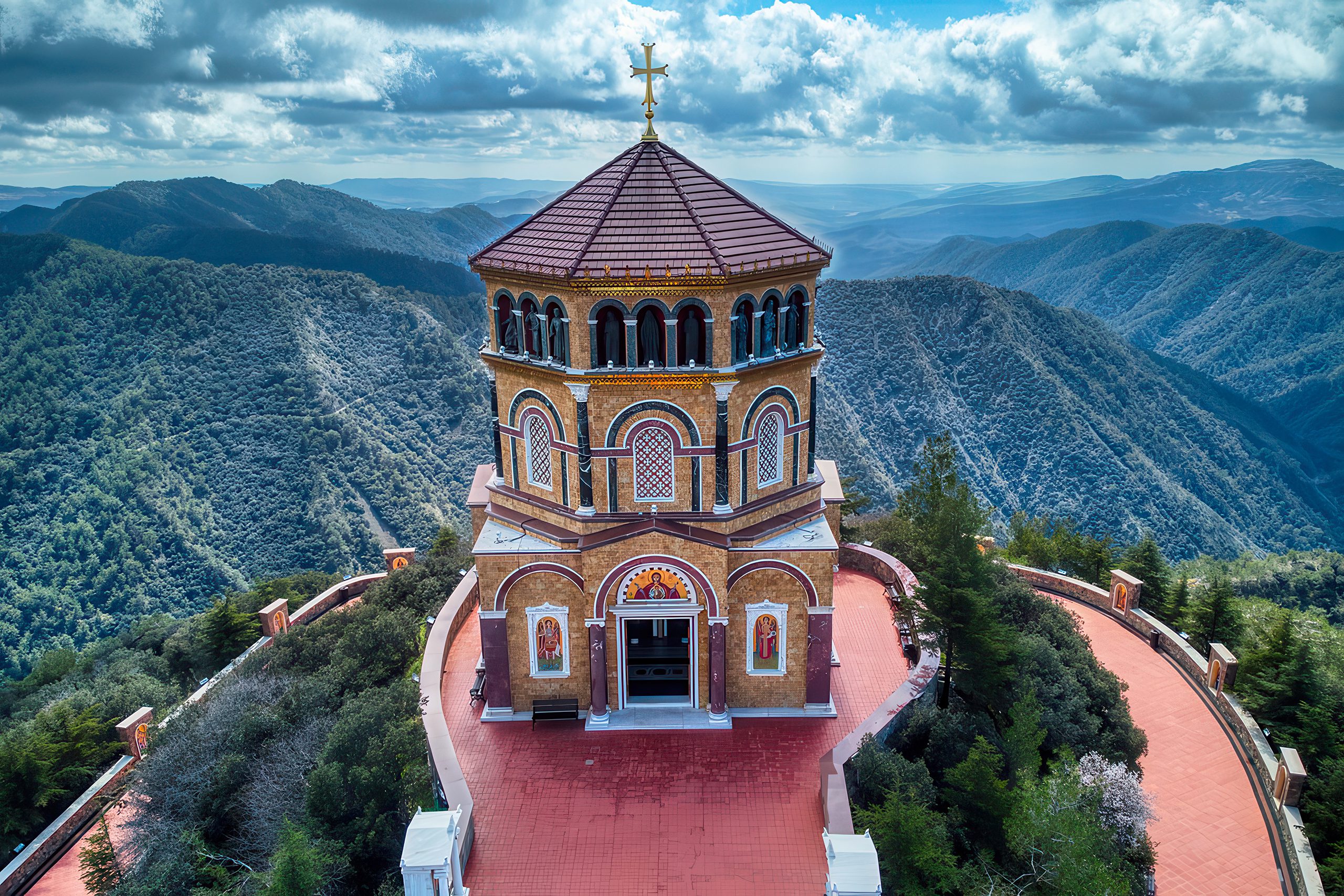
By the Bronze Age (2500 BC), forests supplied timber for copper smelting, with charcoal remains from Skouriotissa mines showing extensive use. The Byzantine era (4th-15th centuries AD) saw sacred groves, with cedars planted around monasteries like Kykkos (1080 AD) for symbolic eternity, as manuscripts from the period note. Lusignan rule (1192-1489) deforested for vineyards, but cedars survived in high zones due to inaccessibility. Venetian (1489-1571) shipyards stripped pines, leading to erosion noted in 16th-century reports, while Ottoman (1571-1878) logging for Istanbul caused decline, as Ali Bey described in 1806.
British colonial rule (1878-1960) established reserves, with 1920s surveys by R.S. Troup classifying 12,000 hectares as protected, introducing reforestation with Australian eucalyptus but prioritizing natives. Post-1960 independence, afforestation planted 50 million trees, increasing cover to 18%, with the 1974 division affecting management but not the forests’ core. Climate data from the Meteorological Service shows 5% canopy increase since 1980, aiding carbon sequestration at 100,000 tons yearly.
Features of Trees, Soil, and Fauna
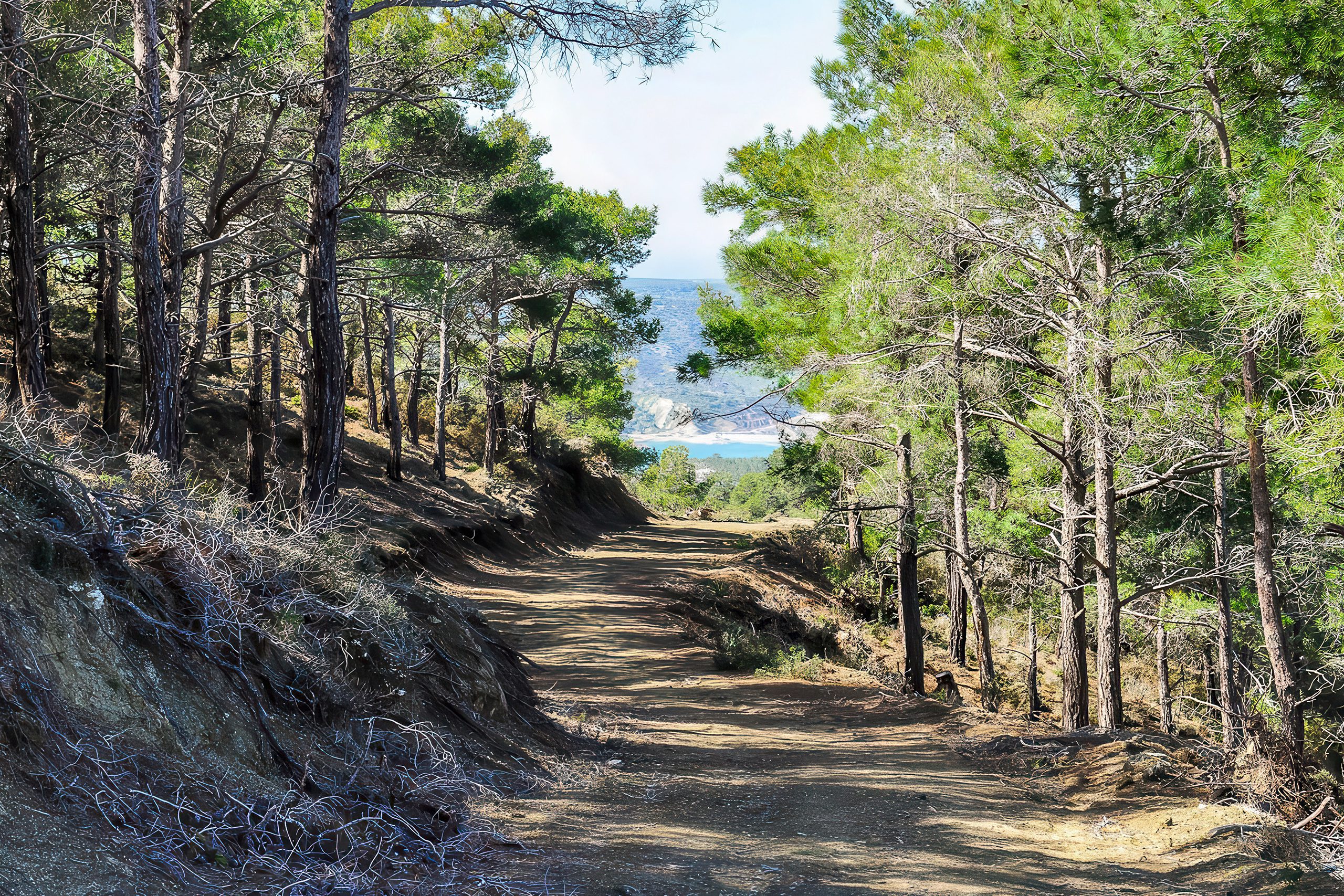
Black pine dominates above 1,400 meters, with trunks up to 40 meters tall and needles retaining moisture for fire resistance, averaging 500 trees per hectare in mature stands. Cyprus cedar, endemic with short needles for snow shed, clusters in 200-hectare stands, carbon-dated to 500 years old at Cedar Valley. These trees prevent soil erosion on 45-degree slopes, their roots binding volcanic soils rich in minerals but prone to runoff, reducing loss by 80% per Forestry Department data.
Fauna adapts: mouflon sheep (Ovis gmelini ophion), with 3,000 individuals per 2020 censuses, graze under canopies, while Cyprus warbler (Sylvia melanothorax) nests in scrub, with populations at 5,000 pairs. Biodiversity includes 140 endemic plants like Troodos sage, with forests hosting 400 bird species as migration stopovers.
Soil conservation benefits from litter decomposition, adding 5cm of humus yearly, enriching fertility for understory herbs. Fauna like the Troodos lizard camouflages in bark, with 10,000 sighted per surveys by the Herpetological Society.
Notable Aspects That Highlight Its Uniqueness
One captivating feature is Cedar Valley’s “whispering pines”—winds through needles create soothing sounds, a phenomenon studied for therapeutic effects by the University of Cyprus since 2015. Troodos cedars are genetically distinct, with DNA showing isolation since the Pleistocene, per 2008 research by the Nature Conservation Unit. The forests hold Cyprus’s oldest tree, an 800-year-old pine ring-dated in 1990s. And legends claim cedars were planted by angels for Saint Herakleidios, tying to 1st-century Christian myths in the Acts of Barnabas.
Fauna like the Cyprus spurge bee pollinates endemic flowers, with studies by the Agricultural Research Institute noting 20 bee species. Winters’ snow insulates roots, allowing spring blooms of 50 orchid species, a draw for botanists.
Deeper Environmental and Cultural Impacts
The forests’ pines and cedars conserve soil, reducing erosion by 80% on slopes per Forestry Department data, while their canopies lower temperatures by 5°C, creating microclimates for fauna. Endemic species like the Cyprus rock rose (Cistus monspeliensis) rely on this, with pollination networks supporting 20 bee species. This fosters biodiversity, with EU Life projects since 2010 restoring 500 hectares after fires.
Culturally, forests influenced myths like nymphs in cedars, and festivals like “Pine Harvest Day” in Platres celebrating timber. Socially, they provided livelihoods—Ottoman logging for ships, British forestry for economy—and architecture, with cedar wood for church roofs in over 50 Troodos sites. This climate’s balance has sustained ecosystems, with 400 bird species migrating through, but climate change risks 25% tree loss by 2050, per national models, prompting firebreaks and monitoring by the Environment Department.
Human impacts include ancient deforestation for copper smelting, with charcoal from 2500 BC mines at Skouriotissa showing extensive use, leading to erosion that reforestation reversed in the 20th century.
Mediterranean Pine and Cedar Forests in Cyprus Today
Troodos forests continue to define Cyprus’s interior, with pine and cedar stands supporting tourism—over 400,000 visitors annually for hikes to Cedar Valley. Heavy snowfall, now erratic from climate change, feeds dams supplying 15% of water, but reduced by 10% since 1990 per Meteorological Service data. Endemic species face threats, with conservation by the Forestry Department planting 100,000 trees yearly through EU funds. Fauna like mouflon benefits from anti-poaching, with populations rising to 3,000. Modern adaptations include eco-lodges using forest cools for natural air-conditioning, reducing energy by 30%. This woodland shapes identity, with festivals like “Troodos Nature Day” celebrating cedars, blending ancient rites with contemporary eco-education.
Opportunities for Exploration
Troodos National Forest Park offers trails to cedar groves, open year-round with free entry. Guided botany tours by the Cyprus Tourism Organization cost €15–20 to see endemic flora. Winter skiing at Olympus pairs with forest visits for fauna spotting. Spring orchid hikes in April include village stays for insights. Many sites have online cams for remote viewing.
A Woodland of Enduring Life
Mediterranean Pine and Cedar Forests (Troodos), with high-altitude endemics vital for soil and fauna, have defined Cyprus’s central diversity. This pattern’s balance has fostered unique habitats and human ingenuity, from ancient myths to modern challenges. Knowing it deepens appreciation for Cyprus as a resilient woodland haven. Engagement with its trees or species evokes wonder at nature’s heights. In a changing climate, it reminds of the need to safeguard this delicate balance.