The Agioi Saranta Cave Church stands as a sacred monument within the rugged landscape of Protaras. This sanctuary occupies a natural limestone cavern on Fanou Hill and overlooks the Mediterranean Sea. It represents a rare fusion of geological formation and ecclesiastical architecture.
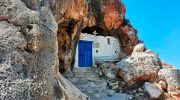
The name translates to the Holy Forty and honors the Forty Martyrs of Sebaste. These Roman soldiers died in the year 320 AD because they refused to renounce their Christian faith. Local tradition links the forty stalactites on the cave ceiling to these forty individuals.
Visitors find the entrance marked by a simple white wall and a distinct blue door. A stone dome sits atop the hill to provide a skylight for the interior space. This site offers a peaceful atmosphere for meditation away from the busy tourist centers of Cyprus.
- Historical Origins and Dedication
- Architectural and Geological Features
- Location and Strategic Importance
- The Spiritual Experience of Visitors
- Cultural Impact and Local Traditions
- Guidance for Future Travelers
- Scientific and Natural Context
- Preservation and Future Outlook
- Seasonal Changes and Local Flora
Historical Origins and Dedication
The roots of the Agioi Saranta Cave Church date back to the early Christian period though some sources suggest more formal establishment in the sixteenth century. Christian monks likely utilized this space as a secluded retreat to avoid persecution or distraction. It serves as a testament to the endurance of the Orthodox faith throughout different eras of Cypriot history.
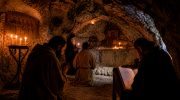
The dedication to the Forty Martyrs of Sebaste provides a deep theological connection to the site. These martyrs belonged to the Legio XII Fulminata and faced exposure in a frozen lake near Sebaste. Their steadfastness remains a central theme for the pilgrims who visit this cave. Every year on March 9, the local community gathers here to celebrate the feast day of these saints.
Architectural and Geological Features
This church lacks the typical grand structure of a cathedral. The natural cave walls remain largely untouched to preserve the original rock face. Only the floor has received a stone pavement to facilitate movement for visitors and worshippers.
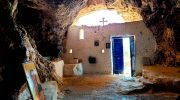
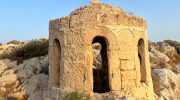
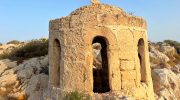
A primary architectural feature is the stone cupola or drum dome located on the roof. This structure covers a natural opening in the cave ceiling and allows sun rays to illuminate the interior. The soft light creates a mystical effect as it interacts with the shadows on the rough stone.
The interior space is modest and contains few traditional church elements. There is no large iconostasis but rather simple icons placed in the natural crevices of the stone walls. Simple wooden benches and a small altar complete the functional requirements of the chapel. The forty stalactites hanging from the ceiling serve as natural icons for the forty martyrs.
Location and Strategic Importance
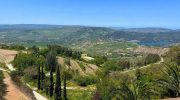
The church sits in a wild and rocky area between the resorts of Ayia Napa and Protaras. It occupies a high vantage point on Fanou Hill that provides panoramic views of Paralimni and Cape Greco. The secluded nature of the site makes it a hidden gem for those who prefer quiet exploration.
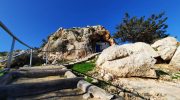
Access to the church involves a dirt road that winds through the Mediterranean scrub. Many visitors choose to hike the trail to appreciate the local flora like wild herbs and hardy shrubs. The journey itself reflects a small pilgrimage through the natural beauty of the island.
The Spiritual Experience of Visitors
The Agioi Saranta Cave Church is known for its unique acoustic properties. The natural stone walls amplify sound and create an ethereal echo for prayers or whispers. This auditory environment enhances the sense of reverence for those who enter.
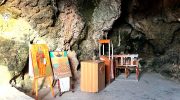
Many visitors light a candle and leave a small donation or a prayer note inside. The absence of permanent clergy allows for a personal and private spiritual encounter. The cool temperature inside the cave offers physical relief from the intense Cypriot sun.
Cultural Impact and Local Traditions
This site holds significant value for the local Greek Orthodox population. It serves as a physical link to the early history of Christianity in the region. The preservation of the cave in its natural state emphasizes the harmony between faith and the environment.
Legend tells of a miraculous event where water gushed from the cave during a severe drought to save the parched land. Such stories add to the sacred aura of the location and draw people who seek solace. The church remains a functional religious site where liturgical services take place on specific feast days.
Guidance for Future Travelers
The best time to visit this cave church occurs during the spring or early autumn. March to May provides mild weather and the opportunity to see blooming wildflowers along the path. September and October offer a quieter experience as tourist numbers decrease.
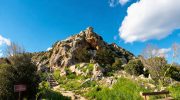
Travelers should use sturdy shoes due to the uneven and sometimes slippery terrain of the cave. High ground clearance vehicles like pickup trucks or quad bikes handle the dirt road more effectively than standard cars. The location is often found near the Moonshine Ranch or the Profitis Elias Church.
Scientific and Natural Context
The geological formation of the cave likely spans millions of years. Limestone caves in Cyprus often result from the slow dissolution of rock by water. The stalactites continue to grow at a slow rate through the deposition of minerals.
This site demonstrates the creative adaptation of natural architecture by human communities. Instead of building a new structure the early Christians utilized what the earth provided. This choice reflects a practical and humble approach to sacred space.
Preservation and Future Outlook
The Agioi Saranta Cave Church has remained unchanged for centuries. Its status as a lesser known site helps to prevent the wear and tear associated with heavy tourism. Continued respect for the rules of the site ensures that it will remain a peaceful retreat for future generations.
Local authorities and the Orthodox Church maintain the path and the basic structures of the chapel. The simple blue door and white walls receive regular upkeep to retain their iconic appearance. The site stands as a symbol of hope and perseverance for the local community.
Seasonal Changes and Local Flora
The environment around the cave church shifts dramatically with the passage of the four seasons. During the winter months the limestone rock absorbs moisture and allows for the growth of lush green mosses and lichens around the entrance. The surrounding fields turn a vibrant green and provide a stark contrast to the white stone walls of the chapel facade. Rainwater filters through the rock layers and sometimes increases the drip rate from the stalactites inside the cave.
This natural cycle reinforces the connection between the physical earth and the spiritual atmosphere of the sanctuary. As summer approaches the landscape adopts a more rugged and arid appearance characterized by the scent of wild thyme and oregano. The heat of the Mediterranean sun reflects off the pale rock surfaces and makes the cool interior of the cave a welcome refuge for hikers.
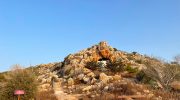
Hardened shrubs and small bushes provide habitat for local wildlife like lizards and migratory birds that pass through Cyprus on their way to Africa. This biodiversity adds an extra layer of interest for visitors who appreciate the natural world as much as historical monuments. The site functions as a small nature reserve where the footprint of human activity remains minimal and respectful of the local ecosystem.