All Articles

Cliffs and Headlands of Akamas Peninsula

Cliffs and Headlands of Akamas Peninsula

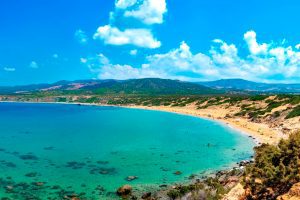
The Akamas Peninsula juts into the Mediterranean Sea at Cyprus's northwestern tip, covering 230 square kilometres of protected wilderness. Akamas represents the last significant untouched coastal area on Cyprus, a roadless peninsula where development remains minimal and natural processes continue largely undisturbed. The area extends from the town of Peyia in the south to Polis Chrysochous in the northeast, with the actual headland pointing west into open Mediterranean waters. Unlike most of Cyprus, which shows clear evidence of thousands of years of human modification, Akamas retains a wild character through a combination of difficult terrain, limited water resources, and protective designations. Until 2000, the British Army used Akamas as a training ground and firing range under the 1960 Treaty of…

Read more

Agricultural Landscapes of Cyprus

Agricultural Landscapes of Cyprus

Olive Groves, Vineyards, and Citrus Orchards Acting as Semi-Natural Habitats for Birds, Insects, and Pollinators Agricultural Landscapes as Modified Ecosystems in Cyprus represent human-altered terrains where traditional farming practices blend with natural processes, creating semi-natural habitats that support diverse wildlife. These landscapes, dominated by olive groves, vineyards, and citrus orchards, cover significant portions of the island's rural areas, providing food, shelter, and breeding grounds for birds like the Sardinian warbler, insects such as wild bees, and pollinators including carpenter bees. They illustrate Cyprus's agricultural heritage, where centuries of cultivation have shaped ecosystems that balance productivity with biodiversity, offering resilience in a Mediterranean climate prone to drought and erosion. https://www.youtube.com/watch?v=EliOkuH_qcQ A Modified Agricultural Mosaic Agricultural landscapes in Cyprus form a patchwork…

Read more
Agios Lazaros Church Larnaca

Agios Lazaros Church Larnaca

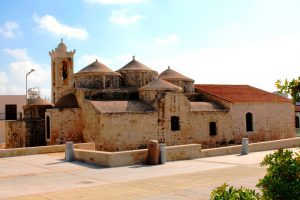
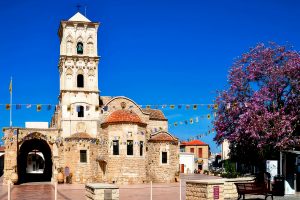
Agios Lazaros Church, located in central Larnaca, is one of the most prominent medieval landmarks in Cyprus. The structure was built in the late 9th or early 10th century over a site traditionally associated with an ancient burial chamber linked to the historical figure Lazarus, a name widely referenced in early Mediterranean religious texts. The building is considered an important example of Byzantine-era architecture on the island and continues to attract interest for its historical, artistic, and archaeological significance. Historical Background According to long-standing tradition, the site is connected to Lazarus, a figure mentioned in early religious writings from the eastern Mediterranean. These traditions describe his arrival in Cyprus during the early centuries AD and his association with the ancient…

Read more
Agia Paraskevi Necropolis

Agia Paraskevi Necropolis

The Agia Paraskevi necropolis is an extensive Bronze Age burial ground located approximately half a mile north of the Church of Agia Paraskevi in the Nicosia district. The site occupies the edge of a plateau southwest of Cyprus's modern capital. It takes its name from the nearby Byzantine church. This cemetery was used continuously throughout the Early and Middle Bronze Age periods, roughly from 2400 BCE to 1100 BCE. The site contains hundreds of rock-cut chamber tombs where ancient communities buried their dead along with pottery, tools, jewelry, and other grave goods. These artifacts provide detailed information about how Cypriots lived, traded, and organized their societies during prehistoric times. The necropolis is particularly important because it represents the burial ground…

Read more
After Dark Cyprus Electronic Music Youth Culture

After Dark Cyprus Electronic Music Youth Culture

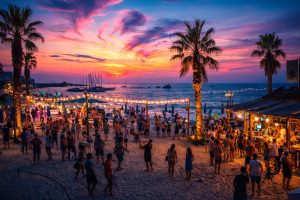
Cyprus is often described through sunlight and antiquity, but after dark, the island tells a different story. In Limassol, Ayia Napa, and Nicosia, electronic music has become one of the clearest ways younger generations explore identity, connection, and modern life. These scenes are not just about nightlife. They are social spaces where global culture meets local rhythm, and where youth culture becomes visible in sound, movement, and shared experience. Nightlife as a Social Language At a basic level, Cyprus’s electronic nightlife exists through clubs, bars, open-air venues, and seasonal festivals. On a deeper level, it functions as a social language. Dancefloors create temporary communities where people meet without introductions, differences flatten under shared rhythm, and belonging is felt rather than…

Read more
Cyprus Greek Dance Music

Cyprus Greek Dance Music

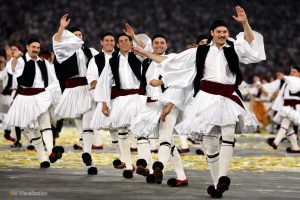
Greek and Cypriot dance music is not background sound. It is structure, instruction, and memory working at the same time. Across villages, islands, and generations, specific rhythms have guided how people move together, celebrate together, and mark life’s most important moments. This article explains how three core dance forms, Syrtos, Sousta, and Ballos, shape the musical language of Cyprus and Greece, why their rhythms matter, and how they continue to function not as performances, but as social glue. Music That Tells the Body What to Do In Greek and Cypriot tradition, dance music is practical before it is expressive. Its primary job is not to impress the listener, but to tell the dancer when to step, pause, turn, or leap.…

Read more
Traditional Cypriot Dances Spoke Without Words

Traditional Cypriot Dances Spoke Without Words

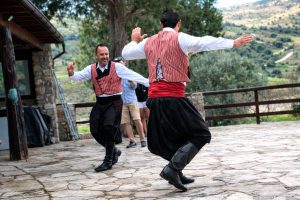
Long before dating, private meetings, or casual conversation between young men and women were socially acceptable, Cyprus had another system. It happened in village squares (Omodos Village Square), at weddings, and during festivals. It used rhythm instead of language and movement instead of promises. Through paired dances such as the Sousta and Antikristos, Cypriot communities created a public, structured way for courtship to unfold, allowing interest, character, and respect to be displayed openly while remaining within strict social boundaries. These dances were never casual entertainment. They were carefully coded social encounters, understood by everyone watching. Face to Face, but Never Too Close At the heart of Cypriot courtship dancing is a simple idea: two people facing one another. The Antikristos,…

Read more
Tombs of the Kings Paphos Roman Burials

Tombs of the Kings Paphos Roman Burials

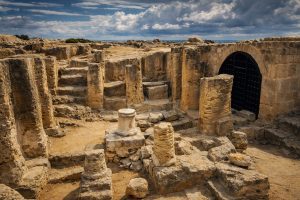
The Tombs of the Kings is an ancient burial complex in Paphos featuring underground chambers carved from solid rock. Located 2 kilometers north of Paphos harbor, this UNESCO World Heritage Site contains elaborate tombs used by high-ranking officials and aristocrats from the 3rd century BC to the 3rd century AD. The site consists of a large necropolis spread across a wide area overlooking the Mediterranean Sea. Despite the name, no actual kings were buried here. The Cypriot monarchy was abolished in 312 BC, before most of these tombs were constructed. The name comes from the impressive size and grand architectural design of the burial chambers, which were considered worthy of royalty. The tombs served as the cemetery for Nea Paphos,…

Read more
Troodos Monasteries and Chapels

Troodos Monasteries and Chapels

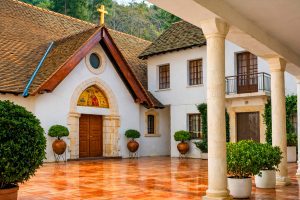
The Troodos region painted churches represent a group of ten medieval monuments built between the 11th and 16th centuries across the mountainous interior of Cyprus. These structures include small rural chapels and former monastic churches, all known for two defining features: richly preserved interior fresco programs and steep-pitched timber roofs adapted to local climate conditions. Nine of the churches are located in the Nicosia District, while one example, the Church of Timios Stavros in Pelendri, is located in the Limassol District. Together, they form one of the most important surviving collections of Byzantine and post-Byzantine mural painting in Cyprus. Historical Background Cyprus became fully integrated into the Byzantine administrative system in 965 AD after the reconquest of the island by…

Read more