Agios Lazaros Church Larnaca

4 minutes read See on map

Agios Lazaros Church, located in central Larnaca, is one of the most prominent medieval landmarks in Cyprus. The structure was built in the late 9th or early 10th century over a site traditionally associated with an ancient burial chamber linked to the historical figure Lazarus, a name widely referenced in early Mediterranean religious texts.
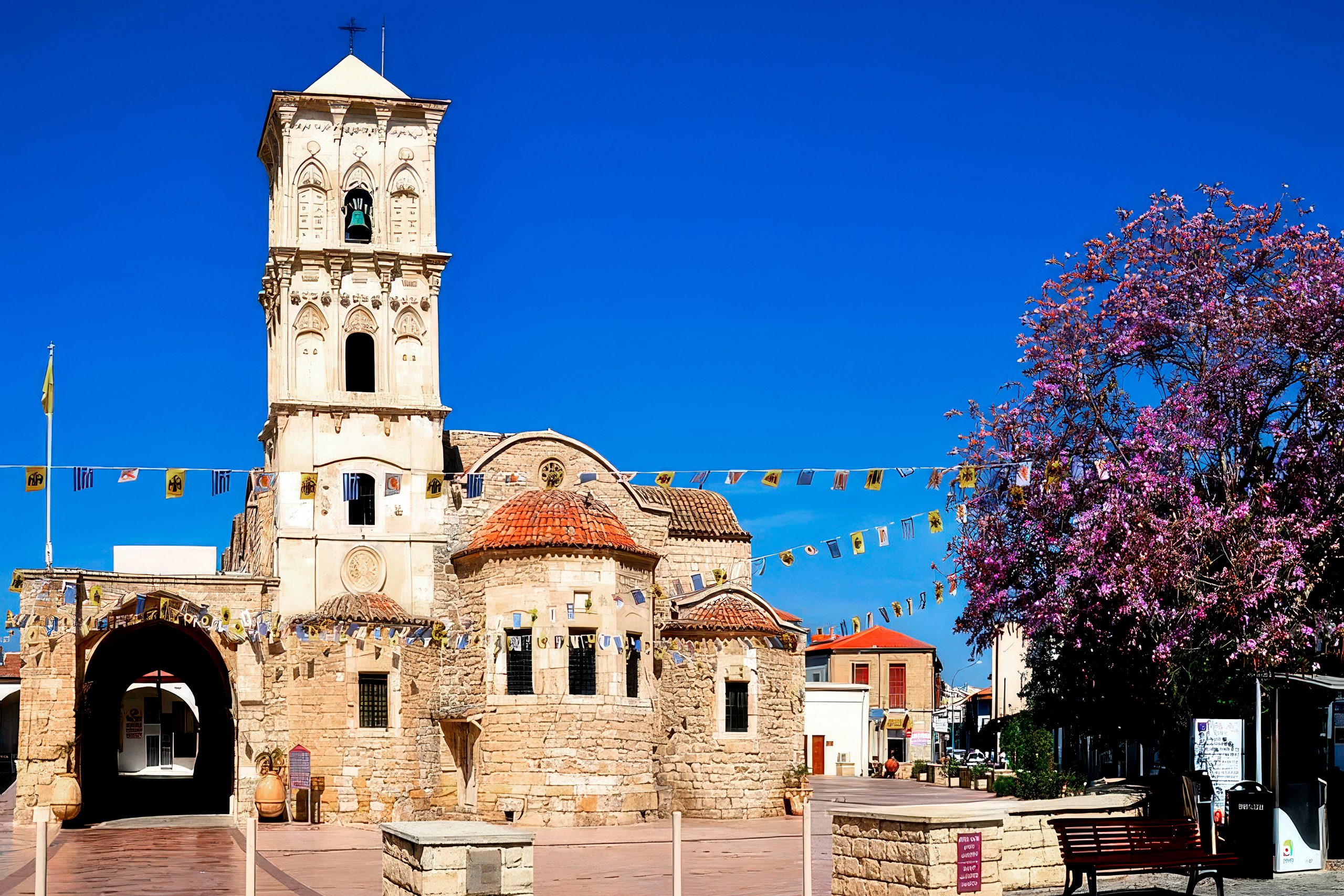
The building is considered an important example of Byzantine-era architecture on the island and continues to attract interest for its historical, artistic, and archaeological significance.

Historical Background

According to long-standing tradition, the site is connected to Lazarus, a figure mentioned in early religious writings from the eastern Mediterranean. These traditions describe his arrival in Cyprus during the early centuries AD and his association with the ancient settlement of Kition (modern Larnaca).
STELLAgloballookpress.com

Historical accounts suggest that during the Arab period (7th–10th centuries), knowledge of the original burial location was gradually lost. In 890 AD, a tomb discovered in Larnaca bearing an inscription referencing Lazarus brought renewed attention to the site.

Architectural Features and Transformation Through History

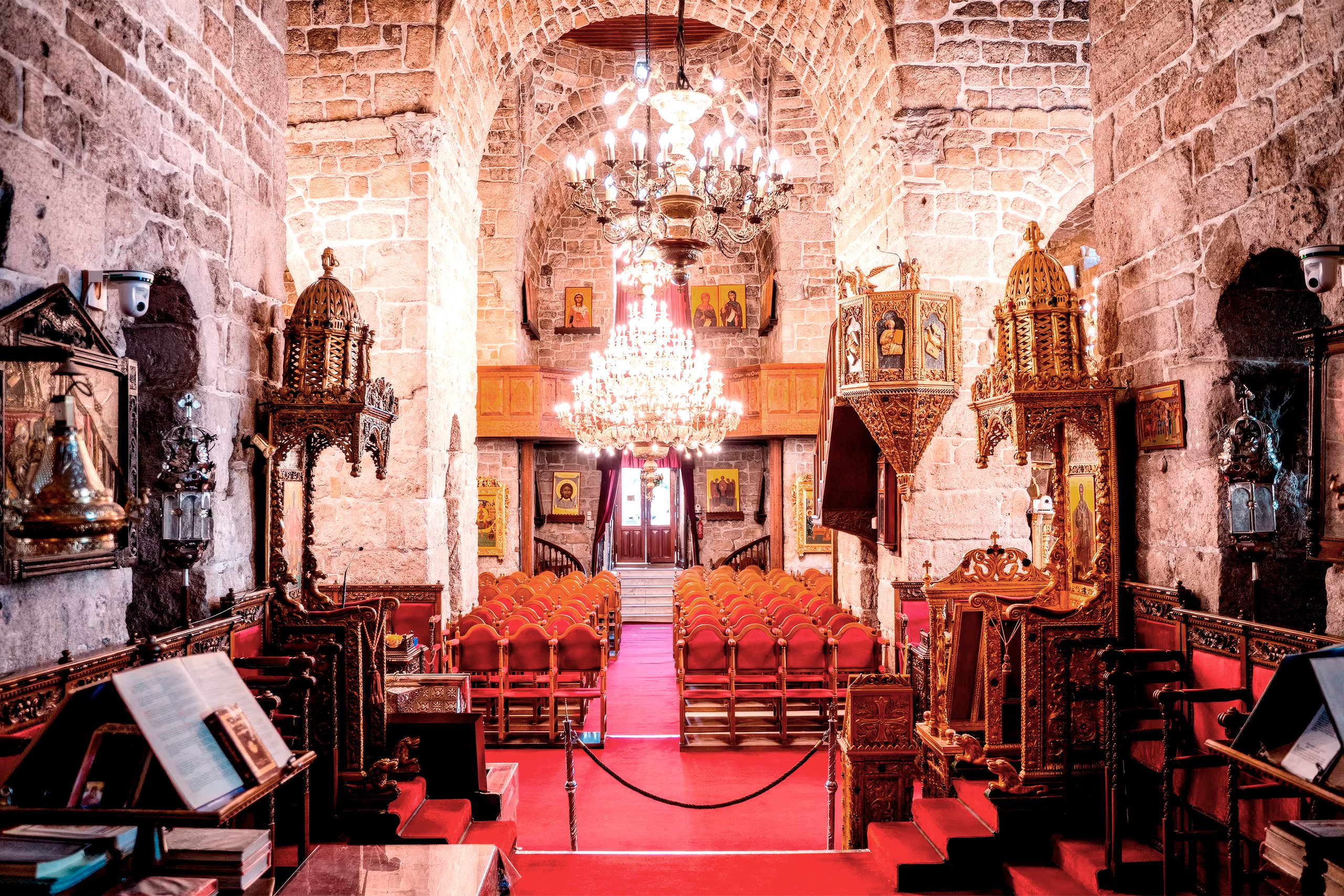
The church is built from local limestone and follows a basilica-style plan with three aisles supported by thick stone pillars. The central aisle is covered by domes, while the side aisles use vaulted roofing systems.

Originally, the building is believed to have had three domes, a rare architectural feature in Cyprus. These were later altered or removed during various phases of reconstruction, particularly during the early Ottoman period.
agioslazaros.org2

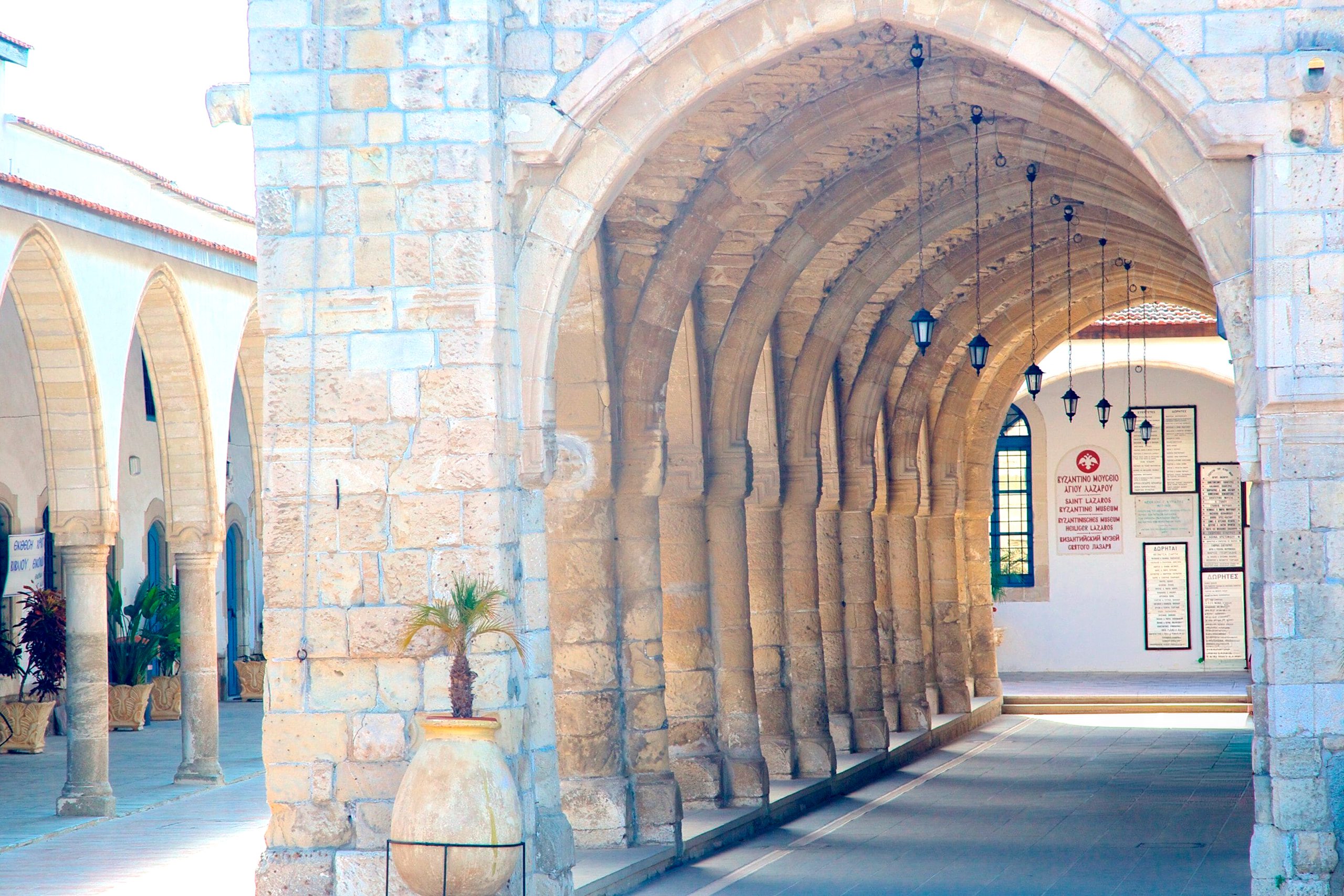
In later centuries, the structure underwent multiple transformations under different administrations, including additions during the Frankish and Venetian periods. A Gothic-style portico was added on the southern side, and a bell tower was reconstructed in the 19th century after earlier destruction. The interior reflects this layered history, combining Byzantine foundations with later European architectural influences.

Interior Design and Artistic Heritage

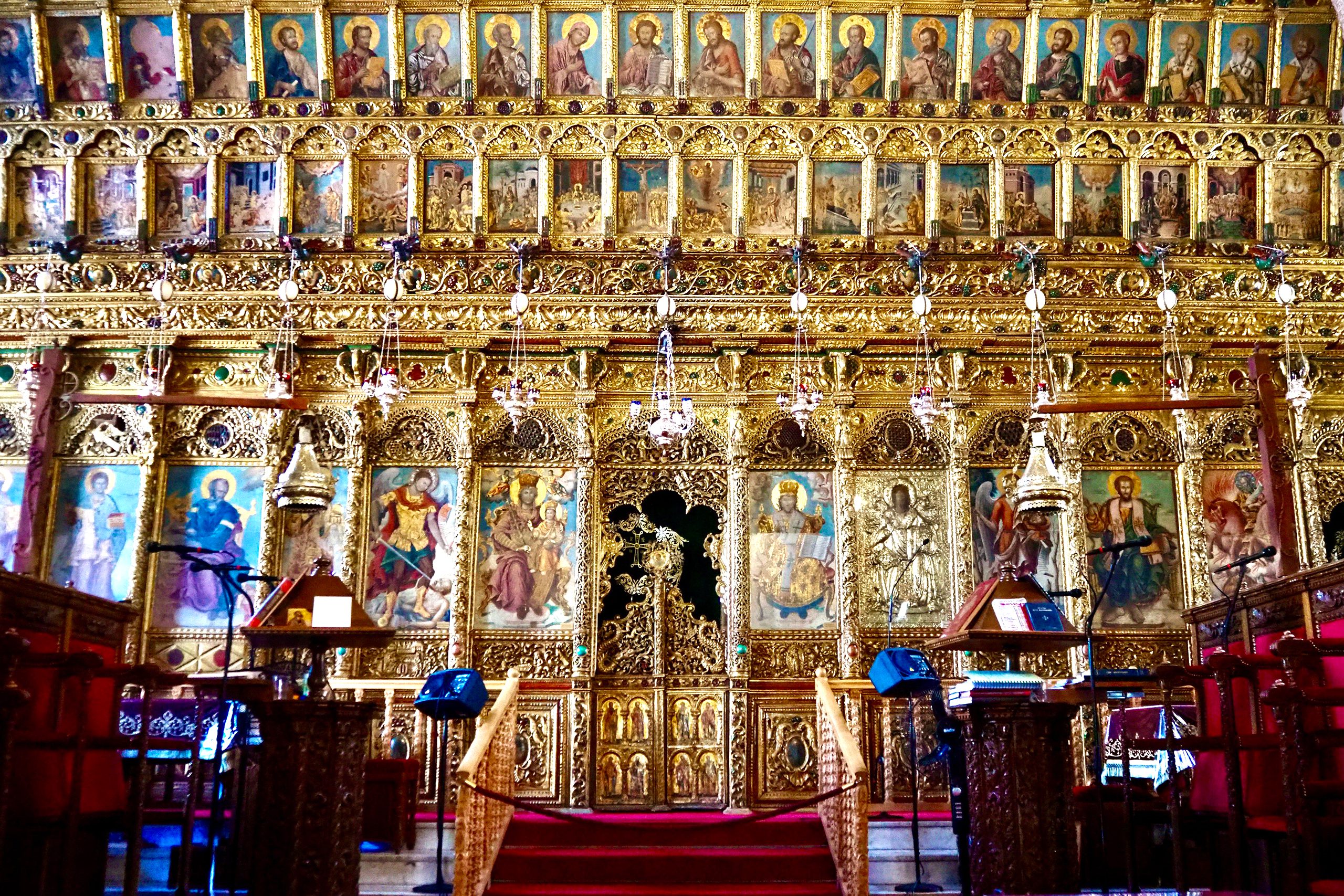
One of the most notable features of the church is its richly decorated wooden icon screen, created between 1773 and 1782 by Cypriot artisans. It was later gilded and enhanced between 1793 and 1797, representing one of the finest examples of baroque-style woodcarving on the island. Several icons were produced by local painters in the late 18th century, contributing to the artistic character of the interior.
flickr.com

Despite a fire in 1970 that caused significant damage, restoration efforts in the early 1970s preserved and repaired much of the structure, including sections of the icon screen. The church also retains older furnishings, including carved wood elements and seating structures used during different historical periods.

1972 Archaeological Discovery

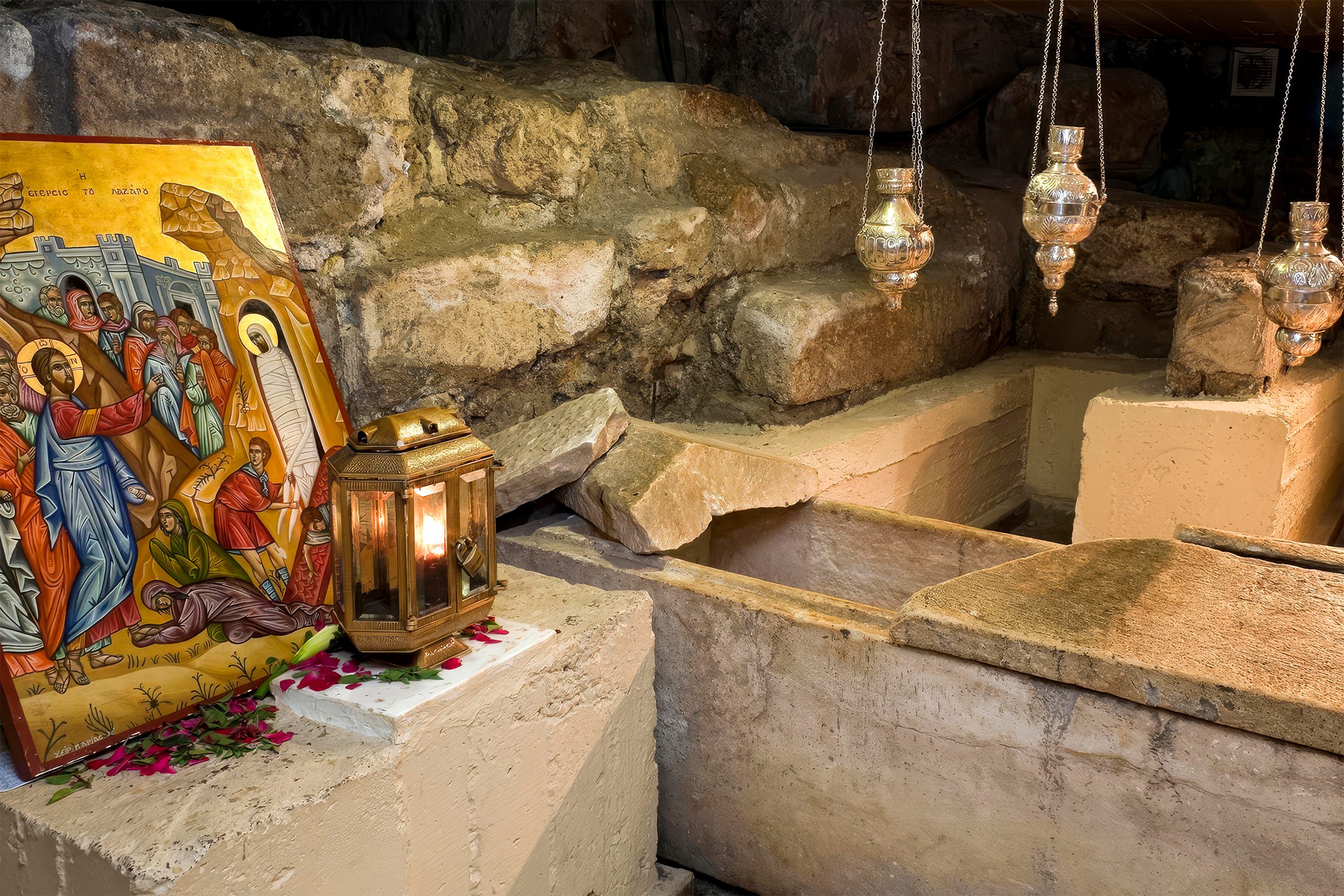
During restoration work following the 1970 fire, excavations beneath the altar uncovered a marble sarcophagus containing human remains. The discovery attracted significant archaeological interest and added new dimensions to the historical understanding of the site.

The sarcophagus remains visible in the crypt beneath the church and is accessible via a staircase from the main hall. This finding strengthened the site’s importance as a place of historical memory and archaeological study.

Visiting Agios Lazaros Church

The church is located in the heart of Larnaca, within walking distance of the Finikoudes promenade.
expedia.co

Opening hours (typical):

  • Monday–Friday: 08:00–12:30, 14:30–17:30
  • Saturday–Sunday: 08:00–17:30

Entry is free, and visitors are expected to follow modest dress guidelines due to the site’s cultural and historical status. The crypt can be accessed via a staircase inside the building. A small museum next to the church displays religious art, historical objects, and artifacts connected to the site’s long history. Photography is generally permitted but should be done respectfully, especially inside the main hall.

Why This Church Matters to Cyprus

Agios Lazaros Church is significant not only for its architectural value but also for its long and continuous use across multiple historical periods. The structure reflects the evolution of Larnaca from an ancient coastal settlement into a major cultural center in Cyprus.

Its layered architecture, archaeological discoveries, and preserved artistic elements make it an important reference point for understanding the island’s medieval development. Today, the church stands as a cultural monument representing centuries of change, preservation, and adaptation within Cypriot history.
Discover more about the fascinating edges of Cyprus

Panagia Kanakaria Monastery Cyprus

Panagia Kanakaria Monastery Cyprus

Panagia Kanakaria Church is an early Byzantine-era religious structure located in the village of Lythrangomi on the Karpas Peninsula in northeastern Cyprus. The site is widely recognized as one of the most important surviving examples of early Byzantine ecclesiastical architecture and decorative art on the island. Constructed originally in the 5th or 6th century AD, the church reflects the early development of basilica-style architecture in Cyprus during the Byzantine period. It was built within a settlement that was connected to nearby ancient urban and rural communities, some of which date back to the Hellenistic and Roman eras. Historical Background The earliest phase of the structure is believed to date to the 5th century AD, when a simple wooden-roofed basilica was constructed with a single apse. Archaeological evidence suggests that materials from earlier nearby settlements were reused in its construction, a common practice in Late Antiquity across the eastern Mediterranean. During the 11th century, the building underwent major architectural expansion. The original basilica was modified into a more complex structure, including additional aisles, vaulted sections, and a dome. These changes reflect broader architectural trends in Byzantine Cyprus, where many ecclesiastical buildings were enlarged or reinforced as communities grew and resources became available. A narthex was later added during the 12th century, creating a transitional space between the exterior environment and the…

Read more
Nea Paphos Basilica Mosaics

Nea Paphos Basilica Mosaics

The basilica mosaics of Nea Paphos show how Cyprus shifted from Roman myth culture to Christian worship without abandoning its strongest visual craft. Using familiar techniques, artists replaced narrative gods and heroes with symbols, vines, animals, and geometry that guided movement and reinforced theology inside new communal basilicas. This article explains how the change happened across key churches in Kato Paphos, what motifs were repurposed, and why these floors remain one of the clearest records of cultural adaptation on the island. Mosaics You Miss at First Long before Christianity reached Cyprus, Nea Paphos was already a city of mosaics. As the island’s administrative capital during the Hellenistic and Roman periods, it developed a strong tradition of floor decoration in elite houses and public buildings. Mythological scenes, hunting imagery, marine creatures, and geometric borders filled the villas of wealthy residents. This matters because the Christian mosaics did not appear in isolation. The artisans, materials, and techniques were already present. What changed was not the craft, but the message. When Christianity began to take hold in the 4th century, the language of mosaics was repurposed rather than replaced. Paphos Already Knew Mosaic Luxury The most dramatic shift brought by Christianity was not stylistic, but spatial. Pagan mosaics belonged largely to private homes, where they reinforced status, education, and cultural identity. Christian mosaics…

Read more
St. Hilarion Castle

St. Hilarion Castle

St. Hilarion Castle stands 732 meters above sea level in the Kyrenia mountain range of Cyprus. This medieval fortress features stone walls and towers that appear to grow directly from the rocky peaks. Located just off the main Kyrenia to Nicosia highway, the castle commands the mountain pass between the coast and the central plain. The castle is the best preserved of three Byzantine strongholds built along the Kyrenia mountain range, the others being Kantara to the east and Buffavento further west. The fortress consists of three main sections built at different elevations on the mountainside. The lower ward contained stables and living quarters for soldiers. The middle ward housed royal apartments, kitchens, a church, and a large cistern for water storage. The upper ward, surrounded by 1.4-meter-thick Byzantine walls made of rough masonry, served as the royal residence and includes Prince John's Tower perched on a rocky cliff. Historical Background The castle takes its name from an obscure Christian hermit who fled to Cyprus after the Arab conquest of the Holy Land in the 7th century. This saint, known for living in a cave on the mountain, is not the same as the more famous St. Hilarion, who was active in Palestine and died near Paphos in 371 AD. Local tradition holds that the hermit spent his final years…

Read more