All Articles

Tombs of the Kings

Tombs of the Kings

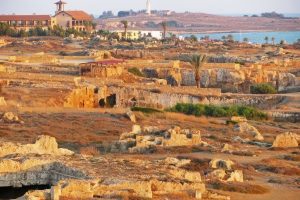
The Tombs of the Kings is a large necropolis that served the ancient city of Nea Paphos from the 3rd century BCE to the 3rd century CE. The site covers approximately 1.2 square kilometers in the northwestern part of the city, just outside the ancient fortifications. Eight major tomb complexes have been excavated, along with numerous smaller burial chambers. These monuments were built for Ptolemaic officials and aristocratic families who governed Cyprus during the Hellenistic period. The royal institution had been abolished in 312 BCE, so no actual kings were buried here. The name comes purely from the impressive scale and elaborate architecture of the tombs themselves. When early visitors saw these underground structures with their Doric columns and painted…

Read more

Cyprus Street Music Festivals

Cyprus Street Music Festivals

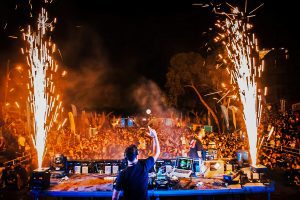
In Cyprus, street music festivals transform ordinary streets, squares, and promenades into shared cultural spaces where sound is free, public, and woven into daily movement. Unlike formal concerts held behind walls and tickets, these events unfold directly within the urban fabric, allowing residents and visitors to encounter music while walking, gathering, or simply passing through. The city does not just host the festival. It becomes the festival. What makes these festivals distinctive is not only the music, but the way they blur boundaries. Performers and audiences share the same ground. Music spills into cafés, markets, and waterfronts. The street, normally shaped by commerce and traffic, becomes a temporary stage for collective experience. Why the Street Matters in Cyprus In Cyprus,…

Read more
Sheftalia Cypriot Sausage Tradition

Sheftalia Cypriot Sausage Tradition

Sheftalia looks like a sausage, but it behaves very differently. There is no casing to snap, no neat uniformity, and no attempt to imitate anything else in the Mediterranean. Instead, minced meat, herbs, and onion are wrapped loosely in caul fat and cooked slowly over charcoal, producing something softer, juicier, and unmistakably Cypriot. This is a dish shaped by village logic rather than factory precision. Its endurance comes from how well it fits the island’s rhythms of cooking, gathering, and shared meals. To understand sheftalia is to understand how Cyprus turns necessity into identity. Built Around Fire, Not Convenience Sheftalia is inseparable from the grill. It is not cured, dried, or stored. It is mixed, wrapped, and cooked fresh, usually…

Read more
Cyprus Shepherd Calls

Cyprus Shepherd Calls

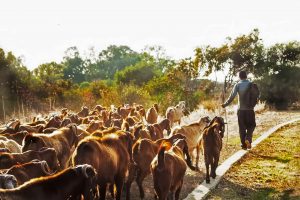
Shepherd Calls and Vocal Signals are non-musical vocal expressions integral to pastoral life in Cyprus, forming a unique soundscape shaped by the island's landscape and herding traditions. These calls, including whistles, shouts, and melodic cries, serve practical purposes like directing flocks or communicating across distances, while carrying cultural depth. This practice preserves ancient methods of interaction with nature, highlighting how sound connects livelihood, environment, and community in Cypriot rural heritage. An Acoustic Tradition of the Countryside Shepherd calls and vocal signals represent a functional form of communication in Cypriot pastoralism, where sounds replace words to manage livestock and navigate terrain. These expressions, devoid of formal melody, rely on pitch, volume, and timbre to convey commands or alerts. In the island's…

Read more
Semi-Arid Inland Plains Climate (Mesaoria)

Semi-Arid Inland Plains Climate (Mesaoria)

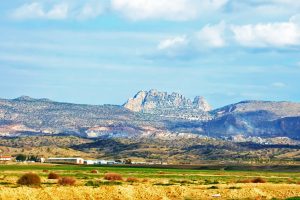
Semi-Arid Inland Plains Climate (Mesaoria) is characterized by low rainfall and hot summers, a pattern that has shaped Cyprus's central lowlands with drought-resistant vegetation and adapted agricultural practices. This climate, with annual precipitation under 350mm and temperatures soaring above 40°C in July-August, creates a landscape of dry riverbeds, thorny shrubs, and resilient crops like barley. It influences everything from biodiversity to human settlement, highlighting how the island's interior has fostered unique ecosystems and cultural responses to aridity. A Harsh Yet Resilient Inland Environment The Mesaoria Plains, often called the "breadbasket" of Cyprus, span the island's central region between the Troodos and Kyrenia Mountains, covering approximately 2,500 square kilometers. This semi-arid zone experiences extreme seasonal contrasts, where scorching summers give way…

Read more
Mount Olympus Cyprus

Mount Olympus Cyprus

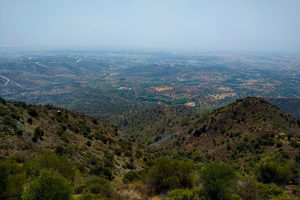
Mount Olympus, also called Chionistra in Greek, represents the highest point on an island better known for beaches than mountains. The peak sits within the Troodos range, a vast expanse of pine forests, rocky slopes, and endemic wildlife that covers roughly a third of Cyprus. Unlike its famous Greek namesake associated with Zeus and the ancient gods, Cyprus's Olympus tells a different story through geology, nature, and seasonal transformation. The mountain serves multiple purposes throughout the year. In winter, it becomes the only ski destination in Cyprus. During warmer months, hikers take to trails that wind through black pine forests and offer panoramic views across the entire island. The summit itself houses British and Cypriot radar stations, making the actual…

Read more
Cyprus Museum of Natural History (Nicosia)

Cyprus Museum of Natural History (Nicosia)

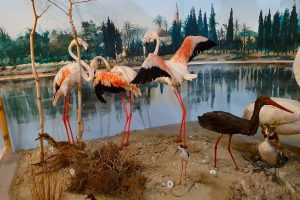
The Cyprus Museum of Natural History is the largest natural history exhibition in Cyprus. Located on the outskirts of Nicosia within the grounds of the Carlsberg Brewery, the museum displays approximately 2,500 exhibits that showcase the island's geology, flora, and fauna. Since its inauguration in 1996, the museum has welcomed thousands of visitors annually and serves as an educational resource for understanding Cyprus's natural heritage. Historical Background The Photos Photiades Charity, Scientific and Cultural Foundation established the museum as part of its mission to benefit the public through educational and cultural projects. Former President of the Republic of Cyprus Glafkos Clerides inaugurated the facility on May 29, 1996. The museum was the first institution of its kind on the island,…

Read more
Astarte Cyprus Religion

Astarte Cyprus Religion

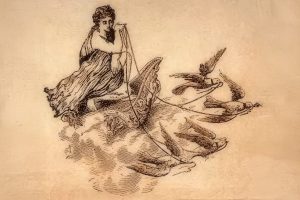
Origins and Divine Character Astarte was one of the most prominent goddesses of the ancient Near East, worshipped across regions such as Phoenicia, Syria, and Mesopotamia long before her influence reached the Mediterranean islands. She embodied a complex divine character, associated with fertility, sexuality, political power, and war. Unlike deities confined to a single sphere, Astarte represented a broad spectrum of life forces, from generative vitality to martial strength. Her worship reflected societies in which reproduction, protection, and sovereignty were inseparable concerns. Over time, her cult traveled westward through trade networks and cultural exchange, eventually reaching Cyprus, where it played a decisive role in shaping the island’s religious landscape. In Near Eastern tradition, Astarte was linked to celestial symbolism, often…

Read more
Choirokoitia Settlement

Choirokoitia Settlement

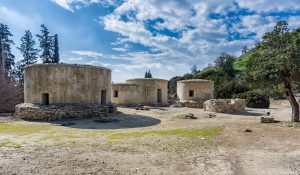
Choirokoitia Settlement is a remarkable Neolithic village on Cyprus's southern coast, dating back to around 7000 BC, where early humans first built permanent homes and formed communities. Recognized as the most important site of its kind in the eastern Mediterranean, it reveals how people shifted from wandering hunters to settled farmers, laying foundations for civilization. This ancient spot whispers stories of innovation and survival, sparking interest in humanity's shared journey toward organized life. turbinatravels-com A Window into Early Human Life Choirokoitia stands as one of the earliest and best-preserved examples of a settled Neolithic community in the region, offering a detailed look at the transition from nomadic existence to village life. Located in the Larnaca District on a hillside overlooking…

Read more