All Articles

Larnaca Fort Cyprus

Larnaca Fort Cyprus

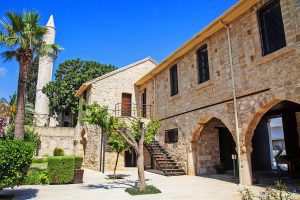
Larnaca Fort is a coastal defensive structure that started as a Byzantine fortification and took its current form during Ottoman rule in the 17th century. The fort sits directly on the waterfront at the western edge of one of Cyprus's most popular seaside promenades. Despite its modest size compared to larger Cypriot castles like Kyrenia or Kolossi, the fort played an essential role in protecting Larnaca harbour and the southern coast from pirates and invaders. Today, it houses the Larnaca Medieval Museum and hosts cultural events in its courtyard. Historical Background Archaeological evidence suggests the Byzantines built a small fortification on this site in the late 12th century. Larnaca, known in ancient times as Kition, had been inhabited since the…

Read more
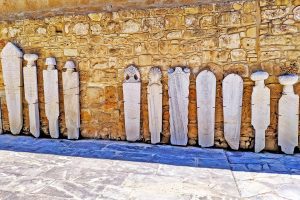
Larnaca Salt Lake Cyprus

Larnaca Salt Lake Cyprus

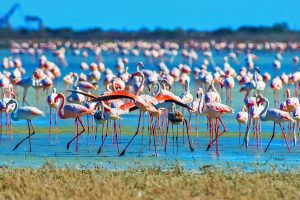
Larnaca Salt Lake is a complex network of four salt lakes of different sizes to the west of the city of Larnaca. The largest is Lake Aliki, followed by Lake Orphani, Lake Soros, and Lake Spiro. Three of these lakes interconnect to form the second largest salt lake complex in Cyprus after Limassol Salt Lake. The total surface area of the lakes adds up to 2.2 square kilometers, positioned between Larnaca International Airport and the historic Hala Sultan Tekke mosque. This location makes the salt lake one of the most visible natural landmarks for anyone arriving in Cyprus by air. Historical Background Archaeological finds show that the salt lake area has been inhabited since the Late Bronze Age, with a…

Read more
Larnaca Medieval Museum

Larnaca Medieval Museum

The Larnaka Medieval Museum offers visitors a compact yet fascinating journey through 15 centuries of Cypriot history. Located on the second floor of the Medieval Fort at the end of Foinikoudes promenade, this small museum houses a carefully selected collection that spans from the Early Christian period to Ottoman rule. The museum occupies three rooms within the fort's upper level, a structure that itself tells a story of Cyprus's layered past. The building sits directly on Larnaca's waterfront, where the Mediterranean laps against stone walls that have witnessed centuries of change. The location proves as significant as the exhibits themselves. The fort began as a small Byzantine fortification in the late 12th century, positioned to guard the harbour. Between 1382…

Read more
Lefkara Lace (Lefkaritika)

Lefkara Lace (Lefkaritika)

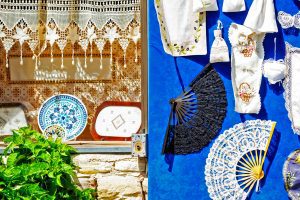
Lefkara Lace (Lefkaritika) is a world-renowned handmade lace tradition from Cyprus, distinguished by its geometric precision, white-on-white stitching, and centuries-old transmission through female artisans. Originating in the village of Lefkara, this craft blends intricate patterns that symbolize nature and life, creating delicate textiles prized for their elegance and cultural depth. Recognized by UNESCO as intangible cultural heritage in 2009, it represents Cyprus's enduring artisanal legacy, where women's hands have woven history into fabric for generations. A Timeless Craft of Elegance and Skill Lefkara lace, known locally as Lefkaritika, embodies the island's rich textile heritage, a form of needlework where fine linen threads are drawn and stitched into intricate designs that appear almost ethereal against a white background. Produced exclusively in…

Read more
Cyprus Copper Tradition

Cyprus Copper Tradition

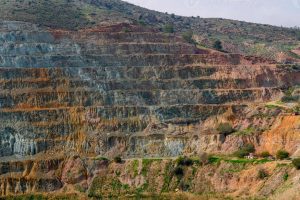
Natural Resources and Mythological Meaning In the ancient Mediterranean world, natural resources were rarely understood as mere economic assets; they were seen as signs of divine favor and expressions of cosmic order. Cyprus, renowned for its abundant copper deposits, became a central example of how material wealth could shape sacred identity. The island’s mineral resources played a decisive role in its early development, supporting trade, craftsmanship, and social organization. Over time, the prominence of copper in Cypriot life encouraged mythological interpretations that linked the island’s prosperity to divine blessing. The belief that valuable materials came from the generosity of the gods helped transform Cyprus into a land associated with sacred abundance. Copper mining on the island dates back to the…

Read more
Sotira Kaminoudhia

Sotira Kaminoudhia

Sotira Kaminoudhia is an Early Bronze Age settlement and cemetery complex located in the Sotira parish and covering an area of approximately one hectare. The site was excavated by Stuart Swiny of the Cyprus American Archaeological Research Institute between 1978 and 1986 as part of a wider regional survey project. The settlement occupies the lower slopes and flat fields north of Teppes hill, where Porphyrios Dikaios had earlier excavated the well known Neolithic site that gave rise to the term Sotira culture. The site spans three distinct phases: Philia, dated to approximately 2500 to 2300 BC, Early Cypriot I to II from 2300 to 2100 BC, and Early Cypriot III from 2100 to 2000 BC. The excavated settlement remains belong…

Read more
Fikardou Rural Museum

Fikardou Rural Museum

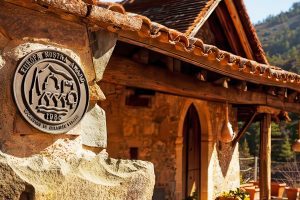
The Fikardou Rural Museum consists of two restored stone houses in the village of Fikardou, located 40 kilometers southwest of Nicosia in the Troodos Mountains. The museum preserves traditional Cypriot rural life through authentic buildings and exhibits from the 16th to 19th centuries. The entire village functions as a living museum, with narrow cobblestone streets and traditional stone houses that transport visitors to another era. The settlement was nearly abandoned during the 20th century when residents moved to urban areas for work and modern amenities. By the 1970s, only a handful of elderly people remained. Historical Background The village name likely derives from the Greek phrase "figa andron," which means "den of fugitives." According to tradition, two dominant clans controlled…

Read more
Fertility and Mother-Goddess Cults

Fertility and Mother-Goddess Cults

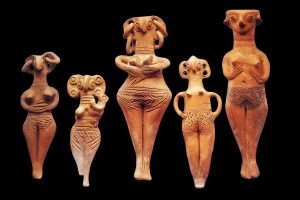
Fertility and Mother Goddess cults in ancient Cyprus were the island's earliest spiritual heartbeat, centered on a powerful female divine force that oversaw birth, growth, and the rhythms of nature. These beliefs weren't about distant deities but a hands-on reverence for life's cycles, helping early communities thrive amid uncertainty. Digging into them reveals how Cypriots turned everyday survival into something sacred, leaving us wondering just how much of that ancient wisdom still echoes today. The Roots of Cyprus's Earliest Beliefs Imagine a time when religion wasn't found in grand temples or holy books, but in the soil under your feet and the changing seasons overhead. That's where Fertility and Mother Goddess cults began in Cyprus - as a practical way…

Read more
Cyprus’s Prehistoric and Neolithic Periods

Cyprus’s Prehistoric and Neolithic Periods

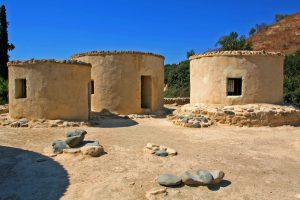
Long before the ancient Greeks built their temples or the Romans laid their mosaics, Cyprus was home to some of the Mediterranean's earliest farming communities. These prehistoric pioneers built villages, grew crops, and created a culture that would lay the foundation for thousands of years of Cypriot civilization. The Island's First Settlers Cyprus's prehistoric story begins over 11,000 years ago when the island's landscape looked dramatically different from today. The first humans to arrive found a land inhabited by pygmy hippos and dwarf elephants - miniature versions of their mainland cousins that had evolved in isolation on the island. These early settlers were hunter-gatherers who eventually gave way to organized farming communities. By around 7000 BCE, Cyprus had developed a…

Read more