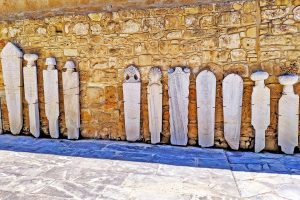
The Larnaka Medieval Museum offers visitors a compact yet fascinating journey through 15 centuries of Cypriot history. Located on the second floor of the Medieval Fort at the end of Foinikoudes promenade, this small museum houses a carefully selected collection that spans from the Early Christian period to Ottoman rule.
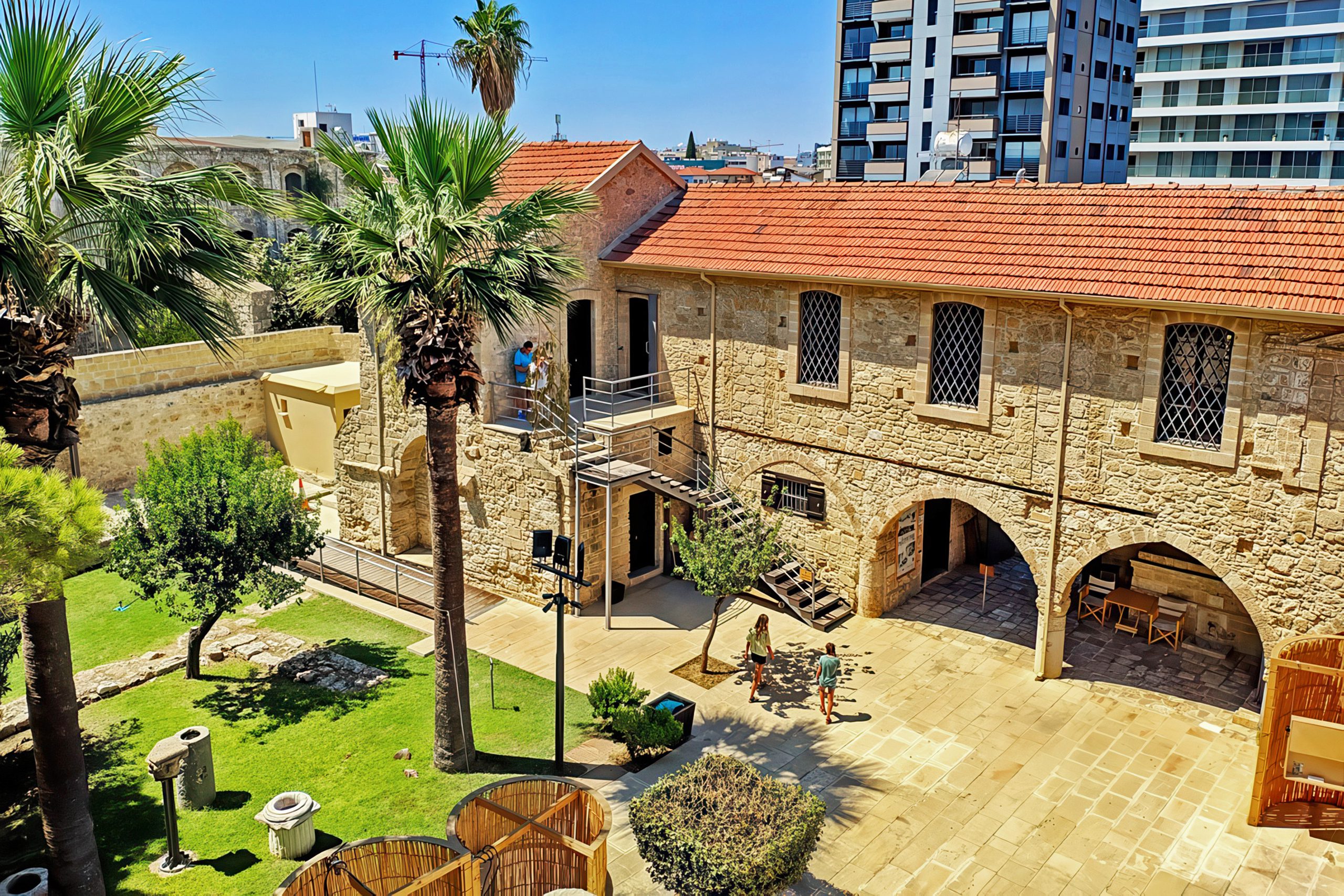
The museum occupies three rooms within the fort’s upper level, a structure that itself tells a story of Cyprus’s layered past. The building sits directly on Larnaca’s waterfront, where the Mediterranean laps against stone walls that have witnessed centuries of change.
The location proves as significant as the exhibits themselves. The fort began as a small Byzantine fortification in the late 12th century, positioned to guard the harbour. Between 1382 and 1398, Lusignan King James I ordered its expansion into a proper defensive castle. This transformation occurred because the Genoese had occupied Famagusta, Cyprus’s primary port, and the Lusignans needed an alternative harbour for their kingdom’s maritime trade.
The Collections on Display
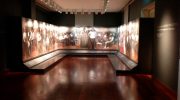
Room one focuses on the Early Christian period, presenting antiquities from the 4th to 7th centuries AD. The display includes photographs of Byzantine and post-Byzantine monuments throughout Cyprus, providing context for the island’s early Christian heritage. These visual references help visitors understand the wider architectural and religious landscape that shaped medieval Cyprus.
The central room showcases Byzantine art through a collection of photographs depicting wall paintings from the 11th to 16th centuries. While these are not original frescoes, the photographic documentation preserves images of religious art found in churches and monasteries across the island. The images reveal the artistic techniques and iconographic traditions that defined Byzantine Cyprus.
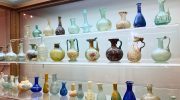
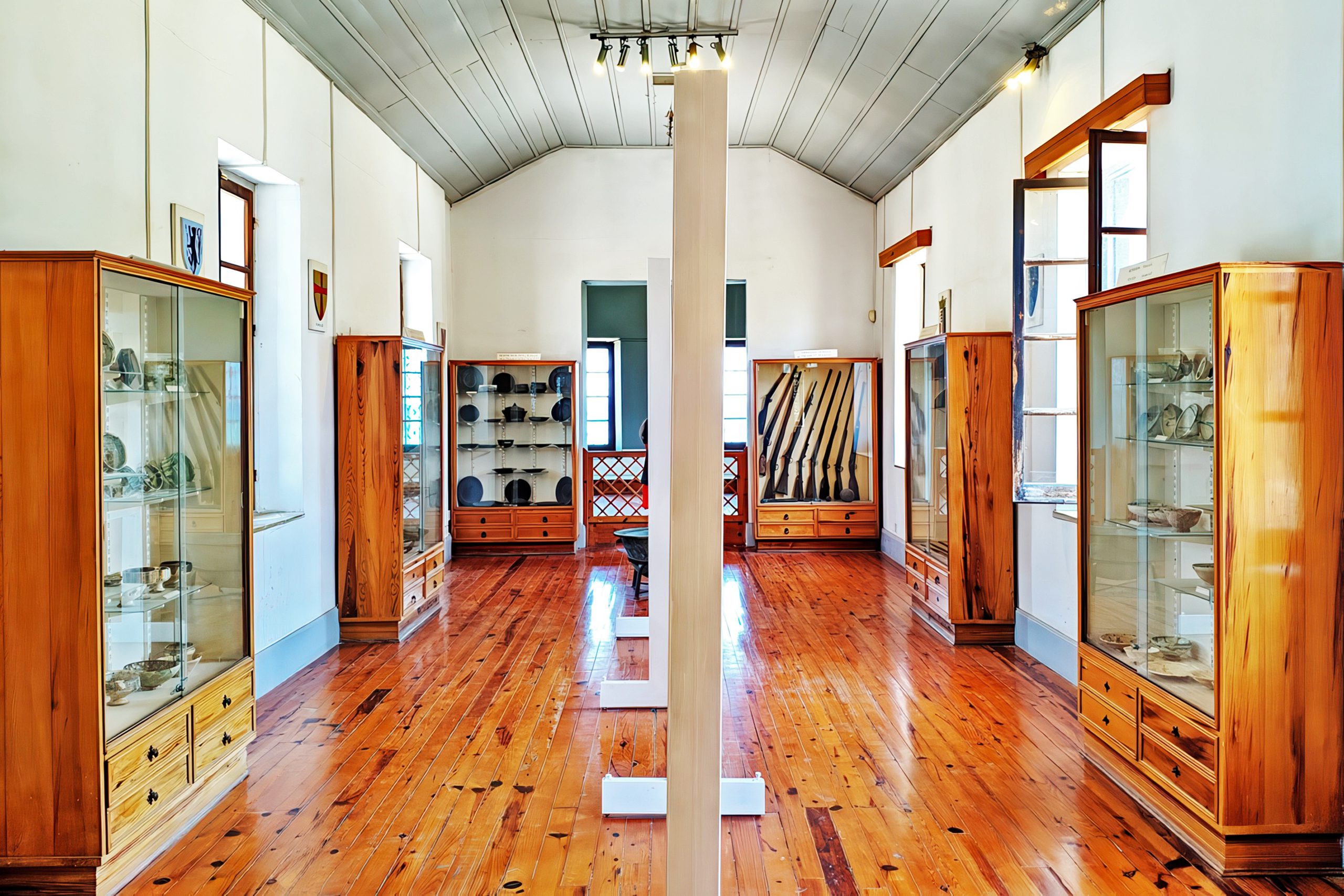
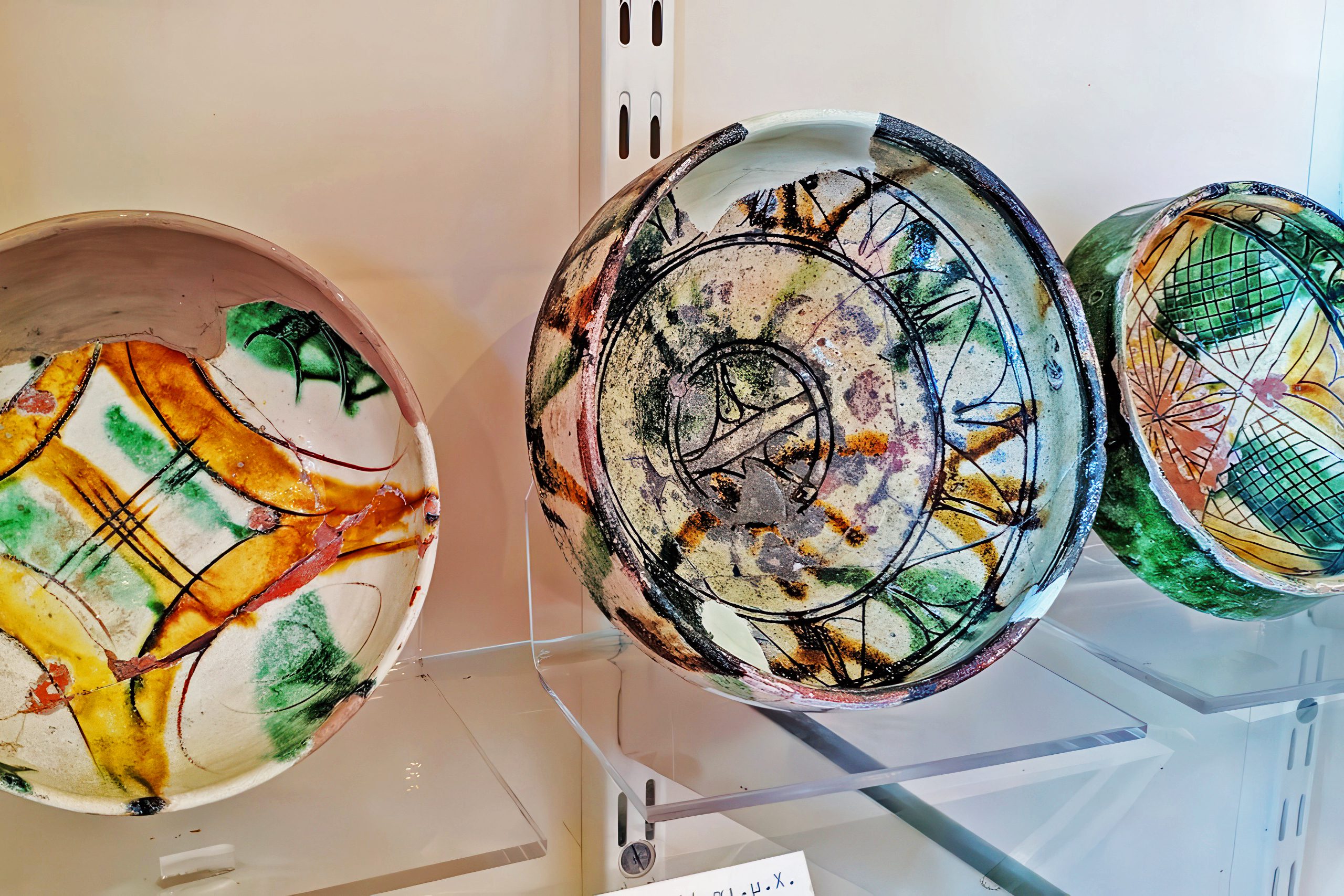
Room three contains the most diverse collection, featuring medieval glazed pottery from the 12th to the 18th centuries. The ceramics display the evolution of pottery styles under different rulers, from Byzantine patterns to Islamic influences during Ottoman control. Metal cooking utensils from the Ottoman period (18th to 19th centuries) demonstrate daily life in that era. Military artifacts include Venetian helmets and swords from the 15th to 16th centuries, when Venice controlled Cyprus and fortified its defenses against Ottoman expansion.
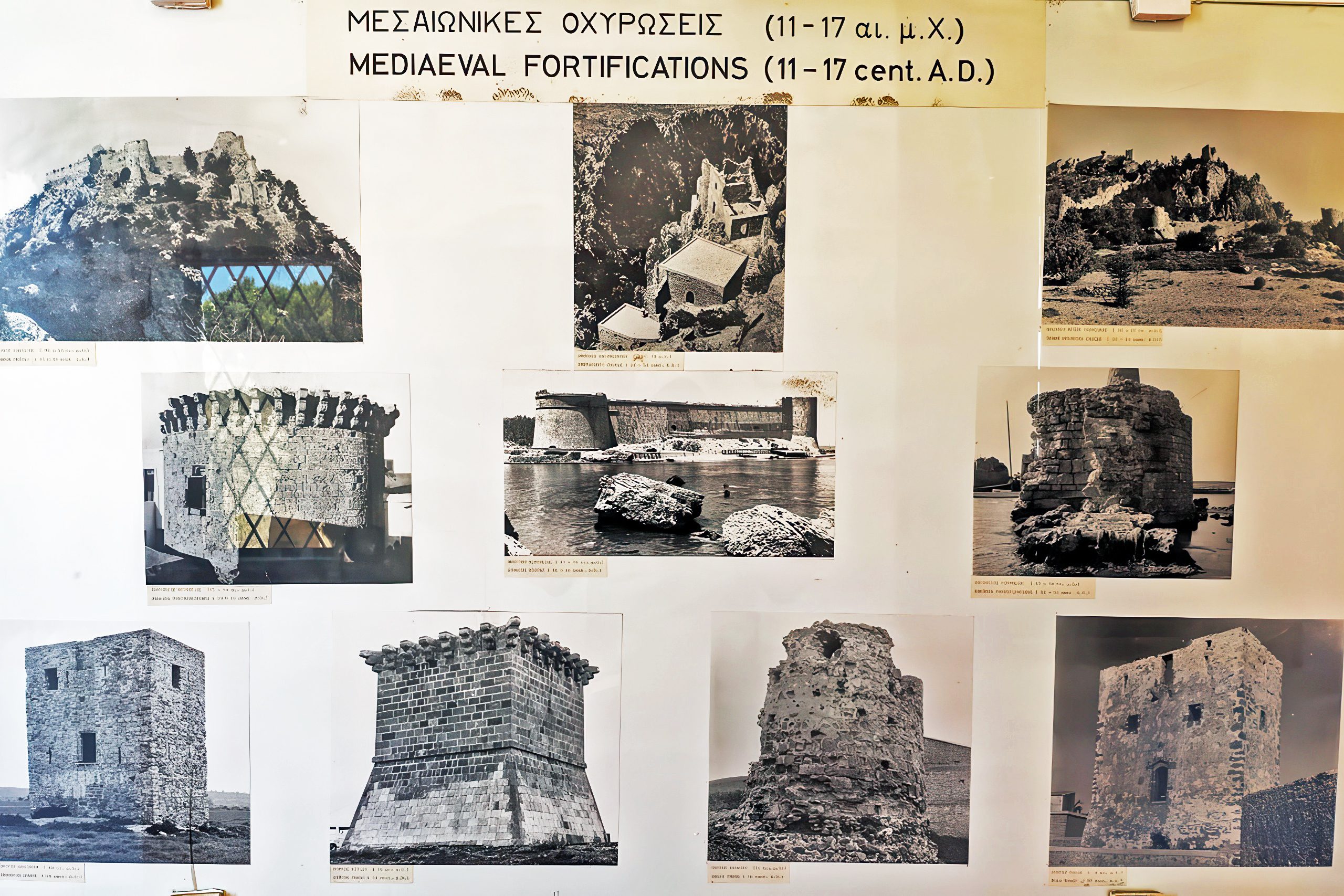
The museum complements these artifacts with extensive photographic material showing Byzantine and medieval fortresses throughout Cyprus, plus examples of medieval architecture on the island. This documentation connects Larnaca’s fort to a broader network of defensive structures that once protected coastal settlements and inland towns.
The Fort’s Changing Roles
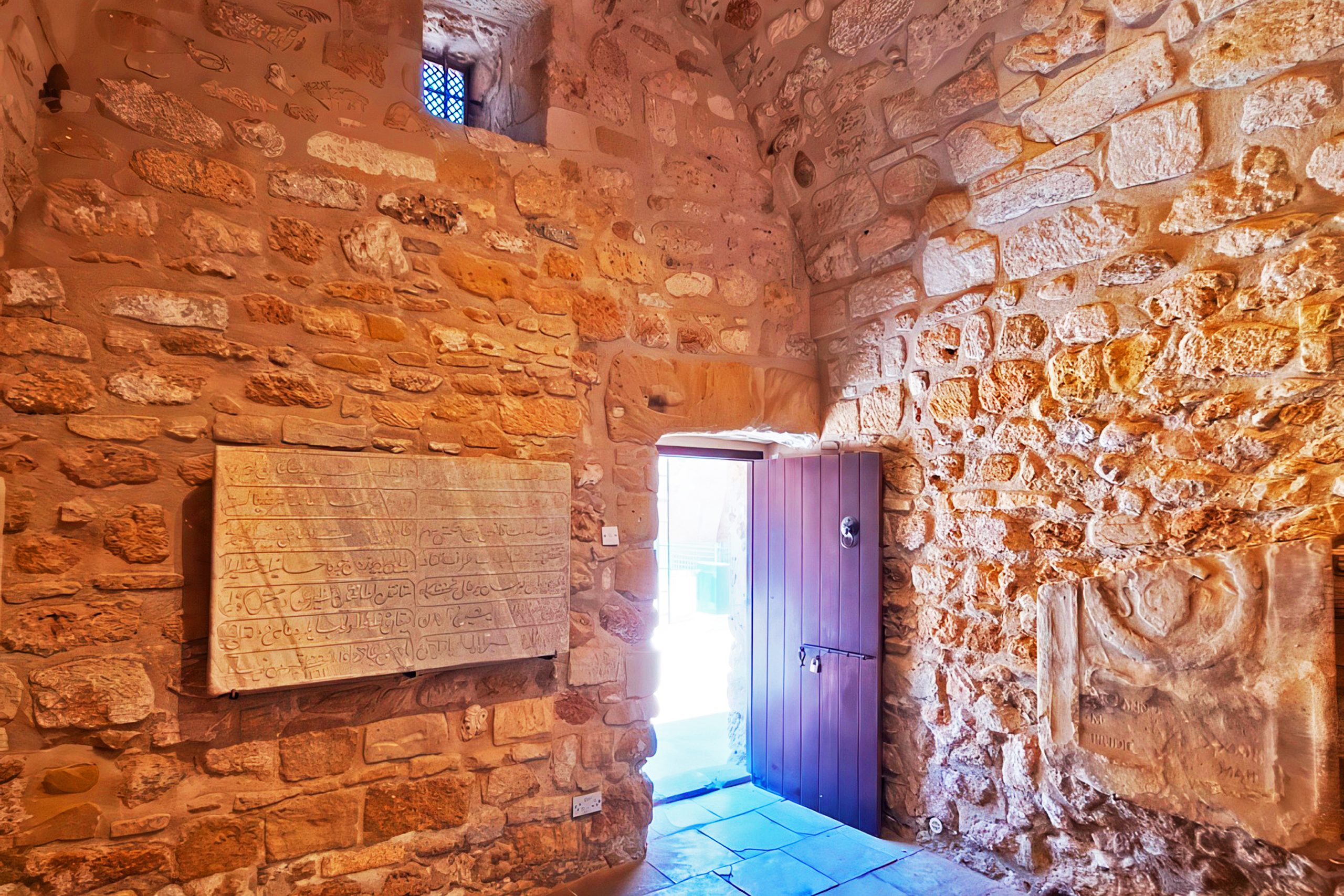
Understanding the museum requires knowing the fort’s history beyond its medieval origins. When the Ottomans took Cyprus in 1570, they stationed a garrison at the fort. By 1625, according to the inscription above the entrance, the Ottomans had reconstructed significant portions of the building. The two-story structure on the north side dates from this Ottoman period, while the east and south wings preserve earlier medieval construction.
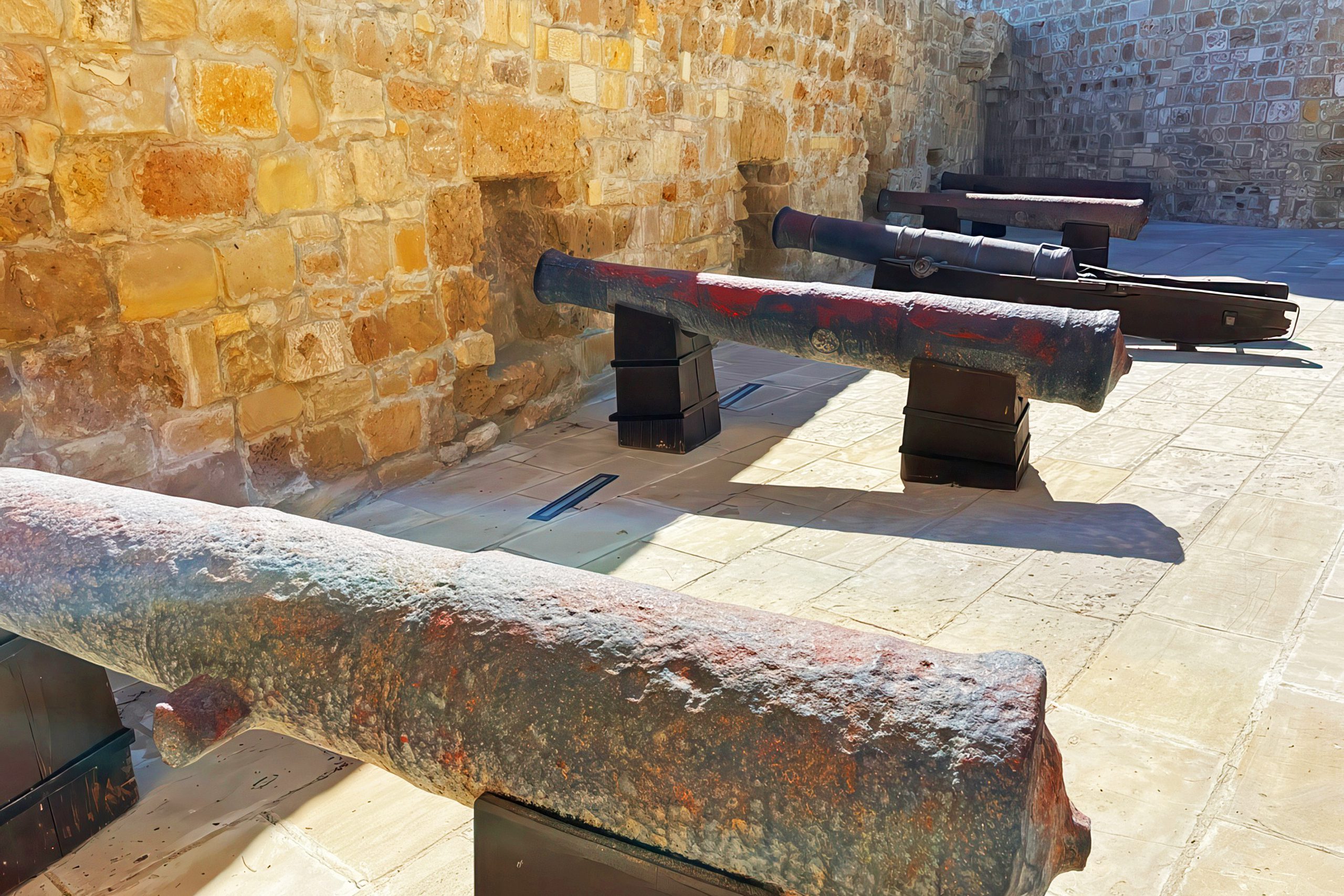
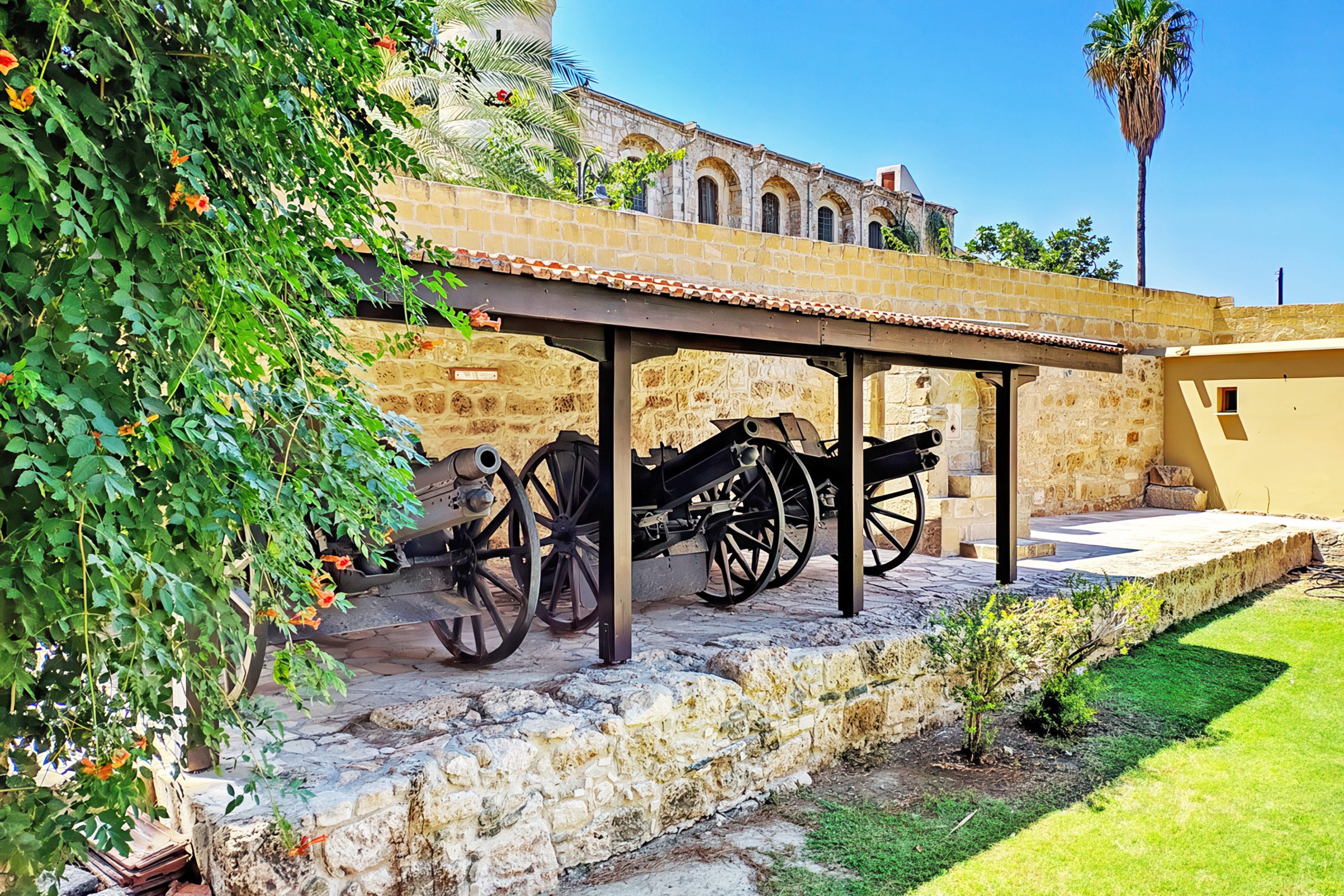
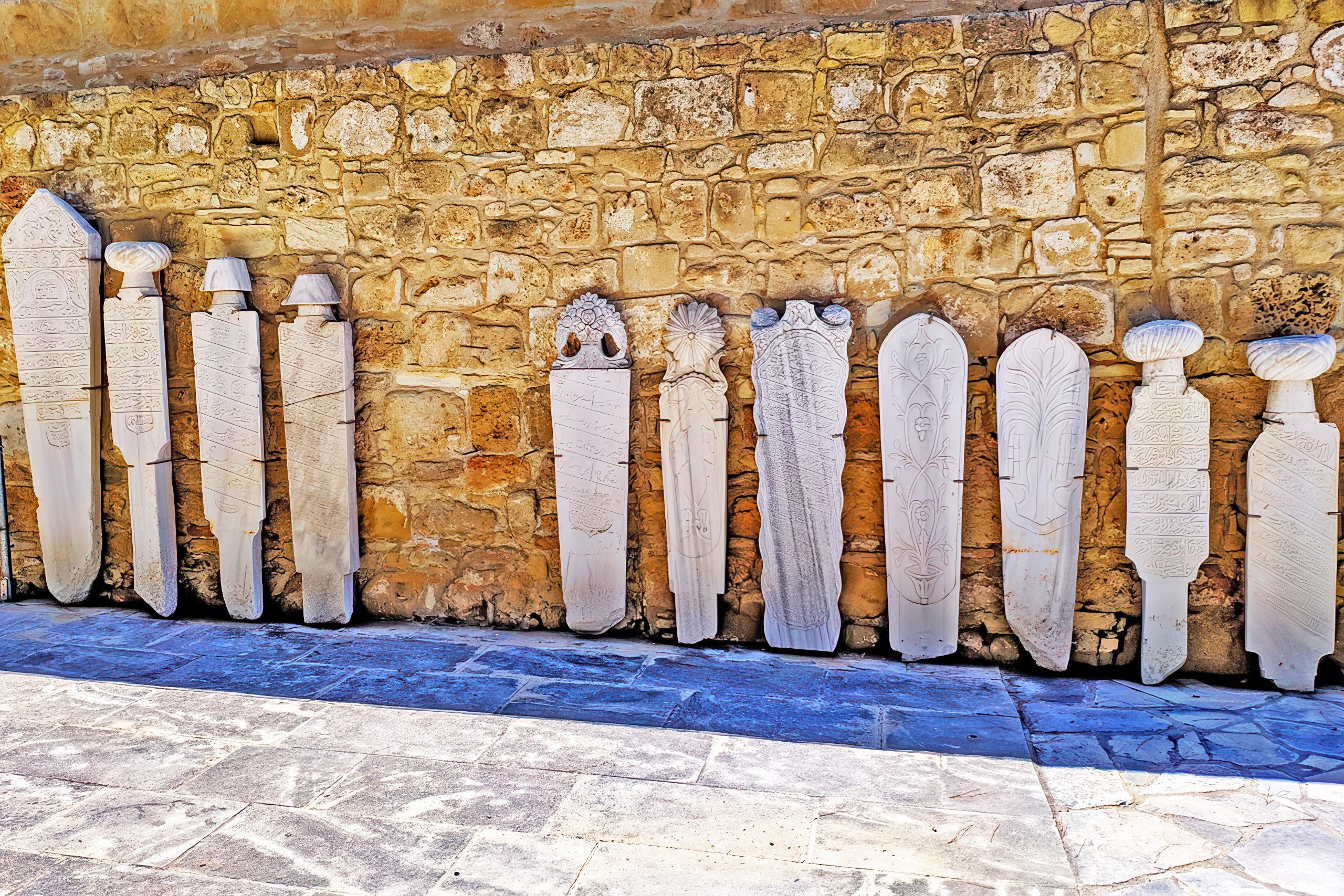
After British colonial administration began in Cyprus, the fort became a prison. The western chamber on the ground floor served as an execution site, with gallows installed in the room. These remained in use until 1948, adding a sobering chapter to the building’s history. The courtyard now displays Ottoman cannons from various periods, some dating to medieval times, arranged as outdoor exhibits.
Practical Information for Visitors
The museum charges an admission fee of €2.50, which also grants access to the entire fort. Students enter free upon showing valid identification. Opening hours vary by season. From September 16 to April 15, the museum operates Monday through Friday from 8:00 AM to 4:30 PM. During the warmer months of April 16 through September 15, hours extend Monday through Friday from 8:00 AM to 7:00 PM, with Saturday and Sunday hours from 9:30 AM to 5:00 PM. The museum closes on public holidays throughout the year.
Most visitors spend 30 to 45 minutes exploring the museum and fort. The compact size makes it manageable for those with limited time, though history enthusiasts may linger longer over the displays. The ground floor remains wheelchair accessible, with free entry for wheelchair users and their carers (mention this when purchasing tickets).
Beyond the Museum Rooms
The fort’s courtyard serves dual purposes. The Ottoman cannons create an open-air extension of the museum, while a 600-seat amphitheater hosts cultural events during summer months. This outdoor theater uses the historic setting for concerts, plays, and performances, transforming the defensive structure into a venue for community gatherings.
The ramparts offer panoramic views across Larnaca’s coastline and the city center. Visitors can walk along sections of the walls, observing the Djami Kebir mosque nearby and the sweep of Finikoudes Beach. These viewpoints help illustrate why this location mattered strategically, from James I’s time through World War II, when British forces used the fort as a lookout post to spot enemy aircraft.
Historical Context and Value
The museum’s significance lies not in grand scale but in how it preserves evidence of Cyprus’s complex history. Each ruling power left its mark: Byzantine foundations, Lusignan expansion, Venetian military equipment, Ottoman architectural style, and British colonial repurposing. The exhibits document this succession of influences through everyday objects, weapons, pottery, and images.
The collection includes artifacts from archaeological sites around Larnaca district, including finds from Hala Sultan Tekke and ancient Kition. These pieces connect the medieval period to Cyprus’s deeper past, showing continuity and change across millennia.
For first-time visitors to Cyprus, the museum provides accessible introduction to the island’s medieval heritage. The modest size prevents overwhelming visitors, while the waterfront location combines cultural education with scenic surroundings. The museum works well as part of a walking tour along Foinikoudes promenade, where modern cafes and restaurants occupy the ground floor of buildings facing the sea.
The Museum’s Place in Larnaca’s Story
While not the largest or most impressive museum in Cyprus, the Larnaka Medieval Museum serves an important function. It preserves material culture from centuries when Cyprus stood at the crossroads of empires, religions, and trade routes. The pottery shows Eastern and Western influences meeting. The weapons reflect periods of conflict and defense. The domestic items reveal how people lived under different rulers.
The fort itself embodies this layered history. Visitors walk through spaces that held Byzantine soldiers, Lusignan defenders, Venetian guards, Ottoman administrators, British prisoners, and now tourists from around the world. Each group left traces, and the museum helps decode them.
The museum makes no grand claims. It presents what it has, honestly and simply. Three rooms, 15 centuries, a modest admission fee, and views of the sea where traders once anchored their ships. That straightforward approach suits both the building’s history and the artifacts it protects. The Larnaka Medieval Museum reminds visitors that understanding the past requires looking at small details as much as major monuments, at cooking pots alongside cannons, at local history within larger imperial narratives.