All Articles

Lavender in Cyprus

Lavender in Cyprus

Imagine strolling through the sun-drenched hills of Cyprus, where a sea of vibrant purple blooms dances in the breeze, releasing a soothing aroma that calms the soul. This is the world of lavender, a plant that has woven itself into the island's fabric for centuries. Join me as we uncover its gentle secrets, from ancient remedies to modern-day delights, and discover why this humble herb continues to enchant. A Fragrant Introduction to Lavender Lavender, known scientifically as Lavandula stoechas – a member of the Lamiaceae family, which includes other aromatic favorites like mint and rosemary – is a perennial shrub that thrives in the Mediterranean's rocky, sun-baked soils. It's not just a pretty face; this plant is a survivor, adapted…

Read more
Salamis Gymnasium

Salamis Gymnasium

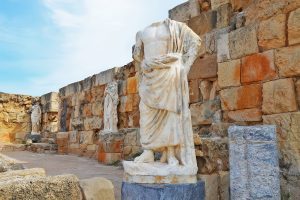
The Salamis Gymnasium stands as one of Cyprus's most remarkable ancient structures. Located just north of modern Famagusta on the eastern coast of Cyprus, this impressive complex reveals the sophisticated approach ancient civilizations took toward physical fitness and public bathing. Built over earlier Hellenistic foundations during the 2nd century AD, the gymnasium represents the pinnacle of Roman architectural achievement on the island. Salamis itself dates back to around 1100 BC. According to ancient Greek tradition, the city was founded by Teucer, son of King Telamon, after the Trojan War. Archaeologists believe the city was actually established by settlers from the nearby Bronze Age site of Enkomi following an earthquake in 1075 BC. The city benefited from Cyprus’ rich copper resources…

Read more
Pierides Ethnographic Museum

Pierides Ethnographic Museum

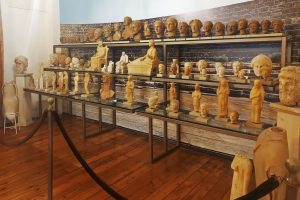
The Pierides Museum is the oldest private museum in Cyprus, housed in the ancestral home of the Pierides family in central Larnaca. This colonial-style mansion contains approximately 2,500 artifacts that document 9,000 years of Cypriot history, from the Neolithic period through the medieval era. The collection was assembled over five generations and represents one of the most important private archaeological holdings in the Eastern Mediterranean. Historical Background The museum's history began in 1839 when Demetrios Pierides started collecting Cypriot antiquities. Born in 1811, Pierides witnessed the widespread looting and export of Cyprus's archaeological heritage during the early 19th century. Foreign collectors and archaeologists routinely removed artifacts from the island, shipping them to museums in London, Paris, and other European capitals.…

Read more
Panigyria Cyprus Villages

Panigyria Cyprus Villages

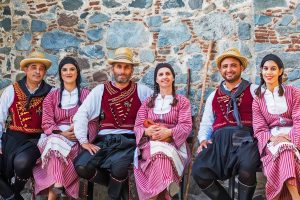
Across Cyprus, every village has at least one night each year when the roads feel a little busier, the air smells faintly of smoke and grilled meat, and familiar voices reappear as if they never left. The panigyri, the traditional village festival, is that moment: a lived ritual shaped by faith, agriculture, and the island’s instinct for togetherness, turning quiet communities into crowded, luminous meeting places where memory and belonging become tangible again. A Gathering of Everyone The word panigyri carries its meaning in its roots. It comes from the ancient Greek panēguris, built from pan (“all”) and agora (“gathering” or “marketplace”), and it points to an older world where people came together for religious, political, and cultural life in…

Read more
Cypriot Musicians Shape Sound Between Worlds

Cypriot Musicians Shape Sound Between Worlds

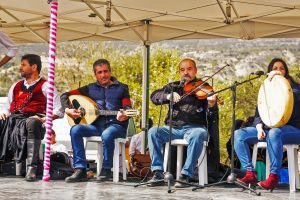
Cyprus has always lived between places, and its contemporary music makes that position audible. Today’s Cypriot musicians collaborate across Europe and the Middle East in ways that feel natural rather than strategic, producing music that travels easily while remaining grounded in local identity. These projects are not about imitation or trend-chasing. They are about translation, turning geography, history, and lived experience into sound. To understand modern Cypriot music is to hear an island negotiating who it is, who it speaks to, and how it wants to be understood. A Geography You Can Hear Cyprus does not need to “reach outward” to collaborate. It is already surrounded by cultural conversation. For centuries, the island has absorbed and adapted influences from Byzantine…

Read more
Street Arts Music Festivals

Street Arts Music Festivals

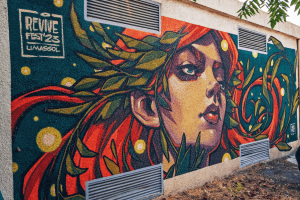
Cyprus is often described through its beaches and ancient monuments, but some of the island’s most revealing cultural moments happen in public streets, squares, and parks. Across cities and towns, music spills into old neighbourhoods, walls become canvases, and everyday spaces are temporarily reshaped by performance and visual art. Street arts and music festivals offer a direct way to experience modern Cypriot creativity as it is lived, shared, and shaped in real time. Rather than separating culture from daily life, these events place it exactly where people already are. When the City Itself Becomes the Venue What distinguishes Cyprus’s street arts and music festivals is not scale, but placement. Performances rarely stay confined to formal halls. Instead, they unfold across…

Read more
Seasonal Folk Rituals in Cyprus

Seasonal Folk Rituals in Cyprus

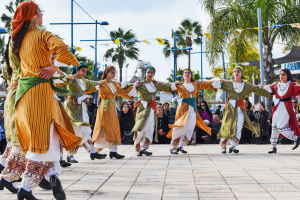
Seasonal folk rituals in Cyprus are vibrant traditions that blend ancient agrarian customs with Christian influences, marking the island's cycles of renewal, harvest, and protection. From spring bonfires warding off evil to autumn feasts celebrating abundance, these practices foster community bonds and a deep connection to the land. They offer a glimpse into how Cypriots have long navigated life's uncertainties through shared acts of faith and joy, keeping cultural roots alive in a modern world. Echoes of an Agrarian Past Think of Cyprus as a place where the calendar isn't just dates on a page - it's a rhythm dictated by sun, rain, and soil. For millennia, life here revolved around farming and herding, where a good season meant plenty…

Read more
Fish Preservation Techniques In Cyprus

Fish Preservation Techniques In Cyprus

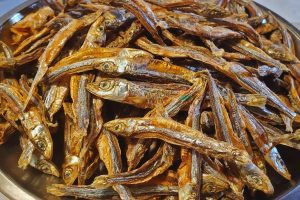
For much of Cyprus’s history, the challenge was never catching fish. It was keeping it. Long before ice, refrigeration, or fast transport, fresh fish could spoil within hours under the Mediterranean sun. To survive, coastal communities developed preservation methods that turned a fragile, short-lived food into something durable, transportable, and dependable. Salting, drying, and smoking were not culinary experiments. They were practical responses to climate, distance, and necessity, shaping how Cypriots ate, traded, and lived. Understanding these techniques reveals more than food history. It shows how knowledge, cooperation, and environment came together to support life across the island. Why Preservation Was Essential In pre-modern Cyprus, fresh fish was a luxury of proximity. Coastal villages could eat what they caught the…

Read more
Pilgrimage to Saintly Relics

Pilgrimage to Saintly Relics

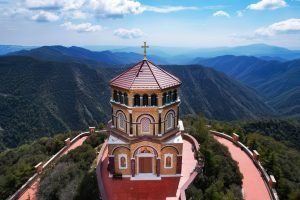
Pilgrimage to saintly relics in Cyprus is a heartfelt tradition where believers journey to tombs, monasteries, and churches to connect with holy figures like Saint Lazarus or pieces of the True Cross. These trips blend deep faith with hopes for healing and protection, turning the island's landscapes into paths of spiritual renewal. It's a practice that feels personal and alive, drawing people from near and far to experience a touch of the divine in everyday places. A Journey of Faith and Connection Imagine setting out on a winding road through Cyprus's hills or coastal towns, driven not by sightseeing but by a quiet need for solace or thanks. That's the essence of pilgrimage to saintly relics here - a simple…

Read more