All Articles

Wild Caper Plant

Wild Caper Plant

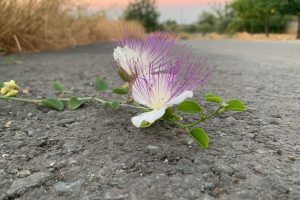
Imagine wandering along Cyprus sun-baked cliffs, where a humble shrub clings to life amid rocks and sea spray, offering buds that burst with bitter and tangy flavor. This is the wild caper plant, a resilient survivor of the Mediterranean wilds, cherished for centuries in Cypriot kitchens and folklore. Join me as we explore its secrets, and discover why this thorny delight might just prick your curiosity. Getting to Know the Caper: Nature's Tangy Survivor The wild caper is a low-growing shrub that thrives in harsh, dry environments, producing edible flower buds and berries that add a zesty punch to meals. Known scientifically as Capparis spinosa, it's not a tree or herb but a hardy perennial, perfectly adapted to Cyprus' rugged…

Read more
Washingtonia Palms In Cyprus

Washingtonia Palms In Cyprus

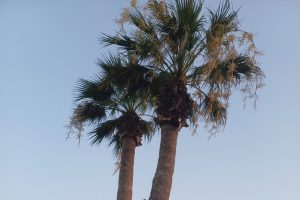
Wander along a bustling coastal promenade in Limassol or through a quiet park in Nicosia, and you might spot these towering fan-shaped trees swaying gently in the breeze. These are the Washingtonia palms of Cyprus – elegant imports from distant deserts that have become familiar landmarks across the island. But how did these American natives find a home in our Mediterranean paradise? A Palm for Dry Lands Washingtonia belongs to the vast palm family, Arecaceae, which includes over 2,500 species worldwide, from the date palms we know so well to the coconut trees of tropical shores. In simple terms, it's a type of fan palm, known for its wide, spreading leaves that look like giant hands fanning the air. Here…

Read more
Troodos Lizard

Troodos Lizard

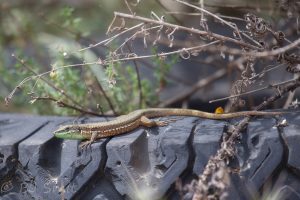
In the rugged heights of Cyprus Troodos Mountains, a nimble creature darts across sun-warmed rocks, its scales glinting like hidden emeralds. This is the Troodos lizard, Phoenicolacerta troodica, an endemic jewel of the island's wildlife. Let’s explore this shy resident, a survivor of ancient landscapes, and discover why it captivates those who seek it out. A name Phoenicolacerta prefixes the Latin word, Phoenice, meaning "Phoenicia", the coast of the Levant, where most of the species of these lizards are found, with lacerta, "a lizard". The specific name refers to the type locality being in the Troodos Mountains of Cyprus. A Mountain Marvel Emerges The Troodos lizard is a small reptile native only to Cyprus, thriving in the cool, forested slopes…

Read more
Wild Thyme and Thymbra

Wild Thyme and Thymbra

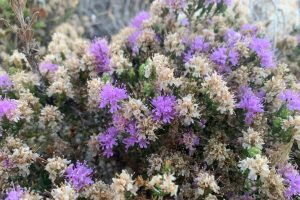
Picture yourself hiking a dusty trail in Cyprus's sun-parched hills during the height of summer, where most vegetation has surrendered to the relentless heat. Yet amid the faded grasses, a resilient herb unfurls its tiny purple flowers, releasing a warm, peppery fragrance that speaks of timeless remedies and savory island feasts. This is thyme, a modest wild treasure that defies the drought, inviting us to explore its quiet role in Cypriot nature and culture. A Quiet Herb with Fragrant Cousins Thyme is a small, tough plant from the mint family, a big group of herbs known for their square stems and strong smells. It's the kind of everyday green that pops up in dry, sunny spots, offering a bit of…

Read more
Wild Chamomile of Cyprus

Wild Chamomile of Cyprus

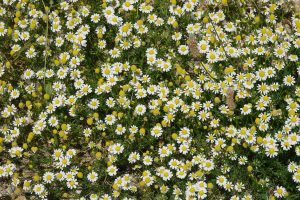
Imagine wandering through the sun-kissed fields of Cyprus, where a delicate flower with daisy-like petals sways in the breeze, releasing a soothing apple-like aroma that whispers of healing and calm. This is wild chamomile, a humble herb that has graced the island's landscapes for millennia, offering comfort to weary souls. But what secrets does this unassuming plant hold in its tiny blooms, and why does it continue to captivate us? Unveiling the Humble Herb Wild chamomile, known scientifically as Matricaria recutita, is a member of the vast Asteraceae family, which includes sunflowers and daisies, showcasing how even the smallest relatives can pack a punch in nature's pharmacy. It's an annual plant that pops up in disturbed soils, roadsides, and meadows,…

Read more
Three Cyprus crocuses

Three Cyprus crocuses

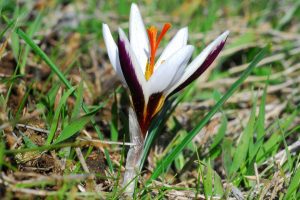
As winter's grip loosens on Cyprus's high peaks, delicate blooms emerge like whispers of color against the white. Cyprus is home to three special crocuses — endemic treasures found nowhere else — that brighten rocky slopes with lilac, white, and purple hues. But what makes each one unique, and how have they survived in this island paradise for millennia? What Are These Charming Little Snow Defiers? These crocuses are small, wild flowers that grow from hidden bulbs underground, much like the colorful ones we plant in gardens. They're part of the iris family, a big group of plants known for their elegant petals and roles in everything from spices to myths. In Cyprus, these three — Crocus cyprius, Crocus hartmannianus,…

Read more
Veined Sainfoin of Cyprus

Veined Sainfoin of Cyprus

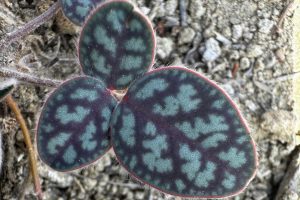
In the sunny landscapes of Cyprus, a little plant called veined sainfoin (Onobrychis venosa) adds pops of pink to rocky hillsides. This endemic wildflower, unique to the island, thrives in tough spots and has a story tied to Cyprus's natural history. But what makes its veiny leaves and blossoms so special? What Exactly Is This Charming Cypriot Wildflower? Onobrychis venosa is a small, wild herb that's part of the legume family, like peas or beans. It's a perennial plant, meaning it comes back year after year, and it's found only in Cyprus, making it a true island native. How Did This Plant Bloom from Cyprus's Ancient Soils? The origins of Onobrychis venosa trace back to the island's geological past, where…

Read more
The Troodos’s Naked Lady

The Troodos’s Naked Lady

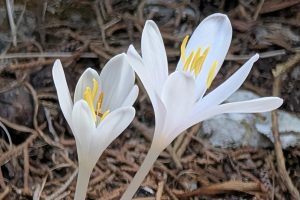
Picture this: as the summer heat fades in Cyprus, delicate white flowers suddenly pop up from the bare ground in the mountains, like little surprises from nature. Colchicum troodi is one of the island's special plants, blooming in fall and hiding a few secrets that make it both beautiful and a bit mysterious. But why does it flower "naked," and what ancient stories does it carry? What Exactly Is This Quirky Cypriot Bloom? Colchicum troodi or “Troodos’s Naked lady” is a small, wild flowering plant that's unique to Cyprus — meaning it grows nowhere else in the world. It's a type of perennial that sprouts from an underground bulb-like structure called a corm, and it belongs to the Colchicaceae family,…

Read more
The Resilient Brooms of Cyprus

The Resilient Brooms of Cyprus

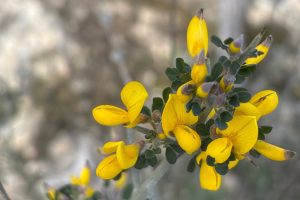
Imagine stepping onto a sun-drenched hillside in Cyprus as spring awakens the land. Suddenly, the dry, thorny scrub lights up with bright bursts of golden yellow, as though someone has scattered handfuls of sunshine across the rocks. These vivid displays come from the brooms of the Genisteae tribe – tough, spiny shrubs that turn the island’s classic maquis into a sea of gold. Pea-Family Pioneers of the Mediterranean Scrub The Genisteae belong to the great legume family Fabaceae, the same group that gives us peas, beans and clover. In Cyprus, two standout members bring the colour and character: Genista fasselata (Fassel’s broom) and Calycotome villosa (hairy thorny broom). Both are evergreen or semi-evergreen shrubs perfectly suited to the island’s rugged,…

Read more