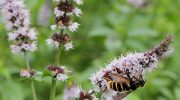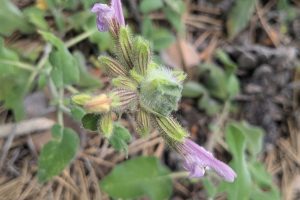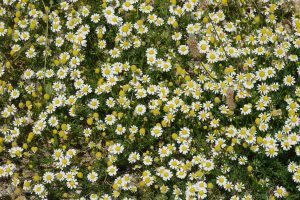
Imagine wandering through the sun-kissed fields of Cyprus, where a delicate flower with daisy-like petals sways in the breeze, releasing a soothing apple-like aroma that whispers of healing and calm. This is wild chamomile, a humble herb that has graced the island’s landscapes for millennia, offering comfort to weary souls. But what secrets does this unassuming plant hold in its tiny blooms, and why does it continue to captivate us?
Unveiling the Humble Herb
Wild chamomile, known scientifically as Matricaria recutita, is a member of the vast Asteraceae family, which includes sunflowers and daisies, showcasing how even the smallest relatives can pack a punch in nature’s pharmacy. It’s an annual plant that pops up in disturbed soils, roadsides, and meadows, thriving in the Mediterranean’s mild winters and warm summers. Simply put, it’s nature’s resilient wanderer, adapting to wherever the wind scatters its seeds.
Roots in Time: From Ancient Remedies to Island Lore
The story of wild chamomile in Cyprus stretches back to antiquity, intertwined with the island’s rich tapestry of civilizations – from the Mycenaeans to the Romans and Ottomans. Historical texts, like those referenced in ancient Greek manuscripts and echoed in Cyprus’ ethnobotanical records from the Troodos Mountains, reveal its use by early healers for soothing ailments, much as Dioscorides described in his “De Materia Medica” around 50 AD, praising its anti-inflammatory powers. On Cyprus, where geology has shaped dramatic landscapes from limestone hills to coastal plains, this plant likely flourished in the wake of ancient agriculture and trade routes, symbolizing renewal amid the island’s volcanic and sedimentary past. Local folklore ties it to Aphrodite, the goddess born from Cyprus’ seas, who was said to favor its gentle essence in rituals of love and healing.
Portrait of a Delicate Healer
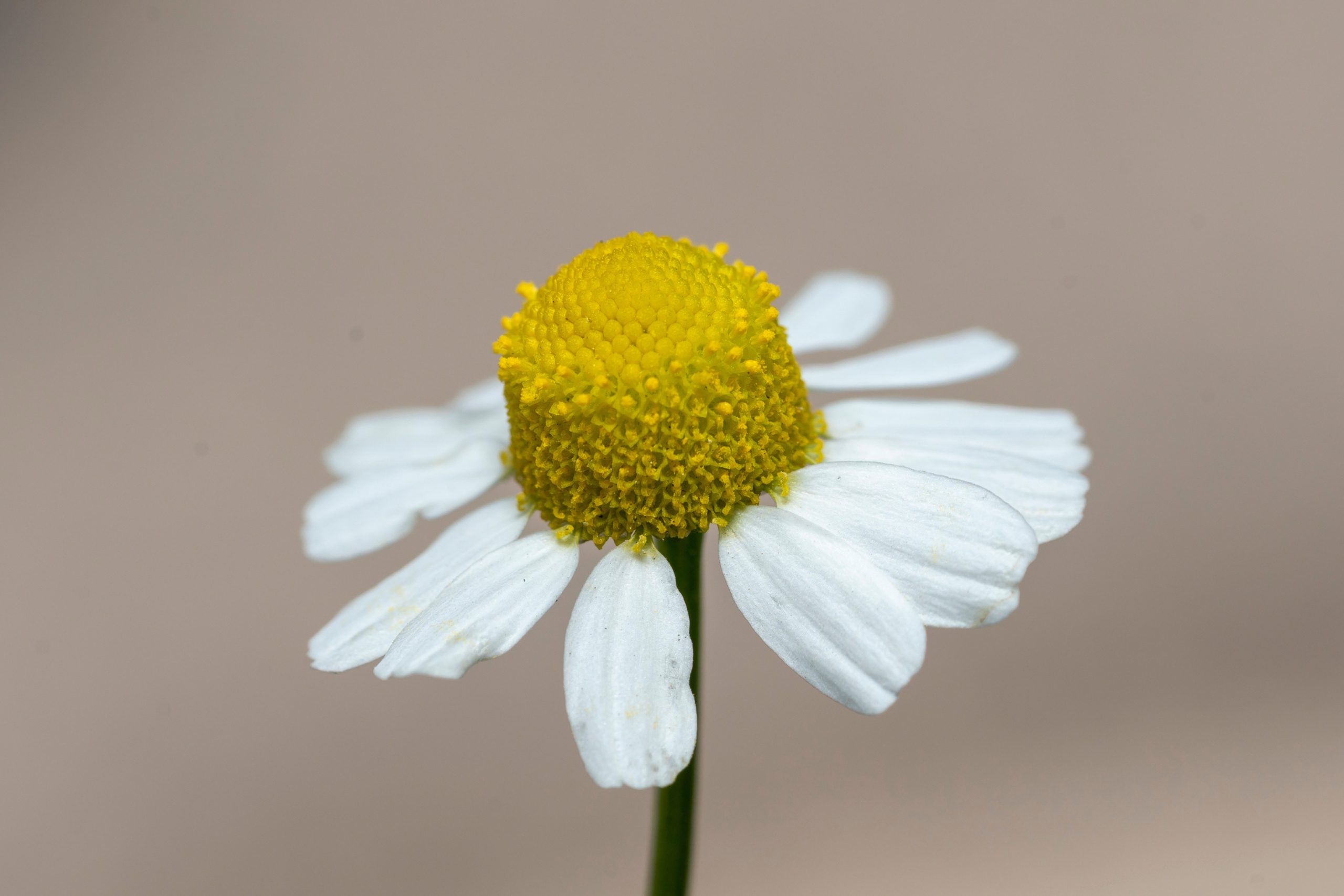
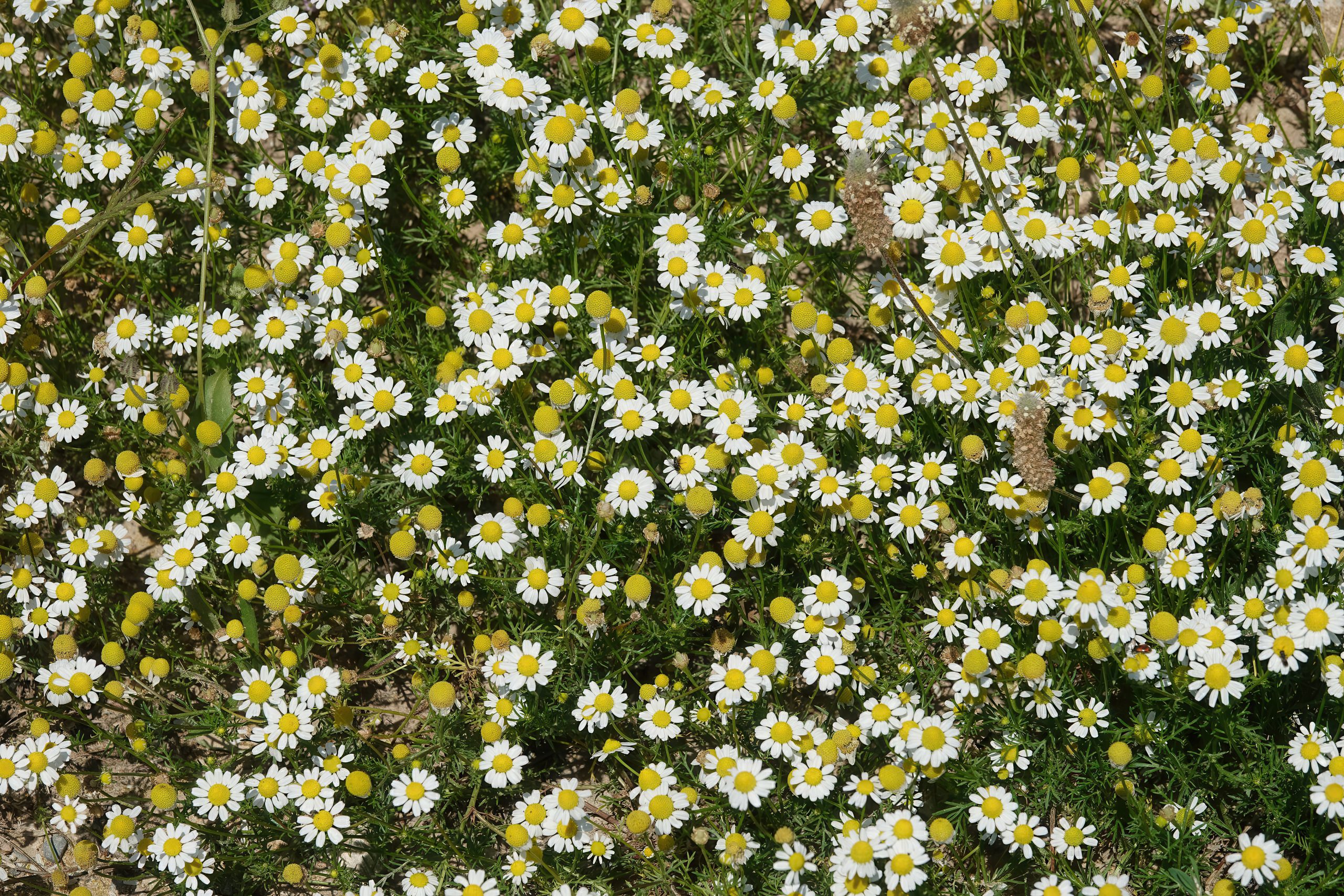
What makes wild chamomile stand out is its feathery, fern-like leaves and small white-petaled flowers with sunny yellow centers, forming clusters that resemble a field of tiny stars. Growing up to 60 centimeters tall, it exudes a fresh, apple-scented oil from its blooms, which contain compounds like chamazulene that give it a blue tint when distilled. Unlike its cultivated cousins, this wild variety is tougher, with a more potent aroma, adapting to Cyprus’ dry, rocky soils where it blooms from spring to early summer, attracting pollinators like bees and butterflies in a quiet dance of survival.
Whimsical Wonders and Curious Tales
Did you know that wild chamomile’s Greek name, “chamomili” (χαμομήλι), means “apple of the ground,” inspired by its low-growing habit and fruity scent that mimics a ripe apple? In Cyprus, villagers once believed scattering its dried flowers around homes warded off evil spirits – a fun echo of its use in medieval Europe as a “strewing herb” for freshening floors. Remarkably, a single plant can produce up to 500,000 seeds, ensuring its spread like nature’s confetti, and studies show its extracts can calm bees in hives, hinting at its broader ecological charm.
Deeper Layers: Botany, Chemistry, and Myth
Delving further, wild chamomile belongs to the tribe Anthemideae within Asteraceae, linking it to aromatic kin like artemisia and yarrow, all evolved for defense against herbivores through bitter compounds. Botanically, its essential oils – rich in bisabolol and flavonoids – have been analyzed in Cypriot studies for antimicrobial properties, as noted in ethnobotanical surveys from the Troodos region. Mythologically, it’s tied to Egyptian sun gods for its radiant blooms, while in Cyprus, archaeological finds suggest it featured in Bronze Age potions, blending science with ancient wisdom without overwhelming the senses.
Echoes in Modern Cyprus
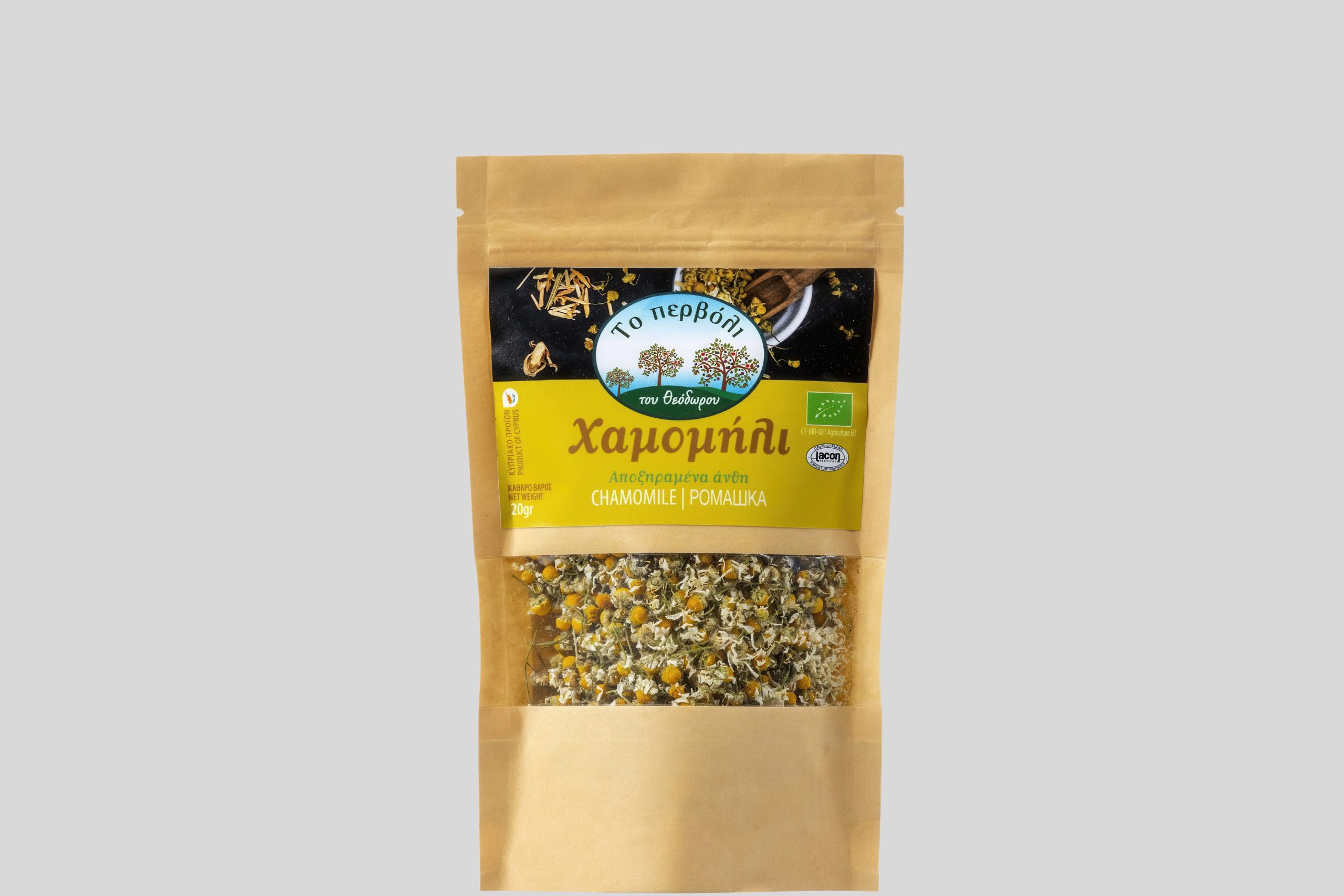
Today, wild chamomile remains a quiet hero in Cypriot life, woven into herbal teas for stress relief and skincare remedies in bustling markets of Nicosia or Limassol. Recently cypriots largely collected chamomile and it was exported from the island. Amid climate challenges, its resilience inspires conservation efforts, fitting into the island’s eco-tourism and organic farming boom, where locals harvest it sustainably for export in wellness products. In a nation blending tradition with modernity, it symbolizes Cypriot identity – simple, enduring, and deeply connected to the land’s healing heritage.
Seeking the Scented Meadows
To encounter wild chamomile, venture to Cyprus’ countryside in spring, like the Akamas Peninsula or Troodos trails, where it dots wildflower walks. The experience is serene: pluck a flower gently (with permission on protected lands), inhale its calming aroma, and feel the earth’s quiet pulse – though remember, as a Least Concern species per IUCN, responsible foraging preserves its abundance for all.
A Timeless Gift from Cyprus’ Wild Heart
Knowing about wild chamomile enriches our appreciation of Cyprus as a cradle of biodiversity, where even the smallest flower bridges ancient wisdom to future well-being. In an island of myths and mountains, it reminds us that nature’s simplest offerings often hold the greatest power, urging us to cherish and protect this emerald gem of the Mediterranean.