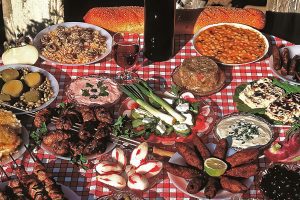
Meze in Cyprus is not a starter, a tasting menu, or a casual sharing plate. It is a complete dining ritual built around time, abundance, and company. When Cypriots sit down for meze, they are committing to an experience that unfolds slowly, dish by dish, over several hours. This article explains what makes Cypriot meze different from its Mediterranean cousins, how it is structured, why it matters socially, and how it continues to shape everyday life on the island. The goal is not to list dishes, but to show how food, pacing, and hospitality come together in one of Cyprus’s most enduring traditions.
Meze as a Meal, Not a Prelude
In much of the eastern Mediterranean, meze refers to small plates served before a main course or alongside drinks. In Cyprus, meze replaces the entire concept of courses. Ordering meze means you will not choose individual dishes, and you will not rush. The kitchen decides the sequence, and the table follows its rhythm.
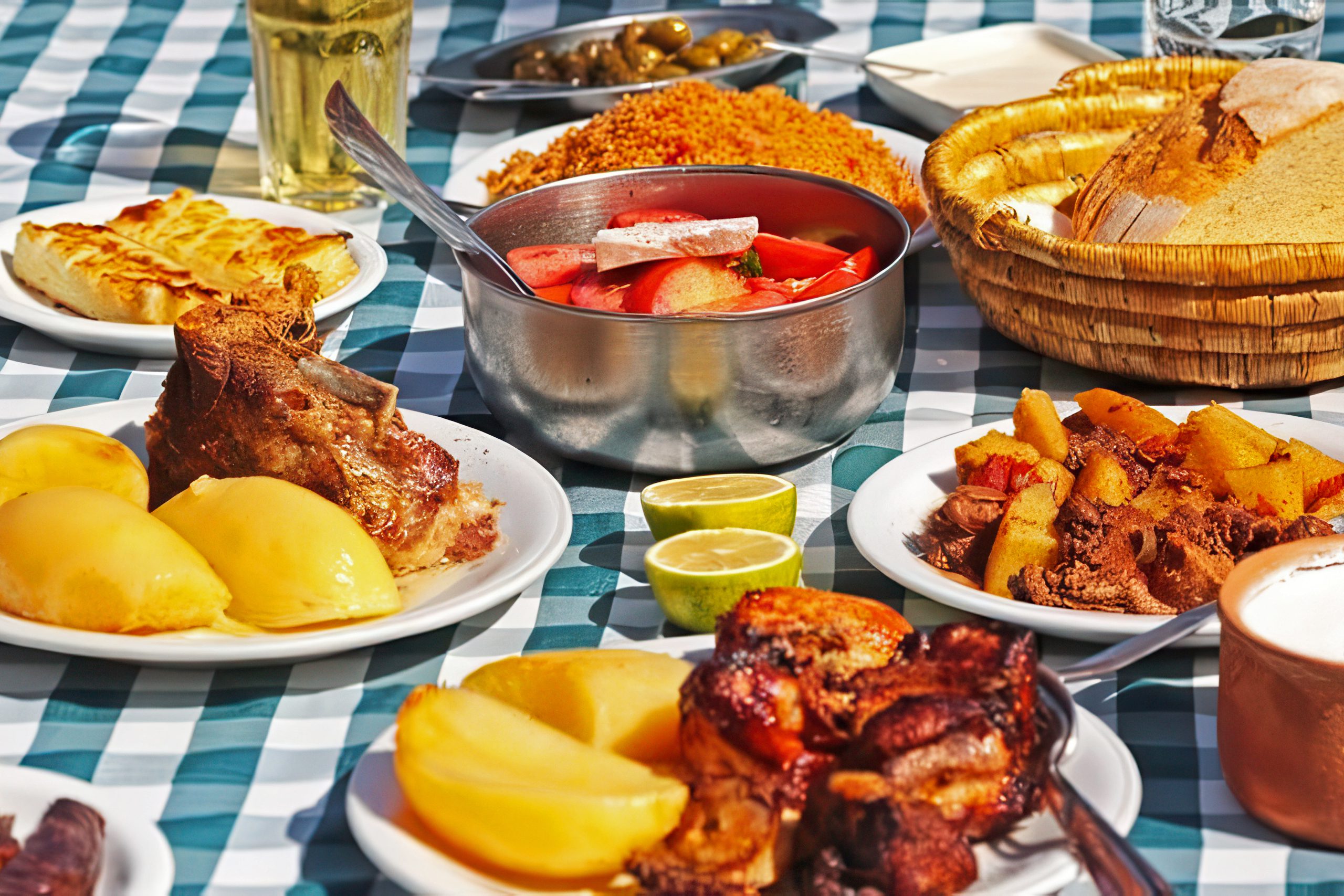
This distinction is essential. Cypriot meze is designed as a narrative rather than a collection. Each plate prepares the way for the next, building flavour and fullness gradually. What matters is not quantity alone, but progression and the shared pace that develops around the table.
- Meze as a Meal, Not a Prelude
- Why Meze Exists in Cypriot Life
- The Logic Behind the Order of Dishes
- Bread as the Silent Foundation
- Halloumi’s Supporting Role
- Meat, Seafood, and Geography
- Seasonality Still Matters
- Conversation Is the Central Ingredient
- How Meze Is Ordered and Shared
- Modern Meze Without Losing Its Core
- Why the Meze Tradition Endures
Why Meze Exists in Cypriot Life
While the tradition grew from village life, the word “meze” originates from the Persian maza (to taste) and travelled through the Ottoman world before reaching Cyprus. In rural communities, large cuts of meat, seasonal vegetables, and preserved foods were easier to distribute collectively than individually. Over time, necessity became tradition.
Today, meze is reserved for moments that matter. Family gatherings, Sunday lunches, celebrations, and reunions are its natural setting. It is not everyday food, yet it reflects everyday values such as generosity, patience, and togetherness.
Because everyone eats from the same plates, hierarchy disappears. No one orders more or better than anyone else. The table becomes a shared space in the most literal sense, and that shared space is the foundation of the ritual.
The Logic Behind the Order of Dishes
A traditional Cypriot meze is never served all at once. The order is deliberate and widely understood, even when it is not discussed openly.
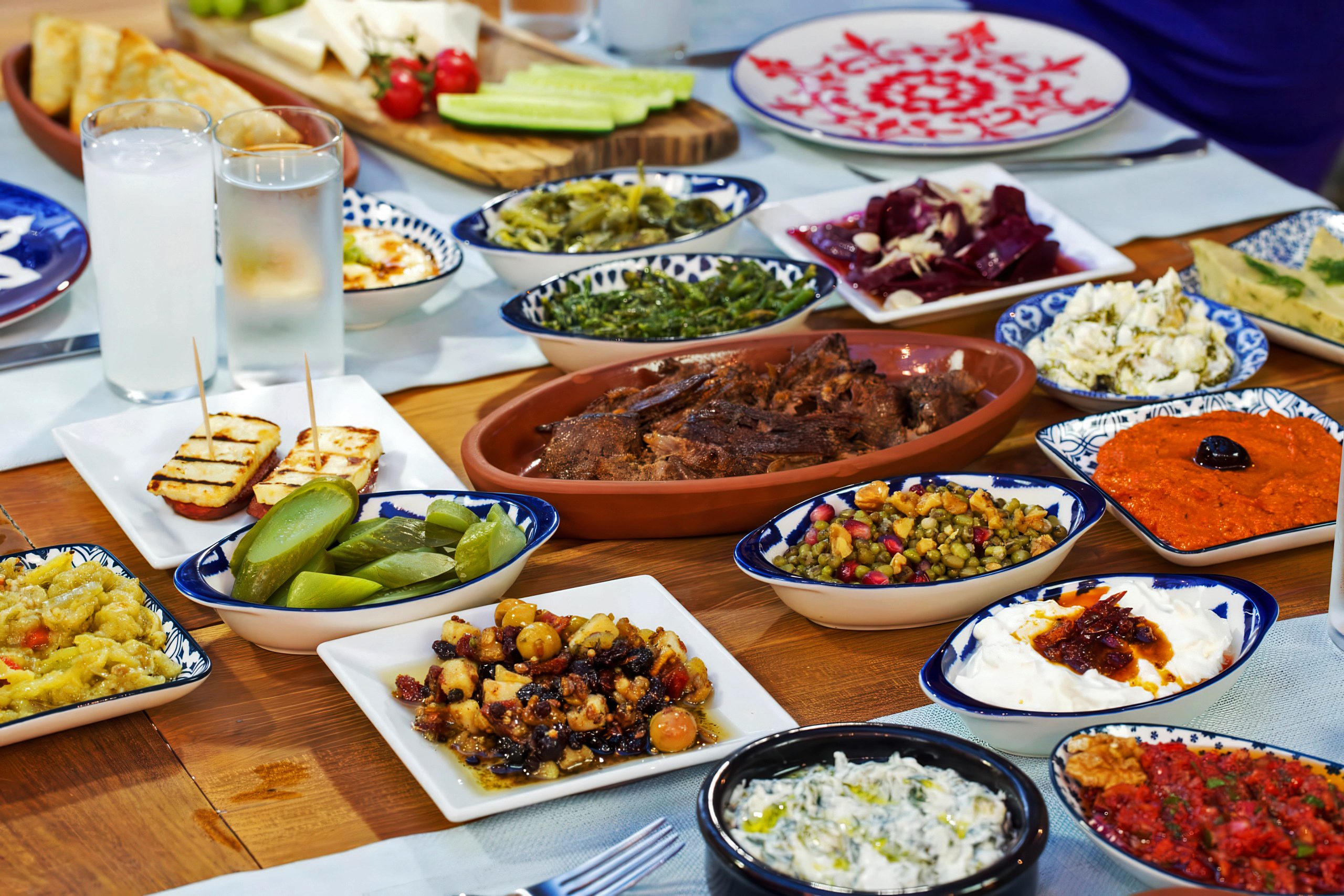
The meal usually moves from light to heavy and from cold to hot. Early dishes stimulate appetite and conversation, while later dishes provide substance and closure. This pacing allows diners to talk, pause, and adjust without being overwhelmed.
Typical progression includes:
- Cold dips and olives to open the table
- Salads and bread to establish balance
- Warm dishes like halloumi or cured meats
- Fried or grilled items for texture and depth
- Slow-cooked meats or stews as a climax
- Fruit or light sweets to finish
The sequence matters more than the exact dishes. It is the structure that defines the experience and gives meze its distinctive rhythm.
Bread as the Silent Foundation
Bread is present from the beginning and never leaves the table. Thick Cypriot pitta, often lightly grilled, is used to scoop dips, wrap meats, and clean plates between courses.
It is not a side dish. It is a tool. Knowing when to eat it and when to hold back is part of understanding meze. Filling up too early is considered a common mistake, especially for first-time visitors who underestimate how long the meal will last.
Halloumi’s Supporting Role
While halloumi is iconic, it does not dominate meze. Instead, it acts as a bridge between cold starters and heavier meats. Grilled or fried halloumi introduces heat and salt without overwhelming the palate.
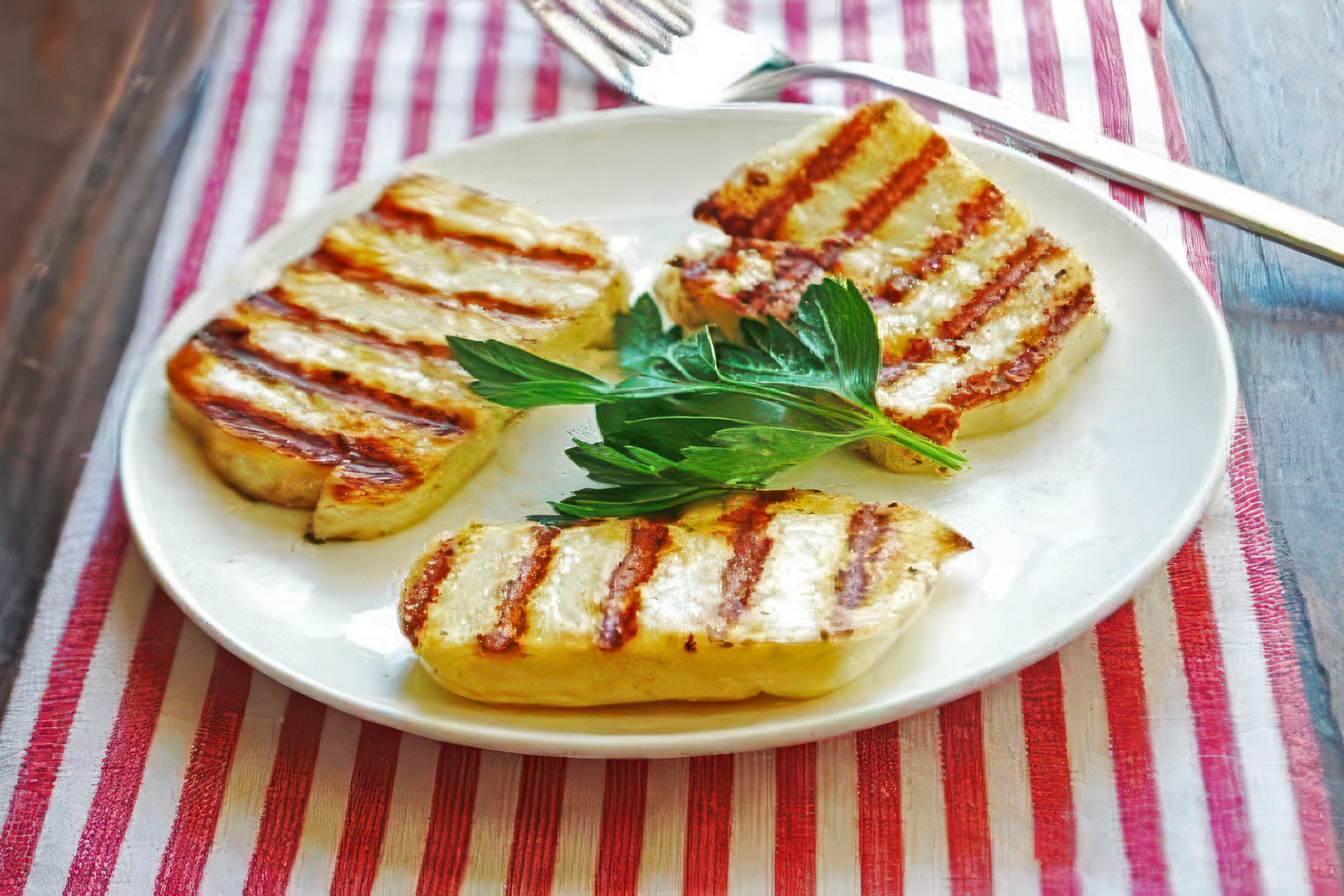
Served in shared slices, it reinforces the communal nature of the table. Its role is functional rather than performative, which explains why it appears so consistently across regions and seasons.
Meat, Seafood, and Geography
The contents of a meze table change depending on where you are eating, and geography quietly shapes the experience.
Inland and mountain regions favour pork and lamb. Dishes such as sheftalia, souvlaki, afelia, and slow-cooked stews reflect pastoral traditions and cooler climates. Coastal meze replaces many meat dishes with seafood. Octopus in wine, fried calamari, small fish, and grilled mullet take centre stage.
The structure remains the same, but the ingredients reflect proximity to the sea or mountains. This flexibility allows meze to remain local without becoming rigid.
Seasonality Still Matters
Despite modern refrigeration and tourism, seasonality continues to shape meze in subtle but important ways.
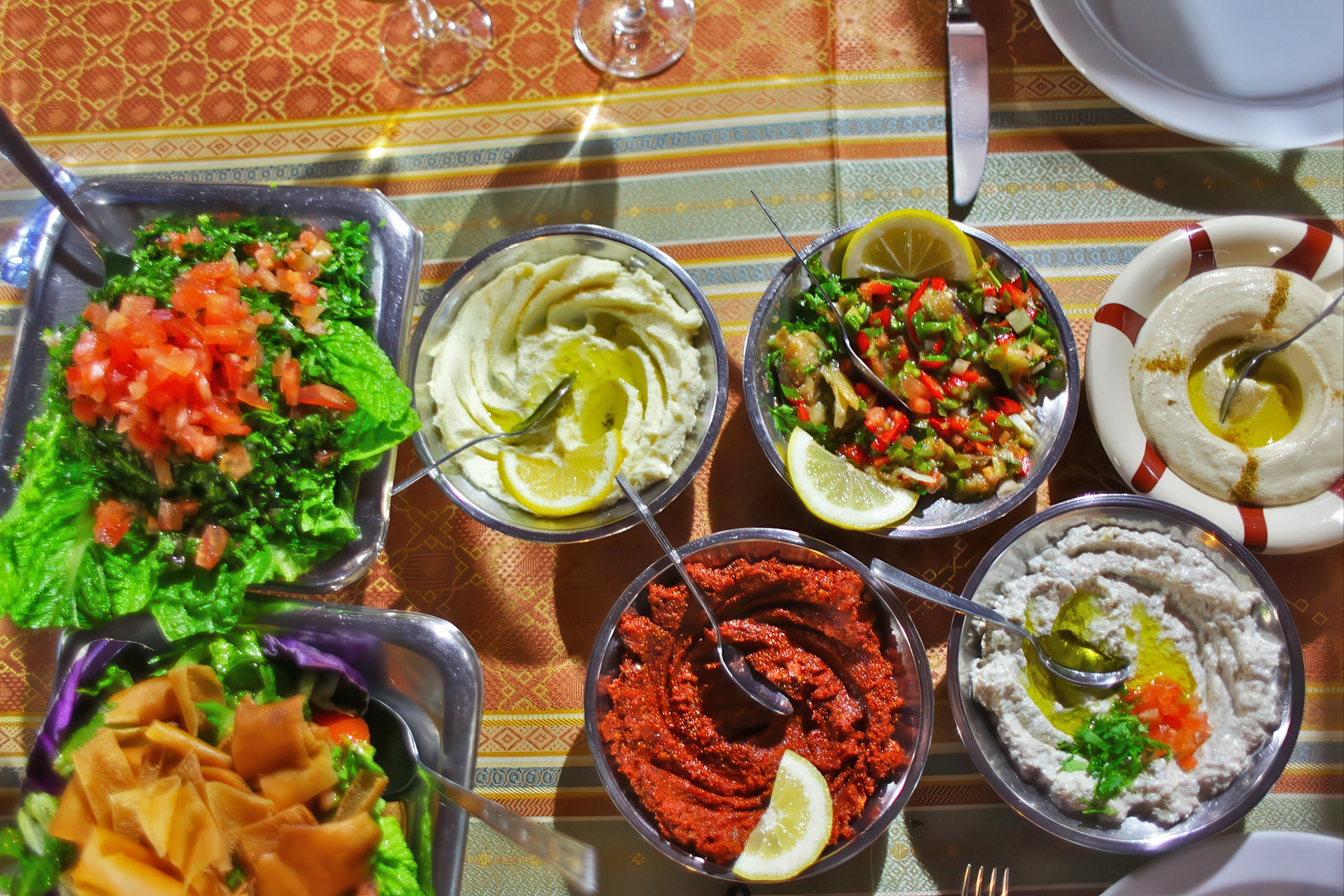
Summer meze is lighter. Watermelon with halloumi, fresh salads, and seafood appear more frequently. Winter meze leans toward stews, legumes, wild greens, and dishes that benefit from long cooking. Some ingredients appear only briefly each year, and locals recognise these moments instantly. Their arrival turns an ordinary meze into something memorable.
Seasonality keeps the ritual connected to the landscape rather than frozen in tradition.
Conversation Is the Central Ingredient
Meze is designed to slow people down. Dishes arrive in waves, creating natural pauses where conversation can unfold without interruption.
In Cyprus, a meal that lasts three hours is not excessive. It is successful. Rushing a meze suggests impatience or disinterest rather than efficiency. The food exists to support the gathering, not to end it quickly.
In this sense, meze is less about eating and more about creating time together.
How Meze Is Ordered and Shared
In traditional tavernas, meze often has no written menu. You sit down, agree to meze, and trust the kitchen. The price is usually fixed per person, and the table receives the same dishes, reinforcing the idea that the experience is collective rather than individual.
Leaving food behind is not rude. In fact, an empty table can imply that the host did not provide enough. Abundance is intentional and communicates care. For visitors, this can feel unfamiliar, but it reflects a different definition of value, one that prioritises generosity over efficiency. In areas such as Laiki Geitonia in Old Town Nicosia, meze is still experienced as a slow social ritual, where tavernas serve endless shared plates in the heart of the historic city.
Modern Meze Without Losing Its Core
Urban restaurants and tourist areas sometimes offer shorter or themed versions of meze. Vegetarian and plant-based meze are also increasingly common, drawing on long-standing fasting traditions rather than modern trends.
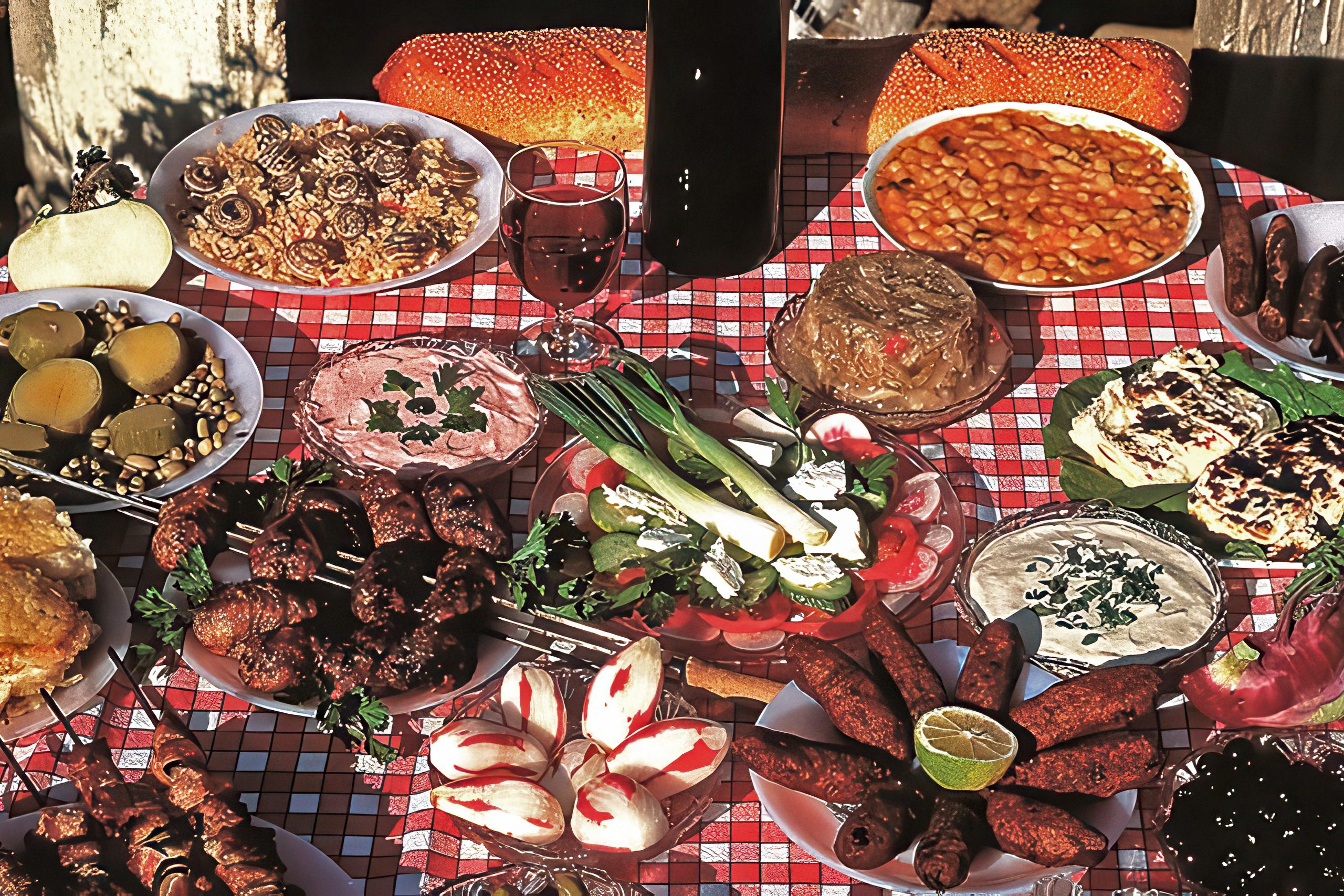
What matters is not whether the dishes are traditional or contemporary, but whether the structure remains intact. When pacing, sharing, and variety are respected, meze retains its meaning, even as ingredients evolve.
Why the Meze Tradition Endures
Meze survives because it does something modern life rarely allows. It creates time. It removes choice pressure. It replaces individual preference with collective experience.
For Cypriots, meze is not nostalgia. It is continuity. It links past and present through habits that still make sense today, even in a fast-moving world.
To sit at a meze table is to participate in a cultural rhythm that values people over speed and connection over efficiency. That is why meze remains not just a meal, but one of the clearest expressions of Cypriot identity.