3 minutes read See on map

In the sunny landscapes of Cyprus, a little plant called veined sainfoin (Onobrychis venosa) adds pops of pink to rocky hillsides. This endemic wildflower, unique to the island, thrives in tough spots and has a story tied to Cyprus’s natural history. But what makes its veiny leaves and blossoms so special?
www.inaturalist.org

What Exactly Is This Charming Cypriot Wildflower?

Onobrychis venosa is a small, wild herb that’s part of the legume family, like peas or beans. It’s a perennial plant, meaning it comes back year after year, and it’s found only in Cyprus, making it a true island native.

How Did This Plant Bloom from Cyprus’s Ancient Soils?

The origins of Onobrychis venosa trace back to the island’s geological past, where tectonic shifts and volcanic activity created diverse habitats over millions of years. First described in the early 19th century by botanists Desfontaines and Desvaux, it was named for its distinctive veined appearance. As Cyprus evolved in isolation in the Mediterranean, this plant adapted to dry, bushy slopes, becoming one of the island’s endemic treasures.

Picture This: A Low-Growing Beauty with Striking Veins

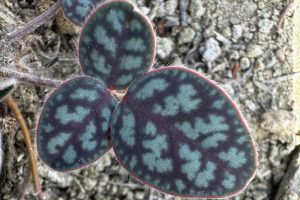
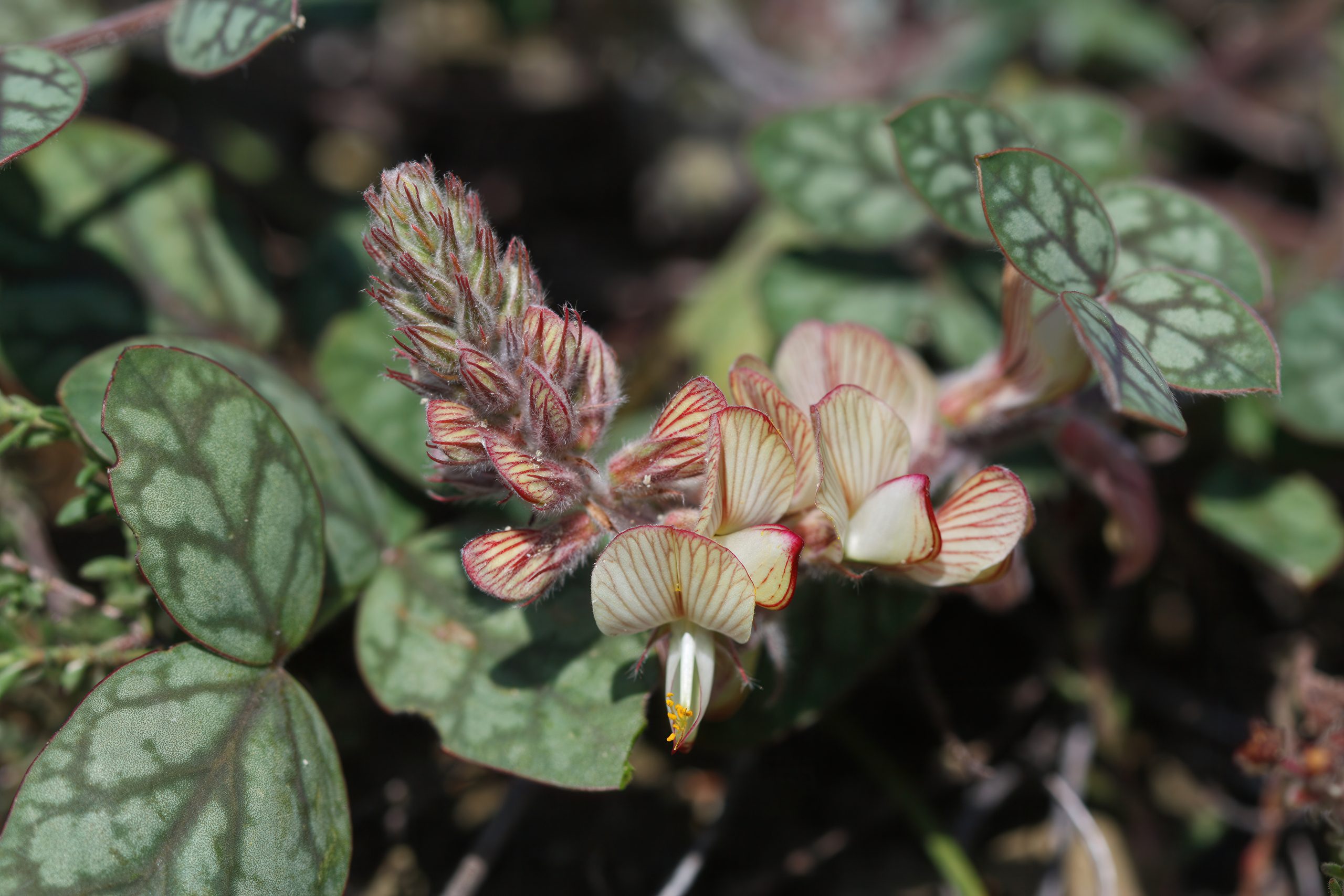
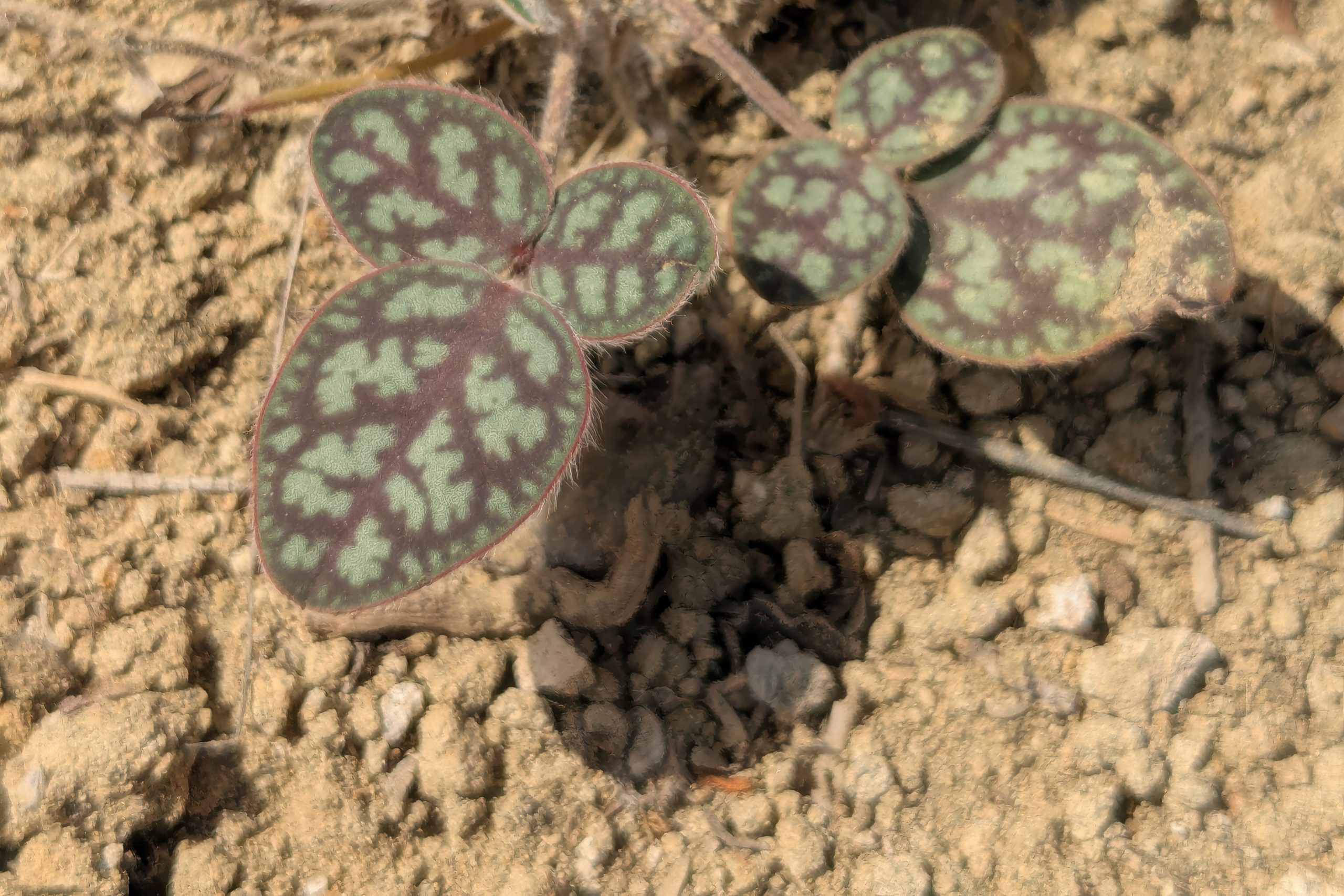
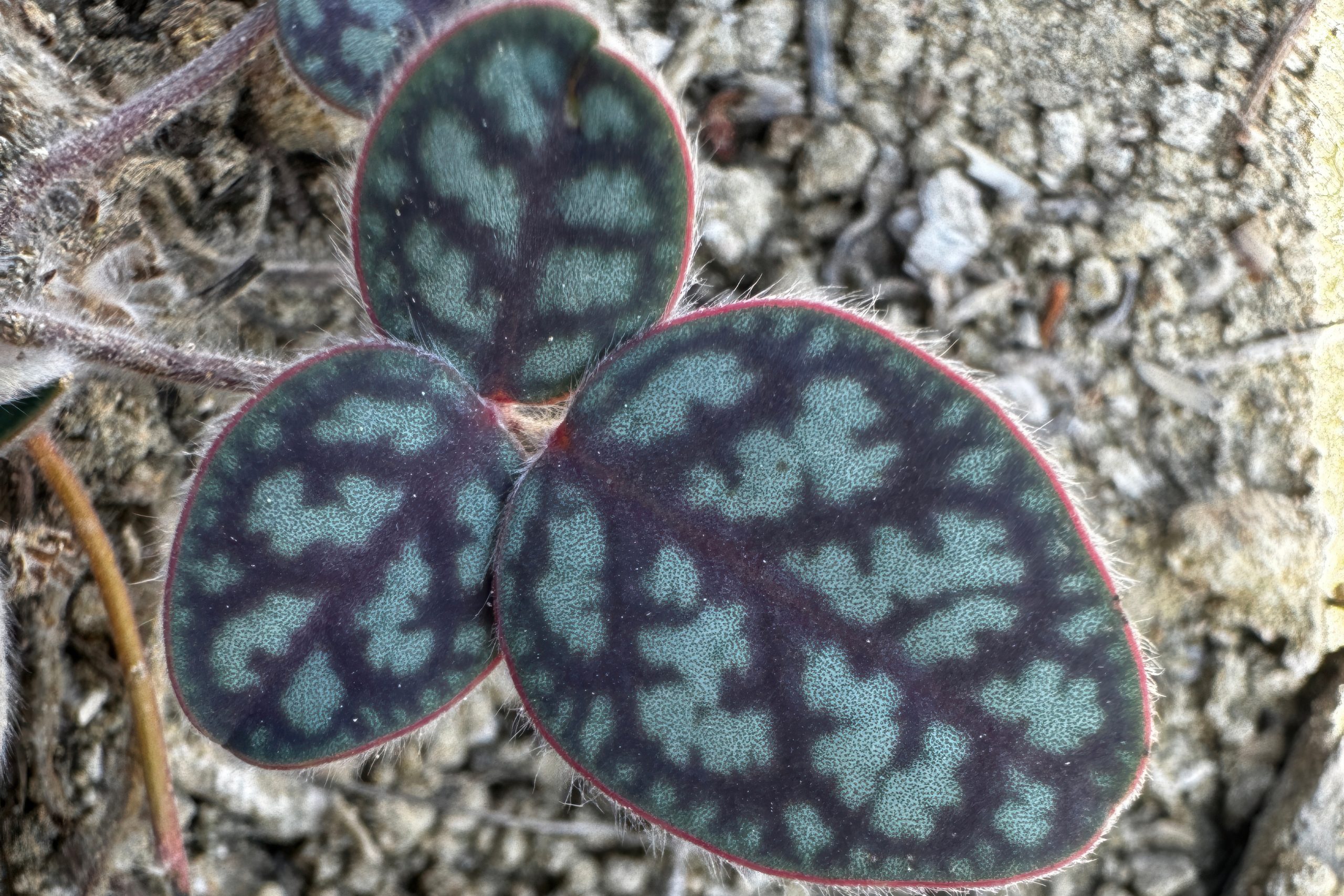
This herb grows just 10 cm tall, spreading out wide with a short stem and alternate leaves that are compound and feather-like, marked by prominent veins that give it a textured look. Its flowers cluster in spikes, blooming in soft pink shades with reddish veins, creating a delicate contrast against green foliage on dry, rocky grounds.
www.inaturalist.org

Bet You Didn’t Know These Fun Plant Surprises!

Onobrychis venosa is nicknamed “veined sainfoin” because its leaves and flowers show off those eye-catching veins like a natural roadmap. It’s one of four sainfoin species in Cyprus, but this one’s the only veined and endemic, making it a local celebrity. In some places, related sainfoins were used as animal fodder in old farming days, but this wild version just brightens up the wild!

Unlocking More: A Legume with Island Adaptations

As a member of the Fabaceae family, Onobrychis venosa has a clever trick — like many legumes, it fixes nitrogen in the soil, helping enrich poor, dry earth where it grows. Its flowers attract pollinators like bees, supporting local ecosystems, and it prefers calcareous soils on hillsides across all Cypriot districts.

Why This Wildflower Still Matters in Modern Cyprus

Today, Onobrychis venosa highlights Cyprus’s biodiversity, with botanists and nature lovers spotting it as a symbol of the island’s unique flora. It’s part of conservation efforts to protect endemic species from climate change, and it inspires eco-tourism, connecting people to Cyprus’s natural heritage in a world that’s increasingly aware of preserving wild spaces.
www.inaturalist.org

Ready for a Springtime Stroll? Here’s How to See It!

You can spot Onobrychis venosa on hikes in dry, bushy areas around the coastline trails, blooming from March to May. The experience feels refreshing — wandering sunny slopes, with the air filled with wild scents and the sight of these unusual veined blooms against rocks offering a peaceful, grounding connection to nature. Just stick to paths to keep habitats safe.

Why Onobrychis venosa Captures the Resilient Spirit of Cyprus

This humble plant reminds us of Cyprus’s incredible ability to nurture unique life in challenging environments, adding to the island’s tapestry of endemic wonders. Knowing about it deepens our appreciation for the Mediterranean’s hidden gems, encouraging us to cherish and protect the wild beauty that makes Cyprus so special.
Discover more about the fascinating edges of Cyprus

Neptune Grass of Cyprus

Neptune Grass of Cyprus

Beneath the turquoise surface of the Cypriot sea, invisible to the sunbathers on the shore above, lies one of the most extraordinary living communities on Earth. It is not a reef, not a forest of kelp, but something far more ancient and remarkable – a meadow of flowering grass, swaying gently in the current, older than most civilisations. And Cyprus, it turns out, may be home to one of the most resilient stands of this grass anywhere in the Mediterranean. Not an Alga – A True Flowering Plant Many people who encounter Neptune grass – either as tangled brown leaves washed up on a beach or glimpsed through a snorkel mask – assume it must be a seaweed. It is not. Posidonia oceanica, known as Neptune grass or Mediterranean tapeweed, is a true flowering plant, a cousin of the grasses and lilies that grow on land. It belongs to the family Posidoniaceae, placed within the order Alismatales in the monocot group – the same grand branch of the plant kingdom that includes reeds, palms, and orchids. Like any terrestrial plant, it has roots, stems, leaves, flowers, and fruits. It simply chose, tens of millions of years ago, to live at the bottom of the sea. From the Land to the Deep: An Ancient Migration The story of Neptune grass begins…

Read more
Endangered Plants of Cyprus

Endangered Plants of Cyprus

Cyprus hosts approximately 2,000 plant species, with 146 being endemic to the island. This means they exist nowhere else on Earth. The flora of Cyprus developed over millions of years through a combination of geographic isolation, diverse geology, and varying climate zones. Today, around 258 plant taxa are classified as threatened according to international conservation standards. These include species listed as Critically Endangered, Endangered, or Vulnerable by the International Union for Conservation of Nature. Historical Background The island's plant diversity reflects its position at the crossroads of three continents. Cyprus sits in the eastern Mediterranean where Europe, Asia, and Africa meet. This location allowed species from different regions to colonize the island over time. The Troodos Mountains, formed from ancient oceanic crust pushed above sea level, created unique habitats on igneous and serpentine rocks. These challenging soils fostered the evolution of specialized plants found only in Cyprus. Human activity has shaped the landscape since 8200 BC. Traditional agriculture created semi-natural habitats where wild plants thrived alongside cultivated crops. However, modern development pressures have accelerated habitat loss, particularly in coastal areas where tourism infrastructure expands rapidly. Notable Endangered Species The Cyprus Cedar (Cedrus brevifolia) grows exclusively in five small locations within the Troodos Mountains at elevations of 1,200 to 1,900 meters. This tree is classified as Vulnerable, with only about 16,000…

Read more
Rare Plants and Animals of Cyprus High-Elevation Zones

Rare Plants and Animals of Cyprus High-Elevation Zones

Cyprus hosts an extraordinary concentration of endemic species in its high-elevation zones, particularly within the Troodos Mountains. At altitudes between 1,000 and 1,952 meters, unique geological conditions combine with Mediterranean climate variations to create habitats found nowhere else on Earth. The island supports 143 endemic plant species, with 47 of these confined exclusively to the Troodos range above 1,000 meters. These mountains function as a natural laboratory where volcanic soils, steep valleys, and climate extremes have shaped remarkable biodiversity over millions of years. The Troodos Mountain Environment Mount Olympus, also called Khionistra, rises to 1,952 meters and represents the highest point in Cyprus. The Troodos range occupies roughly half the island's total area, its core composed of igneous rocks formed from elevated ocean shell and lithospheric mantle. This volcanic substrate creates serpentine soils with mineral compositions drastically different from the island's lowlands. Deep valleys carved by streams such as Pedios, Yelias, Serakhias, Ezousa, Diarizos, and Xeropotamos provide north and northwest-facing slopes where humidity accumulates and temperatures moderate. Between the thermophilous lower slopes and the semi-alpine summit zone, elevation creates distinct vegetation bands. Black pine forests dominate from 1,300 to 1,950 meters, replacing Calabrian pine at the transition point. The highest slopes support foetid juniper in what approaches an alpine environment. Annual precipitation ranges from 300 millimeters on the central plains…

Read more