Cyprus stands as the third-largest island in the Mediterranean Sea, covering 9,251 square kilometers of diverse landscapes. The island’s woodlands represent roughly 19 percent of its total land cover, a significant portion that plays a vital role in carbon storage, oxygen production, and temperature regulation. These forests divide into distinct zones based on altitude, climate, and soil composition, with coniferous species dominating the higher elevations and mixed Mediterranean vegetation covering the lowlands.
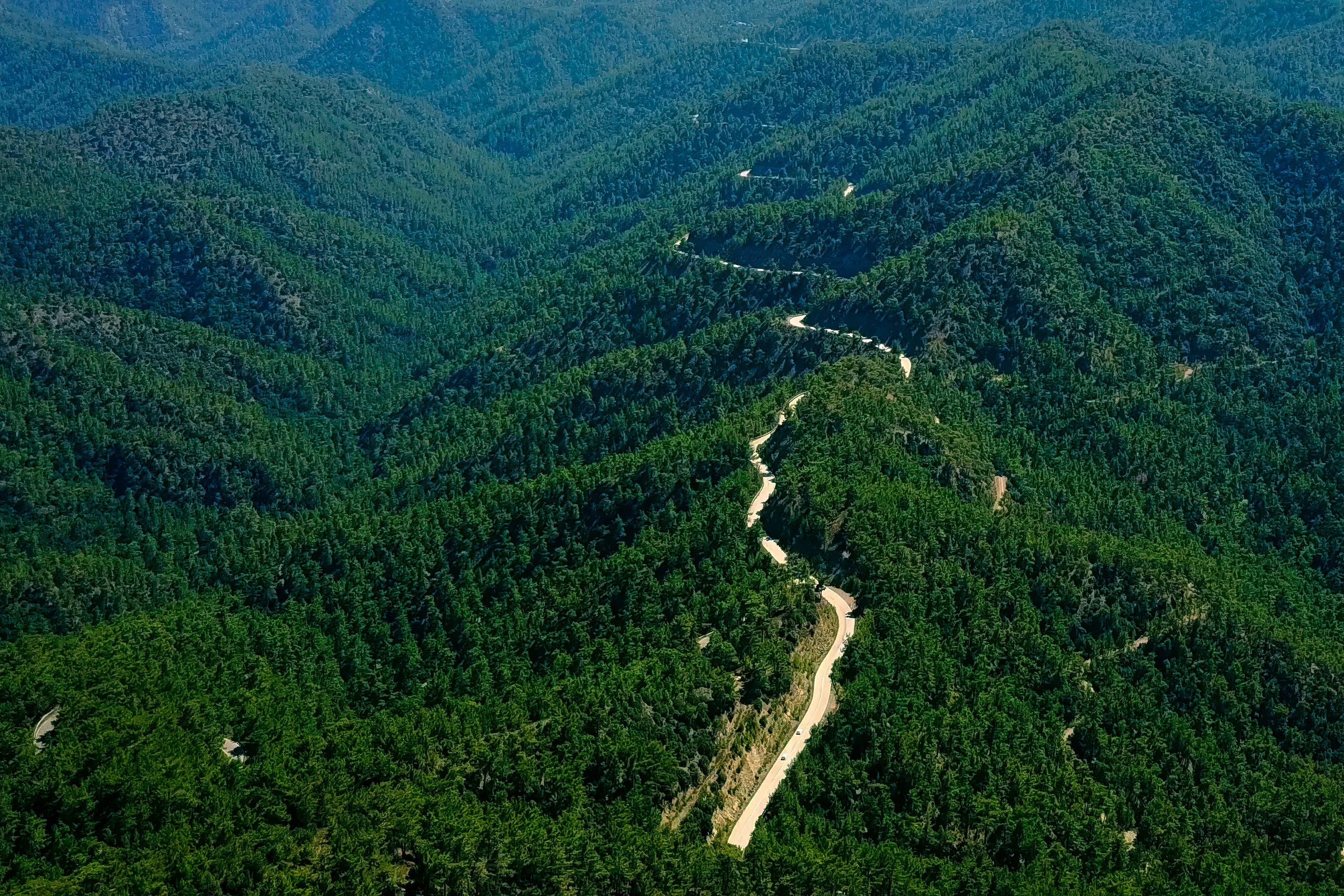
The Mountain Ranges and Their Forests
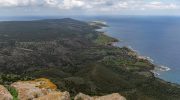
The Troodos Mountains rise in the southwest, with Mount Olympus (also called Chionistra) reaching 1,952 meters at its peak. The Kyrenia Mountains stretch along the northeastern coast, forming a lower but equally important range. Between these two mountain systems lies the Mesaoria plain, a central lowland area. This varied topography creates multiple forest zones, each supporting different plant communities adapted to specific elevation and moisture levels.
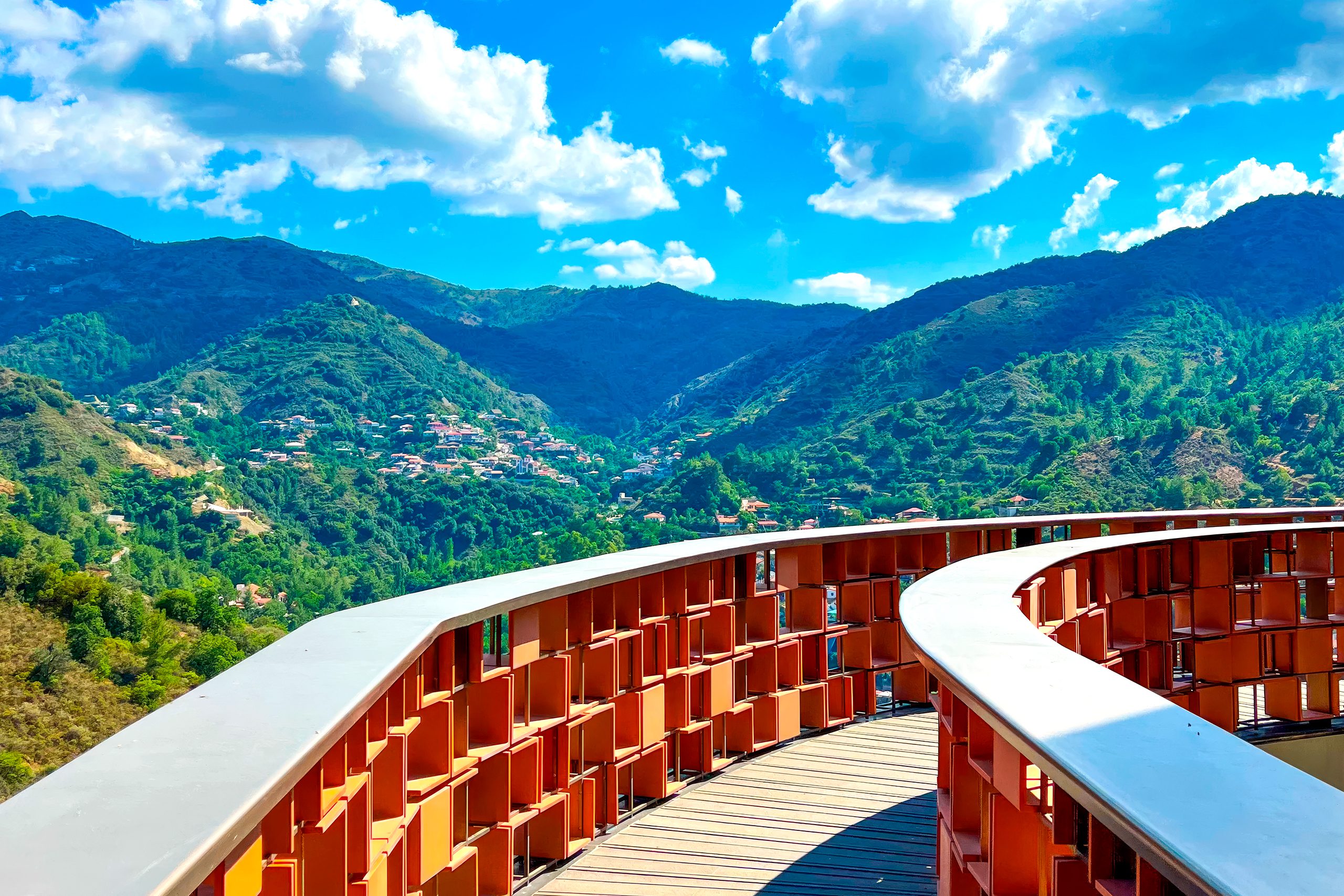
Calabrian pine forests represent the most extensive woodland type on the island. These forests blanket both mountain ranges from sea level up to approximately 1,400 meters in elevation. The Calabrian pine thrives in the Mediterranean climate and forms the backbone of Cyprus’s forest ecosystem. At higher altitudes in the Troodos range, black pine takes over, dominating areas from 1,400 meters upward to the mountain peaks.
The Rare Cedar Stands of Paphos Forest
Cyprus cedar represents one of the island’s most precious natural treasures. This endemic species exists only in a small area known as Cedar Valley within Paphos Forest, where it grows at elevations between 800 and 1,400 meters. The entire population covers just 290 hectares, with only 106 hectares consisting of pure cedar stands. These fragmented populations occupy six separate geographical areas, mostly within the Koilada Kedron-Kampos Natura 2000 site.
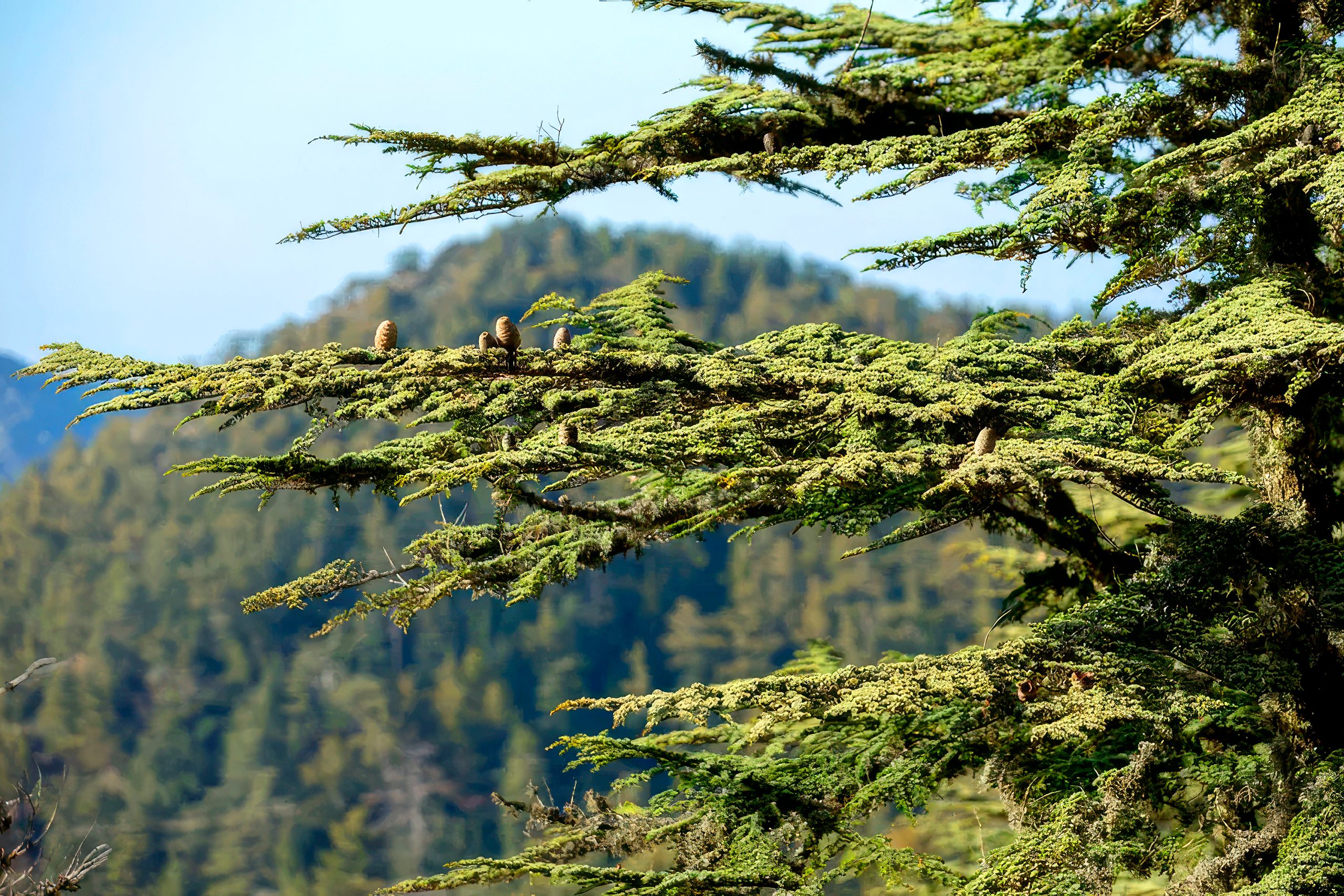
The species faces multiple threats in its limited range. Periodic droughts cause dieback in cedar populations, while insect blights and forest fires pose constant dangers. The cedar’s inability to migrate to higher altitudes makes it particularly vulnerable to climate change. Conservation efforts through the LIFE-KEDROS project have undertaken silvicultural treatments to reduce competition between young and mature trees. Restoration work has expanded cedar habitat by 9.4 hectares and restored an additional 12.3 hectares of degraded land.
Golden Oak and Other Endemic Trees
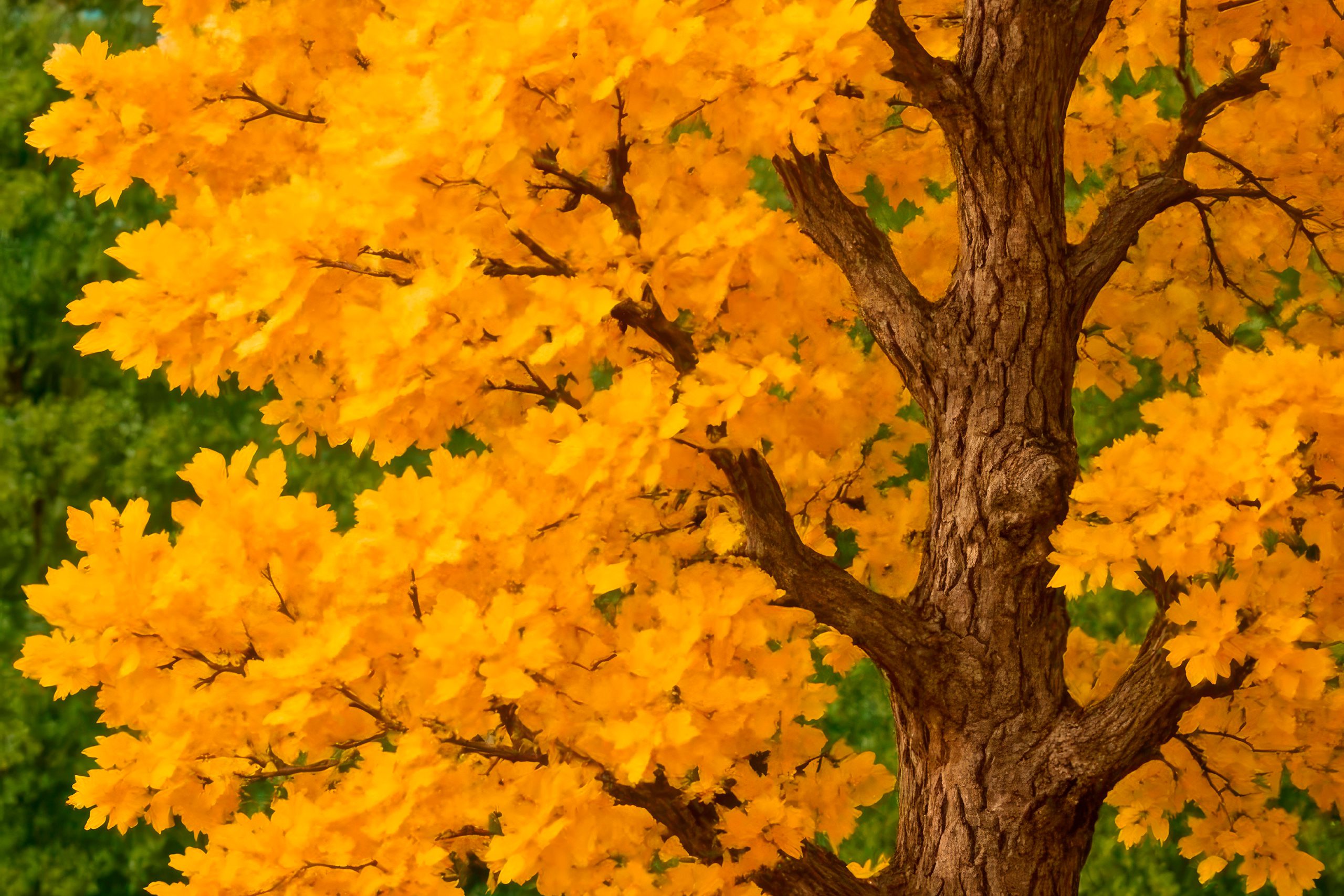
The golden oak stands as Cyprus’s national tree and another endemic species found exclusively in the Troodos Mountains. This evergreen oak grows on the igneous geological substrate of the Troodos Massif between 400 and 1,800 meters elevation. The species appears either in dense stands by itself or mixed with Calabrian pine. Both Cypriot law and European Union regulations protect the golden oak and its scrub habitat.
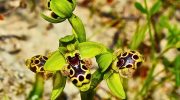
Cyprus hosts 1,750 native plant species, with 128 classified as endemic. The Troodos Mountains contain the highest concentration with 87 endemic species, followed by the Kyrenia Mountains with 57 species, and the Akamas peninsula with 35 species. The island’s flora includes aromatic herbs such as Troodos sage, wild thyme, and various orchids that thrive in the understory of pine and cedar forests.
Lowland Maquis and Garrigue Communities
The dry lowlands feature distinct vegetation types adapted to Mediterranean conditions. Maquis shrubland includes species such as European olive, carob tree, Phoenician juniper, mastic tree, and scattered Calabrian pines. This vegetation type covers extensive areas and proves highly resistant to climate change due to the berry production that supports migrating seed-eating birds.
Garrigue vegetation occupies even drier areas, consisting of low shrubs and herbs including lavender, thyme, rosemary, sage, and various Cistus species. This discontinuous plant community represents the typical vegetation at the dry end of the Mediterranean climate spectrum. Garrigue areas often develop in forest openings, burned areas, or abandoned agricultural land.
River Valleys and Riparian Zones
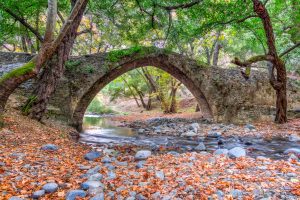
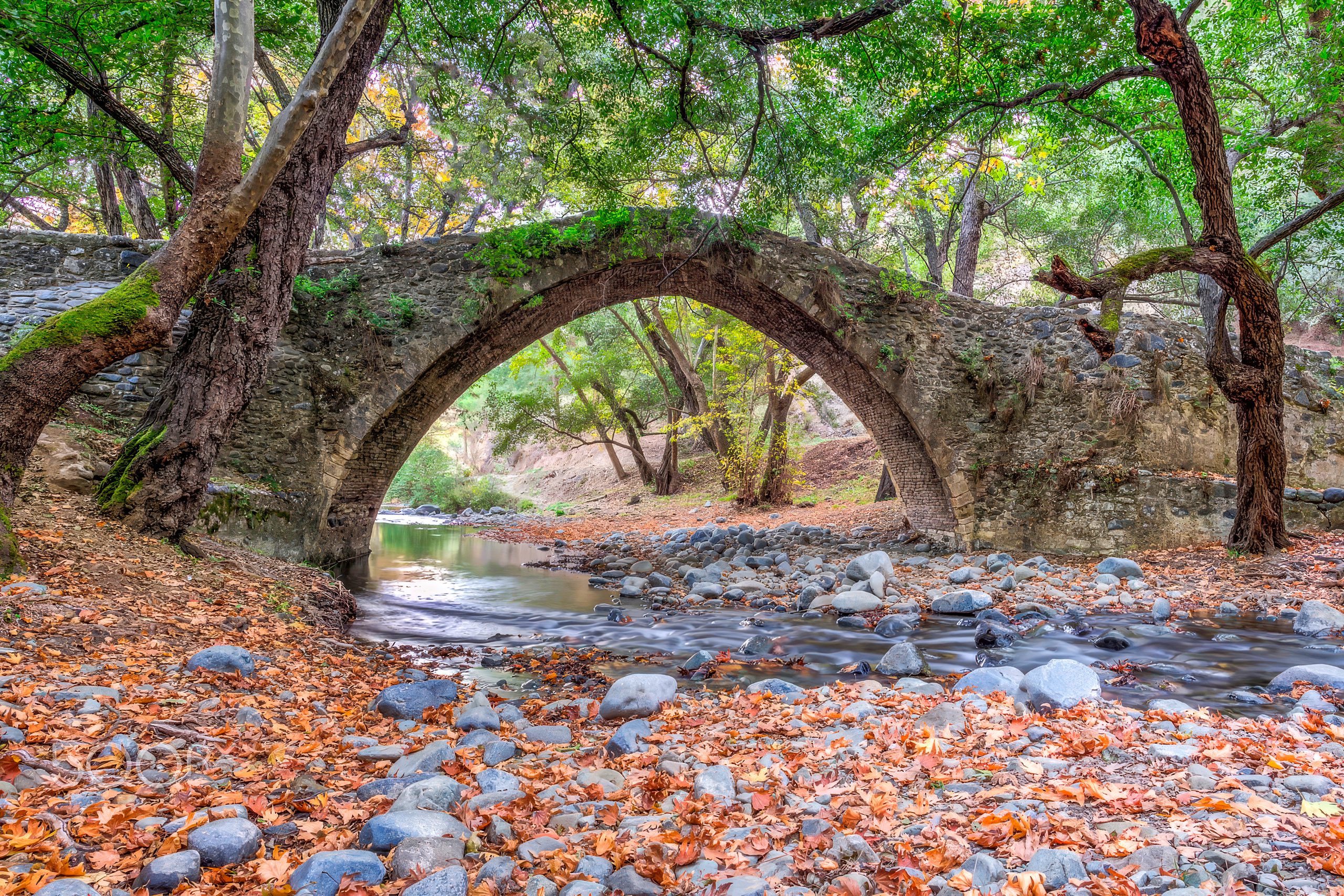
Along river valleys, a different forest type emerges. Oriental plane and alder trees dominate these riparian zones, accompanied by oleander, bay laurel, and myrtle. Dam construction has significantly reduced these habitats by creating dried riverbeds below dam lines. The remaining riparian forests provide crucial habitat diversity and serve as important corridors for wildlife movement between mountain ranges.
Protected Areas and Conservation Efforts
Cyprus protects 752 square kilometers of land through various designations. The network includes seven nature reserves, eleven national forest parks, thirteen permanent game reserves, and one turtle nesting beach. Paphos Forest covers approximately 603 square kilometers and represents the most extensive forest complex on the island. More than 70 percent of the Natura 2000 network falls within forested areas.
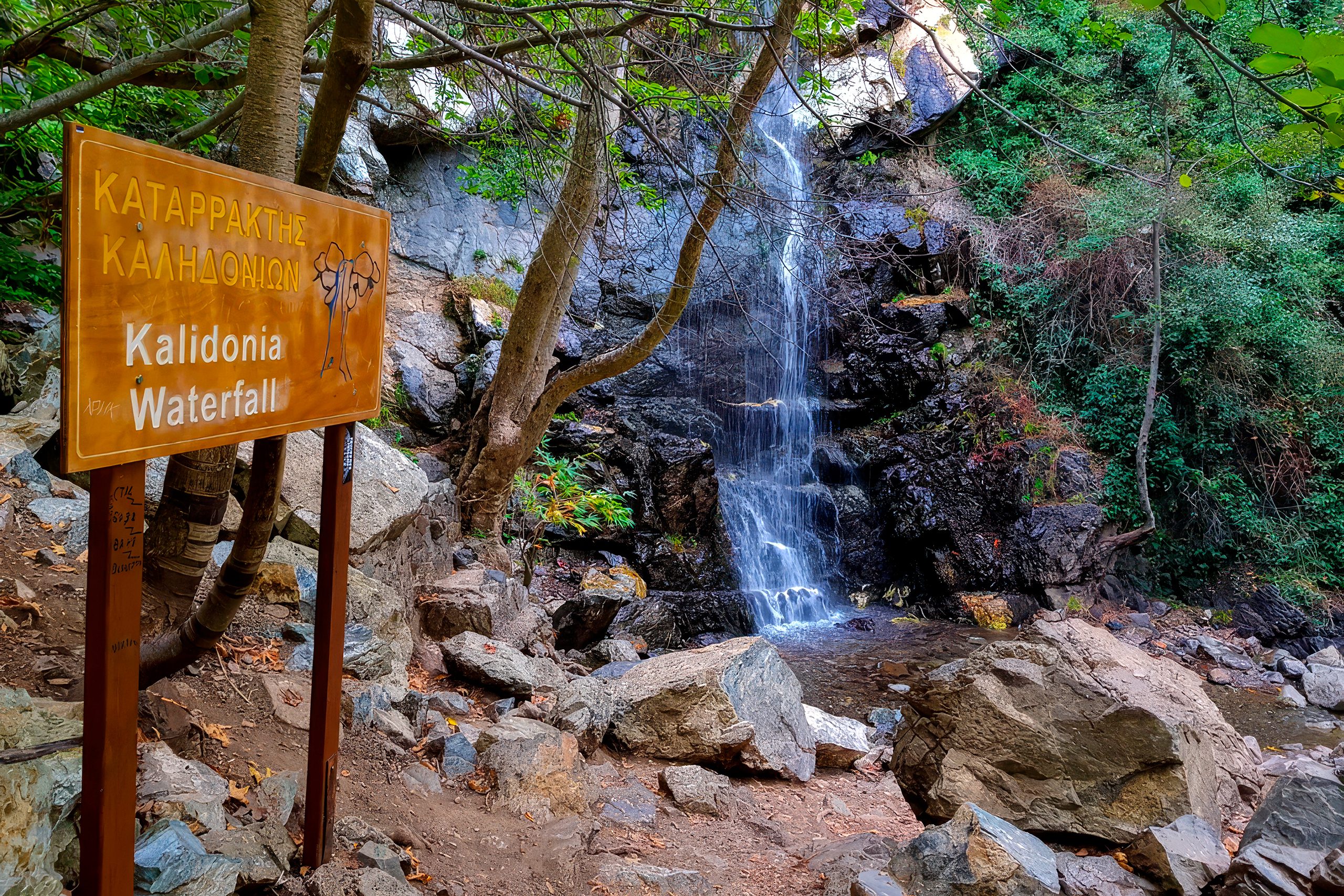
Troodos National Forest Park encompasses 90.62 square kilometers and received UNESCO Global Geopark status in 2015. The park protects mountain conifer forests, juniper woodlands at the highest elevations, and numerous endemic plant species. Conservation management focuses on reforestation using diverse native species appropriate for each locality, with special attention given to endemic communities.
Environmental Pressures and Management
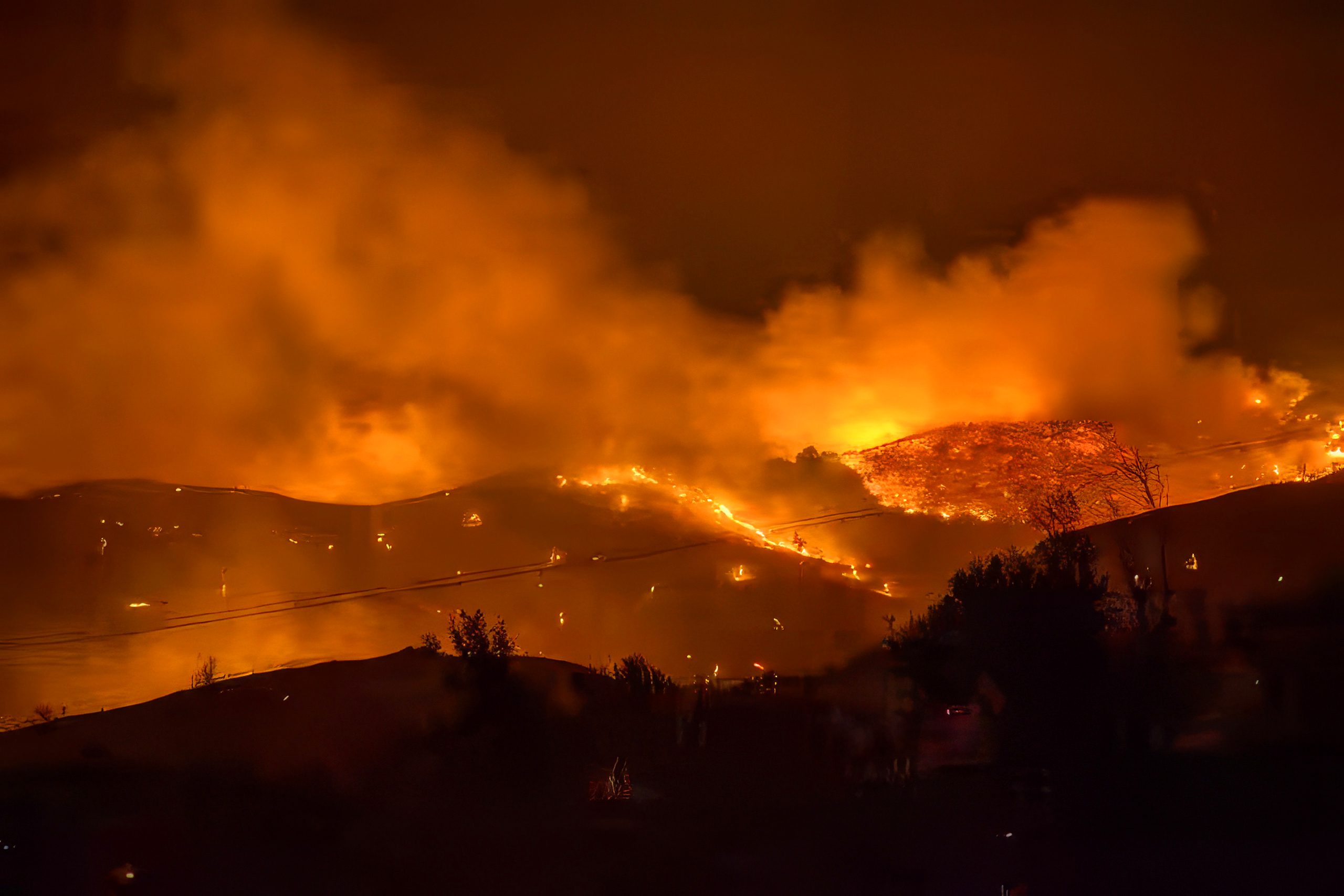
Forest fires represent the most significant threat to Cyprus woodlands. Limited precipitation and frequent heatwaves create conditions that increase both fire ignition and intensity. Past afforestation programs often focused exclusively on planting Calabrian pine, even in unsuitable areas. These monoculture forests prove vulnerable to fires and suffer from outbreaks of pine processionary caterpillar and bark beetles.
Water overexploitation, particularly for agriculture, creates growing concern as precipitation decreases under climate change. Historical overgrazing and forest burning to create fresh grassland converted extensive mature woodland into the shrubland communities visible today. The 19th century saw Cyprus support a larger goat population than any other Mediterranean island, accelerating forest degradation.
Forest Wildlife and Endemic Fauna
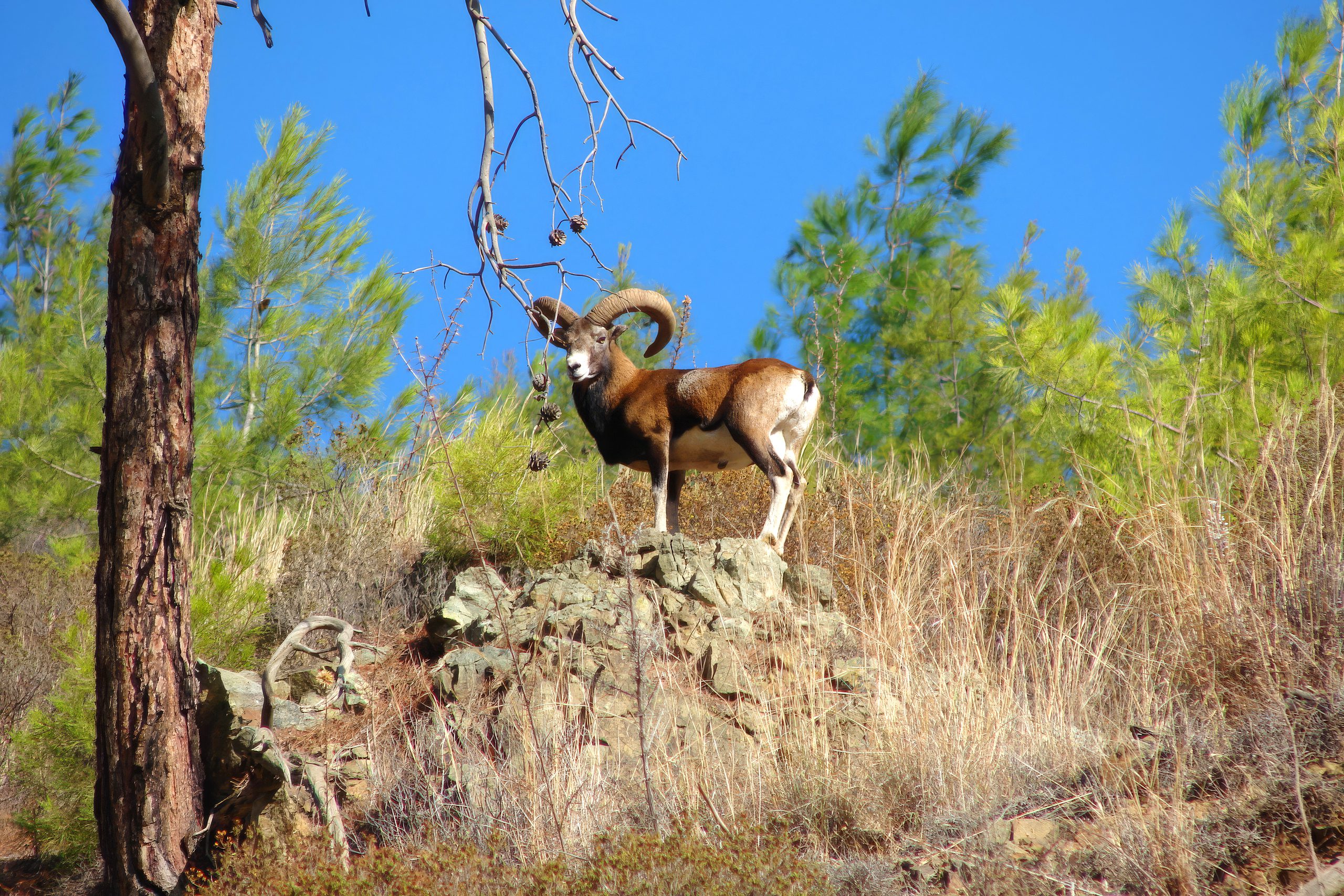
The Cyprus mouflon, a wild sheep subspecies, represents the island’s most iconic endemic mammal and the largest wild land animal in the region. These animals inhabit the Paphos Forest and surrounding protected areas, their distinctive curved horns making them immediately recognizable. Other endemic species include the Cyprus warbler, Cyprus wheatear, Cyprus scops owl, Cyprus spiny mouse, and Cypriot mouse.
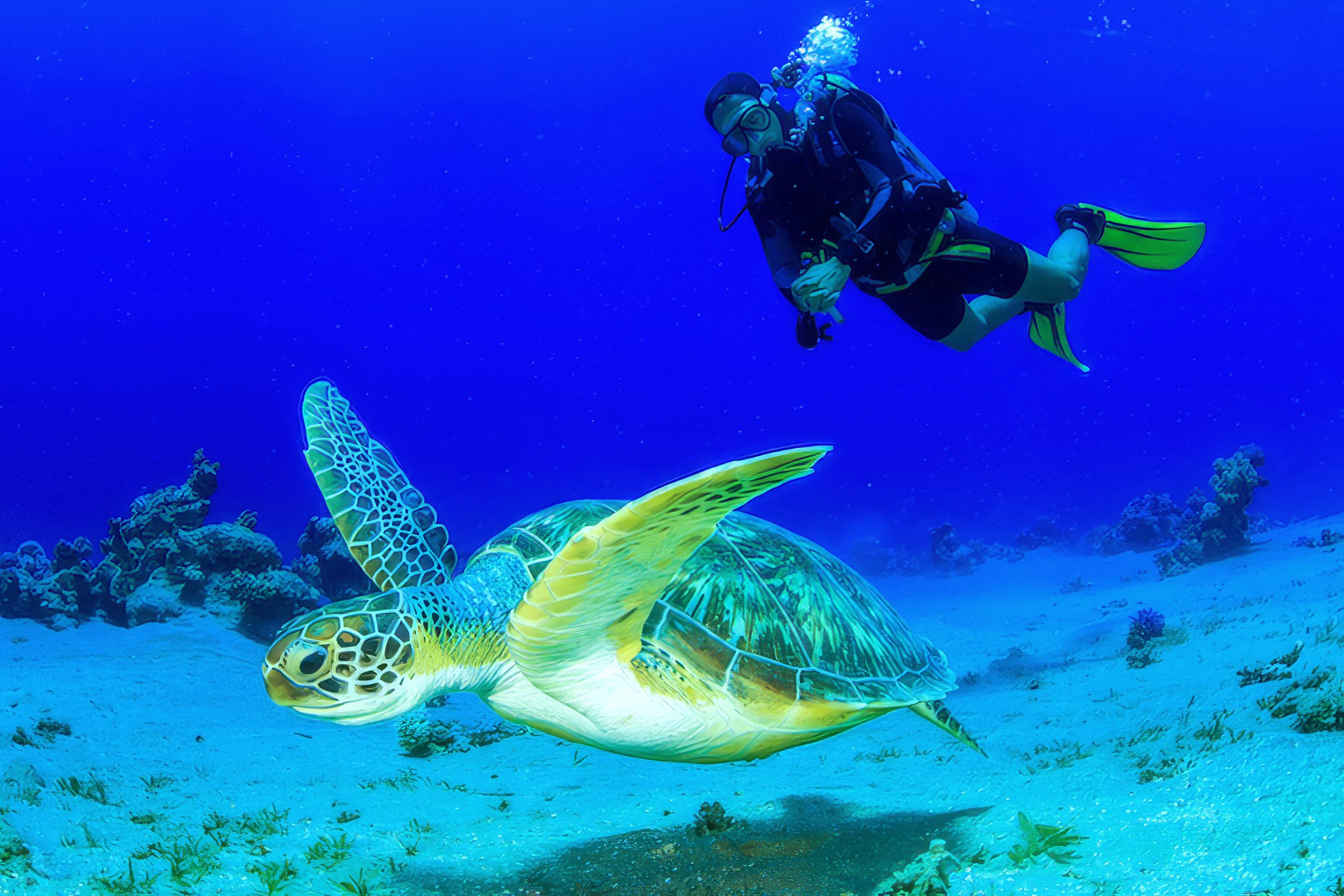
The forests support diverse birdlife, with several species unique to Cyprus. Green sea turtles and loggerhead sea turtles nest on Cyprus shores, while the endangered Mediterranean monk seal also breeds along the coast. The island once supported dwarf elephants and dwarf hippopotamuses, both now extinct, with remains found at archaeological sites dated to approximately 11,500 to 12,000 years ago.
Cyprus woodlands face a critical period as climate pressures intensify. The dominance of pine and cedar species in these forests reflects millions of years of adaptation to Mediterranean conditions. Current conservation strategies emphasize diverse reforestation, fire management, and protection of endemic species. Success in preserving these forests will determine whether future generations can experience the same natural heritage that has characterized Cyprus for millennia.