All Articles

Dragons, Deep Caves, and Serpent Myths

Dragons, Deep Caves, and Serpent Myths

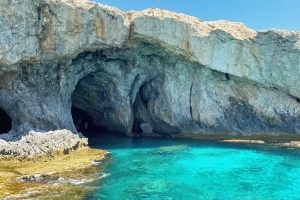
Cyprus possesses a landscape rich with caves, springs, and natural formations that have inspired supernatural stories for thousands of years. The island's geological features, from coastal grottos to mountain springs, became the settings for tales of dragons, serpents, and mysterious creatures that guarded treasures or threatened unwary travelers. These legends blend ancient mythology with local folklore, creating a unique tradition of supernatural stories connected to specific natural sites. The caves and springs of Cyprus served practical purposes as water sources and shelter, but they also held deeper meaning as places where the boundary between the ordinary world and the realm of myth became thin and permeable. Historical Context Serpent and dragon myths in Cyprus trace back to multiple cultural influences.…

Read more

Cyprus Artisanal Sweets

Cyprus Artisanal Sweets

Cyprus has developed a distinctive collection of traditional sweets that reflect centuries of cultural exchange between Greece, the Middle East, and the Mediterranean. These artisanal treats are not luxury items but essential parts of daily life, religious celebrations, and village festivals. From honey-soaked dough balls to sesame confections and refreshing milk puddings, Cypriot sweets combine simple ingredients with time-tested techniques to create memorable flavors. Each sweet tells a story of the island's agricultural abundance, its position as a crossroads of civilizations, and its commitment to preserving culinary heritage. Historical Context The tradition of sweet-making in Cyprus dates back to ancient Greece and Byzantium. Historical texts reveal that many current recipes have roots in Byzantine-era treats called plakoundes, pemmata, or melipikta.…

Read more
Cape Greco Viewpoints, Cyprus

Cape Greco Viewpoints, Cyprus

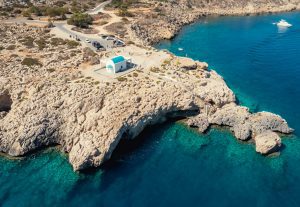
Cape Greco, also known as Cavo Greco, features several distinct viewpoints scattered along its southeastern coastline between Ayia Napa and Protaras. The main viewing platform sits at the highest point of the 385-hectare national forest park, providing 360-degree panoramas of the Mediterranean Sea and surrounding coastline. Additional viewpoints appear along the clifftops at various locations, each offering unique perspectives of limestone formations, sea caves, and the famous Blue Lagoon below. These elevated positions range from easily accessible roadside pullouts to platforms requiring short walks along nature trails. The viewpoints attract photographers, nature enthusiasts, and visitors who want to experience Cyprus's dramatic coastal geology without the crowds found at the resort beaches just minutes away. Geological Origins and Historical Development Cape…

Read more
Blue Flag Beaches of Cyprus

Blue Flag Beaches of Cyprus

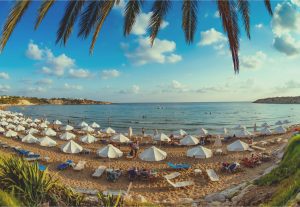
Cyprus earned 66 Blue Flags in 2025, with 64 beaches and 2 marinas recognized for exceptional quality and environmental standards. The Blue Flag certification represents one of the most prestigious international awards for beaches and marinas, granted by the Foundation for Environmental Education. Cyprus consistently ranks as having the cleanest bathing waters in Europe, achieving the highest scores in the Mediterranean year after year. The European Commission's 2024 report confirmed that Cyprus ranked first in the European Union for bathing water quality in both 2022 and 2023. This recognition stems from strict compliance with 33 coastal criteria and 38 marina specific standards covering water quality, environmental management, safety, and educational activities. The number of Blue Flags decreased slightly from 78…

Read more
The Cypriot Limestone Kouros

The Cypriot Limestone Kouros

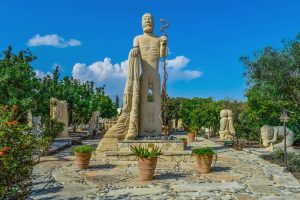
Cypriot limestone “kouroi” are Archaic-era standing male statues that look Greek at first glance but functioned differently, serving mainly as clothed votive figures placed in sanctuaries as lasting representations of worshippers and elite donors. Cyprus’s lack of marble pushed sculptors toward soft local limestone, shaping a calmer, more geometric style that was originally strengthened by bright paint rather than fine anatomy. This article explains how material, ritual purpose, and cross-Mediterranean influence combined to produce a distinctly Cypriot human figure tradition. Kouros in Name Only The word kouros comes from Greek and refers to youthful male statues that became widespread in the Aegean world during the Archaic period. Greek kouroi are usually nude, carved in marble, and designed to embody physical…

Read more
Christmas And New Year Traditions

Christmas And New Year Traditions

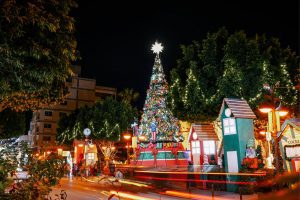
The winter holiday season in Cyprus brings a long period of cultural celebration that blends religious observance, folklore, and strong family traditions. Spanning from late December into early January, this festive cycle is widely known as the Twelve Days of Christmas (Dodekaimera). It is a time when families gather, villages host events, and public spaces fill with lights, music, and seasonal markets. Unlike many Western countries where gift exchange happens on December 25, Cyprus follows a different custom, with gifts traditionally exchanged on New Year’s Day. The season also includes midnight gatherings, children’s songs performed door-to-door, elaborate home cooking, and symbolic folk practices that reflect centuries of cultural continuity in Mediterranean life. Seasonal Preparations and Early Winter Customs The lead-up…

Read more
Lampadistis Monastery Cyprus

Lampadistis Monastery Cyprus

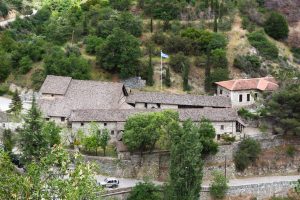
Ayios Ioannis Lampadistis in Kalopanayiotis is a rare monastery complex where three connected chapels preserve nearly a thousand years of Cypriot worship and wall painting within one enclosed interior. A single timber roof, built for the Troodos climate, protected multiple fresco phases and allowed Byzantine, local devotional, and Western-influenced imagery to survive side by side. This article explains how the complex grew, what each chapel contributes, and why Lampadistis remains one of Cyprus’s clearest records of faith evolving without erasing its past. Built by Layers, Not Plans The Lampadistis complex was never planned as a unified structure. Instead, it grew organically as needs changed, saints were venerated, and political realities shifted. The earliest building, the Church of Saint Herakleidios, dates…

Read more
Cinematic Sea Cliffs and Stone Fortresses

Cinematic Sea Cliffs and Stone Fortresses

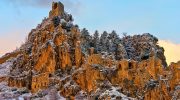
These fortifications originally served as watchtowers and defensive positions against Arab raids from the 7th to 10th centuries, with guards using fire signals to communicate between castles and warn coastal cities of approaching enemies. The strategic positioning allowed 360-degree views across both northern and southern coasts, with Kantara's summit offering visibility extending to Turkey, Lebanon's mountains 160 kilometers away, and across the Karpasia Peninsula. Saint Hilarion's Fairytale Architecture Saint Hilarion Castle occupies an impregnable position on a rocky outcrop at 732 meters, creating a structure believed to have inspired Walt Disney's design for Snow White and the Seven Dwarfs castle. The fortress divides into three distinct levels embedded into mountain rock, each featuring hidden rooms, secret tunnels, and gardens offering…

Read more
Salamis Bathhouse Mosaics

Salamis Bathhouse Mosaics

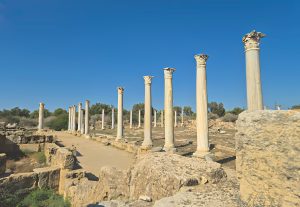
The Salamis bathhouse mosaics show how Roman Cyprus combined leisure, engineering, and civic identity inside one of the island’s most ambitious public complexes. These floors were designed to shape movement and atmosphere, pairing mythic scenes with technical skill, imported materials, and heated rooms that made bathing a daily performance of status. This article explains how the mosaics worked within the bathhouse system, what their imagery signalled, and why their survival still matters for understanding Roman urban life on Cyprus. A Capital Built to Be Seen Salamis was not an ordinary provincial town. For long periods, it functioned as the administrative and commercial heart of Cyprus, benefiting from trade routes that linked the Aegean, the Levant, and Egypt. When the city…

Read more