
The winter holiday season in Cyprus brings a long period of cultural celebration that blends religious observance, folklore, and strong family traditions. Spanning from late December into early January, this festive cycle is widely known as the Twelve Days of Christmas (Dodekaimera). It is a time when families gather, villages host events, and public spaces fill with lights, music, and seasonal markets.
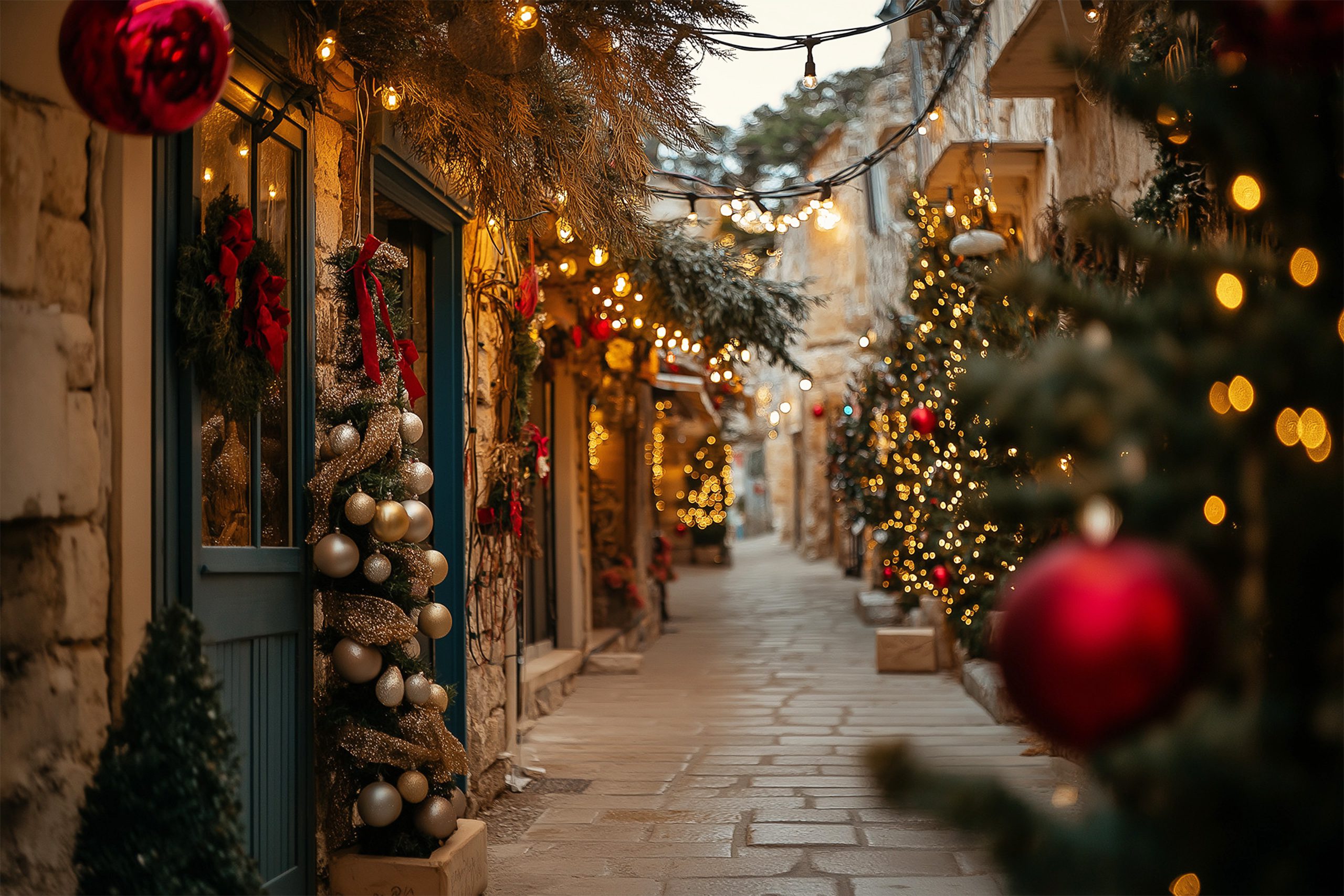
Unlike many Western countries where gift exchange happens on December 25, Cyprus follows a different custom, with gifts traditionally exchanged on New Year’s Day. The season also includes midnight gatherings, children’s songs performed door-to-door, elaborate home cooking, and symbolic folk practices that reflect centuries of cultural continuity in Mediterranean life.
Seasonal Preparations and Early Winter Customs
The lead-up to the winter holidays begins in early December with household preparation and increased social activity. Homes are cleaned thoroughly, new clothes are purchased, and kitchens become central spaces for seasonal cooking. Families begin preparing traditional sweets such as honey-based cookies and sugar-coated butter biscuits, both of which play a major role in holiday hospitality.
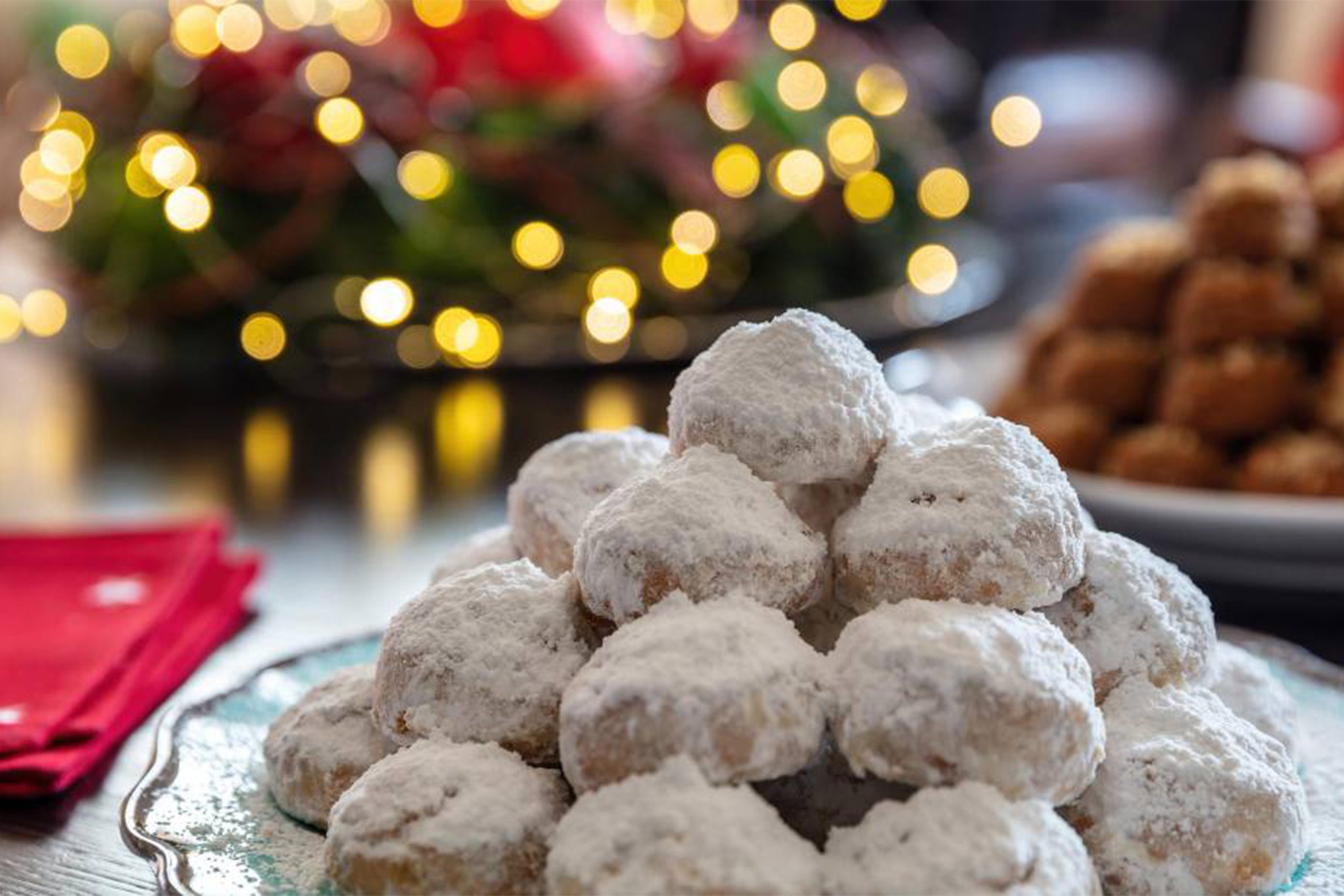
These foods are often made in large batches and shared with visitors throughout the season. The aroma of baked goods becomes a defining feature of December in Cypriot neighborhoods, signaling the approach of festive gatherings and family reunions.
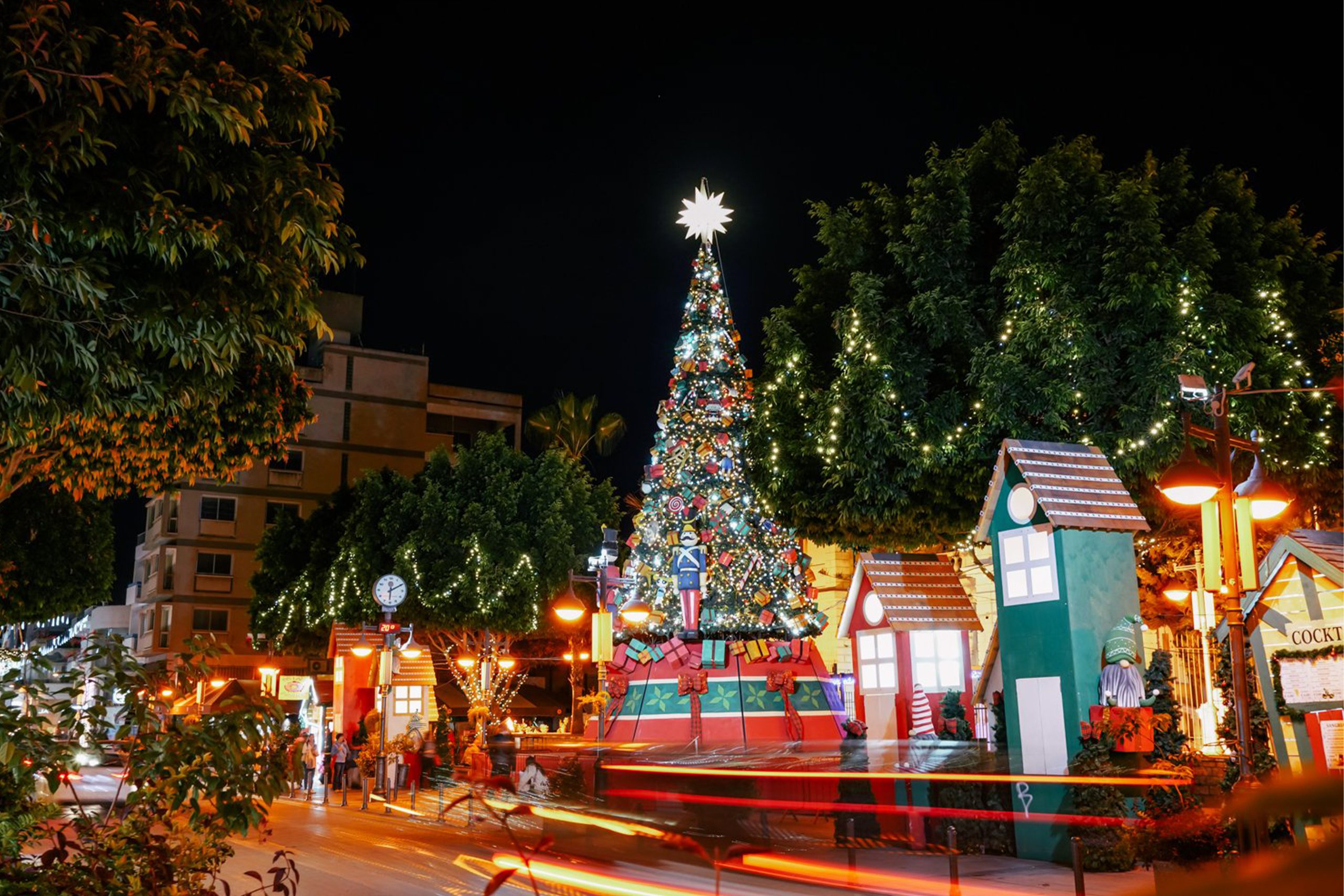
At the same time, public spaces begin to transform with decorations, lights, and seasonal markets, especially in cities such as Nicosia, Limassol, and Paphos. These displays blend modern festive aesthetics with local cultural identity.
Christmas Eve and Family Gatherings
As Christmas Eve arrives, many families gather for evening meals and social visits. Churches across the island hold late-night services, attracting large crowds who come together for communal reflection and seasonal observance. These gatherings often continue past midnight and are followed by small family meals at home.
A traditional soup made with rice, egg, and lemon is commonly served after midnight as the first meal of the night, marking the transition from weeks of seasonal dietary discipline to festive eating. This moment is often experienced as both symbolic and practical, bringing families together after the quiet atmosphere of the evening gatherings.

Christmas Day Family Feasts
Christmas Day in Cyprus is primarily centered around family meals and home gatherings. Extended families come together to share large feasts featuring roasted meats, poultry dishes, and slow-cooked traditional recipes.
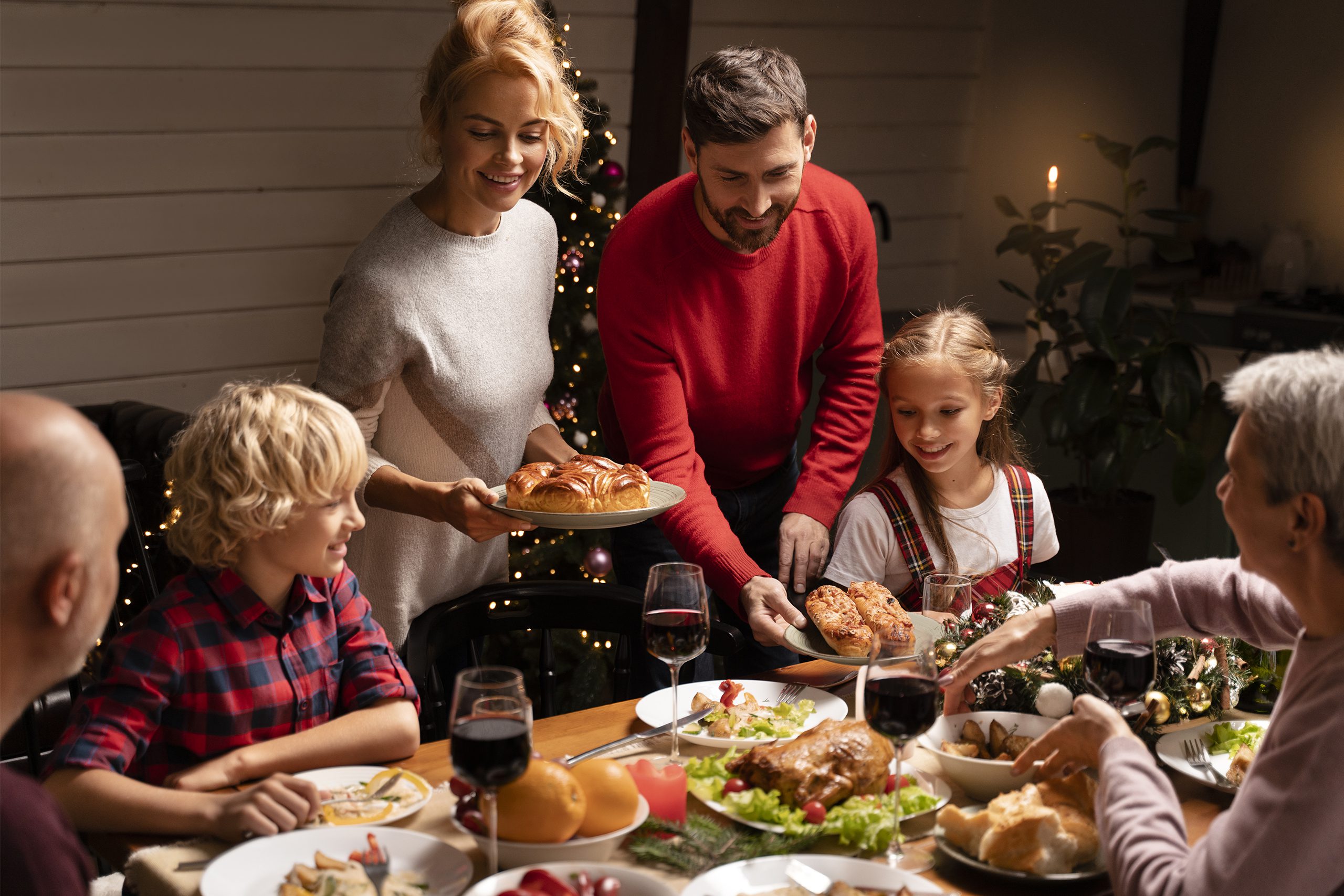
In many rural areas, pork has historically been a key feature of the holiday table, often prepared using methods such as roasting, smoking, or curing. In modern celebrations, turkey, lamb, and mixed roasts are also common. Meals are typically accompanied by a wide variety of side dishes, including baked casseroles, stuffed vegetables, grilled cheeses, and seasonal salads.
Desserts play an equally important role, with trays of honey cookies and powdered sugar biscuits placed on every table. The abundance of food reflects the importance of hospitality, generosity, and family unity during the winter season.
New Year’s Eve and Gift-Giving Traditions
Unlike many countries where Christmas Day is the primary gift-giving occasion, Cyprus places greater emphasis on New Year’s celebrations. Families exchange gifts on January 1, marking the start of the new year with optimism and shared tradition.
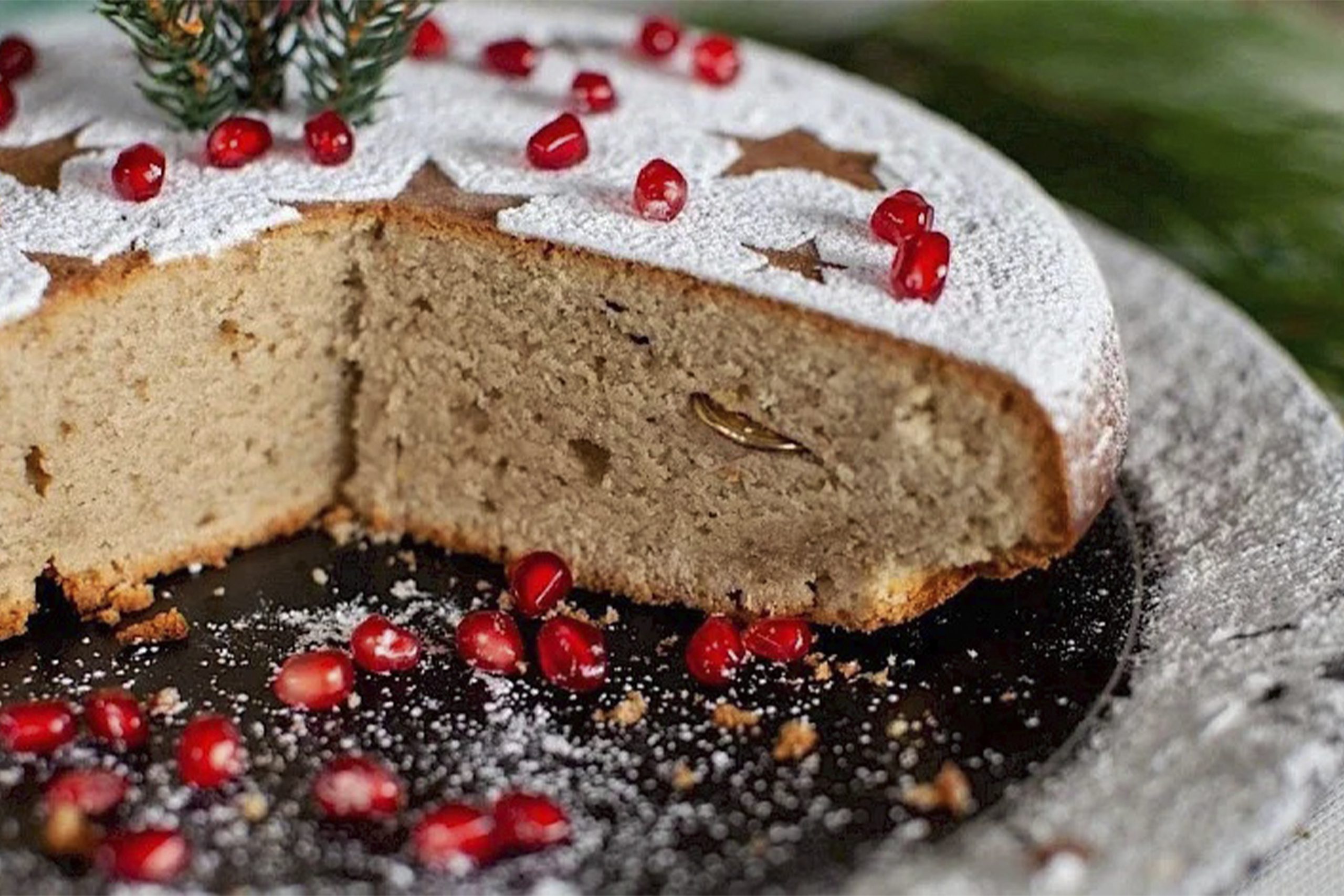
A central part of this celebration is a special cake prepared for New Year’s Day. A coin is hidden inside the cake before baking, and it is sliced by the head of the household in a symbolic ritual shared among family members. The person who receives the slice containing the coin is traditionally considered fortunate for the year ahead.
In many homes, part of the cake and a drink are left out on New Year’s Eve as part of a symbolic gesture tied to older folk customs. The next morning, families also refresh water containers in the home, a practice associated with renewal and the symbolic start of a new cycle.
Seasonal Folklore and Winter Beliefs
Cypriot winter traditions also include a rich layer of folklore. One of the most well-known elements involves mythical creatures said to appear during the darkest days of the season. According to tradition, these figures roam during the night, creating mischief in households until the arrival of the early January celebrations marks their departure.
Families historically used small protective rituals and household customs to symbolically guard their homes during this period. These practices, though less commonly followed today, remain part of the island’s storytelling heritage and are still referenced in cultural discussions of winter traditions.
Seasonal Foods and Winter Baking
Food preparation is one of the most important aspects of the winter season in Cyprus. Two of the most iconic holiday sweets are honey-based cookies and powdered sugar biscuits, both prepared in large quantities throughout December.
Another widely enjoyed treat is syrup-soaked fried dough, often served fresh at gatherings and public events. These desserts are typically shared with guests, neighbors, and visiting relatives, reinforcing Cypriot traditions of hospitality and generosity.
Families often prepare these foods together, turning cooking into a social activity that brings multiple generations into the kitchen. Recipes are passed down within families, preserving culinary heritage through practice rather than written instruction.
Experiencing the Winter Season as a Visitor
Visitors to Cyprus during the winter holiday period can experience a unique combination of cultural events, seasonal food, and community celebrations. The mild Mediterranean winter allows for comfortable outdoor exploration, while mountain regions sometimes offer cooler weather and scenic landscapes.
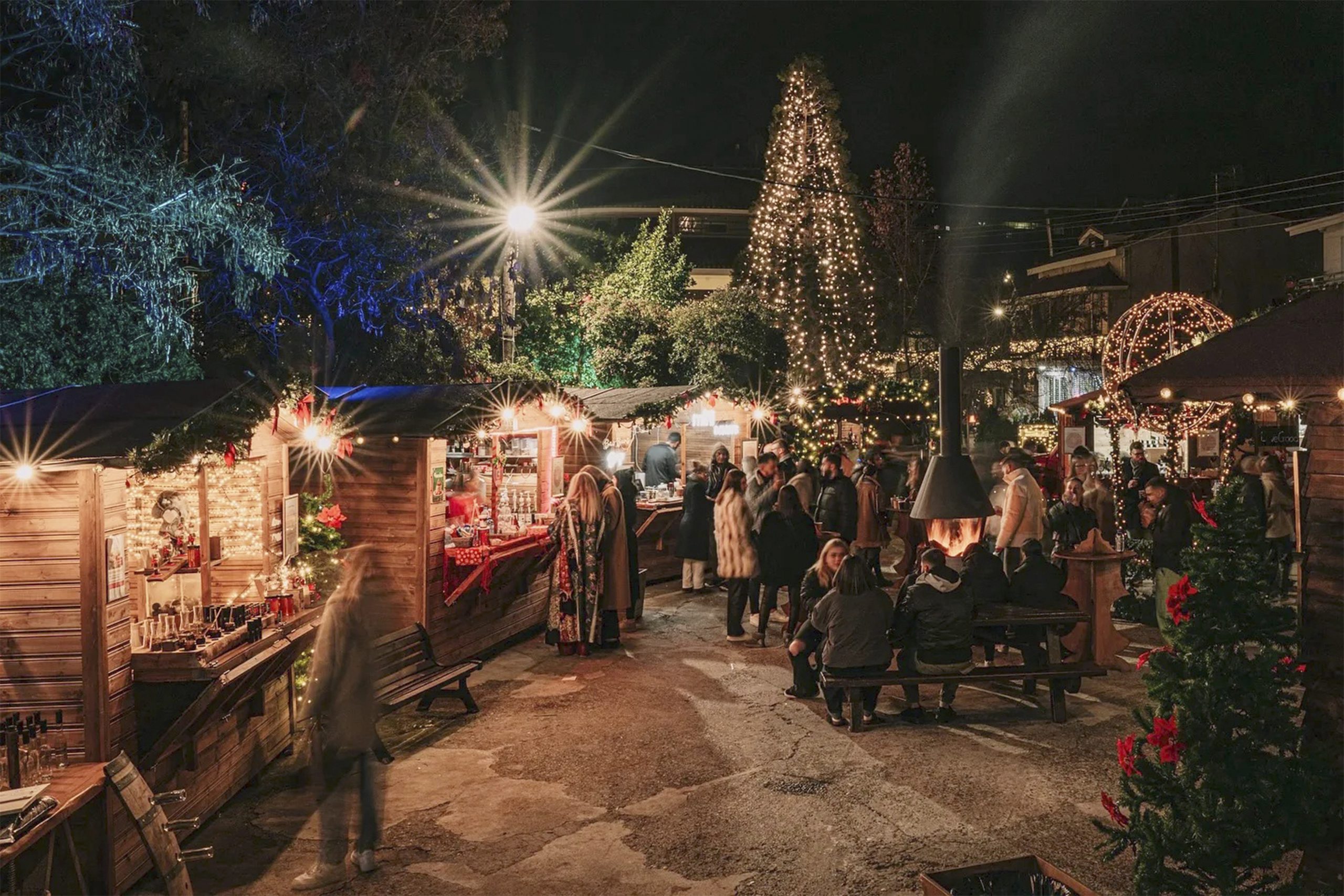
Public squares in major cities host light displays, music events, and seasonal markets. Restaurants and bakeries serve traditional holiday foods, giving visitors the opportunity to experience local winter cuisine firsthand.
Village visits offer a more intimate view of seasonal traditions, where smaller community gatherings highlight hospitality, family life, and long-standing cultural practices. The winter season provides a distinct contrast to the island’s summer tourism period, offering a quieter but culturally rich experience.