Agriculture constituted the backbone of Cyprus’s economy when the country achieved independence in 1960, consisting mostly of small farms and sometimes even subsistence operations. In the early 1970s, Cypriot farms, still overwhelmingly small owner-run units, furnished about 70 percent of commodity exports and employed about 95,000 people, or one-third of the island’s economically active population.

The traditional rural landscape featured fragmented holdings where families worked terraced hillsides and valley floors, producing grapes, olives, wheat, barley, carobs, and seasonal vegetables. This farming pattern shaped village life for centuries, creating rhythms of planting, harvesting, and communal celebration that defined Cypriot identity as much as the Orthodox church or family structures.
How Villages Worked the Land
Landholdings remained generally small, highly fragmented, and dispersed under traditional laws of inheritance. When a father died, his land divided equally among all children, creating increasingly smaller parcels with each generation. A single family might own a dozen tiny plots scattered across the village territory, requiring farmers to travel between distant fields throughout the day. This fragmentation made mechanization difficult and reduced efficiency.
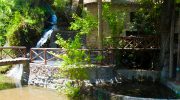
Traditional irrigation relied on natural springs, small rivers, and rainfall patterns. Farmers channeled spring water through stone aqueducts and earthen channels to reach thirsty crops during summer months. Villages located near reliable water sources prospered, while those depending solely on rainfall struggled during dry years. The construction of wells and cisterns provided backup water storage, though drawing water by hand limited quantities available.
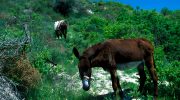
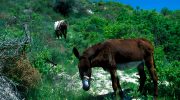
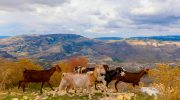
Animal power drove most agricultural work until the mid-20th century. Farmers used donkeys and mules to transport goods, plow fields, and turn mill wheels. Oxen pulled heavier loads and worked harder soil. These working animals required care, feeding, and rest, creating additional labor demands beyond crop cultivation itself. The rhythms of animal husbandry structured daily routines and seasonal planning.
Families divided labor by gender and age. Men handled heavy fieldwork including plowing, pruning, and harvesting tree crops. Women managed vegetable gardens, tended chickens and smaller livestock, milked goats and sheep, and processed dairy products. Children assisted with all tasks appropriate to their strength and skill, learning farming methods through participation rather than formal education. Extended families often pooled labor during peak seasons like harvest.
Traditional Crops and Their Seasons
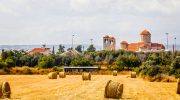
Wheat and barley dominated cereal production, planted after autumn rains and harvested in May or June. Small farms independently produced flour, used for baking and selling homemade bread and confectionery. Threshing involved spreading grain on circular stone threshing floors where donkeys walked in circles, their hooves separating kernels from chaff. Wind winnowing separated grain from debris.
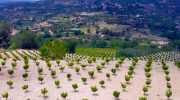
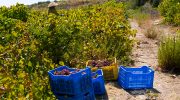
Grape cultivation for wine production represented one of Cyprus’s oldest and most important agricultural traditions. There are huge numbers of vineyards on the island, with wine making dating back 6,000 years according to archaeological evidence. The warm climate and fertile soils create perfect conditions for growing indigenous and imported vine varieties. Family vineyards required year-round attention: winter pruning, spring tying of vines to supports, summer thinning of excess fruit, and autumn harvest.
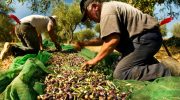
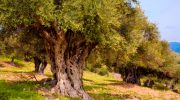
Olive trees covered hillsides across Cyprus, some individual trees aged between 300 and 800 years. The Cyprus Forestry Department has identified 115 individual trees and 27 tree groves as monuments of nature. Ancient olive trees include an 800-year-old specimen in Kyperounta village measuring 5 meters tall with an 8.10-meter perimeter, and a 700-year-old tree in Avdimou village standing 5 meters tall with an 8.70-meter perimeter. Families picked olives by hand in late autumn, then pressed them in village mills to produce oil for cooking, lighting, and trade.
Carob trees thrived in Cyprus’s dry climate, producing long dark pods with amazing taste and flavor. These drought-resistant trees required minimal care yet provided reliable income through pod sales. Carobs were used for animal feed, human consumption, and eventually export to Europe for chocolate substitutes and industrial uses.
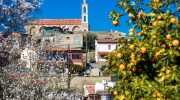
Citrus orchards located mostly near the coast and in nearby villages benefited from warmer temperatures and irrigation access. Cyprus ranks among the top five citrus fruit cultivators in the EU, producing oranges, lemons, grapefruits, bergamots, and soft citrus varieties. A wide range of soil types coupled with unique microclimates favor production of diverse citrus fruits.
Village Self-Sufficiency and Trade
Rural communities aimed for maximum self-sufficiency, producing most necessities locally. Kitchen gardens provided fresh vegetables, chickens supplied eggs and occasional meat, and goats or sheep gave milk for cheese and yogurt production. Families preserved surplus produce through drying, salting, pickling, or making preserves called glyko tou koutaliou.
However, complete self-sufficiency remained impossible. Villages traded among themselves, with mountain settlements exchanging grapes, wine, and forest products for lowland wheat, olive oil, and citrus. Periodic markets in larger towns facilitated broader exchange networks. Merchants traveled between villages purchasing specific products for resale in cities or export.
Cooperatives emerged in 1909 after village farmers returned from inspection tours of Britain and Germany with new organizational ideas. These cooperatives helped small farmers access credit, purchase equipment collectively, and market products more effectively. The agricultural cooperative movement became crucial for rural economic development throughout the 20th century.
Seasonal migration patterns developed around agricultural cycles. Young men from mountain villages descended to coastal plains for harvest labor, returning home with cash earnings. This temporary migration supplemented family incomes while providing workforce for lowland farms during peak demand.
Changes Brought by Modernization
Government irrigation projects transformed Cyprus agriculture during the 1960s. The construction of dams and water distribution systems made vegetable and fruit exports possible for the first time. Increasingly commercialized farming met demands for meat, dairy products, and wine from British and United Nations troops stationed on the island and from growing numbers of tourists.
The most important irrigation project, and the largest development undertaking in Cyprus since independence, was the Southern Conveyor Project. This system collected surplus water from the southwestern part of the island and conveyed it via a 110-kilometer water carrier to central and eastern areas. When the project reached completion in 1993, it and other large projects guaranteed farmers and town inhabitants adequate water supplies.
Mechanization gradually replaced animal power. Tractors could plow larger areas faster, harvesting machines reduced labor requirements, and motorized transport connected farms to markets more efficiently. However, many mountain areas remained too steep or rocky for mechanical cultivation, preserving traditional hand labor methods.
Land consolidation programs beginning in 1969 addressed the fragmentation problem. Recipients could purchase government-owned land to enlarge holdings, paying in installments at low interest rates. By the end of 1988, twenty-eight land consolidation projects had been completed. Where projects succeeded, minute plots were almost eliminated, average plot sizes increased by 100 percent, and plot numbers declined by about 70 percent.
The 1974 Division and Agricultural Impact
The Turkish invasion and occupation of nearly two-fifths of Cyprus in 1974 dealt serious blows to agricultural development. The area under Turkish occupation produces the bulk of citrus fruits, wheat, barley, carrots, tobacco, and green fodder. Greek Cypriots lost substantial land and personal property in occupied areas, including productive farmland and irrigation infrastructure.
About one-third of the total population faced displacement, with farmers abandoning fields, orchards, and livestock. This created immediate food supply disruptions and long-term agricultural reorganization challenges. The Greek Cypriot controlled area had to compensate for lost production while absorbing displaced farmers who needed new land and livelihoods.
Government policies encouraged agriculture because it provided rural employment, which maintained village life and relieved urban crowding. Small-scale agricultural activity prevented some regions from losing much of their population. Part-time agricultural work also permitted urban residents to keep contact with their villages and gave them supplemental income.
Rural Life Today
Modern Cyprus agriculture represents only a small fraction of the economy compared to 1960, yet it retains cultural importance. Villages continue producing wine, olive oil, halloumi cheese, and specialty products marketed as authentic Cypriot heritage. Agrotourism has become an important sector, attracting visitors who seek experiences beyond beach resorts.
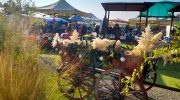
Traditional farming methods survive in mountain villages where mechanization remains impractical. Elderly farmers maintain terraced plots using techniques learned from their parents. Some ancient olive trees continue producing fruit after centuries, tended by descendants of the families who originally planted them.

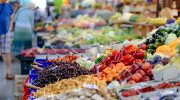
Farmers’ markets have revived traditional direct selling. The Strovolos Market in Nicosia opens Fridays with inexpensive fresh vegetables and fruits. Nicosia’s largest market, Oxi Square Market, operates Wednesdays and Saturdays selling rare fruits and local cuisine. Limassol hosts an Organic Farmers’ Market on Saturdays and a Village Market where one can buy fresh village chicken.
Young people largely abandoned farming for urban employment in tourism, services, and technology sectors. This generational shift threatens traditional agricultural knowledge and raises questions about rural landscape maintenance. However, renewed interest in organic production, traditional foods, and sustainable agriculture attracts some younger farmers committed to preserving heritage while adopting modern ecological practices.