All Articles

Filoxenia – Cyprus’s Social Architecture

Filoxenia – Cyprus’s Social Architecture

Filoxenia in Cyprus is a practical social system that turns welcome into trust, shaping how guests are treated, how newcomers are absorbed, and how communities respond during crisis. Rooted in older Mediterranean ideas of sacred hospitality and refined through centuries of change, it appears most clearly at the table, in coffee culture, and in the way people share space without keeping score. This article traces where filoxenia comes from, how it works in everyday life across the island, and why it still helps Cyprus stay socially resilient. A value older than borders The idea of filoxenia did not emerge from tourism or modern etiquette. Its roots stretch back to the ancient Greek world, where hospitality was considered sacred rather than…

Read more


How Cypriot Legends Shaped Art & Poetry?

How Cypriot Legends Shaped Art & Poetry?

Cyprus developed a creative tradition deeply rooted in its mythology and folklore. The island's legends about gods, heroes, and supernatural beings became foundational material for artists, poets, and writers across centuries. These stories provided themes, characters, and symbolic frameworks that shaped Cypriot cultural identity through artistic expression. From ancient pottery depicting Aphrodite to modern novels exploring Byzantine legends, mythology remained a constant source of creative inspiration on the island. Historical Context The artistic interpretation of Cypriot legends traces back to the ancient period when Cyprus served as a major center of Aphrodite worship. Artists created countless sculptures, mosaics, and pottery showing the goddess of love, often emphasizing her connection to the island's natural beauty. The Romans continued this tradition with…

Read more
Early Mornings Shape Life in Cyprus

Early Mornings Shape Life in Cyprus

Early mornings in Cyprus follow a rhythm different from most European countries. Cypriots start their days before sunrise, particularly during summer when temperatures soar past 35 degrees Celsius by midday. This early start is practical rather than cultural preference. Most work begins between 7:00 and 8:00 AM, allowing people to complete tasks before the peak heat sets in. Shops, offices, and construction sites all operate on this schedule. The morning routine includes stopping at local bakeries for fresh bread, visiting coffee shops for social conversation, and completing essential errands before the afternoon slowdown. This pattern shapes family schedules, business hours, and social interactions across the island. The Historical Reasons Behind Early Rising Cyprus's early morning culture developed from agricultural necessity…

Read more
How Altitude Shapes Cyprus Wines

How Altitude Shapes Cyprus Wines

Cyprus vineyards occupy the southern slopes of the Troodos Mountains at altitudes ranging from 250 to 1,500 meters above sea level. This elevation places them among the highest in Europe. The Petralona vineyard operated by Tsiakkas Winery reaches 1,440 to 1,480 meters, while Kyperounda Winery owns plots between 1,400 and 1,500 meters. These high-altitude locations fundamentally transform wine quality by creating cooler temperatures, dramatic day-to-night temperature swings, increased solar radiation, and unique soil conditions. Protected designation of origin wines must come from vineyards above 600 to 750 meters depending on the region. Altitude determines whether grapes develop balanced acidity and complex flavors or ripen too quickly into heavy, alcoholic wines. Historical Background Winemaking in Cyprus dates back 6,000 years, with…

Read more
Internet & Telecommunications in Cyprus

Internet & Telecommunications in Cyprus

Cyprus has built a surprisingly strong telecom market for its size, with fiber optic networks expanding rapidly across the island. The Fiber network enables the transmission of data at very fast speeds, with innovative technology providing Internet access at speeds of up to 1 Gbps. In the last five years, operators expanded LTE-Advanced and rolled out 5G to 100 percent of the population, while the island invested in trans-Mediterranean submarine cable projects to strengthen its international connections. This digital infrastructure supports both residents and the growing number of remote workers choosing Cyprus as their base. Major Internet Service Providers ​​Cyta, the state-owned telecommunications company, manages most telecommunications and internet connections on the island and is the country's oldest and largest…

Read more
International Schools in Cyprus

International Schools in Cyprus

Cyprus hosts over 100 international schools that serve expat families, digital nomads, and local families seeking globally recognized education. These institutions offer instruction in English and follow British, American, or International Baccalaureate curricula that prepare students for universities worldwide. The island's international school sector has grown significantly over the past three decades, creating diverse options across major cities. International schools in Cyprus follow three main educational frameworks, each with distinct characteristics and outcomes. The British curriculum dominates the market and represents the most common choice among schools. Students work toward IGCSE exams around age 16, followed by A-Level qualifications at age 18 that serve as the standard for UK university entrance. This system offers structured learning with clear assessment points…

Read more
Kantou-Koufovounos

Kantou-Koufovounos

High on a hill near the Kouris River in the Limassol district of Cyprus sits Kantou Koufovounos, one of the island’s most significant Late Neolithic settlements. This archaeological site has quietly rewritten our understanding of life on Cyprus between 4,400 and 3,900 BC. Unlike the dramatic clifftop fortresses or coastal harbors that often capture imaginations, Kantou-Koufovounos was simply a community where people lived, worked, raised families, and built a society that lasted longer than many of its contemporary neighbors. The site takes its name from Koufovounos Hill, where it rests approximately 20 to 50 centimeters below the modern ground surface. This shallow depth speaks to how close we still are to these ancient inhabitants. The settlement sits on the western…

Read more
Key Airports and Road Hubs for Travel in Cyprus

Key Airports and Road Hubs for Travel in Cyprus

Cyprus operates two international airports and maintains one of Europe's most extensive motorway networks per capita. Nearly 98% of all arrivals and departures to the island occur via air transport, with Larnaca and Paphos airports serving over 12 million passengers annually. The road system connects these airports to major cities through modern toll-free motorways, creating an efficient transportation network across the southern part of the island. Larnaca International Airport stands as Cyprus's main aviation gateway. Located 4 kilometers southwest of Larnaca city, the airport handled approximately 8.5 million passengers in 2024, representing nearly 70% of total air traffic. The facility was hastily developed at the end of 1974 after the Turkish invasion forced the closure of Nicosia International Airport, which…

Read more
Olive Harvest in Cyprus

Olive Harvest in Cyprus

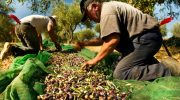
The olive harvest in Cyprus represents a tradition stretching back over 6,000 years, connecting modern Cypriots to their ancient agricultural roots. This annual event occurs from October through January across approximately 400 villages where olive trees flourish in the island's Mediterranean climate. The harvest combines practical necessity with cultural ritual, bringing together families and communities to collect olives that will become food and oil for the coming year Beyond its agricultural function, the olive harvest holds deep spiritual significance in Orthodox Christian life, with olive oil playing essential roles in church sacraments and folk beliefs. The tradition preserves ancient techniques while adapting to modern equipment, creating a bridge between Cyprus's past and present. Each harvest season renews the bond between…

Read more