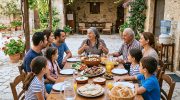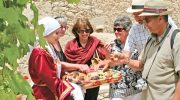
Cypriot culture places strong emphasis on hospitality, family, community and tradition. Filoxenia, meaning friendliness to strangers, respect for elders, and Orthodox Christian values are at the heart of everyday life. The Greek word philoxenia literally means friendship or love for strangers, representing more than simple politeness but rather a sacred tradition that has been around for thousands of years.

This tradition goes way back to ancient Greece and the cult of pagan gods, with Zeus as the protector of travelers. Even now, especially in small mountain villages, you can still experience genuine hospitality that welcomes guests as honored members of the community rather than outsiders.
The Myth Behind the Custom
The tradition traces its roots to a legend about Zeus and Hermes who pretended to be poor travelers. They kept knocking on doors until an elderly couple opened their door. In return for some food and a roof over their heads, Zeus turned their shabby house into a fancy mansion. Since then, the ancient Greeks believed that any traveler or unexpected guest could be Zeus and should be given the best welcome.
The ancient philosophers and poets valued philoxenia highly, as seen in Ovid’s poem Metamorphoses and other classical texts. Hospitality was considered a moral obligation and spiritual duty rather than optional courtesy. Turning away travelers could bring divine punishment, while welcoming them brought blessings. This belief system created cultural expectations that persisted even after Christianity replaced the pagan pantheon.
Cyprus inherited this tradition from Greek civilization and maintained it through Byzantine, Crusader, Venetian, Ottoman, and British rule. Each period of foreign occupation reinforced rather than diminished hospitality customs, as Cypriots used generosity toward guests to affirm cultural identity and demonstrate moral superiority over rulers they did not choose.
How Filoxenia Appears in Daily Life
One of the first aspects of Cyprus culture experienced by foreigners is the warm welcome. The words Kalosorisate, meaning welcome, and Kopiaste, translating to come join us, are frequently called to locals and foreigners alike. It is not uncommon for an older lady to invite you into her home and treat you to some Cypriot coffee, a glass of cool water, and glyko tou koutaliou, which literally means sweetness in a spoon.

This traditional treat consists of fruit or walnuts cooked in syrup, similar to jam but with a sweeter taste. This has been the standard refreshment for travelers in Cyprus for centuries. People thought that cold water and sweet food would help you quickly get your strength back and cool down on a hot day, while strong coffee would give you energy. Every housewife always has a supply of jars with glyko tou koutaliou for such occasions.

Be prepared for generous hospitality, as locals will not let you leave hungry. Among friends and family, it is common to greet one another with two kisses on the cheeks, first on the right then left. If you are unsure, a handshake or friendly smile will suffice until you are more familiar. Cypriots are rarely formal, but showing polite interest in someone’s wellbeing by asking Ti kaneis, meaning How are you, is respected.
The Role of Food and Coffee in Hospitality
Offering food and drink is an indispensable part of Cypriot hospitality, and it is rare to leave someone’s home without being treated to a meal or a cup of traditional Cypriot coffee. Meals are social events, often centered around meze, a series of small plates that can include grilled halloumi, olives, dips, seafood, and meats. Sharing food is an act of community and cultural continuity.

Cypriots love their coffee, especially Cypriot coffee which is similar to Greek or Turkish coffee. Served in small cups, it is enjoyed slowly, often in coffee shops called kafeneia where locals gather to socialize and discuss politics. The coffee ritual represents more than caffeine consumption. It creates space for conversation, relationship building, and community formation. Rushing through coffee would violate the spirit of hospitality that values time spent together.

Traditional tavernas embody filoxenia through their atmosphere and service. Staff treat diners as guests in their home rather than customers in a business. This might include offering complimentary fruit or dessert, checking multiple times on satisfaction, and engaging in friendly conversation. The goal extends beyond transaction to creating memorable experiences that make visitors feel valued.
Hospitality Extends Beyond the Home
It is not uncommon for strangers to strike up conversation or for locals to go out of their way to assist tourists, displaying the genuine warmth and kindness that defines Cypriot hospitality. If you cold call a person in Cyprus, you will almost certainly be offered further help whenever you should need it in the future. They are extraordinarily generous folk.
This extends to practical matters like giving directions. Cypriots will not simply point the way but often offer to lead you to your destination personally or call someone who can help. In villages, residents take pride in their community and want visitors to see it at its best. They volunteer information about local attractions, festivals, and traditions without being asked.
The tradition of hospitality remains quite prominent across Cyprus, whereas in modern Greece this custom has mostly faded unless you are in rural areas. Cypriots are justifiably proud of their tradition of filoxenia. Those who make deeper effort to understand local customs are treated as extended family rather than tourists.
Modern Applications of Ancient Values
While Cyprus has modernized rapidly since joining the European Union in 2004, traditional hospitality values persist even in urban centers and tourist areas. Hotels and restaurants market themselves using filoxenia as a selling point, promising authentic Cypriot warmth rather than impersonal service. Staff training at tourism businesses often includes instruction on maintaining hospitality traditions.

The Filoxenia Conference Centre in Nicosia takes its name from this tradition. The name derives from the Greek word meaning welcoming and being attentive to guests in one’s home. The choice of name for an international venue demonstrates how Cyprus presents hospitality as central to national identity on the world stage.
Younger generations continue practicing filoxenia despite exposure to more individualistic Western cultural norms. University students invite international classmates to family celebrations. Young professionals volunteer to help new arrivals navigate bureaucracy or find apartments. The tradition adapts to modern contexts while retaining its essential spirit.
What Visitors Should Know
Your first interaction with someone in Cyprus sets the tone, and locals offer a blend of tradition and friendliness. A simple Kalimera meaning good morning or Kalispera meaning good evening can go a long way, even if the conversation continues in English. The general rule is to be warm, not overly reserved. While strangers may not always initiate conversation, they welcome it once you are introduced.
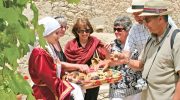
When invited to someone’s home, bringing a small gift shows respect for hospitality offered. Flowers, sweets, or wine are appropriate. Refusing food or drink multiple times can offend, as it suggests rejection of the host’s generosity. Accept at least a small amount to honor the gesture. Complimenting the food and home demonstrates appreciation.
Understanding filoxenia helps explain behaviors that might seem unusual to visitors from less communal cultures. The intense interest in your life, multiple offers of food, and reluctance to let you pay are not intrusions but expressions of care. Responding with openness and gratitude rather than suspicion allows authentic connection to form.