Cyprus hosts over 100 international schools that serve expat families, digital nomads, and local families seeking globally recognized education. These institutions offer instruction in English and follow British, American, or International Baccalaureate curricula that prepare students for universities worldwide. The island’s international school sector has grown significantly over the past three decades, creating diverse options across major cities.
International schools in Cyprus follow three main educational frameworks, each with distinct characteristics and outcomes. The British curriculum dominates the market and represents the most common choice among schools. Students work toward IGCSE exams around age 16, followed by A-Level qualifications at age 18 that serve as the standard for UK university entrance. This system offers structured learning with clear assessment points and strong preparation for British and Commonwealth universities.
The International Baccalaureate program provides a comprehensive alternative recognized worldwide for its academic rigor and holistic approach. Four schools in Cyprus hold IB World School authorization to offer the IB Diploma: The American International School in Cyprus, Pascal English Schools in Larnaka and Lefkosia, and The English School of Kyrenia, illegally operated by the Turkish Cypriot authorities. The IB emphasizes critical thinking, cultural awareness, and personal development through programs like Creativity, Activity, Service that challenge students beyond traditional academics.
Cost Breakdown and Financial Planning
Annual tuition fees typically range from €5,000 to €15,000 per child depending on school reputation, location, and grade level. Prestigious institutions charge €15,000 to €20,000 for upper grades, with some schools exceeding this amount. The English School of Kyrenia charges between £4,280 and £9,250 annually based on grade level, while American Academy Limassol ranges from €5,250 upward.

First-year enrollment often requires additional one-time fees of €500 to €2,000 for registration, deposits, and materials. Beyond tuition, families should budget for uniforms at €200 to €500 annually, school supplies between €300 and €800, transportation from €1,000 to €2,000, and extracurricular activities from €100 to €500 per activity. These additional costs can add €2,000 to €4,000 to the annual education budget per child.

Many schools offer sibling discounts of 5% to 15% for families with multiple children enrolled. Early payment discounts can reduce annual fees by 3% to 5%. Merit-based scholarships target students with exceptional academic or athletic abilities, though these remain competitive. Some employers provide education allowances as part of expat packages, covering partial or full tuition costs.
Payment plans vary by institution, with most schools offering annual, quarterly, or monthly options. Annual tuition fees typically increase by 3% to 5% each year, which families should factor into long-term financial planning. Opening a dedicated education savings account helps spread expenses over time and provides buffer for unexpected fee increases.
Top Schools by City and Region

Nicosia hosts several leading institutions, including The American International School in Cyprus, located in the capital’s heart. The school serves kindergarten through grade 12 with the American curriculum and IB programming. Pascal English Schools operate campuses in Nicosia and other cities, offering the only IB World School option in Larnaca. The Grammar School in Nicosia provides British-style education with IGCSE and A-Level pathways.
Limassol features the highest concentration of international schools, given its role as the business and financial hub. American Academy Limassol follows the British National Curriculum despite its American name, preparing students for IGCSE and A-Level qualifications. The Island Private School uniquely integrates three educational frameworks including IB, Waldorf, and Montessori, making it the only school in Cyprus providing seamless IB education from early years through graduation. Foley’s School offers British curriculum for ages 4 to 18 with competitive fees ranging from €4,710 to €7,050 annually.
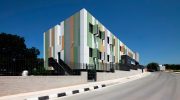
Paphos attracts over half the expat population and hosts The International School of Paphos, which serves over 1,000 students from age 2 through 18. Founded in 1987, the school follows English National Curriculum and draws students from over 40 nationalities. The multicultural environment combines with experienced, multilingual teachers to create a well-rounded educational experience.
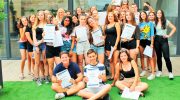
Larnaca provides options through American Academy Larnaca and Pascal English School. The Pascal campus holds particular appeal as the only IB World School in the city, offering pathways from early years through IB Diploma. Schools in Larnaca benefit from proximity to the main international airport, which simplifies travel for international families.
Extracurricular Programs and Student Development
International schools offer extensive extracurricular activities that develop well-rounded individuals. Sports programs include football, basketball, swimming, tennis, and track and field with competitive teams participating in inter-school tournaments. Arts programs cover visual arts, music, drama, and dance with regular performances and exhibitions that showcase student talents.

Service learning and community engagement form core components of many curricula, particularly in IB schools where CAS requirements mandate creativity, activity, and service participation. Students volunteer with local organizations, organize charity fundraisers, and develop projects that address community needs. These experiences build leadership skills, empathy, and social responsibility.

Academic clubs and competitions provide opportunities for students passionate about specific subjects. Model United Nations, debate teams, mathematics olympiads, science fairs, and robotics clubs allow students to explore interests beyond regular classroom instruction. Schools often organize field trips, educational tours, and international exchange programs that broaden perspectives.
Admission Process and Requirements
Application procedures begin with initial inquiries through school websites, emails, or phone calls. Admissions teams schedule campus tours and informational meetings where families can view facilities, meet teachers, and ask questions. Popular schools maintain waiting lists, so families should begin research and applications well before planned relocation.
Required documentation typically includes valid passports, birth certificates, previous school records with transcripts, vaccination records, and proof of residence in Cyprus. Most schools require entrance assessments that evaluate academic level and language proficiency. These tests help schools place students in appropriate grades and identify any learning support needs.

Interviews with parents and students form part of the selection process at many institutions. Schools assess family commitment to education, student motivation, and cultural fit with school values. Some schools operate first-come, first-served admission policies, while others consider applications holistically based on academic potential, diversity contributions, and sibling priority.
Registration fees are non-refundable and secure places for upcoming academic years. Schools typically request deposits equivalent to one term’s tuition, which applies toward final fees. Families should confirm all payment deadlines, cancellation policies, and refund terms before committing.
Support for International Students
International schools provide comprehensive support for students transitioning from different educational systems. English as an Additional Language programs help non-native speakers develop proficiency through specialized instruction and small-group sessions. These programs gradually reduce as students gain competence, with most achieving full fluency within one to two academic years.

Learning support departments assist students with special educational needs including dyslexia, ADHD, processing disorders, and other conditions. Schools employ specialists who work with classroom teachers to implement accommodations, modifications, and targeted interventions. Regular communication with parents ensures coordinated support between home and school.

Cultural orientation programs help international students adapt to Cyprus life and school culture. Buddy systems pair newcomers with established students who guide them through routines, introduce peer groups, and answer questions. Parent associations organize social events, information sessions, and volunteer opportunities that build community connections.
Making the School Choice
Families should consider several factors when selecting international schools. Long-term plans matter significantly, as curriculum choice affects university options. British qualifications work best for UK universities, American diplomas align with US institutions, and IB Diplomas offer global flexibility. Location within Cyprus affects daily commutes, with some families prioritizing proximity to work or residence over specific schools.

School culture and values should align with family priorities. Some schools emphasize academic rigor and competitive achievement, while others focus on balanced development and wellbeing. Campus visits provide insight into atmosphere, teaching styles, and student interactions that websites cannot convey.
Financial sustainability requires honest assessment of tuition affordability over multiple years, including potential fee increases and additional children. Schools rarely reduce fees for financial hardship, so families should confirm budget adequacy before enrollment.