The olive branch appears on the flag of Cyprus and coat of arms of Cyprus, both using olive branches as symbols of peace between the communities of the country. The two crossed green olive branches on the national flag signify the hope for peace and reconciliation between the Greek and Turkish communities residing on the island.
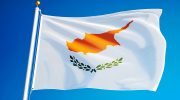
These universal symbols of harmony are fundamental to the aspirations of the Republic of Cyprus, deliberately chosen when the island gained independence in 1960 to unite ethnic and cultural groups without favoring Greek Orthodox crosses or Turkish crescents.
Athena’s Gift to Athens
The olive tree as a peace symbol traces its roots to Greek mythology. According to legend, Athena and Poseidon once argued and agreed to bestow gifts upon humans. Whose gift would be more useful, that side would win. Poseidon gifted people horses, undoubtedly magnificent and highly beneficial creatures for work and war. Athena, however, planted a spear in the ground, and it turned into a spreading olive tree. It not only bore fruit but also provided shade on a scorching hot day. People deemed Athena’s gift much better than Poseidon’s.

Zeus declared Athena the winner, and the olive tree has been an important Greek mythological symbol ever since. The court of gods and goddesses ruled that Athena had the better right to the land because she had given it the better gift. This myth established the olive as a symbol of wisdom, prosperity, and peaceful civilization rather than war and conquest.
In ancient Greece, olive branches were woven into wreaths to honor and crown deserving and honorable citizens or winners of the Olympic Games. Brides and winners of the ancient Olympic games were crowned with olive wreaths. The olive represented success and vitality, the essence of all things good. Both the Greeks and the Romans used olive oil as a cleanser, symbolizing purity.
Biblical Peace After the Flood
With the advent of Orthodoxy in Cyprus, much changed, but the respect for the olive remained, recognizing its holiness and divine power. It is enough to recall that the dove brought Noah an olive branch from an olive tree in the ark. It meant that the flood was over, and somewhere there was land with trees growing. Since then, the olive branch became a symbol of hope and peace between God and humans.
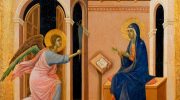
In some frescoes, Archangel Gabriel comes with the good news to the Virgin Mary and brings her an olive branch similar to the lily. Since then, in Christianity, the olive is considered a symbol of the Annunciation alongside the lily. In Cypriot Orthodox churches, you can purchase locally produced olive oil. Alongside other local products, it has a completely natural composition and wonderful energy.
The early Christians often allegorized peace on their sepulchers by the figure of a dove bearing an olive branch in its beak. This combination of biblical and classical symbolism created one of Christianity’s most enduring peace images, recognized across denominations and cultures.
Roman Peace Through Olive Branches
The Romans adopted and expanded Greek olive symbolism. While Mars was the Roman god of war, he was also known as Mars Pacifer, or Mars the bringer of peace. Some Roman coins depicted Mars Pacifer as holding an olive branch, demonstrating its symbolic connotations of peace.
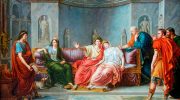
Roman poet Virgil employed the olive as a symbol of peace in the Aeneid, associating it with the goddess Pax and introducing the concept of the olive branch as a diplomatic gesture. Roman envoys used olive branches as tokens of peace during negotiations, establishing the tradition of extending olive branches in conflict resolution that continues today.
Why Cyprus Chose Olive Branches in 1960
Around 10 percent of all agricultural land, approximately 10,500 hectares, in Cyprus is occupied by olive trees. Olives hold a special place in Cypriot culture as well as in many other Mediterranean countries. They are an integral part of the island’s history and long journey of development. The Cyprus Forestry Department has identified 115 individual trees and 27 tree groves as monuments of nature, with some ancient olive trees aged between 300 and 800 years.
The selection of neutral symbols for independent Cyprus reflected the Zurich and London Agreements that ended colonial rule. These agreements required state symbols chosen jointly by the Greek Cypriot president and Turkish Cypriot vice president that would not favor either community. The olive branch satisfied this requirement perfectly as a universally recognized peace symbol without ethnic or religious specificity.
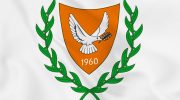
The two olive branches encircling the shield in the coat of arms represent hope for peace and cooperation between the Greek and Turkish communities residing on the island. Each branch represents one of the two main ethnic groups, symbolizing their equal importance to the republic and the aspiration that they would live harmoniously together.
The Eternal Power of a Symbol
It is worth noting that olive branches are on the state flag of Cyprus. They are present there as a symbol of peace, needless to say how important this is for the island. Despite the 1974 Turkish invasion and ongoing tensions, the olive branches remain official symbols of the Republic of Cyprus, appearing on letterheads and government documents, official seals, passports, and state buildings.
In the context of this division, the symbols of the Republic of Cyprus continue to symbolize hope for the restoration of territorial integrity and peaceful coexistence of different ethnic groups. The olive that failed to prevent conflict in the 1960s now represents aspirations for reunification and reconciliation.

The olive tree’s enduring significance extends beyond symbolism. Olive trees are known for their long lifespan, often living for hundreds to thousands of years. This longevity makes the tree a symbol of endurance and continuity. The tree can survive in difficult conditions, teaching resilience during tough times and encouraging harmonious living with nature and people.