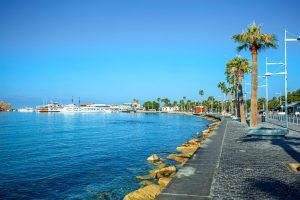
Cyprus life revolves around the Mediterranean Sea and the simple pleasure of walking. The island’s 650 kilometers of coastline and 326 days of annual sunshine create perfect conditions for daily seaside visits that locals consider essential rather than optional.
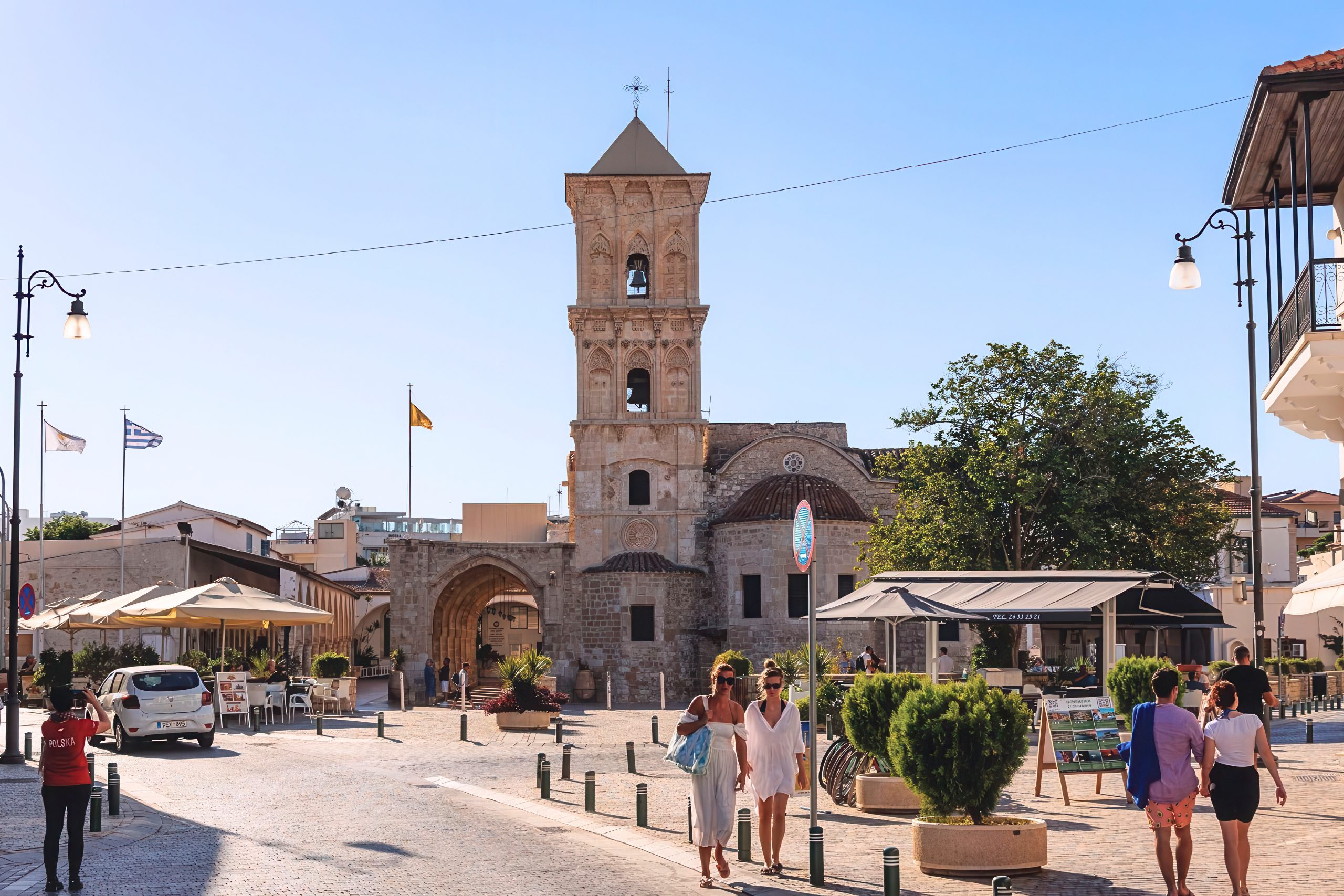
Walking serves multiple purposes in Cypriot culture, from exercise and social connection to mental relaxation and community participation. The coastal promenades and beaches function as outdoor living rooms where families gather, friends meet, and strangers become acquaintances through repeated casual encounters.
The History of Coastal Walking Traditions
The tradition of evening coastal walks, known as the volta, traces back to ancient Greek and Roman practices of gathering in public spaces. During Byzantine times, promenades along harbor areas served as meeting points for merchants, fishermen, and community members. The Ottoman period introduced coffee culture that complemented these walking traditions, creating social patterns that persist today. British colonial rule added formal promenade design to coastal cities, particularly in Limassol and Larnaca where waterfront development emphasized public access.
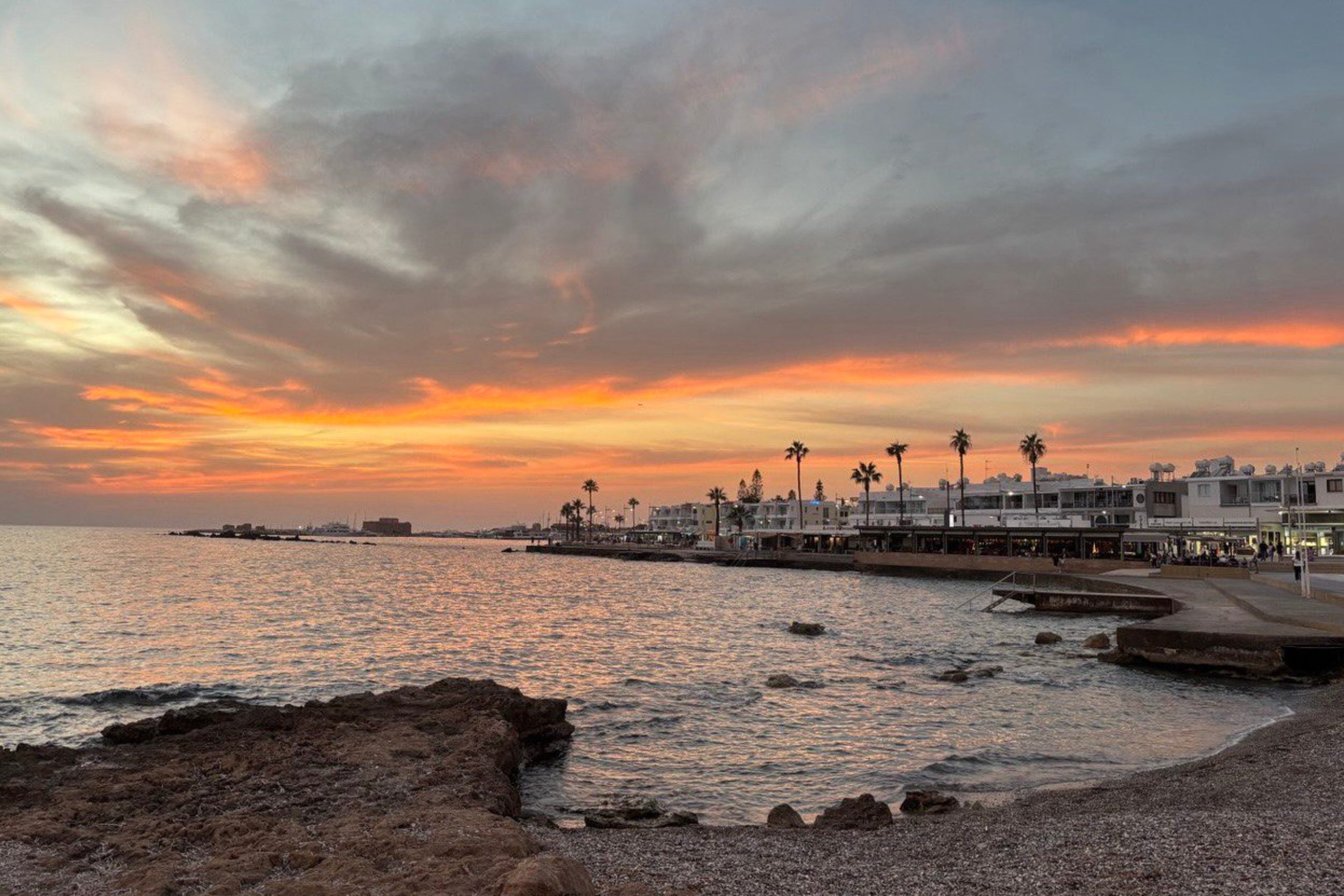
The modern promenade culture emerged after Cyprus’s independence in 1960, when cities began investing in coastal infrastructure. The Paphos promenade development connected the medieval harbor with archaeological sites, while Limassol created the Molos, a palm-lined waterfront park that opened in 2014. These projects reclaimed seafronts for public use after decades of commercial and industrial dominance, transforming coastlines into accessible recreational spaces.
Daily Promenade Rituals in Coastal Cities
The Molos Promenade in Limassol stretches over 11 miles along the seafront, connecting the Old Port with the Olympic Coast. This landscaped waterfront park features wide pedestrian paths, dedicated cycle lanes, playgrounds for children, skate ramps, outdoor amphitheaters, and wooden piers extending over the water. Early mornings bring joggers and cyclists, followed by families with young children using the playgrounds. Evenings transform the space into a social gathering place where locals practice their traditional volta, a slow stroll that prioritizes conversation over exercise.
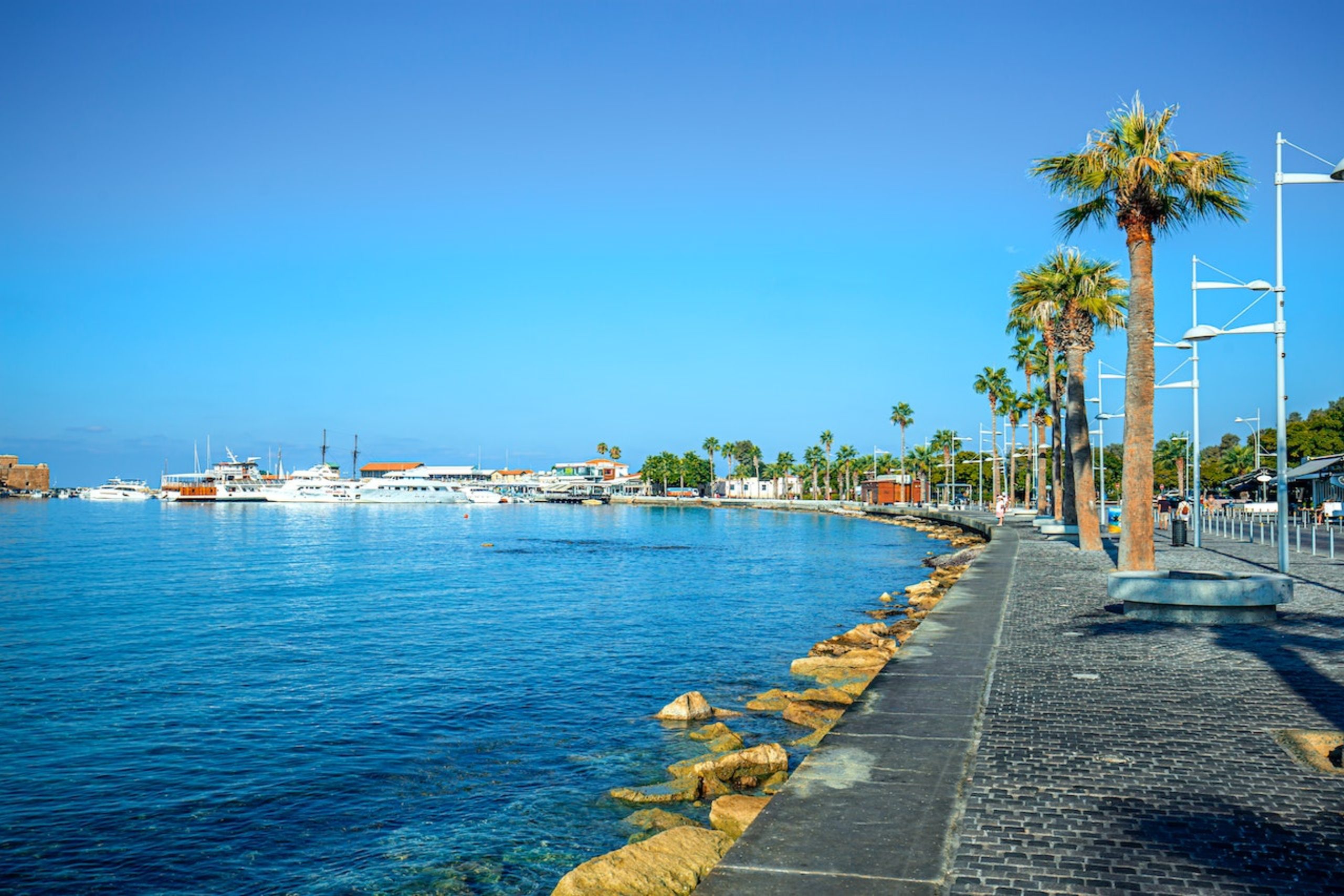
The Paphos Promenade begins at the medieval castle and extends through the historic harbor area, past the UNESCO World Heritage Archaeological Park with its Roman mosaics and ancient villas. Street performers, fishing boats, seaside tavernas, and souvenir shops create lively atmosphere throughout the day. The mostly flat, paved walkway accommodates wheelchairs and strollers, making it accessible to all ages. Musicians begin performing at sunset, when the castle lights up and crowds gather to watch the sky turn golden over the Mediterranean.
Cyprus promenades serve practical and social functions beyond recreation. Parents bring children to supervised playgrounds, teenagers meet friends away from home, and elderly residents maintain social connections through daily walks. The volta provides socially acceptable ways to see and be seen, maintaining community bonds through repeated casual meetings. Unlike exercise-focused walks in other cultures, Cypriot promenades prioritize social connection, with frequent stops for conversation and refreshment.
Beach Culture as Daily Practice
Swimming in Cyprus remains comfortable from May through October, with some hardy locals and winter swimmers continuing year-round. The swimming season begins in April when water temperatures reach about 20 degrees Celsius, particularly in southeastern areas like Ayia Napa and Protaras where shallow bays warm quickly. Peak summer months see water temperatures around 27 degrees Celsius, perfect for extended swimming sessions. Even in winter, average temperatures stay around 17 to 18 degrees Celsius, and sunny mornings attract dedicated swimmers practicing wellness routines.
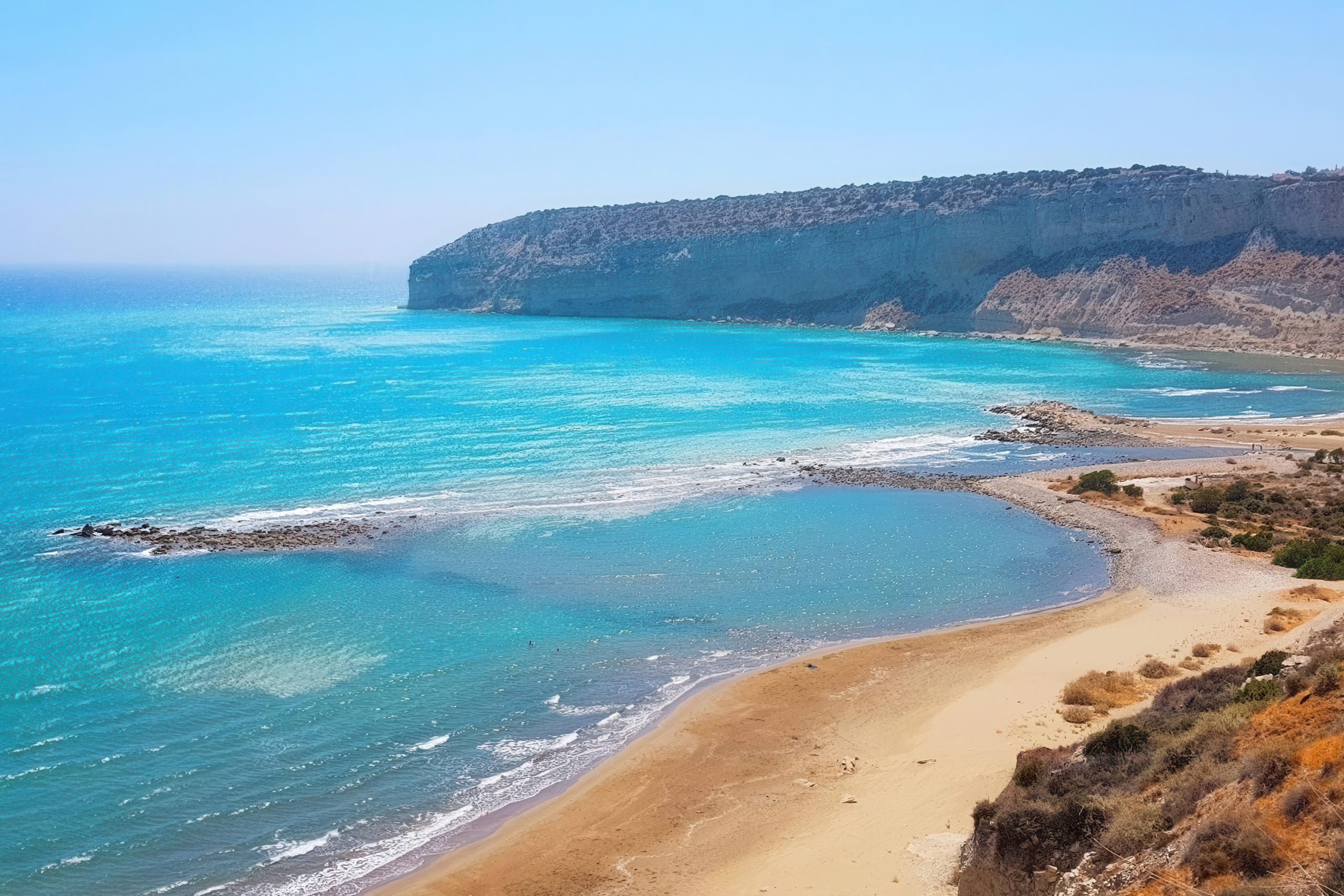
Cyprus has earned 64 Blue Flag certifications for beaches meeting international standards for water quality, safety, and environmental management. Most beaches feature shallow waters suitable for inexperienced swimmers and children, though some pristine locations have rugged shorelines with sudden drops into deeper water. Established beaches display colored flags warning of waves or currents, and lifeguards monitor popular locations during summer months from April through October.
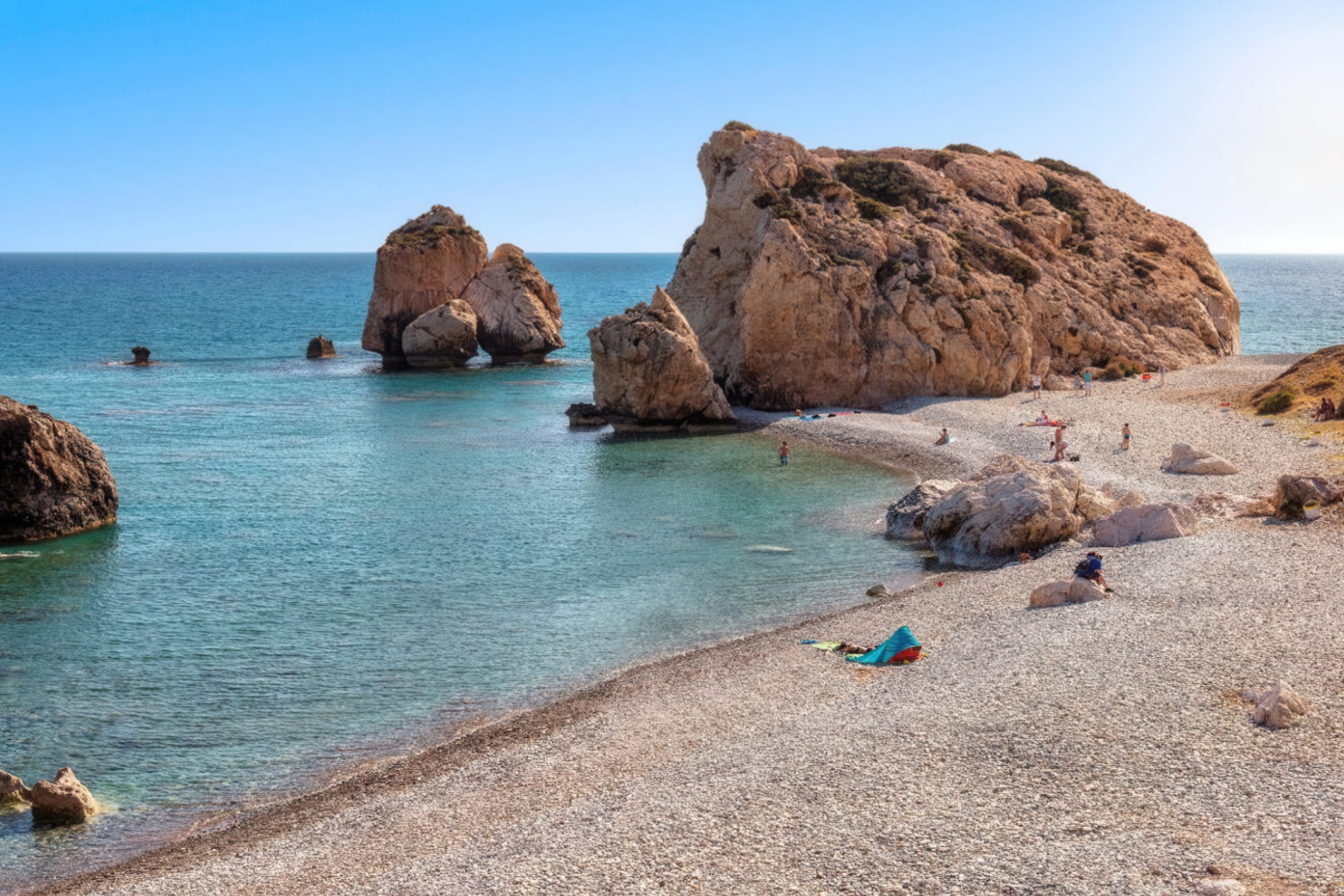
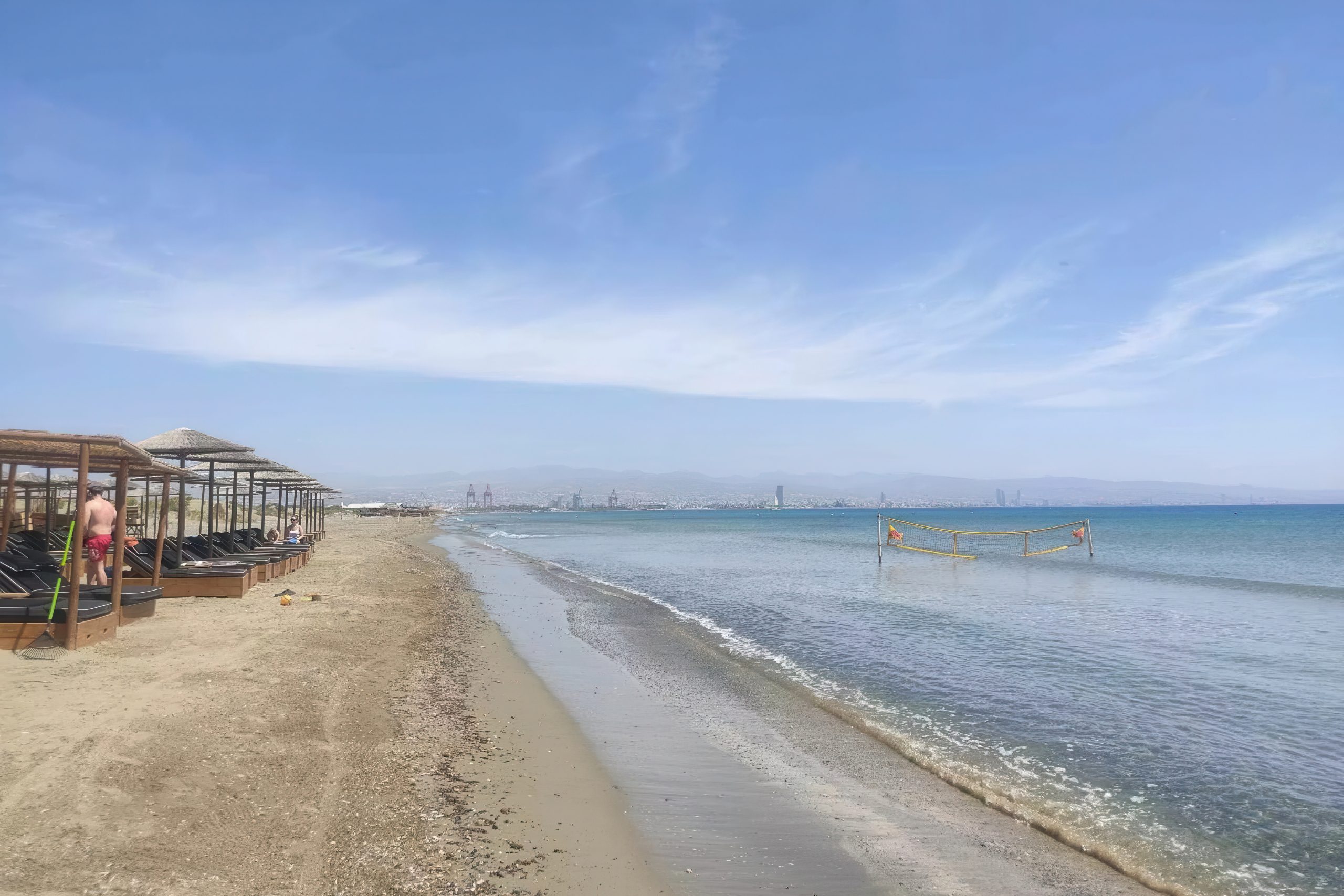
Lady’s Mile Beach near Limassol holds special significance as a local favorite. Named after a former governor’s wife who rode horses along its three-mile length, this beach provides enough space for crowds to spread out comfortably. Locals arrive early with umbrellas and coolers, settling in for full days of swimming, socializing, and eating. Mackenzie Beach in Larnaca attracts more Cypriots than tourists, offering shallow waters safe for families and a vibrant local atmosphere complete with beachfront restaurants and cafes.
Mountain Walking and Nature Trails
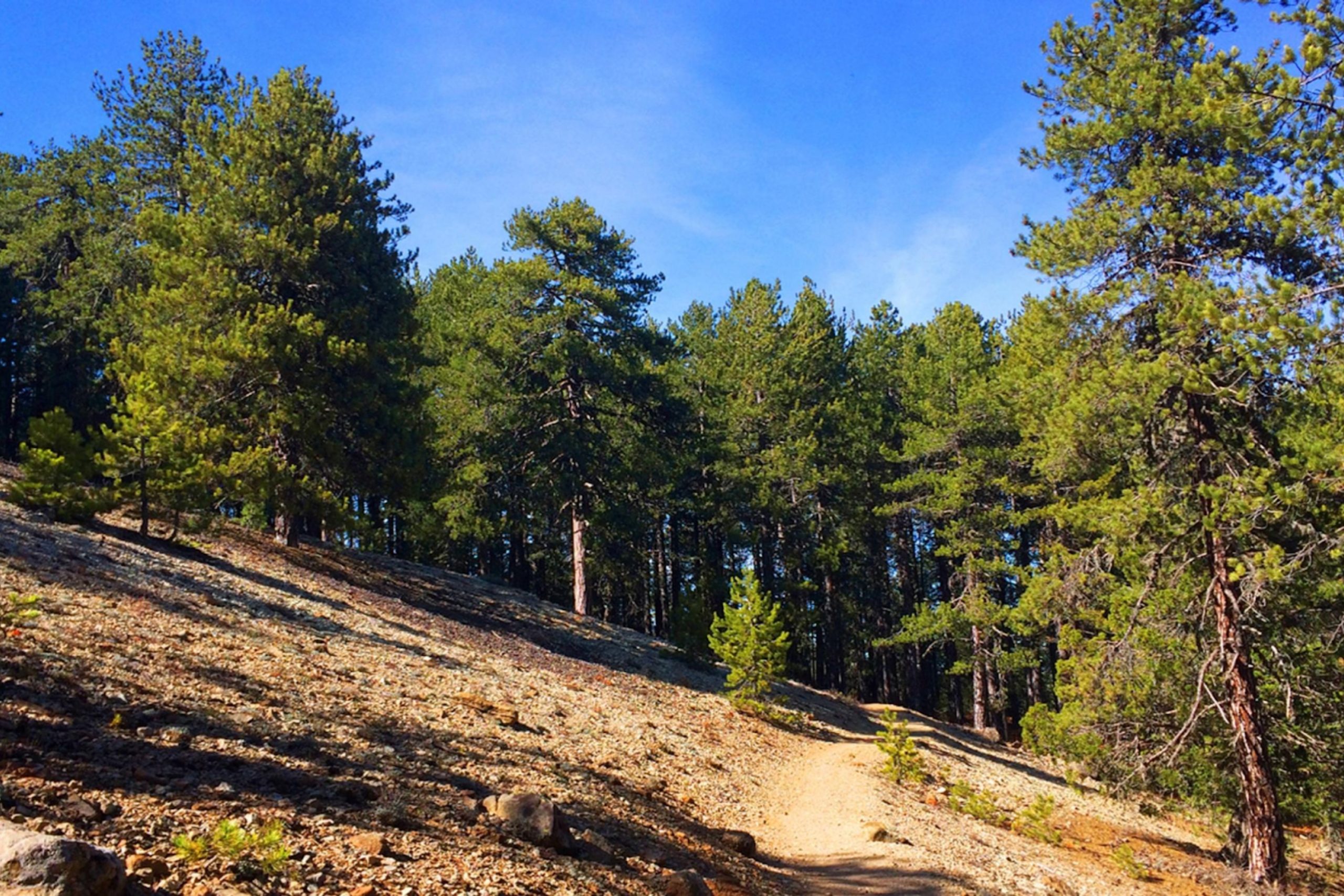
The Troodos Mountains in central Cyprus offer alternative walking experiences away from coastal areas. Rising to 1,952 meters at Mount Olympus, this forested region features peaceful trails through cedar trees and Aleppo pines. Stone villages with cobbled streets provide starting points for hikes to Byzantine monasteries with well-preserved frescoes. The River Trail follows the Setrachos River past abandoned watermills, natural sulfur springs, and Venetian bridges, creating circular routes suitable for moderate fitness levels.
The Akamas Peninsula on the northwestern coast combines coastal and mountain terrain in a protected natural area. The Aphrodite Trail covers 13 kilometers from Droushia village to the Baths of Aphrodite, passing through dusty paths flanked by sea broom, juniper, and carob trees. Ruined monasteries and panoramic ocean views reward walkers who complete the route. The peninsula remains relatively undeveloped, with dirt roads limiting access and preserving the wild Mediterranean landscape.
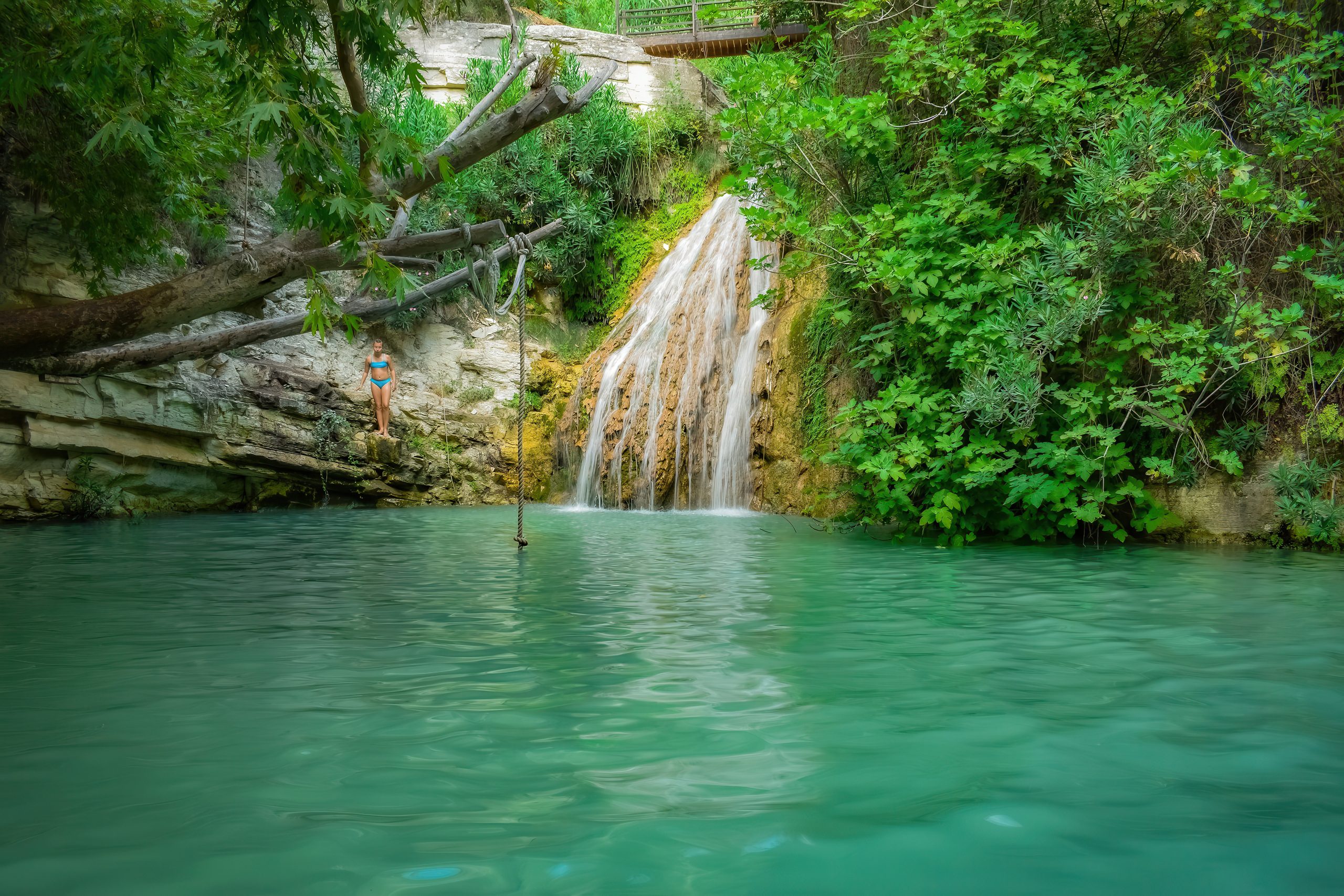
Spring months from March through May offer the best conditions for mountain walking, with wildflowers blooming and temperatures remaining comfortable. Summer heat makes trails difficult, with temperatures exceeding 35 degrees Celsius and limited shade. Autumn provides pleasant alternatives with cooler weather and fewer tourists. Walking poles prove helpful for mountain treks, and comfortable shoes handle rocky and stony sections better than sandals.
Water Safety Tips for Beachgoers
Safety at the beach is crucial, especially when swimming or participating in water activities. Always check for warning flags or signs that indicate water conditions. A red flag means no swimming, while yellow advises caution due to moderate surf or currents. Swim only in designated areas supervised by lifeguards. Rip currents are a leading cause of rescues, so it is essential to avoid panicking if caught in one. Instead, swim parallel to the shore and gradually make your way out of the current.
Water depth can change rapidly, so avoid venturing too far from the shore, particularly in unfamiliar locations. Children and weaker swimmers should use life jackets for added safety. Keep an eye on the weather forecast too, since sudden storms or high winds can create hazardous conditions. Staying informed and aware ensures a safer and more enjoyable beach experience for everyone.