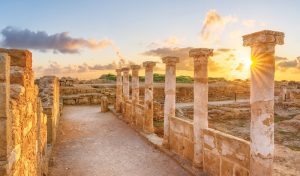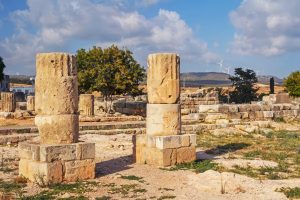
Cyprus holds a unique place in Greek mythology as the birthplace of Aphrodite, the goddess of love and beauty. According to ancient legend, she emerged from the sea foam near the southwestern coast of the island, arriving on the shores in a manner that captured the imagination of countless generations. This mythological connection transformed Cyprus into one of the most important religious centers in the ancient Mediterranean world.
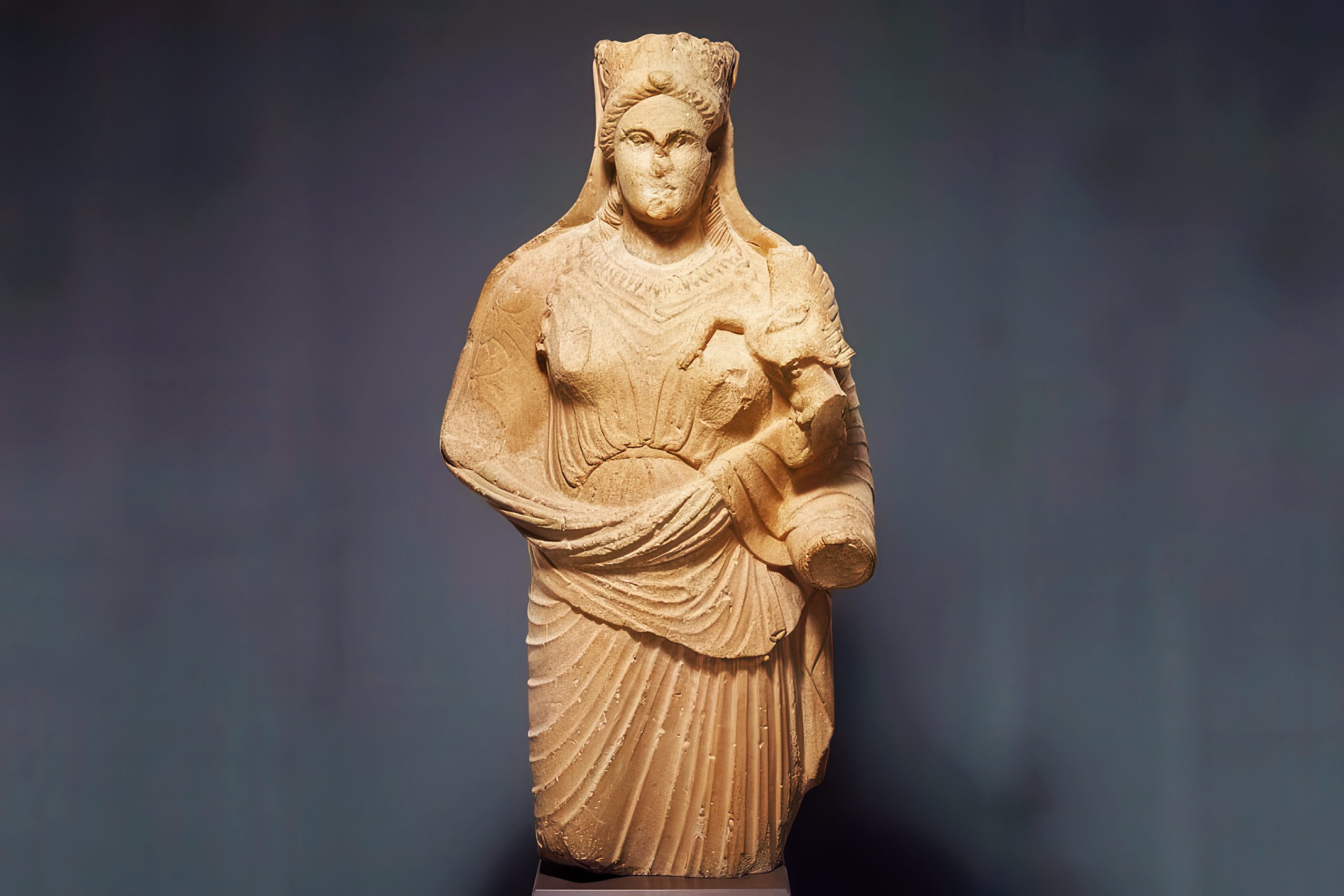
The island’s association with Aphrodite went far beyond simple legend, shaping its culture, religion, and identity for thousands of years. Pilgrims traveled from across the ancient world to visit her sanctuaries, making Cyprus synonymous with the worship of love, beauty, and fertility.
Historical Background
The birth myth of Aphrodite contains dramatic elements that ancient Greeks found both shocking and meaningful. According to the poet Hesiod, the titan Cronus castrated his father Uranus, the sky god, and threw the severed parts into the sea. From the resulting foam, Aphrodite arose as a fully grown woman of extraordinary beauty. The name Aphrodite itself comes from the Greek word aphros, meaning foam.

The waves initially carried her toward the Greek island of Kythera, but winds redirected her journey to Cyprus. She reached the shore at a location now called Petra tou Romiou, also known as Aphrodite’s Rock. Local tradition claims that as she stepped onto the beach, flowers bloomed beneath her feet and the sea sparkled with otherworldly light. The goddess then traveled inland to Paphos, which became the main center of her worship.
Homer offered an alternative version of her origins, describing Aphrodite as the daughter of Zeus and the minor goddess Dione. However, the Cypriot birth story became the dominant narrative and the one most closely associated with the island. Ancient writers including Homer, Hesiod, and later Roman poets regularly referred to Aphrodite as the Cyprian or the Paphian, acknowledging her special connection to the island.
The Sacred Sites and Their Features
Petra tou Romiou remains the most visited site associated with Aphrodite’s birth. This geological formation consists of large limestone rocks rising from the Mediterranean near the village of Kouklia in the Paphos district. The sea here produces distinctive white foam as waves crash against the rocks, which ancient people believed resembled the moment of the goddess’s birth.
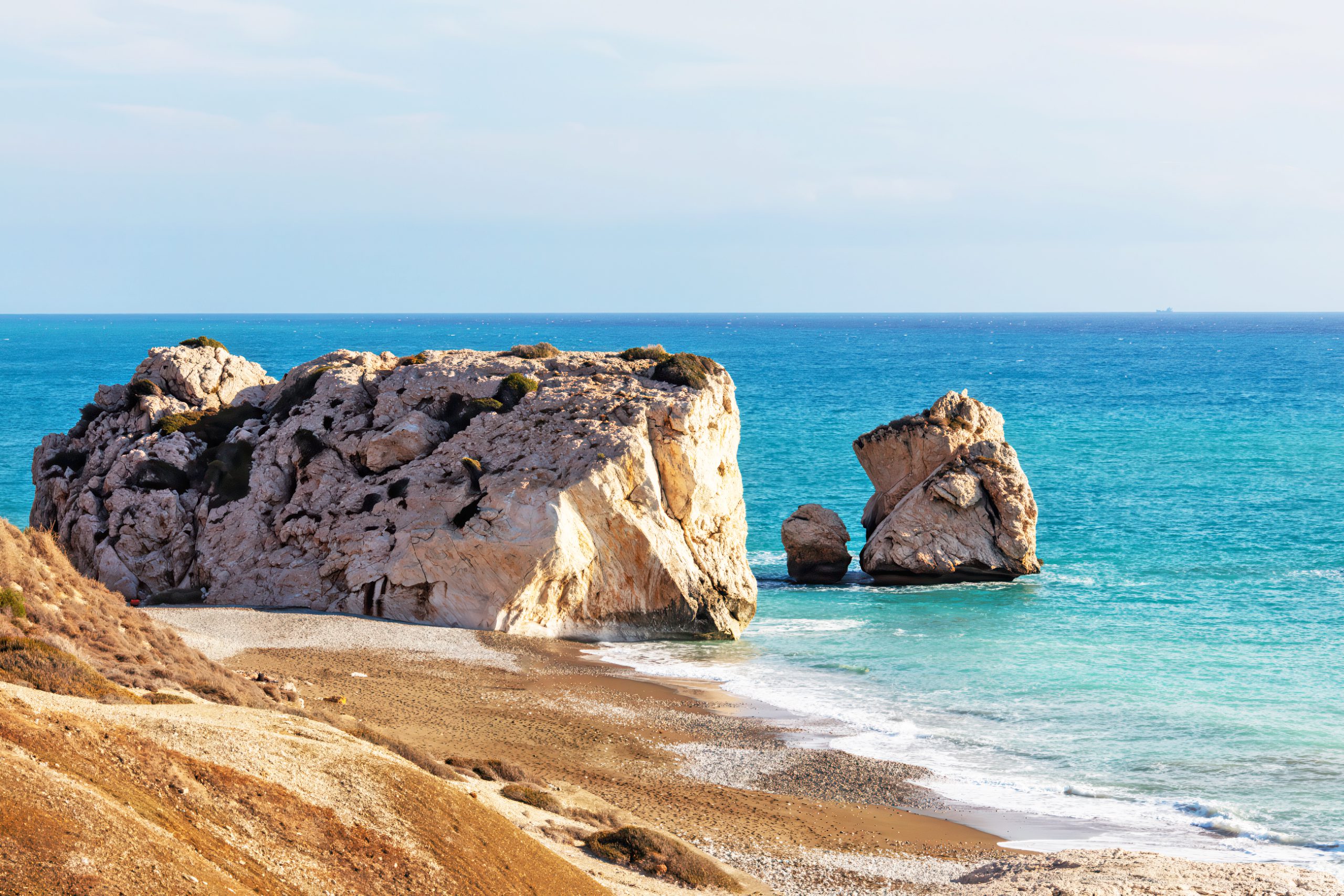
The location bears two names reflecting different legends. Petra tou Romiou means Rock of the Roman or Rock of the Greek. This name comes from a Byzantine legend about the hero Digenis Akritas, who reportedly hurled massive stones into the sea to repel Saracen invaders. The largest rock became known as Aphrodite’s Rock, while a nearby formation is called the Saracen Rock.
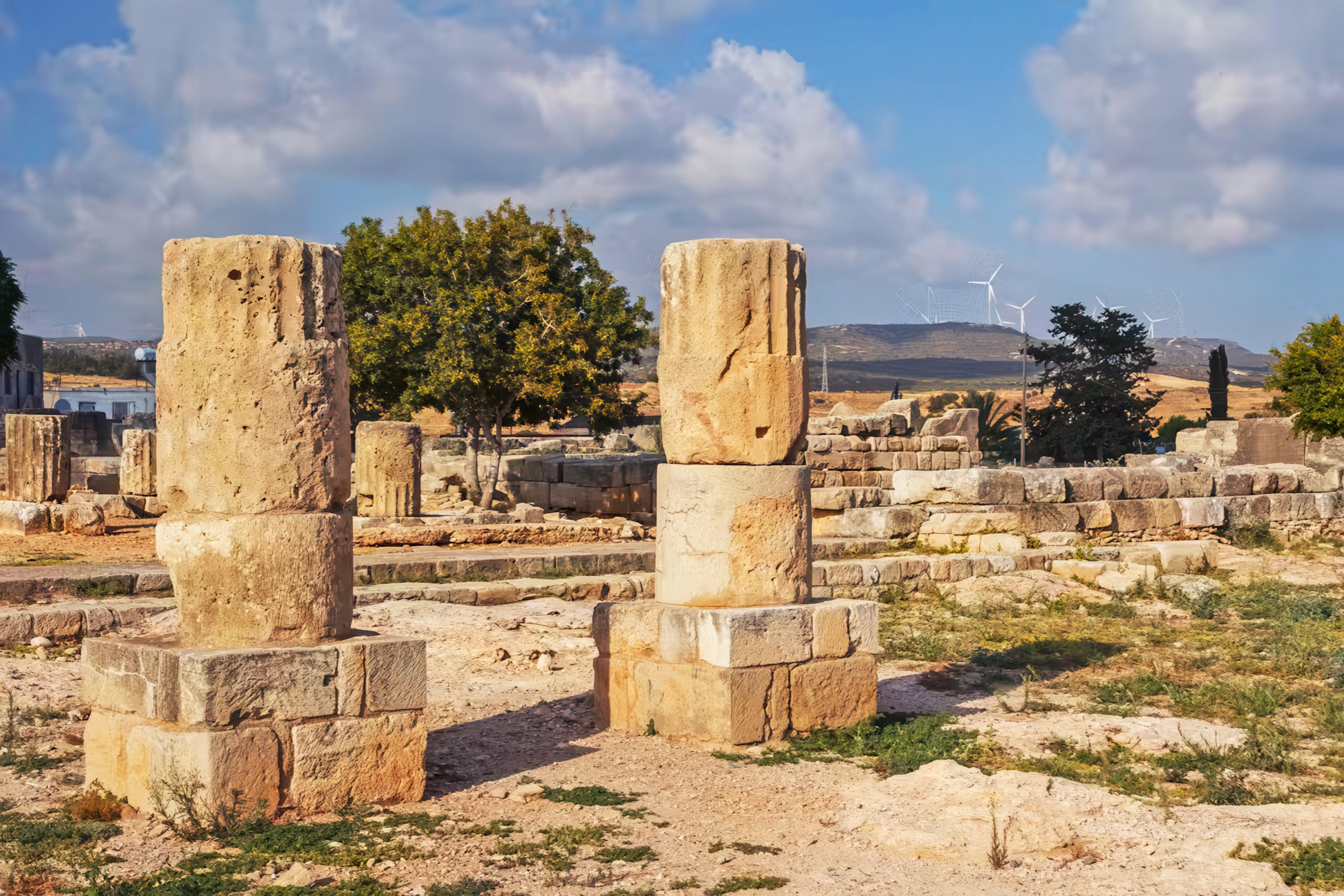
The Sanctuary of Aphrodite at Palaipaphos, located in modern Kouklia village about 14 kilometers from Paphos, served as the most important religious center dedicated to the goddess. Archaeological remains date to the 12th century BC, though worship likely occurred at the site even earlier. The sanctuary operated continuously until the 3rd or 4th century AD, when Emperor Theodosius banned pagan worship.
Remarkable Details About the Goddess Cult
Pilgrims who participated in the mysteries of Aphrodite at Paphos received unusual ritual objects. Upon paying a small fee, initiates were given a measure of salt and a phallic symbol. The salt represented the sea from which Aphrodite emerged, while the phallic object connected to her role as a fertility goddess. These items served as tangible reminders of the goddess’s power over reproduction and life.
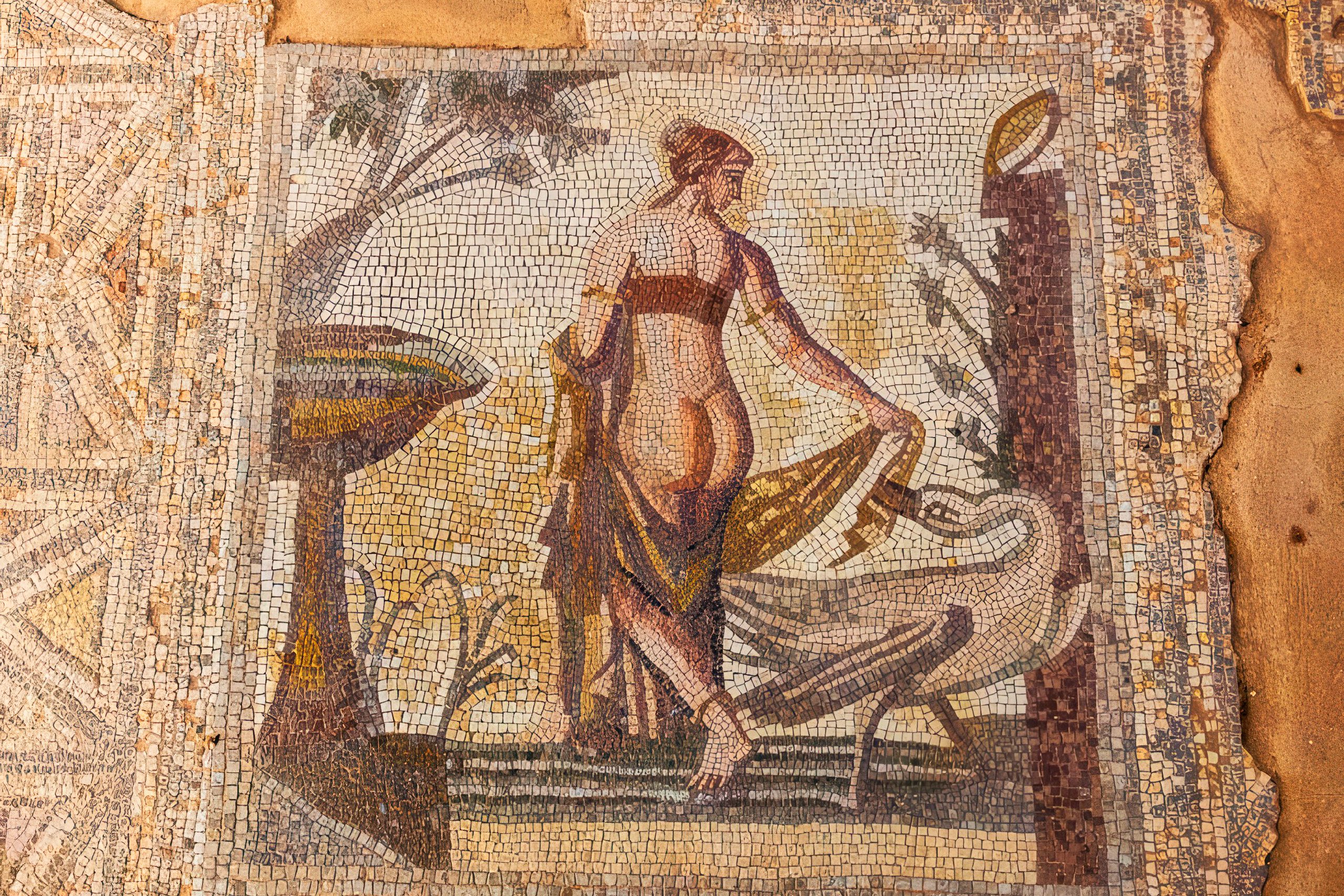
The annual Aphrodisia festival in Cyprus featured elaborate celebrations each spring. Processions of men and women, often wearing garlands, walked approximately 60 stadia from New Paphos to Old Paphos along a sacred road. The priest who led these processions held the title agētōr, derived from his role heading the ritual march. The festival included athletic competitions, music contests, and poetry recitations, similar in scale to other major Greek religious celebrations.
Strict rules governed sacrifices at the Aphrodite sanctuary. The altar could never be stained with blood, so animal sacrifices were forbidden. Instead, worshippers offered incense, flowers, fire, and perfumes. The only exception occurred at the beginning of certain rituals when a dove, Aphrodite’s sacred bird, was sacrificed to purify the temple. After this initial purification, all subsequent offerings remained bloodless.
The sanctuary possessed oracle capabilities, allowing pilgrims to seek divine guidance. Future Roman Emperor Titus consulted the oracle in 69 AD while traveling to Egypt. The oracle predicted his great future, a prophecy that proved accurate when he became emperor a decade later. This event enhanced the sanctuary’s reputation across the Roman world.
Religious Practices and Cultural Influence
The cult of Aphrodite combined elements from multiple cultural traditions. Phoenician influences appear in architectural styles and certain ritual practices. Greek religious concepts merged with older Cypriot beliefs to create a unique form of worship. Egyptian connections also existed, as evidenced by statues combining features of Aphrodite with the Egyptian goddess Hathor.
Priests controlled significant economic and political power through their management of the sanctuary. They oversaw extensive land holdings, received tributes from across Cyprus and beyond, and influenced local governance. The priestly family claiming descent from Kinyras maintained hereditary control of the highest religious positions for centuries.
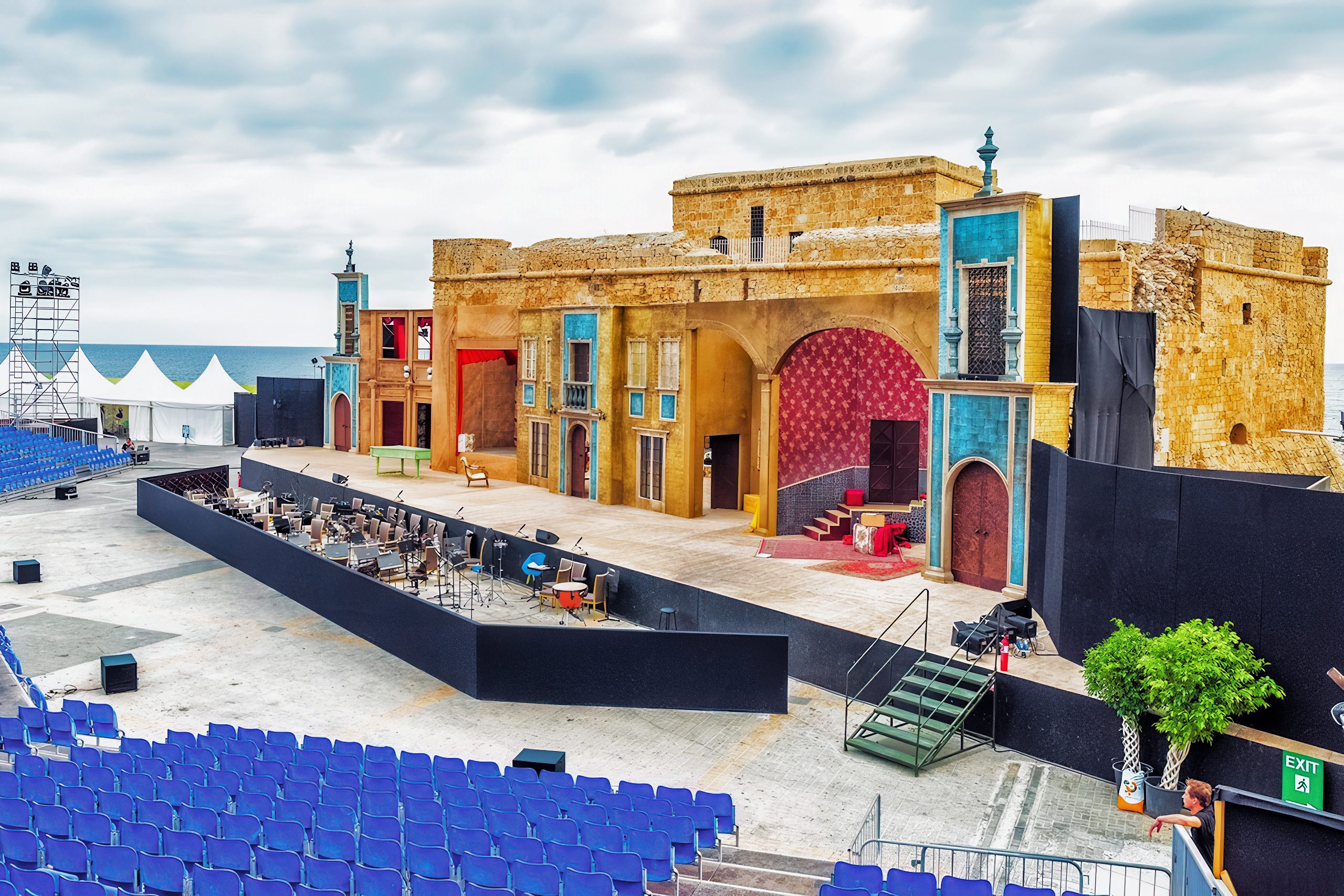
Musical and artistic competitions formed important parts of Aphrodite festivals. Poets composed hymns praising the goddess, while athletes competed for prizes in her honor. These events attracted participants from across the Greek world, spreading Cyprus’s fame as the goddess’s home. The quality of offerings and the scale of celebrations demonstrated civic pride and religious devotion.
Women played significant roles in Aphrodite worship. Female devotees performed specific rituals, maintained certain shrine areas, and participated in processions. The goddess’s associations with marriage, childbirth, and female concerns made her particularly important to women across social classes.
Visiting the Legendary Sites Today
Petra tou Romiou Beach offers public access via an underpass beneath the main Paphos to Limassol highway. The rocky beach consists of smooth pebbles rather than sand. Three large rocks rise from the water offshore, though locals disagree about which specific rock represents Aphrodite’s birthplace. The sea here can be rough, making swimming challenging despite the beautiful setting.
Facilities at Petra tou Romiou include parking areas on both sides of the highway, a restaurant, gift shops selling Aphrodite-themed souvenirs, and a tourist pavilion with information displays. The best time to visit is during sunset when golden light illuminates the rocks and creates spectacular photographic opportunities. Early morning also offers beautiful light with fewer crowds.
The archaeological site at Kouklia opens daily with admission fees supporting ongoing excavations and preservation. The museum occupies a medieval manor house that once served as the administrative center during Ottoman rule. Two galleries display chronological finds from excavations, including the conical stone, ritual vessels, jewelry, and architectural elements.
The Lasting Power of an Ancient Story
The Aphrodite legends demonstrate how mythology shapes cultural identity across millennia. Cyprus’s association with the goddess of love has defined the island’s character since ancient times. These stories connected a small Mediterranean island to the broader Greek world while maintaining distinctive local traditions.

The merging of indigenous Cypriot beliefs with Greek mythology created something unique that neither culture produced independently. This synthesis represents the creative power of cultural exchange and the human capacity to find meaning through shared stories. The worship of Aphrodite brought economic prosperity, political prestige, and international recognition to ancient Cyprus.
Modern Cyprus continues to draw meaning and practical benefits from these ancient connections. Tourism based on Aphrodite legends supports local economies, preserves archaeological sites, and maintains cultural continuity. The goddess serves as a bridge between past and present, allowing contemporary Cypriots and visitors to engage with history through accessible and emotionally resonant stories about love, beauty, and the mysterious powers attributed to this remarkable island.