Explore Cyprus with Our Interactive Map

Explore our top stories and discover ideas worth your time.

Top Cyprus Landscape Photography Spots

Top Cyprus Landscape Photography Spots

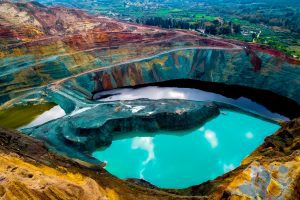
Cyprus is one of those places that keeps rewarding you the longer you stay. Most visitors spend their time on the beaches, and the beaches are genuinely great, but the real landscape photography potential of this island goes way beyond the coastline. From dramatic sea cliffs and ancient rock formations to mountain waterfalls, salt lakes full of flamingos, and untouched gorges carved out of limestone, Cyprus packs an extraordinary range of natural scenery into a relatively small island. The whole country is about 3,500 square miles, which means in a single day you can shoot sunrise on a sea cliff, hike through a gorge in the afternoon, and still catch golden hour over a mountain valley. That kind of variety is rare, and photographers who know about it keep coming back. This guide breaks down 10 of the best landscape photography locations in Cyprus, starting with when to actually go. Best Time of Year for Landscape Photography in Cyprus Spring for Green Valleys and Flowers March through May is the strongest overall window for landscape photography in Cyprus. The winter rains have done their work and the island turns genuinely green, including the mountain interiors and valley floors that look parched by midsummer. Wildflowers cover hillsides and gorges, dam reservoirs hold their best water levels, and the light has a…

Read more
Haunted Mills and Ruins Across Cyprus

Haunted Mills and Ruins Across Cyprus

Cyprus holds a collection of abandoned places that attract visitors interested in supernatural tales and historical mysteries. These locations range from ghost towns frozen in time to mountain hotels shrouded in dark legends and villages deserted by their residents. The island's troubled 20th century history, particularly the 1974 division, created numerous abandoned settlements that locals and visitors now associate with paranormal activity. These sites blend documented historical events with folklore, creating spaces where reality and supernatural stories overlap. Historical Context The modern haunted landscape of Cyprus emerged primarily from two sources. The 1974 Turkish invasion created instant ghost towns when residents fled their homes. Varosha in Famagusta represents the most dramatic example, a once glamorous resort sealed off by military forces and left untouched for decades. The invasion displaced hundreds of thousands of people, leaving behind dozens of villages that remain empty today. Earlier events also contributed to abandoned sites. The intercommunal violence of the 1960s forced Turkish and Greek Cypriots to abandon mixed villages. Mining closures in the 1930s and natural disasters like earthquakes created additional deserted settlements. Each abandonment brought its own set of stories about what happened and what might remain. Features of Cyprus most notorious haunted locations Varosha stands as Cyprus most famous ghost town. Before 1974, this Famagusta district attracted celebrities like Elizabeth Taylor and…

Read more
How Road Signs and Navigation Work in Cyprus

How Road Signs and Navigation Work in Cyprus

Cyprus joined the Vienna Convention on Road Signs and Signals on August 16, 2016, bringing its signage in line with most European countries. However, the British influence remains visible throughout the system. Road signs closely resemble those used in the United Kingdom, a direct inheritance from colonial rule that ended in 1960. Warning signs take the familiar triangular shape with a red border and white background, matching most European conventions. This differs from Greece, where warning signs have yellow backgrounds instead of white. Regulatory signs follow the circular pattern, with red circles indicating prohibitions and blue circles showing mandatory actions. Information signs use rectangular shapes. The system uses metric measurements rather than imperial units, distinguishing it from British practice. Speed limit signs display kilometers per hour, distance markers show kilometers, and weight restrictions appear in tonnes. This metric approach aligns Cyprus with continental European standards while maintaining the visual design language of British road signage. The Challenge of Bilingual Signage Cyprus faces a unique linguistic situation with its road signs. Most directional and informational signs display text in both Greek and English, using the Helvetica typeface for clarity. Greek text appears in capital letters using the Greek alphabet, while English text follows standard Latin script conventions. This bilingual approach serves practical purposes for the island's diverse population and substantial tourist…

Read more