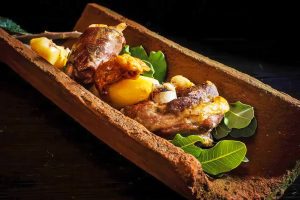
Kleftiko is one of the most recognisable dishes in Cyprus, yet its importance has little to do with flavour alone. This slow-cooked lamb, sealed away from air and fire, tells a story of survival, patience, and rural ingenuity.
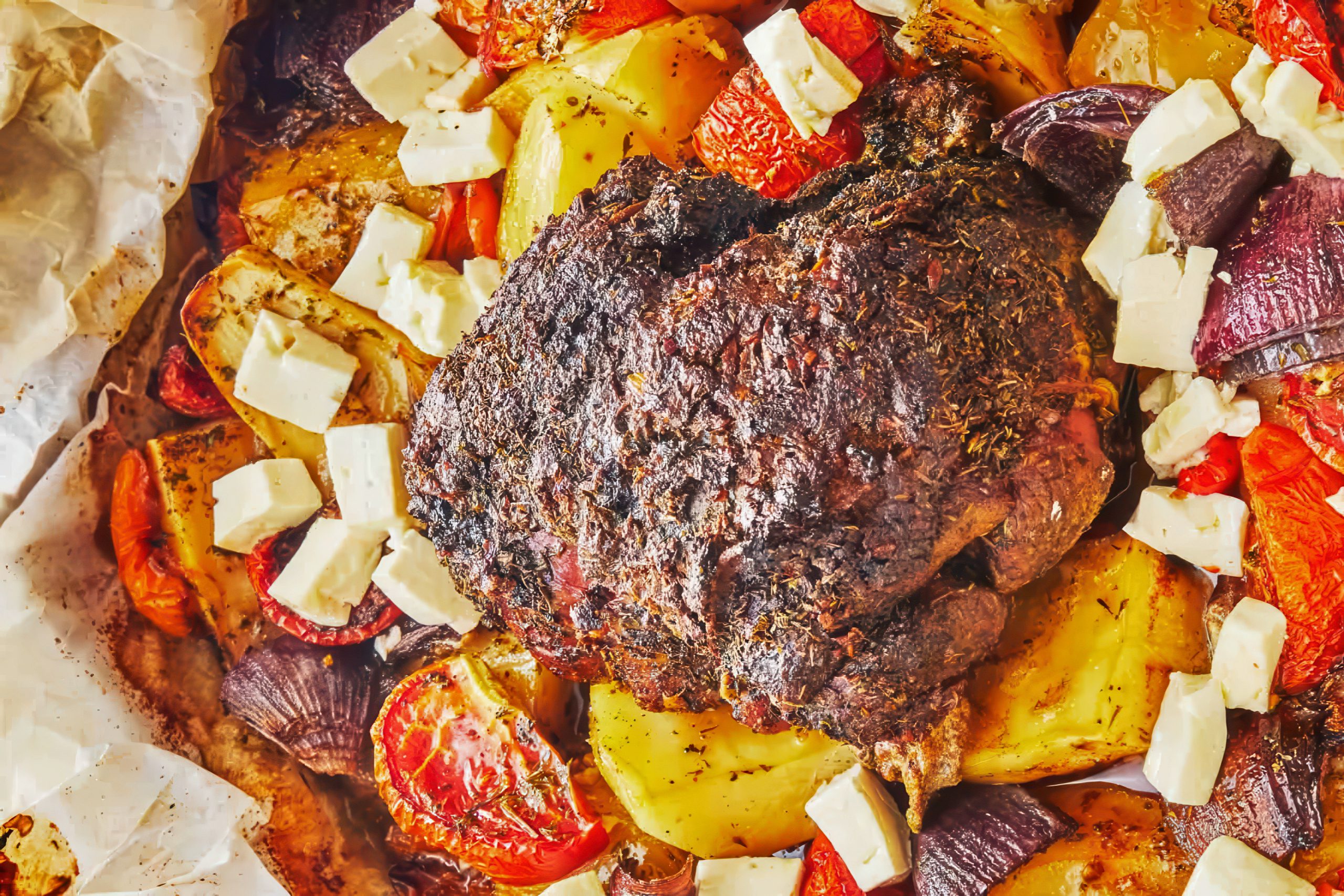
More than a recipe, Kleftiko reflects how Cypriots adapted to hardship and turned necessity into tradition. Understanding it means understanding why time, restraint, and shared meals still matter deeply on the island.
A Dish Built on Secrecy and Time
At its core, Kleftiko is lamb or goat cooked slowly in a sealed environment. The defining feature is not the meat itself, but the method. By trapping steam and heat, the meat softens gradually, breaking down until it can be pulled apart with little effort.
This approach was developed for practical reasons. Cooking openly created smoke and scent that could travel far. Sealing the meat allowed it to cook invisibly, protected from wind, flame, and unwanted attention. Over hours, sometimes an entire day, the process transformed tough cuts into something rich and deeply aromatic.
Kleftiko’s slowness is not incidental. It is the point. Time is the primary ingredient, and patience is the main technique.
Why It Is Called Kleftiko
The name Kleftiko comes from the Greek word kleftis, meaning “thief.” During periods of Ottoman rule, groups of mountain fighters and shepherds relied on stealth to survive. When animals were taken for food, cooking them openly was dangerous.
The solution was simple and effective. Meat was buried in pits or sealed in earth-covered ovens, left to cook while people moved on. When they returned, the food was ready, tender, and undetectable. What began as a survival tactic gradually became a shared method, then a recognised dish.
In Cyprus, this history gave rise to Ofto Kleftiko, with ofto meaning baked. The name preserves the memory of those conditions long after the danger itself passed.
From Mountain Pits to Village Ovens
As life stabilised, Kleftiko moved from hidden pits into village courtyards. The fournos, a domed clay oven built from clay, sand, and straw, became central to rural cooking. These ovens retained heat for hours after firing, making them ideal for long, sealed cooking.
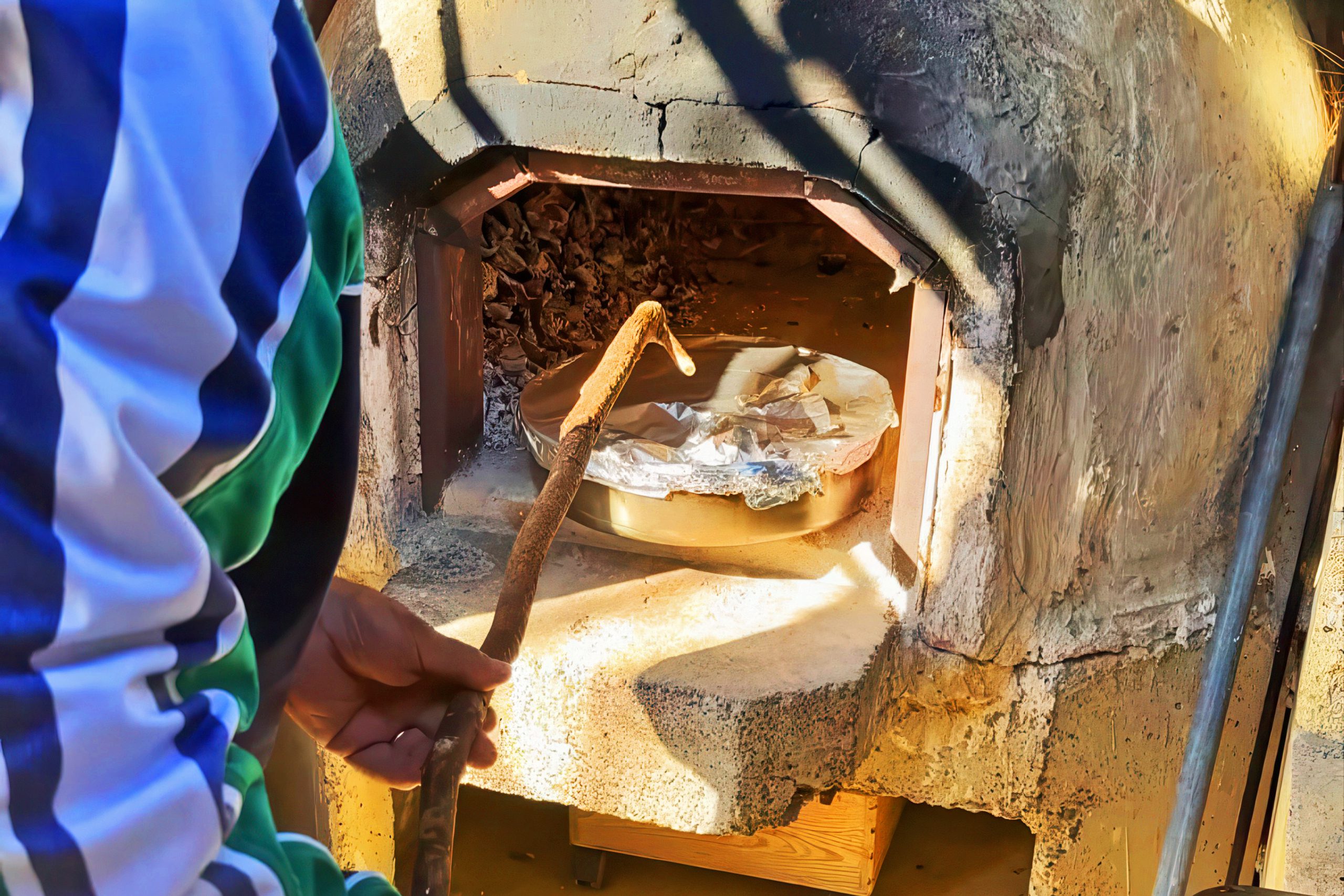
To prepare Kleftiko, the oven was heated intensely, then cleared of embers. The meat was placed inside and the opening sealed, traditionally with mud or flour paste. Once closed, the oven was left untouched. No turning, no checking, no rushing.
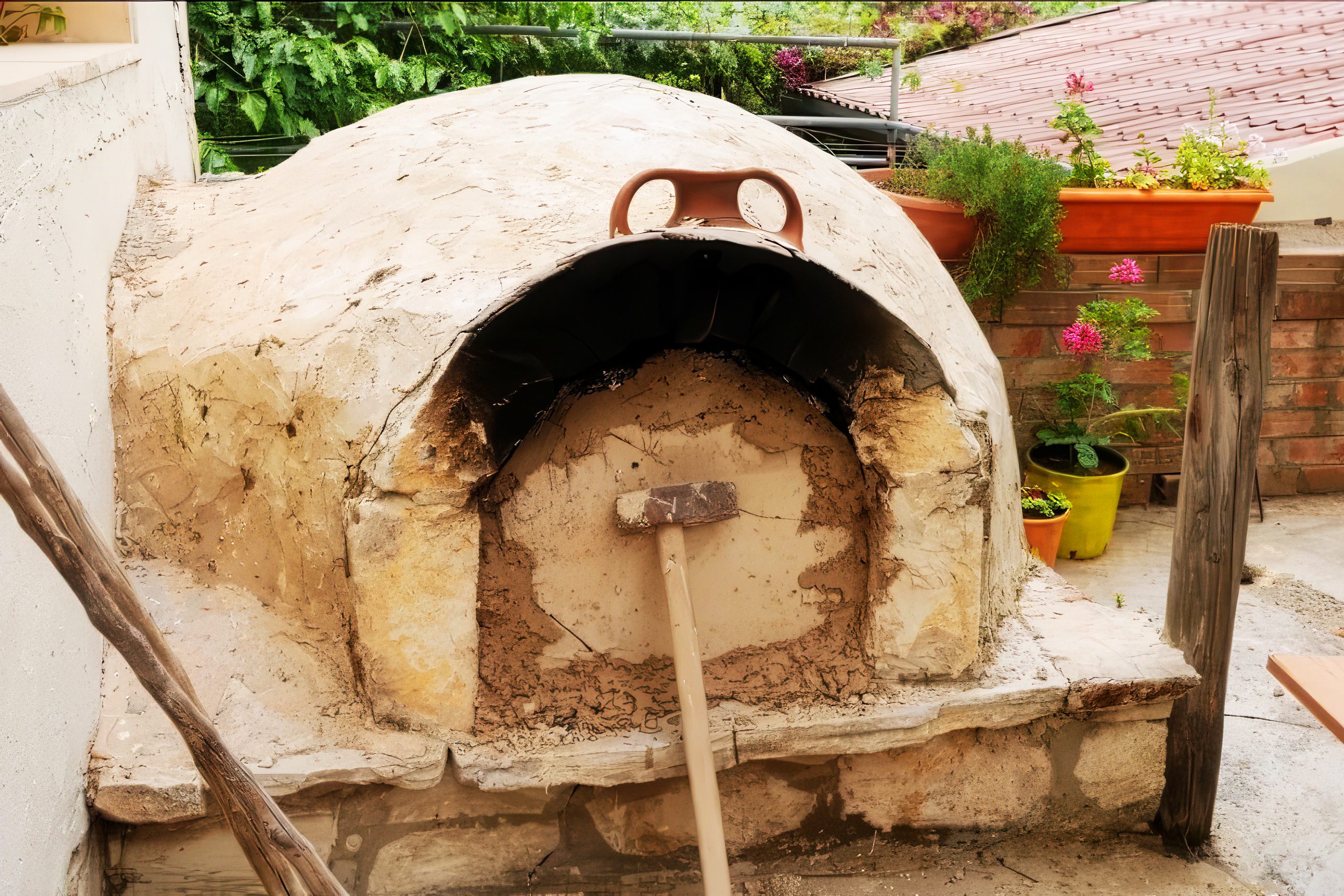
This method required trust in experience rather than control. The cook relied on timing, not temperature gauges. That mindset still defines how Kleftiko is approached today, even in modern kitchens.
The Importance of Sealing
What distinguishes Kleftiko from other slow-cooked lamb dishes is the seal. Moisture cannot escape, and external heat cannot suddenly. The environment remains stable and forgiving, allowing gradual transformation.
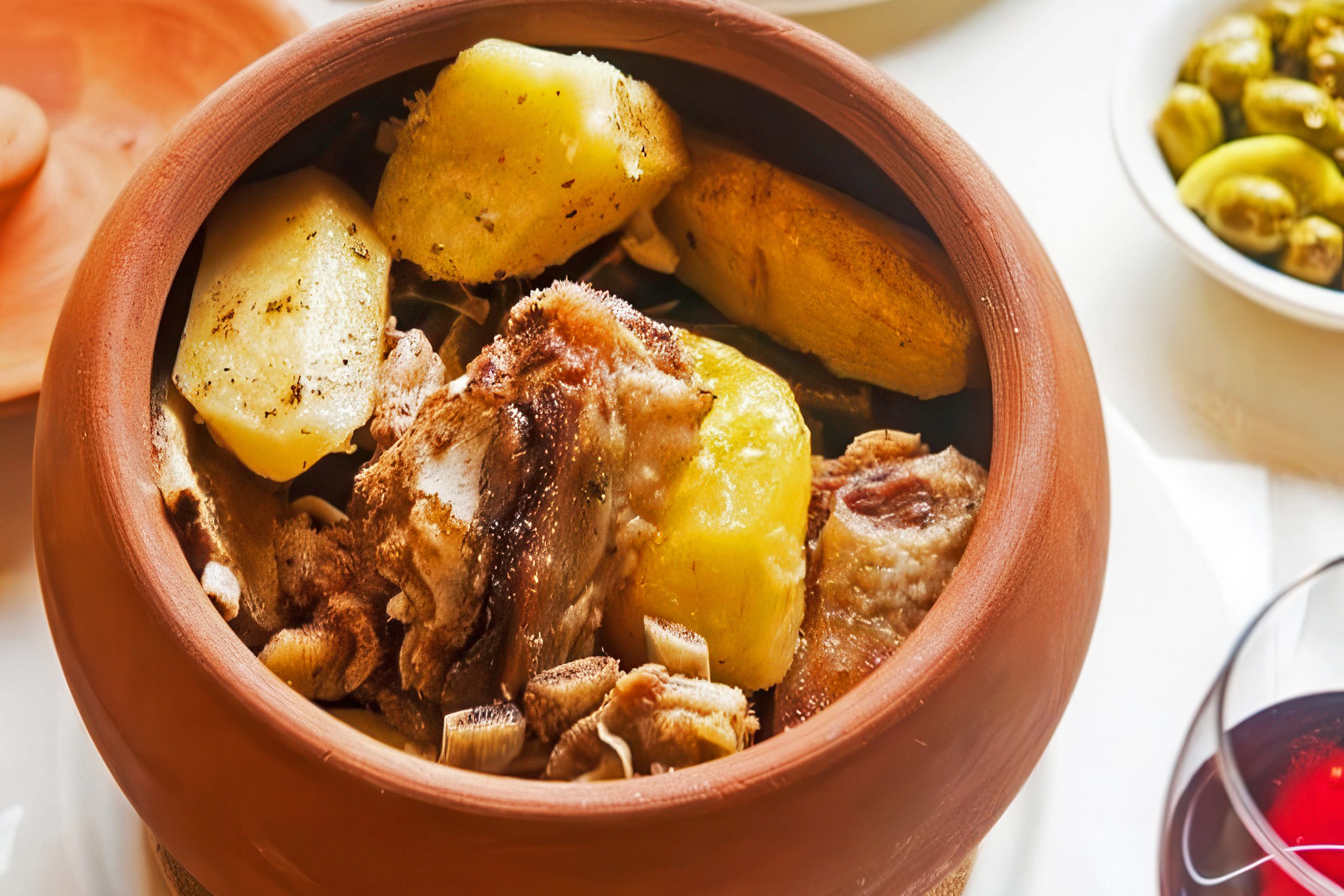
Inside, fat renders gently, connective tissue dissolves, and flavours concentrate. The meat cooks in its own juices, alongside potatoes that absorb everything released during the process. Nothing is wasted, and nothing is forced.
Modern kitchens replicate this by wrapping meat tightly in parchment or foil, but the principle remains unchanged. Kleftiko succeeds because it is closed off from interference, allowing time to do its work.
Simplicity in Seasoning
Kleftiko relies on restraint rather than complexity. The seasoning philosophy is minimal, designed to support the meat rather than dominate it.
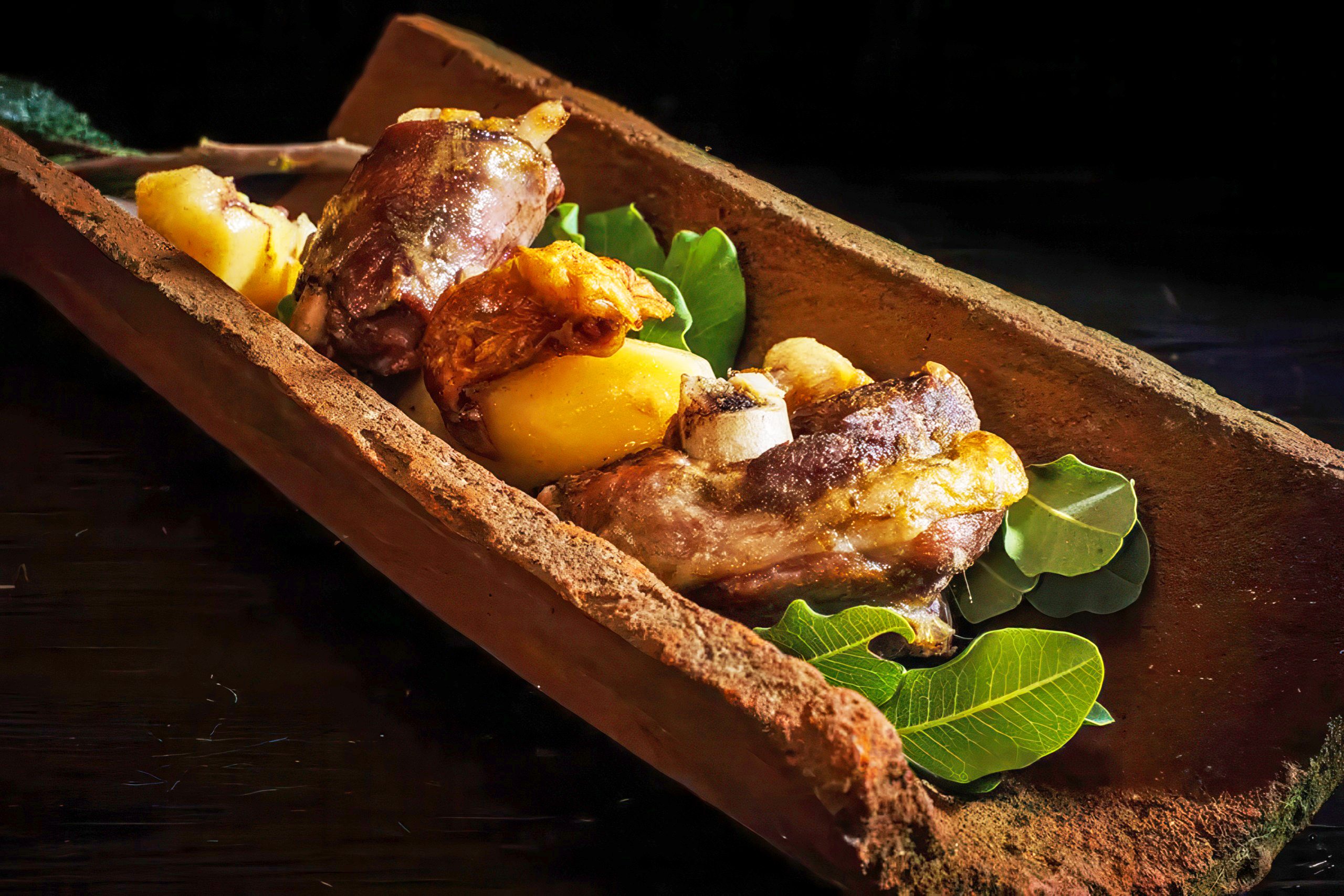
Typical elements include garlic, lemon, oregano, bay leaves, and a subtle touch of cinnamon. These ingredients work quietly in the background, creating balance rather than intensity.
There are no heavy sauces and no aggressive spice blends. The goal is clarity, not spectacle, and flavour that feels settled rather than performative.
The Role of Potatoes
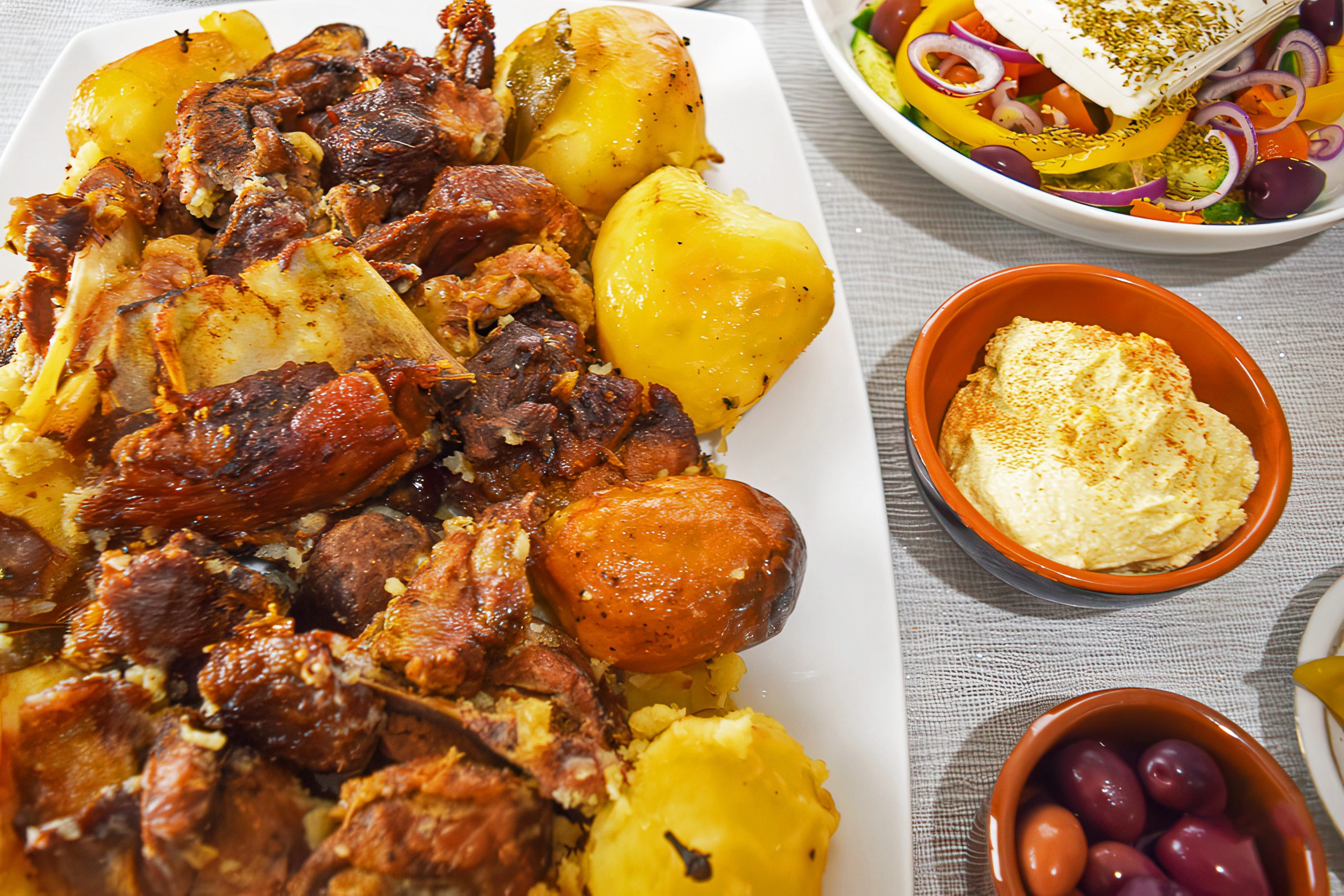
In Cyprus, Kleftiko is rarely served alone. Potatoes are placed beside the meat inside the sealed vessel and cooked under the same conditions.
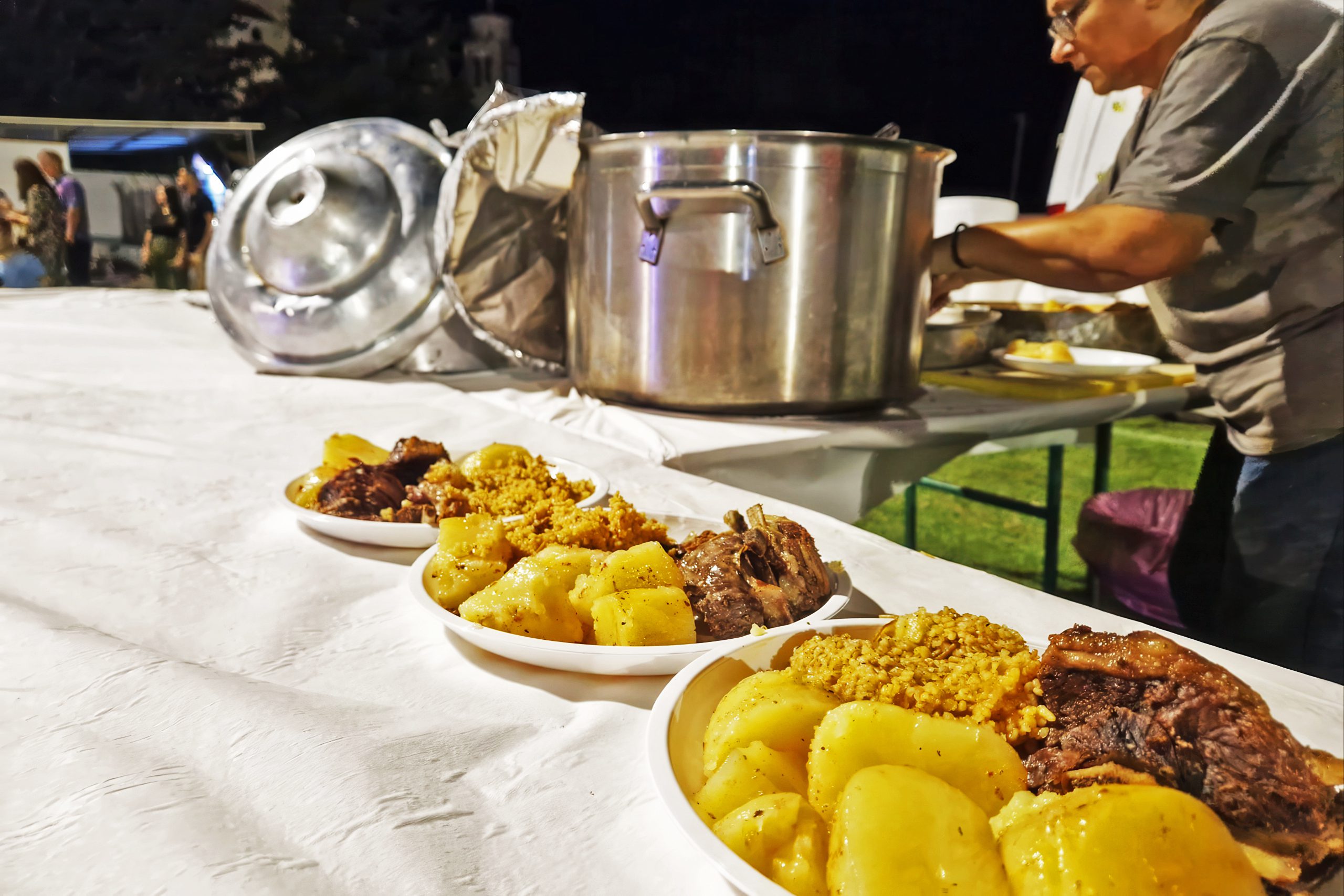
As the lamb releases fat and juices, the potatoes absorb them completely. The result is a texture somewhere between roasted and mashed, soft yet structured, rich without heaviness. For many Cypriots, these potatoes are as essential as the meat itself.
This pairing reinforces the dish’s origins. Everything cooks together, slowly, with no separation and no shortcuts, reflecting a practical and holistic approach to rural cooking.
A Meal Anchored in Community
Traditionally, Kleftiko was prepared on Sundays. Families would take their sealed trays to a communal oven early in the morning, often before church. Hours later, they returned to collect their meal, ready for the largest gathering of the week.
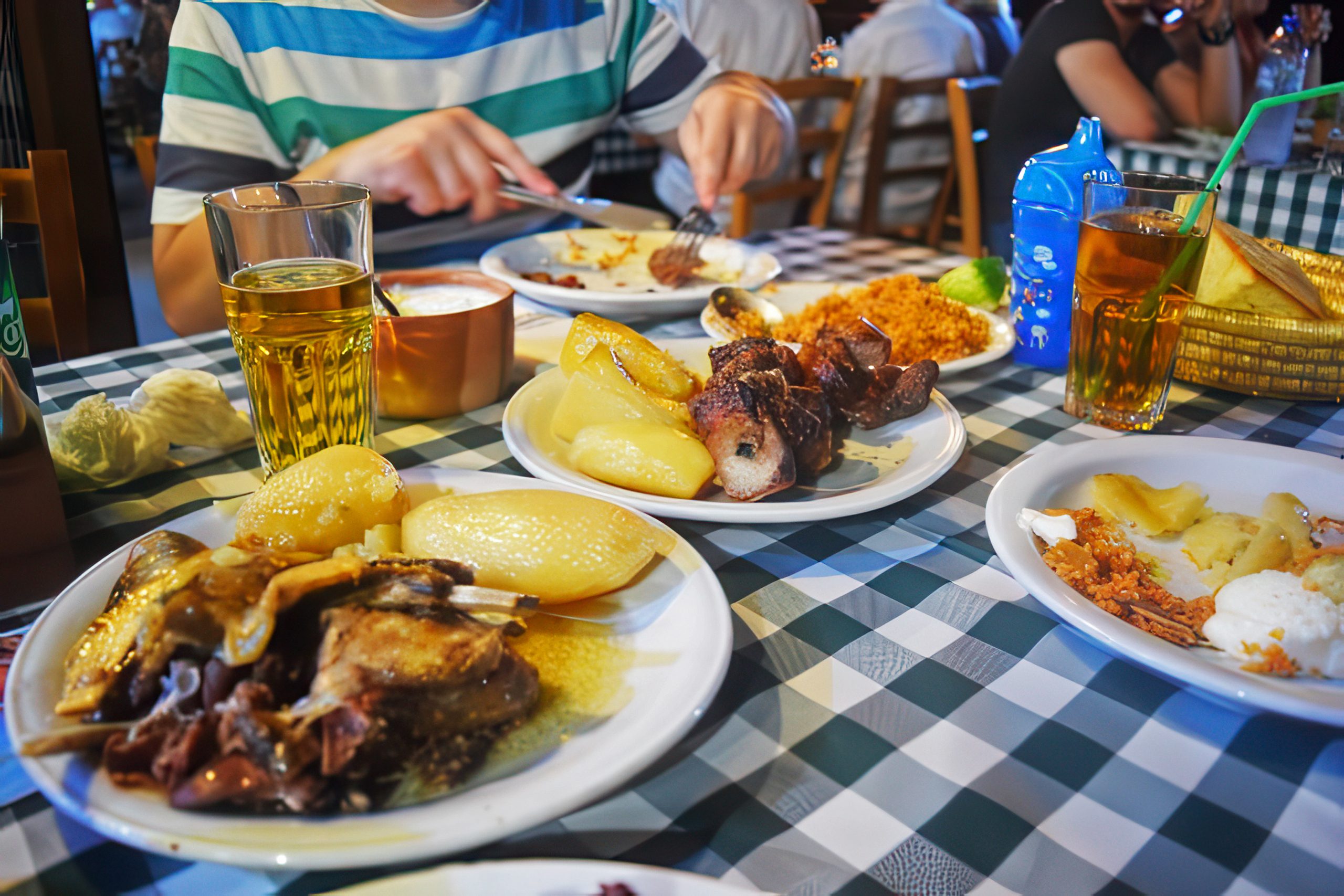
The dish also became central to weddings and major celebrations. Large quantities were cooked at once, shared across long tables, and eaten slowly. Serving Kleftiko signalled generosity and respect. It was food meant for company, not for haste.
Even today, ordering Kleftiko at a taverna often requires advance notice. It cannot be rushed, and everyone involved understands why.
Kleftiko in Modern Cyprus
Urban life has changed how often Kleftiko is cooked, but not how it is valued. Many tavernas prepare it only on specific days, advertising “Kleftiko nights” when the ovens are fired.
For Cypriots living abroad, cooking Kleftiko has become a way to reconnect with home. The smell released when the seal is broken is instantly recognisable, regardless of where it happens.
Tourism has introduced the dish to wider audiences, but its meaning remains rooted in local memory. It is not designed to impress quickly. It rewards patience and familiarity.
How It Differs from Other Lamb Dishes
Compared to dishes like souvla, which focus on smoke, fire, and social performance, Kleftiko is inward-looking. There is no spectacle during cooking, only anticipation.
Where other lamb dishes celebrate char and immediacy, Kleftiko celebrates transformation over time. Its flavour is gentle, rounded, and deeply settled, reflecting the method that created it.
This contrast explains why Kleftiko holds a distinct place in Cypriot food culture. It does not compete. It complements.
Why Kleftiko Still Matters
Kleftiko endures because it embodies values that remain relevant. It teaches patience in a culture increasingly shaped by speed. It reminds people that good outcomes often depend on letting things unfold without interference.
The dish also preserves memory. Every sealed parcel carries echoes of mountain life, shared ovens, and quiet resilience. Eating Kleftiko is not an act of nostalgia, but of continuity.
In Cyprus, food often functions as a record of how people lived, adapted, and endured. Kleftiko remains one of the clearest examples of that truth. It is slow, deliberate, and deeply human, and it asks nothing more than time and trust.