The Maronite community of Cyprus represents one of the island’s smallest yet most distinctive religious groups, descended from Arab Christians who fled persecution in modern-day Syria and Lebanon starting in the 8th century. Today approximately 7,500 to 10,000 Maronites live on Cyprus, though their numbers have declined dramatically from an estimated 80,000 in the 13th century when they inhabited 60 villages across the island.
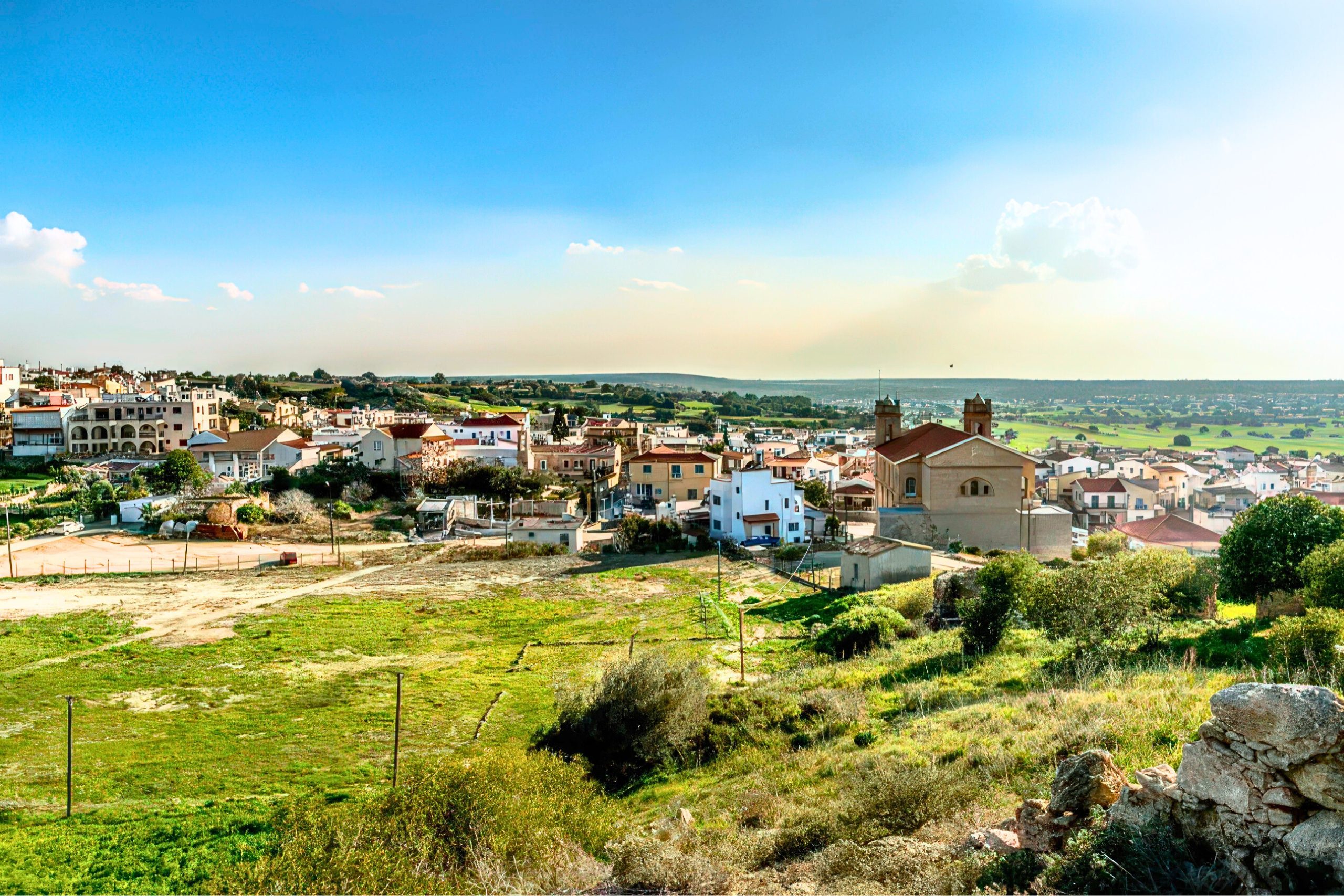
Four traditional Maronite villages remain: Kormakitis, Asomatos, Agia Marina, and Karpasha, all located in the Turkish-controlled part of Cyprus. These communities maintain unique cultural practices, including speaking Sanna, a critically endangered Arabic dialect that preserves traces of Aramaic and represents one of the world’s rarest languages.
Four Waves of Migration from the Levant
The Maronite presence in Cyprus developed through four distinct waves of emigration from the Levant between the 7th and 13th centuries. The first wave began around the 8th century when Islamic conquests radiated outward from the Arab Peninsula, prompting many Christians to abandon Syria and Lebanon for safer territories. These early migrants brought with them an Arabic dialect heavily influenced by Aramaic, the language spoken in the region before Arab invasion.
In 938, the destruction of St Maron’s Monastery in Lebanon triggered a second wave of refugees seeking sanctuary on Cyprus. Saint Maron, a 4th century hermit who became the spiritual father of the Maronite Church, had founded his first church on the ruins of a pagan temple. His followers built a monastery in his honor, but its destruction forced many to flee westward to Cyprus.
The third wave arrived after 1191 when Crusader king Guy of Lusignan purchased Cyprus from Richard the Lionheart. Lusignan imported Maronite warriors to protect the island’s coastlines, recognizing their military skills and loyalty to Christian causes. During the period of 1191 to 1489, the village of Kormakitis was one of the richest fiefs of the island, belonging to the French feudal Denores family. The Maronites at this time held 60 villages with a reported population of 60,000, making them the second largest community after Greek Cypriots.
The final migration occurred in the late 13th century when Acre, the last outpost of the Crusader presence in the Levant, collapsed. This prompted another substantial wave of Maronites to settle permanently in Cyprus. However, heavy taxation during Venetian rule caused many to return to Lebanon, explaining their reduction to approximately 2,000 souls at the beginning of Ottoman rule in 1571.
The Unique Sanna Language
Sanna, also known as Cypriot Maronite Arabic or Cypriot Arabic, developed as a unique linguistic bridge between the Arabic world and Cyprus. The language shows retention of archaic Semitic features due to isolation from mainstream Arabic, profound Greek influence from centuries of contact with Cypriot Greek, and traces of Aramaic that was spoken in the Levant before Arab invasion.
Sanna is practically unintelligible to native Arabic speakers. It contains five vowels similar to Greek and three similar to Aramaic, while throat consonants typical of Arabic have diminished, likely because of Greek influence. The language evolved to incorporate several Greek words, adding to its uniqueness among Arabic dialects. Essentially it represents a hybrid of dialects from diverse areas and times of southeastern Anatolia, northern Syria, Mesopotamia, and the Levant.
Until less than two decades ago, Sanna had no written script or even alphabet. Parents transmitted it to children purely through conversation. Only about 900 people worldwide now speak the language, most over 50 years old. The 2011 census reported that of 3,656 Maronite Cypriots in Republic of Cyprus-controlled areas, none declared Cypriot Arabic as their first language.
Kormakitis remains the last village where Sanna is still spoken. The community operated as a closed society where residents spoke Sanna at home before children attended Greek-language schools. This isolation preserved the language for centuries. However, displacement after 1974 scattered speakers into Greek Cypriot communities where assimilation pressures intensified.
Why the Maronite Villages Matter
The Maronite community holds special status in Cyprus’s constitution, legally defined as a religious group within the Greek Cypriot community. Before independence, Maronites voted to join this classification alongside fellow Roman Catholics of the Latin Rite and Armenians. They have one parliamentary representative, though this representative holds no voting rights, creating what scholars describe as a denial of identity and collective rights.
The villages represent more than demographic statistics. They embody 1,200 years of continuous presence and cultural contribution to Cyprus. Maronites maintained their identity through periods of Byzantine rule, Crusader kingdoms, Venetian occupation, Ottoman conquest, British colonialism, and modern division. This persistence demonstrates remarkable cultural resilience.
For the wider Maronite world, Cyprus’s community forms an important diaspora. The global Maronite population numbers approximately 7 million, with Lebanon as the historical homeland. Cypriot Maronites maintain connections to Lebanon, which many call their second homeland while Cyprus is their motherland. Recent Lebanese displacement due to Israeli military operations in 2024 and 2025 has brought refugees to Cyprus, where the Maronite community provides assistance, strengthening ties between the two populations.
The community’s survival depends on political resolution of Cyprus’s division. Turkish occupation authorities currently allow Maronites to visit Agia Marina only about five times yearly during religious holidays. Each Sunday, Maronites can attend Mass at Asomatos, partly conducted in Aramaic, but must return south immediately after services. Access to Kormakitis has eased since 2003 when Turkish Cypriot authorities relaxed rules, allowing weekend visits and property restoration.
Visiting the Maronite Villages Today
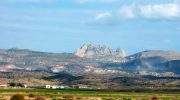
Kormakitis serves as the main accessible Maronite village in Turkish-occupied part of Cyprus. The village sits in northwestern Cyprus near Cape Kormakitis, buffeted by the sea on one side and enclosed by verdant plains on the other. Sun-bleached stone houses and silent footpaths characterize the spread-out settlement. The 16th century Chapel of St George dominates the village center, with its sandstone towers visible from approaches.
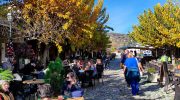
During weekdays, the population remains around 100 elderly permanent residents. On weekends and holidays, the village population swells to over 600 as displaced former residents return to visit relatives and celebrate Mass. Many Maronites have renovated and upgraded village homes for weekend use. Easter typically brings 2,000 people for services, filling the church and overflowing into surrounding cafes.
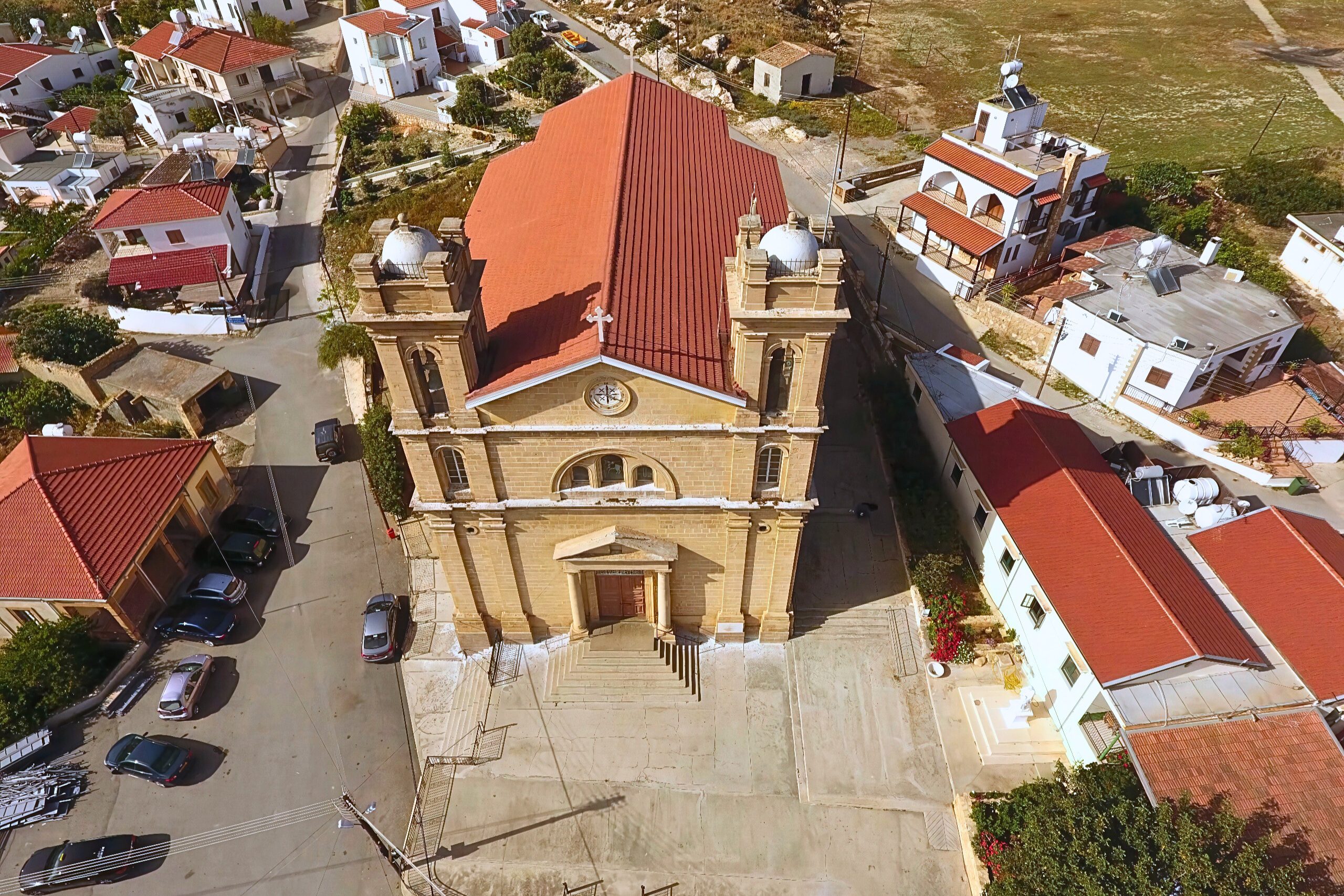
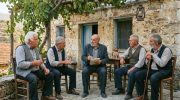
The village coffee house near St George’s church displays photos of Lebanese President Michel Aoun, Catholic Popes and archbishops, Lebanese flags, and calendars of holy days. Elderly men gather for card games and conversation, largely in Greek sprinkled with their distinctive Arabic dialect. The priest hurries past when church bells strike, and local women enter for confession, recreating scenes reminiscent of Lebanese village life.
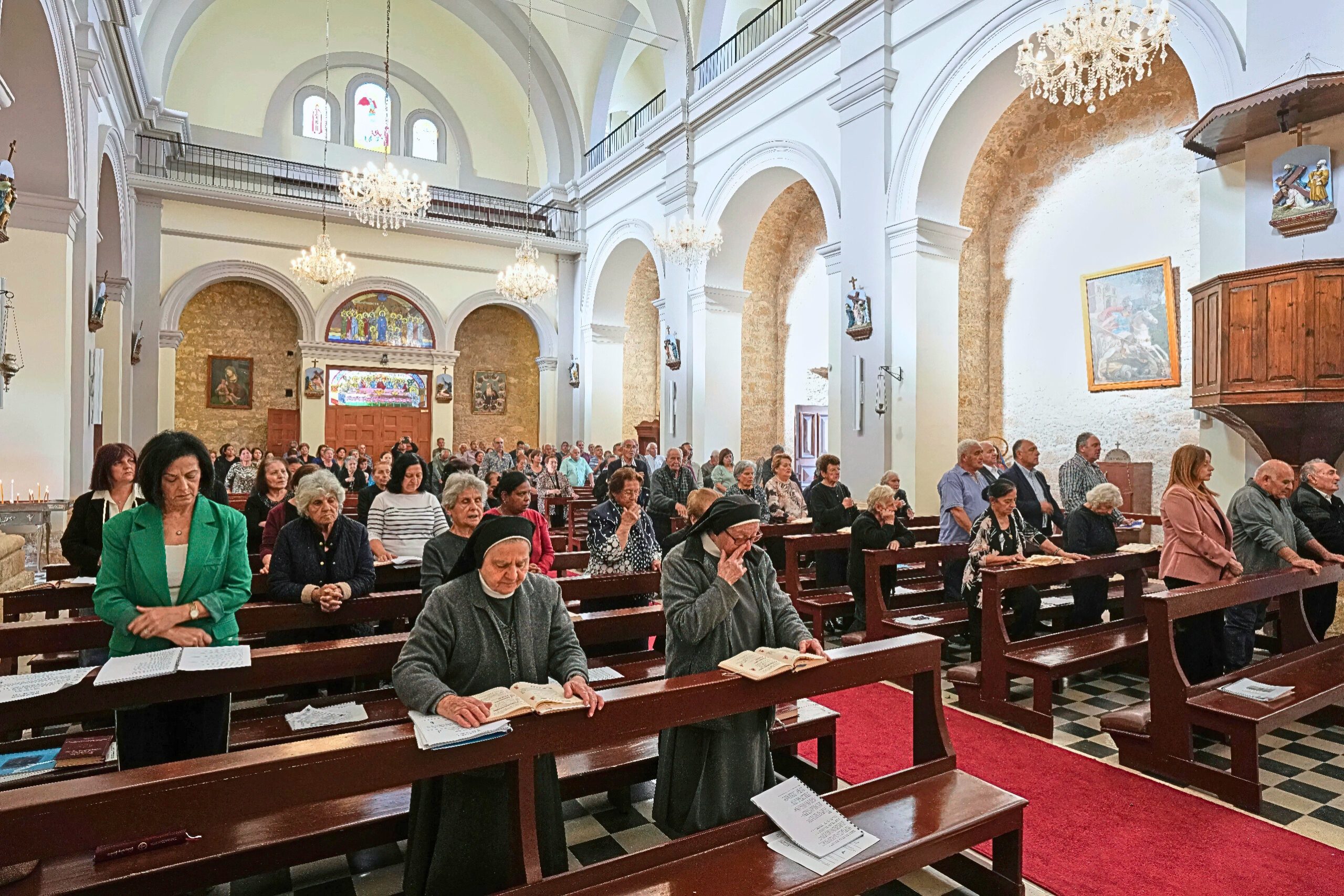
Visitors can attend Sunday Mass to experience the community’s faith practices. Services incorporate both Greek and Sanna, with some prayers in Aramaic, the ancient language of Jesus. The church serves as the community’s strength and primary gathering place, maintaining spiritual continuity despite displacement and hardship.
Access to Turkish-occupied part of Cyprus requires crossing through checkpoints along the Green Line buffer zone that divides the island. EU citizens can cross relatively easily, though vehicles may require special insurance. The journey from southern Cyprus to Kormakitis takes approximately two hours depending on checkpoint wait times.
The Future of Maronite Identity
Community leaders emphasize that survival depends on returning to ancestral villages. “Our chance to survive as a community is to go back to our villages,” states the sentiment repeated across generations. However, this requires political settlement of Cyprus’s division, an issue that has defied resolution through multiple UN-led talks including the last failed attempt in 2017.
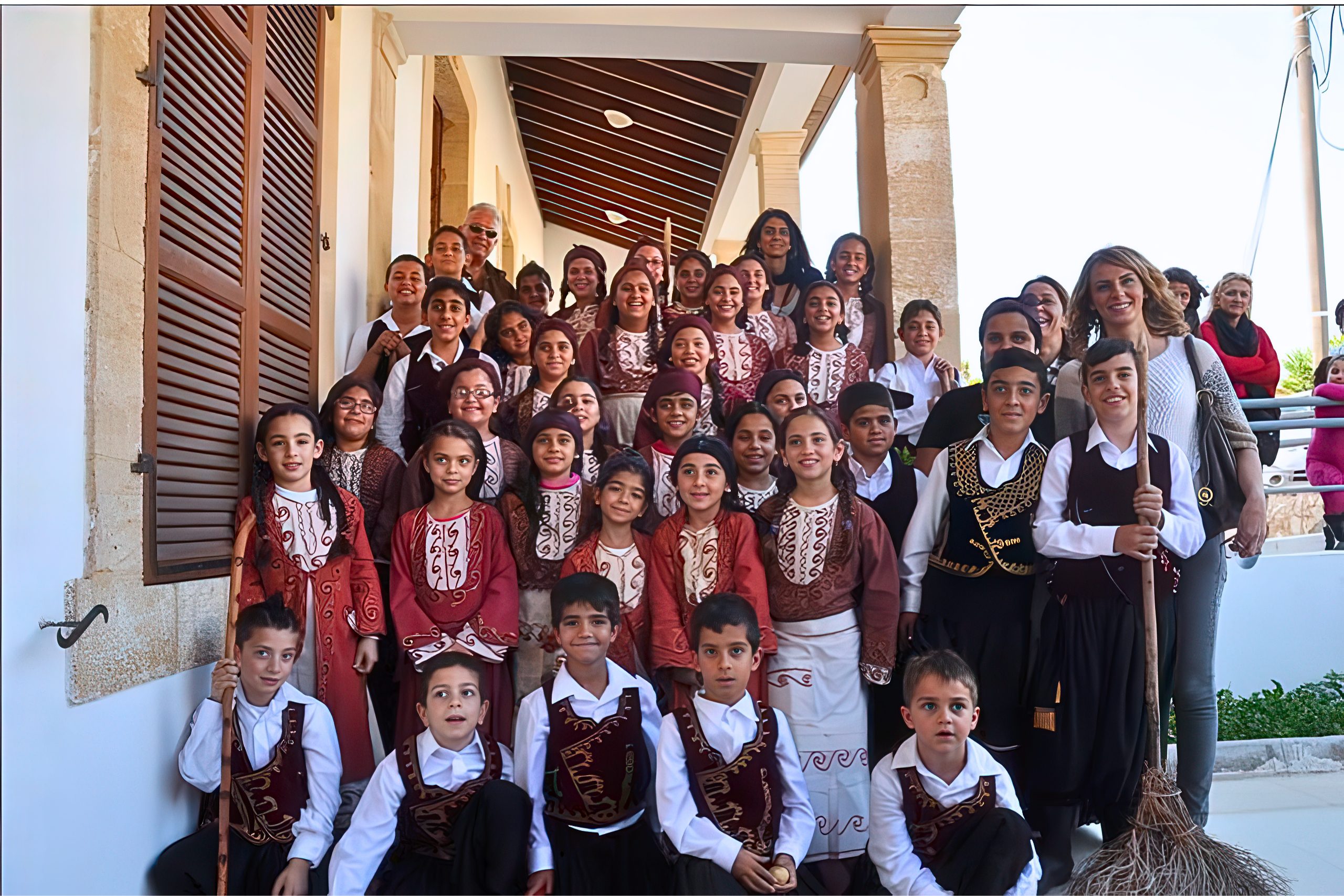
The contrast between legal protection and practical reality remains stark. While Sanna holds official minority language status and receives EU funding for preservation, only 900 speakers remain and none teach it as a first language to children. While Maronites own property rights in northern villages, military occupation and restricted access prevent normal community life.
Young Maronites face particularly difficult choices. Educational and employment opportunities concentrate in southern Cyprus or abroad, pulling them away from ancestral villages. The 95 percent who now live on the Greek side have adapted to speaking Greek, accelerating linguistic and cultural assimilation. Marriage outside the community further dilutes distinctive identity markers.
Yet hope persists through small victories. The easing of border restrictions allows property restoration and weekend gatherings. The ordination of the first Cypriot-born Maronite priest in recent years symbolizes community renewal. Annual celebrations bring scattered families together, reinforcing bonds and passing traditions to younger generations.