Cyprus uses music as a social “signal system” that marks life transitions and pulls communities into the same emotional rhythm, from weddings and baptisms to village saint festivals.
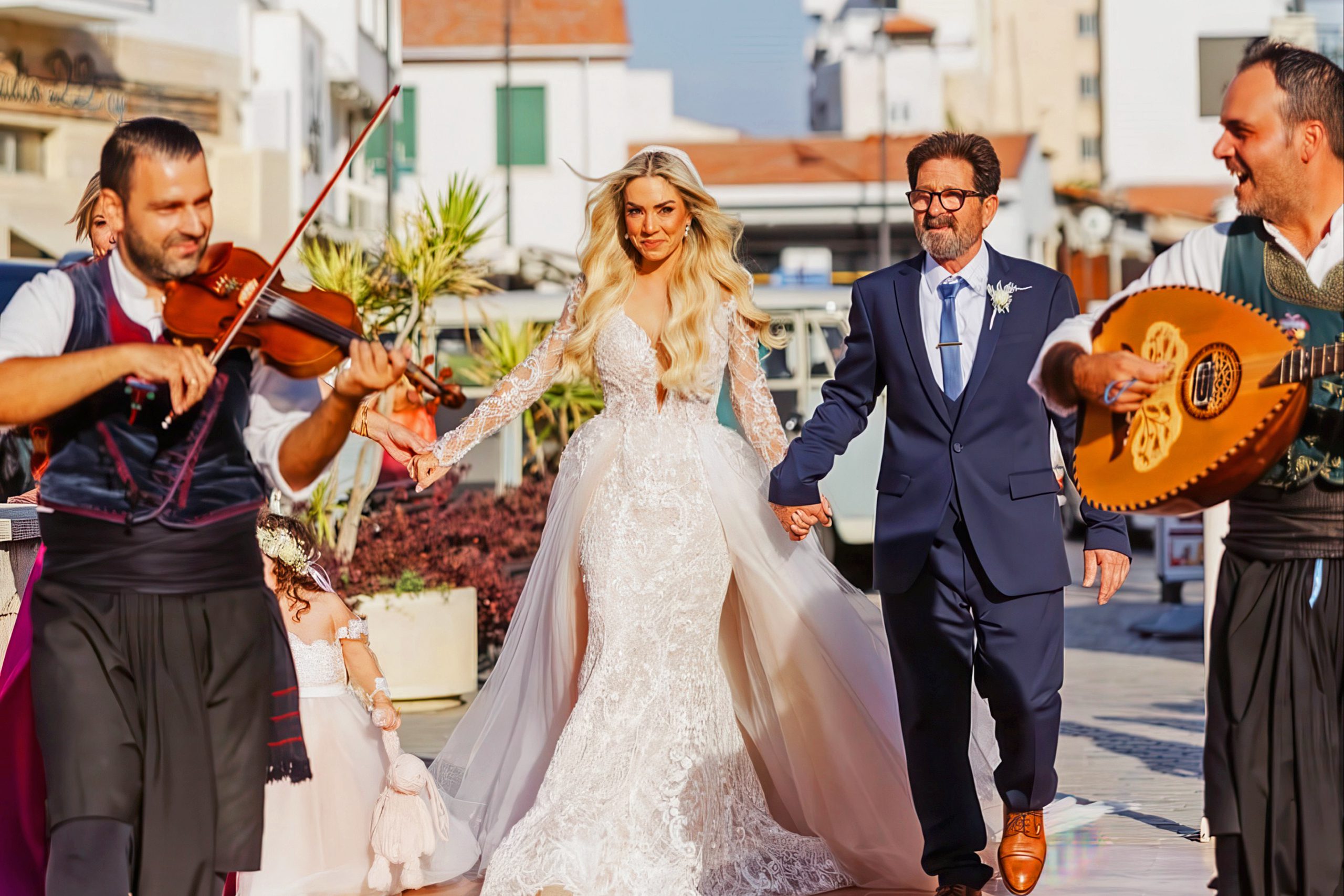
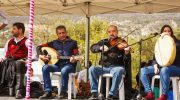
Across many Greek Cypriot celebrations, the violin (violi) and laouto form the classic duo, while Turkish Cypriot traditions often foreground the oud and, in outdoor festivities, the powerful davul and zurna pairing.
Religious settings shift the sound world. Orthodox ceremonies are shaped by Byzantine chant, while Turkish Cypriot gatherings may include Mevlit recitations that bring blessings to the home.
Modern Cyprus is increasingly hybrid: live musicians for key rituals, then DJs for late-night receptions, especially in urban venues.
- When music is not the background, but permission
- The instruments that instantly tell you where you are
- Weddings: not one event, but a sequence you can hear
- Baptisms and naming: from sacred voice to family joy
- The village calendar: when sacred and social share the same night
- Dance is the social map
- Mountain villages and coastal cities do not celebrate the same way
- The modern shift: DJs, hybrids, and the “two-weddings-in-one” solution
- If you want to experience it as a visitor, do this
- A tiny glossary that makes everything easier
- Why it endures
When music is not the background, but permission
In Cyprus, music is rarely a decorative extra. It is how a moment becomes official.
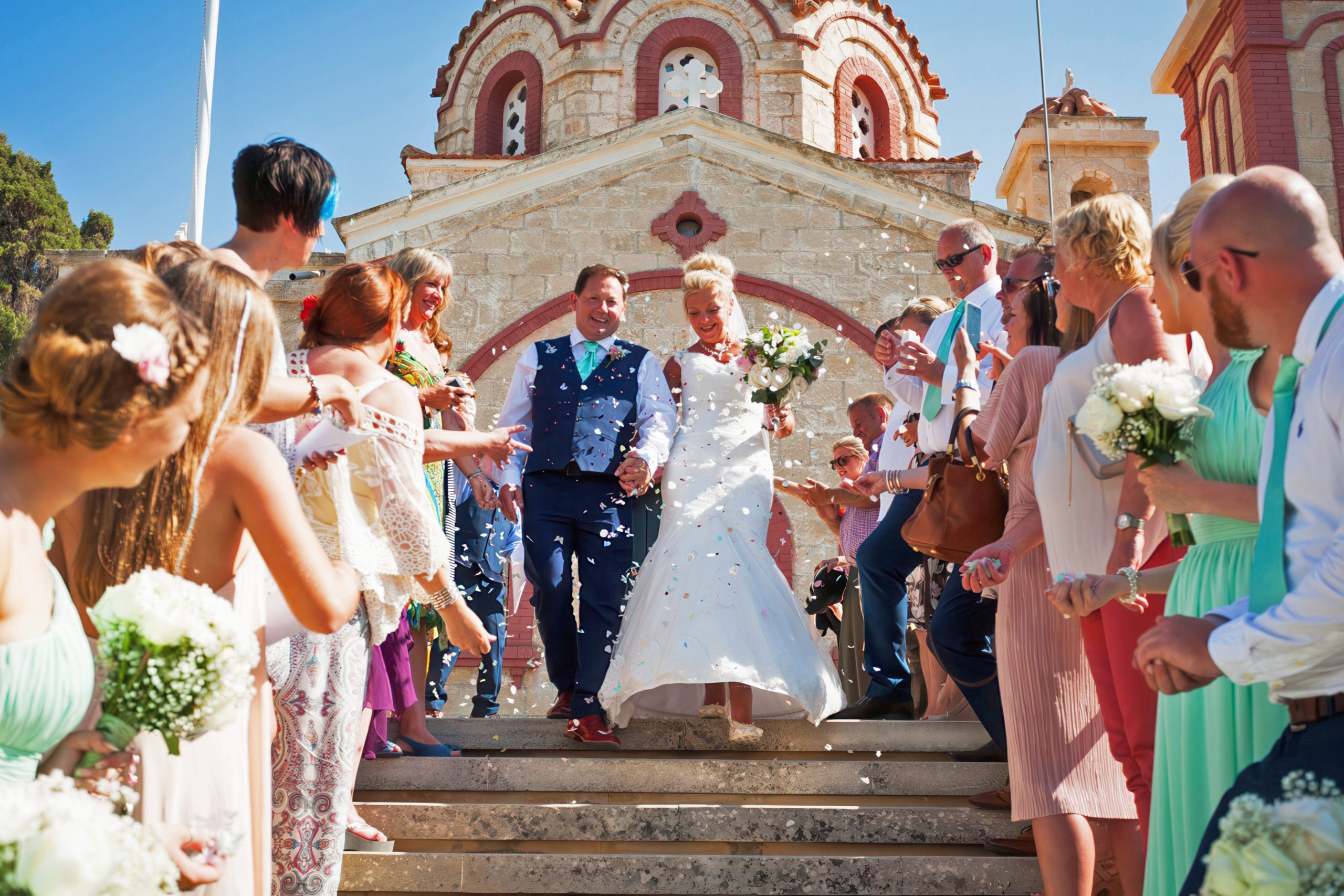
A wedding is not just a couple signing papers or walking into a church. It becomes socially “real” when the instruments arrive, the first dance line forms, and the right songs tell everyone what stage of the ritual they are in. Baptisms, too, move from sacred chant to family feast once the community shifts from reverence to celebration. Even the biggest religious festivals carry this same logic: prayer first, then the village square opens into food, dancing, and sound.
That is why Cypriot celebration music feels so purposeful. It does a job, and people still treat it that way.
The instruments that instantly tell you where you are
Cyprus sits between cultures, and its celebratory music reflects that. Instead of one “national” sound, you often hear overlapping musical languages that speak to history, geography, and community.
The duo that anchors many Greek Cypriot celebrations
For many Greek Cypriot weddings and major gatherings, the classic pairing is violin and laouto.
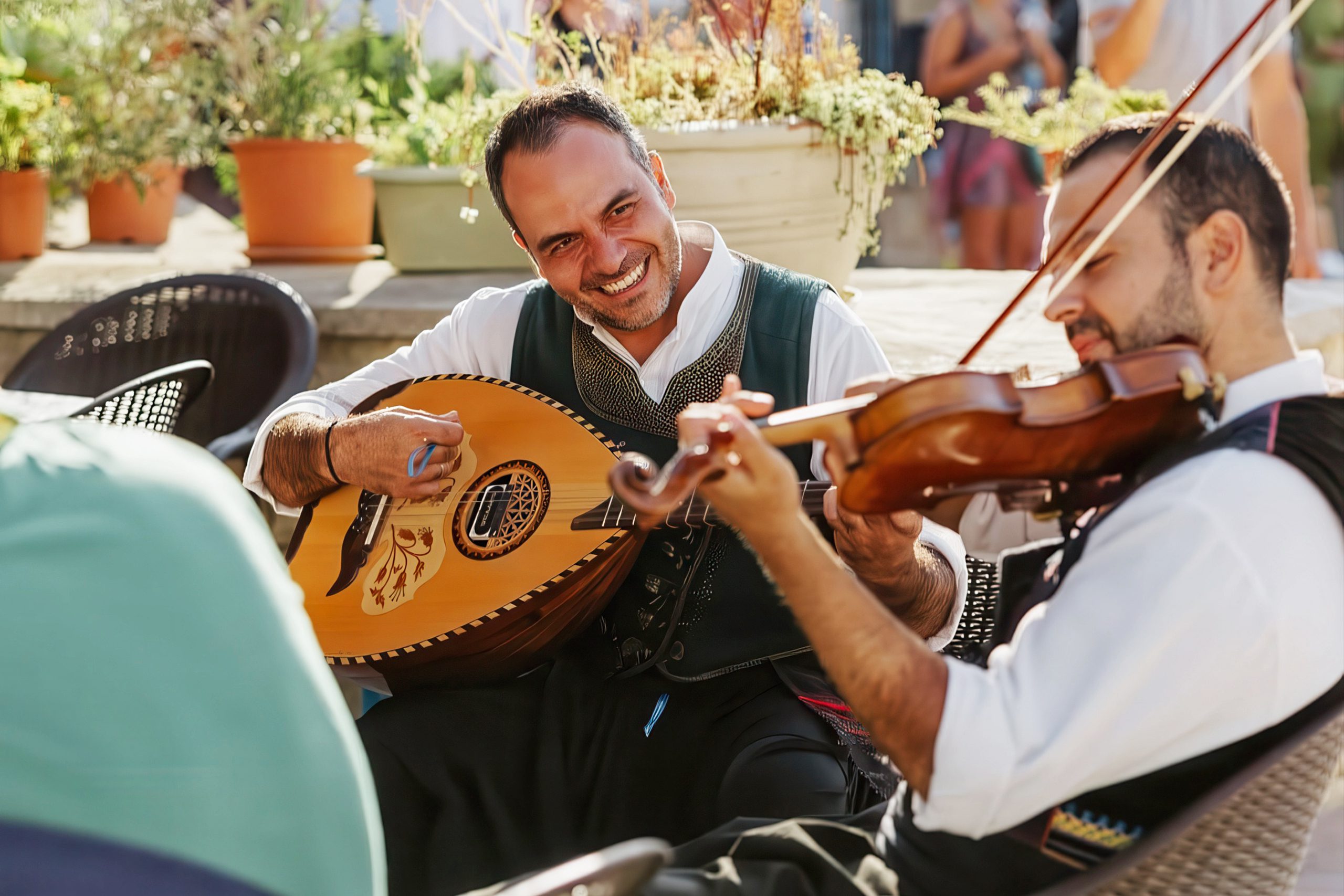
Violin (violi): lead voice, rich with ornamentation, sliding notes, and a rhythmic energy shaped for dance-leading.
Laouto: rhythmic backbone and harmonic support, bright and percussive, built for holding a dance line steady for hours.
This duo matters because it is portable and flexible. It can lead a street procession, sit in a courtyard for home rituals, then dance on the dance floor at a village feast.
Turkish Cypriot sound worlds: oud, davul, zurna
Turkish Cypriot traditions overlap in places (the violin appears in both communities), but historically the oud has been a defining voice, especially for melodic, lyrical repertoire.
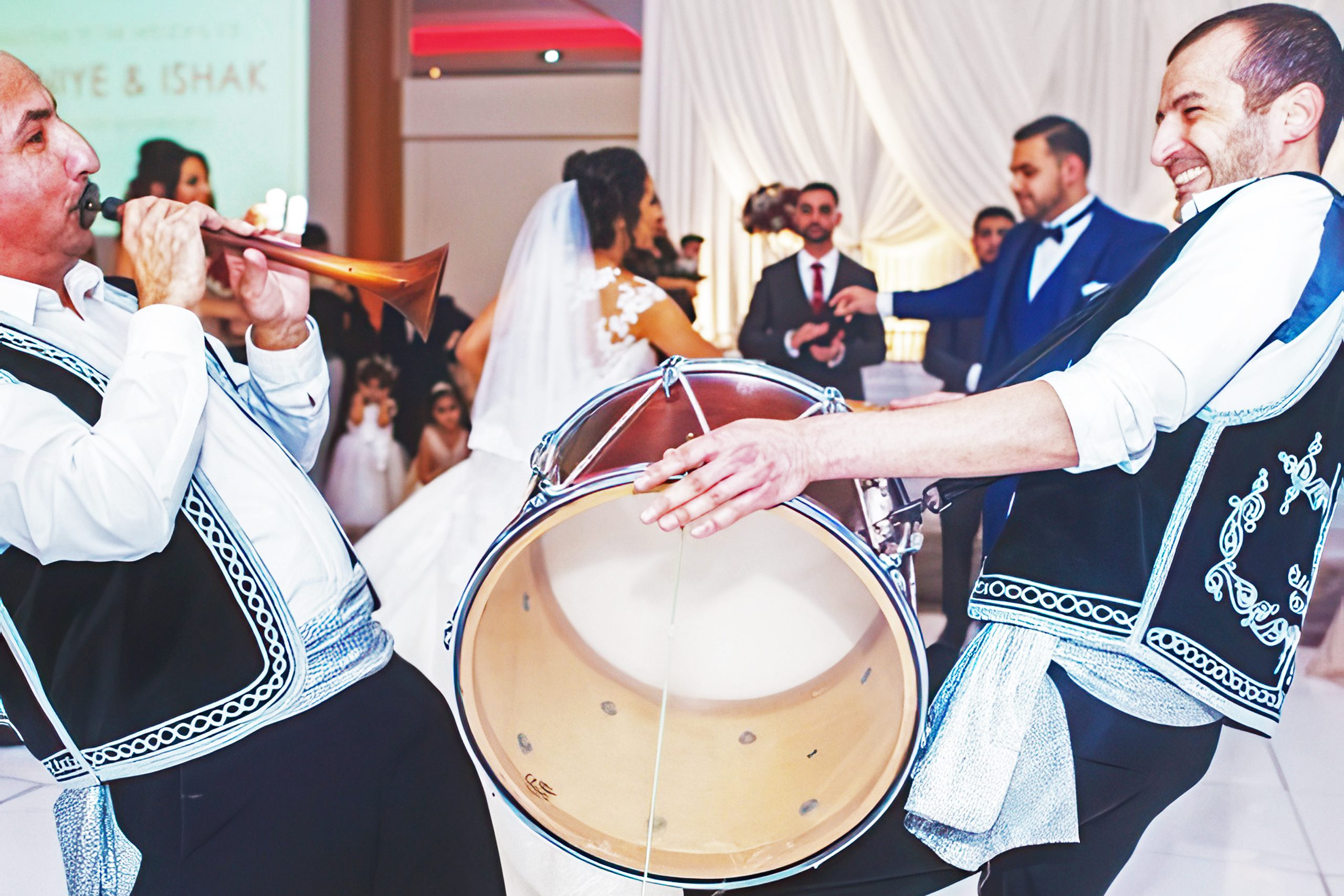
For outdoor processions and big village celebrations, the davul and zurna combination is designed to travel across distances. It is not subtle, and it is not meant to be. It announces that something important is happening, and it pulls people toward the action.
Rural and regional colours
Cyprus’s mountains and rural hinterlands preserve instruments and styles tied to older, pastoral life.
Pithkiavlin: an end-blown reed flute strongly associated with rural settings, solo improvisation, and the feeling of open landscape.
Santouri and kanonaki: more common in some urban or refugee-influenced contexts, adding shimmer and texture to ensembles.
Weddings: not one event, but a sequence you can hear
A traditional Cypriot wedding, especially in village contexts, is often best understood as a multi-part ritual cycle. Music does the linking.
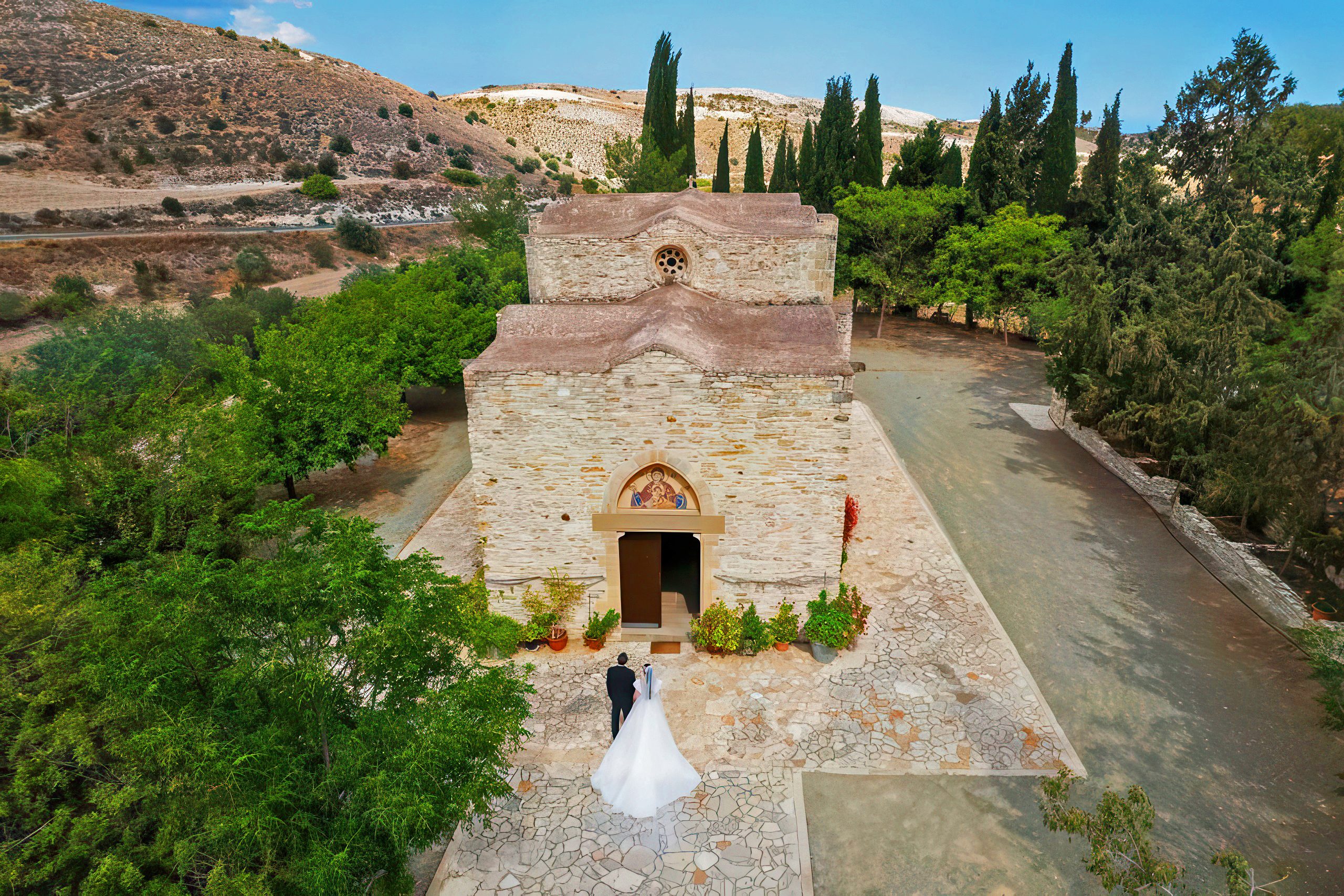
Greek Cypriot wedding rituals: music as the master of ceremonies
Rather than starting at the church, older wedding structures begin in the home, where music guides preparation and signals key symbolic moments.
1) Preparing the matrimonial bed
One of the most striking early rituals is the preparation of the wedding bed and bedding, often done collectively. The point is not only practical, but it is social. It shows community support, family status, and public blessing. Music keeps the room moving in time and gives the ritual an emotional “lift.”
2) Stolisma (the dressing and blessing rituals)
Stolisma is musically dense because it is full of cues: who steps forward, when blessings happen, when the tone turns solemn or playful. The ritual includes symbolic actions like incense blessing and the tying of a red sash (often framed in triplicate, echoing spiritual symbolism).
3) Procession to church
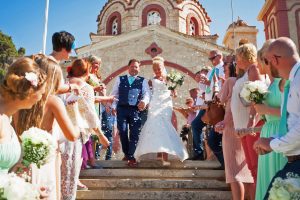
In rural settings, the couple’s movement to the church becomes a public event. The ensemble leads, guests follow, and the village hears the wedding coming before they see it.
4) Inside the church: the sound changes completely
Once the ceremony enters an Orthodox church, the folk ensemble gives way to Byzantine chant, a different musical logic entirely. The sound becomes more focused on sacred text and spiritual atmosphere than social dancing.
Turkish Cypriot weddings: farewell, emotion, and public announcement
Turkish Cypriot celebrations often carry a similar emotional architecture: a farewell to one family identity, then a public transition into another.
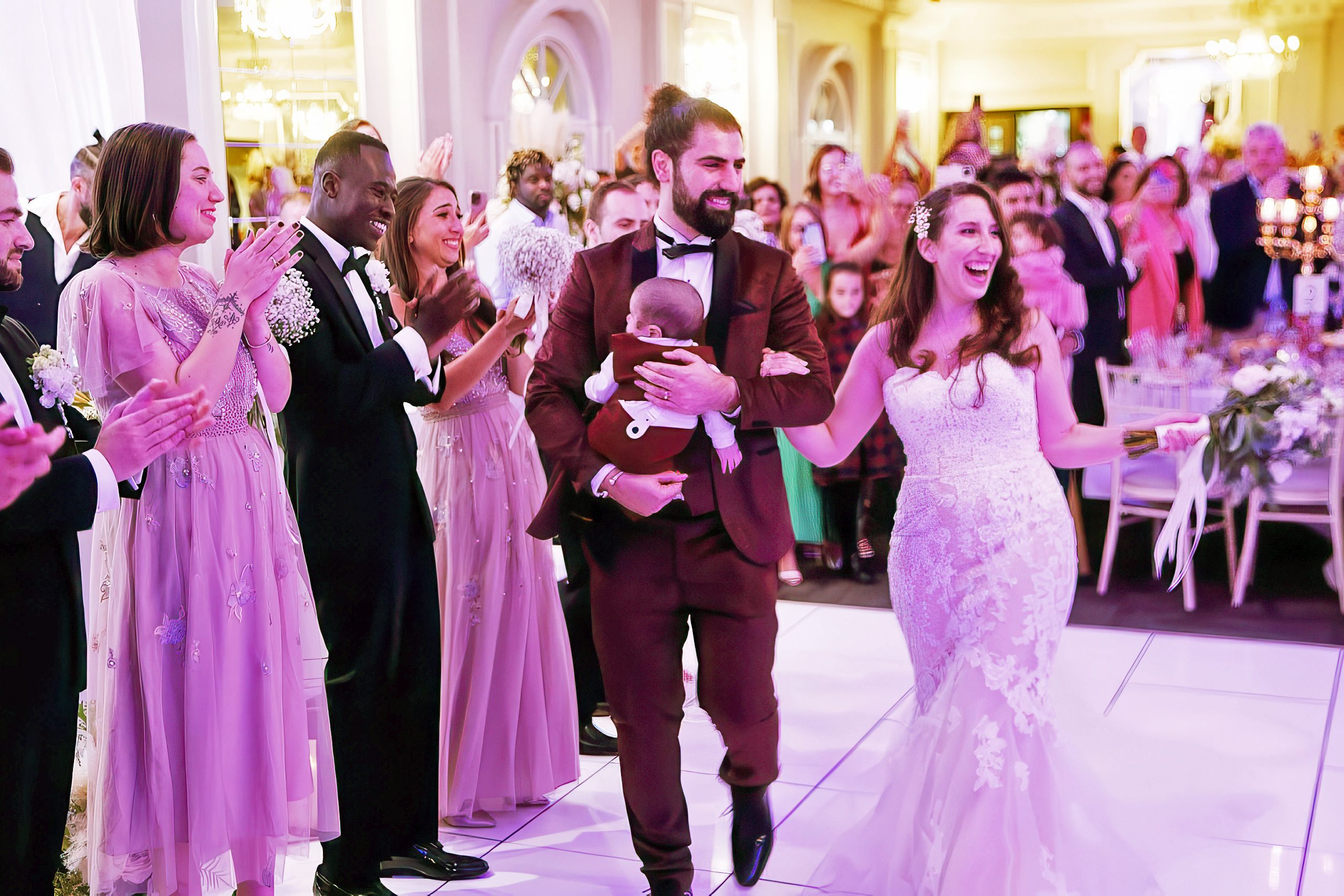
Henna Night (Kına Gecesi): a ritual that expects tears
Henna Night holds a specific emotional function. Songs are chosen to bring the bride into a visible farewell, acknowledging the cost of transition before the celebration “releases” into joy.
Bride pickup and procession
The morning pickup is not quiet. It is performed outwardly, as a neighbourhood-level announcement. When davul and zurna lead, they carve a sonic boundary between ordinary time and wedding time.
Baptisms and naming: from sacred voice to family joy
Weddings are often the most expansive celebrations, but baptisms reveal something equally central about Cypriot life: the way a sacred moment gradually opens into shared warmth. The music follows that shift with care, moving from spiritual focus to family joy without treating either side as an afterthought.
Orthodox baptism: chant as spiritual environment
In many Greek Cypriot communities, baptism sits firmly inside Orthodox ritual, and its musical heart is chant. The sound is not there to entertain. It is there to shape the atmosphere, holding attention on the meaning of renewal, blessing, and belonging.
What visitors often remember, though, is the gentle turn that comes after. When the church portion ends, the emotional weight lifts. Families step into celebration, and the music, if present, becomes lighter and more forward-looking. Even when it is simply recorded songs at a family table, the logic is the same: the community has witnessed the sacred moment, and now it marks the social bond created through godparenthood and extended kinship.
Turkish Cypriot Mevlit: blessing through recitation
In Turkish Cypriot contexts, a Mevlit may be held to bless the home and child through religious poetry and recitation. Compared with the scale of many wedding receptions, it often feels quieter and more intimate. The “music” here is not a dance set, but a devotional sound world that gathers people into a shared sense of blessing, protection, and goodwill.
The village calendar: when sacred and social share the same night
Cyprus has a distinctive rhythm to its year, shaped by local saints, seasonal festivals, and community traditions. Again and again, villages move from church to square, and music becomes the bridge that helps everyone cross that threshold together.
Panigyri: the feast day that turns into a night-long dance floor
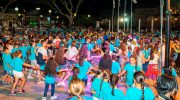
A panigyri typically begins with a religious frame: services, icons, bells, and chanting that place the day firmly inside sacred time. Then, as the formal elements conclude, the village expands outward. Food appears, tables fill, conversations thicken, and the first dance lines form.
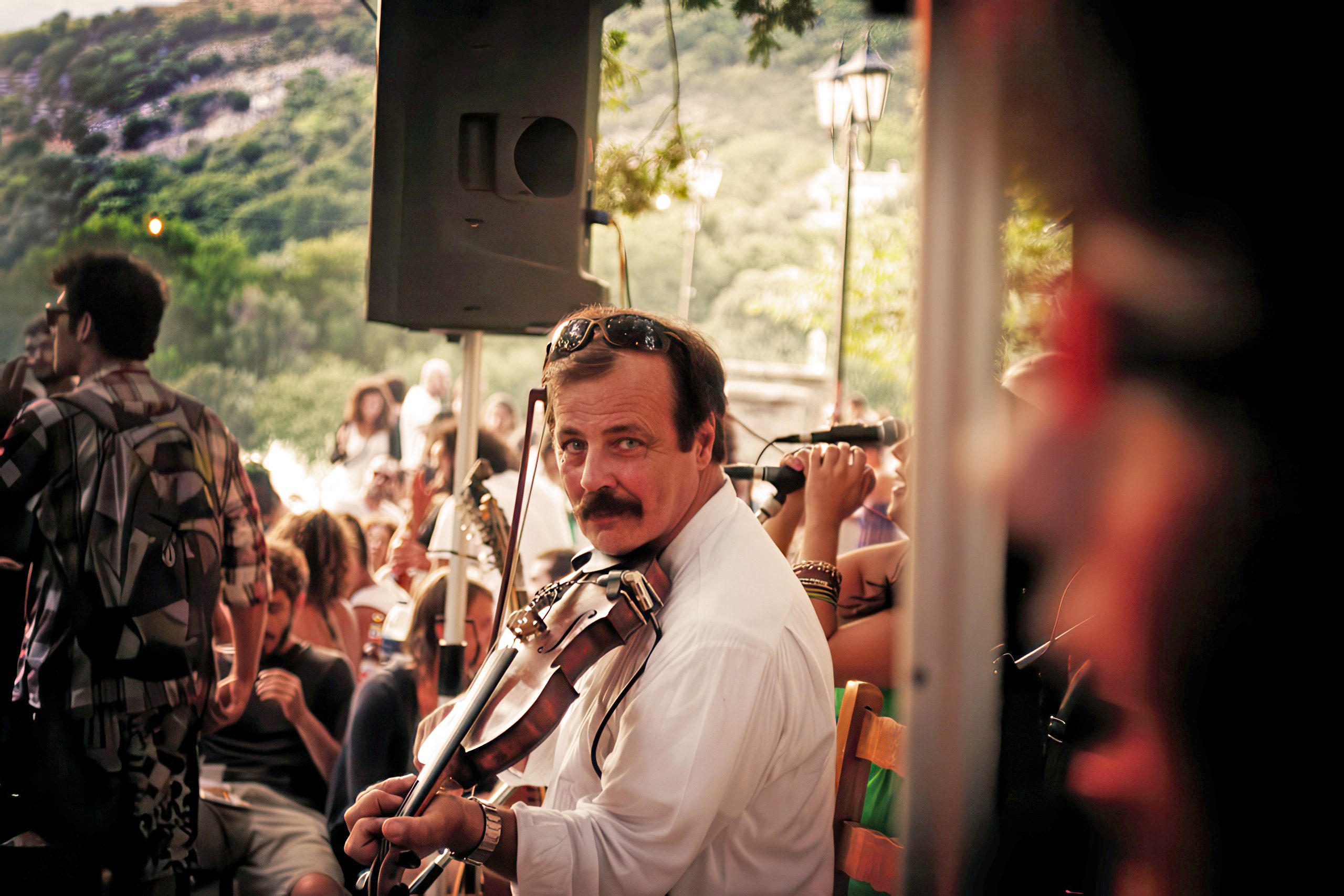
Music changes the temperature of the night. It signals that the community is no longer only observing, but participating, and that participation is meant to be shared. Regional song types, often tied to place identity, matter here because they let a village hear its own character in sound, like an accent you recognise even with your eyes closed.
Kataklysmos and tsiattista: Cyprus’s competitive poetry culture
Kataklysmos, connected to Orthodox Pentecost, is famous for its festive spirit, but one of its most culturally distinctive elements is tsiattista: a tradition of improvised rhyming couplets delivered in a competitive, playful exchange. The comparison people sometimes make to rap battles is not about modern influence so much as the shared skill set: quick wit, verbal agility, and the ability to hold attention without losing the beat.
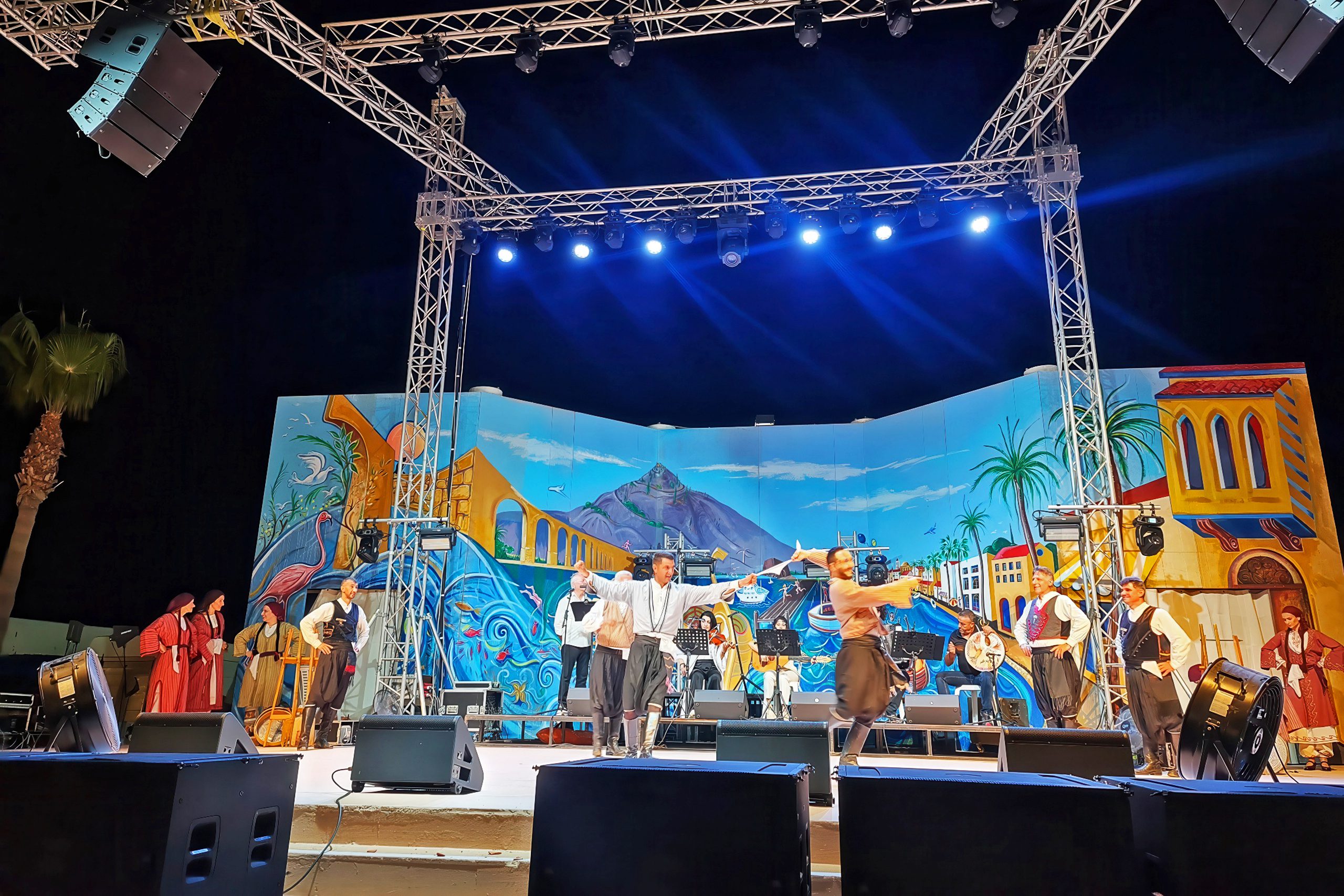
In practice, tsiattista works because it is social. It turns a crowd into an active audience, listening for the clever turn of phrase, the respectful sting, and the moment someone lands a line that makes the whole circle react at once.
Easter: lament, then release
Easter soundscapes move between deep solemnity and unmistakable communal energy. The lamentations and processions create an emotional descent, dense with feeling and shared reflection. Then, after the midnight turning point, the sound world brightens. Celebration returns outdoors, and the release is felt not only as joy, but as relief, the kind that makes people want to move, eat, laugh, and stay together longer than usual.
Dance is the social map
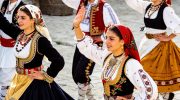
In many Cypriot celebrations, dance is not a freestyle extra. It is a structured social language that tells you what the room expects.
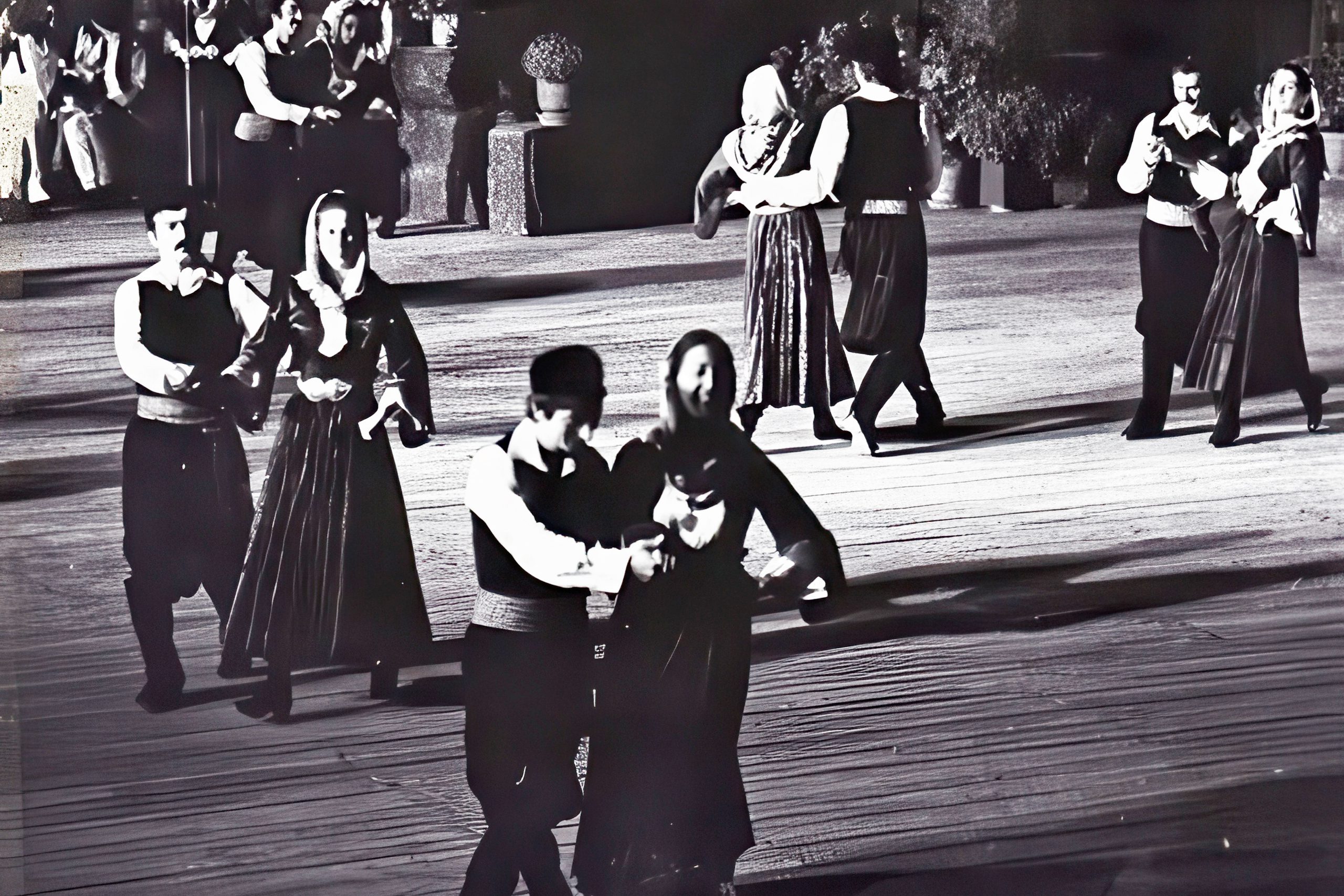
Karsilamas, often danced face-to-face, appears as a hallmark form with suite-like sequencing in Cypriot contexts. It demands coordination, and it rewards dancers who can feel the cues musicians give as the pattern shifts.
Zeibekiko functions differently. Often danced solo, it creates a brief spotlight moment that emphasises individual expression inside a collective setting. In modern receptions, it can become a highlight precisely because it interrupts the group order, then returns everyone to the shared flow.
The key point is simple: rhythm carries hierarchy, mood, and meaning. If you know which dance is happening, you understand what the space is asking you to do.
Mountain villages and coastal cities do not celebrate the same way
Cyprus is small on a map, but topography creates real cultural distance, and that distance can be heard at celebrations.
Troodos-linked mountain regions tend to preserve older forms more strongly, partly because isolation slows cultural replacement and keeps community traditions tightly held. Coastal cities, by contrast, absorb influences faster. Urban venues host more international-facing styles, larger mixed crowds, and a faster turnover of trends, which makes them natural laboratories for musical hybridity.
The modern shift: DJs, hybrids, and the “two-weddings-in-one” solution
Across Cyprus, many urban weddings now use DJs for practical reasons: cost, variety, and the ability to keep energy high late into the night. Yet tradition has not vanished. Instead, a compromise model has become common and culturally intelligent.
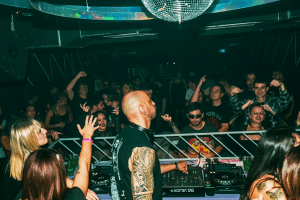
Live musicians are brought in for the high-meaning rituals, the moments elders care about, and families want to feel as “proper.” That can include home preparations, symbolic entrances, early reception customs, or the first wave of communal dancing. Then, once the formal social obligations are satisfied, a DJ takes over and the night turns into something closer to a club set, designed for youth, stamina, and broad taste.
Social media adds its own pressure. Entrances and key moments are increasingly planned as “capturable” scenes, with music chosen for recognizability and impact as much as for heritage. Even so, the underlying structure remains familiar: Cyprus may modernise the delivery, but it still protects the emotional architecture.
If you want to experience it as a visitor, do this
You do not need an invitation to understand Cyprus through celebratory sounds. You need attentiveness, respect, and a willingness to follow local cues.
In churches and sacred spaces
Dress modestly, and treat chanting as part of worship rather than performance. Keep movement minimal, and avoid conversation during liturgy. If you are unsure what is appropriate, take your lead from the people around you, especially older attendees.
In village squares
If you are invited into a dance, join at the end of the line and mirror the rhythm of the person in front of you. Watch first if needed. Participation is often welcomed, but it is welcomed most when it is humble and responsive.
If musicians are working close by, small tips can be a culturally normal sign of appreciation in many celebratory contexts, especially when the performance is sustaining a long dance sequence.
A tiny glossary that makes everything easier
Stolisma: dressing and blessing preparations around the couple.
Panigyri: a village feast day celebration, sacred and then social.
Tsiattista: improvised poetic duelling, competitive couplets.
Mevlit: religious recitation gathering for blessing, often intimate.
Why it endures
Cyprus’s celebration music survives modern change because it is not only art. It is infrastructure.
You can swap instruments, amplify a DJ set, or move a wedding into a hotel ballroom, but the underlying need stays stable: farewell rituals, blessing rituals, and communal joy that feels socially shared rather than privately consumed. Cyprus keeps finding ways to modernise the delivery while protecting the emotional logic that makes these nights feel like they truly belong to everyone.