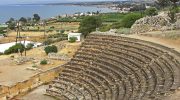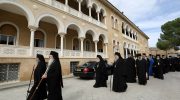
Cyprus has been a destination for pilgrimage and cultural travel for more than 1,700 years. The island holds a distinctive place in Mediterranean history due to its early adoption of Christianity during the Roman period and its later development into an important center of Byzantine religious administration and art. Across the island, dozens of monasteries, churches, and heritage sites are distributed from coastal cities to mountainous regions.
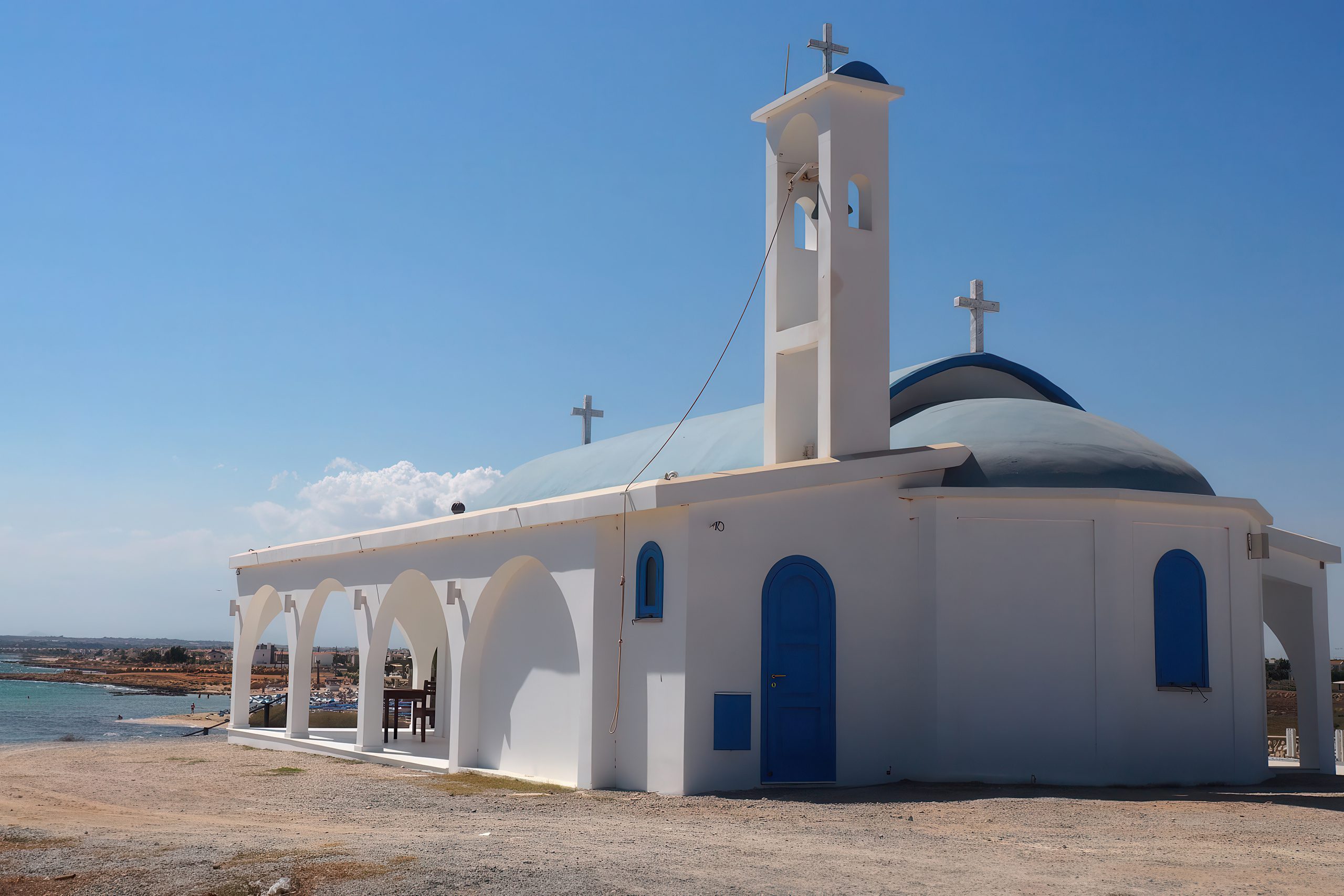
These locations preserve artifacts, architectural structures, icons, and long-standing traditions that reflect the development of religious life in Cyprus from late antiquity through the Byzantine and post-Byzantine periods. Visitors from different regions, including Eastern Europe and the Mediterranean, have historically traveled to these sites for cultural interest, historical study, and religious observance.
Religious and cultural tourism in Cyprus brings together historical exploration and natural landscapes. Pilgrimage routes and heritage sites are located in varied environments, including ancient urban centers, rural villages, and remote mountain monasteries. Visitors encounter Byzantine frescoes, preserved manuscripts, architectural remains, and decorative art spanning several centuries.
The experience provides insight into how religious institutions influenced art, education, and social life across Cyprus. Whether approached from a historical, archaeological, or cultural tourism perspective, these sites illustrate the island’s long-standing role in the development of Eastern Mediterranean heritage.
Historical Background
The tradition of pilgrimage to Cyprus is closely connected to developments in the first century AD, when the island became part of wider religious and cultural networks within the Roman Empire. Historical sources describe early travelers, including Paul and Barnabas, visiting major urban centers such as Salamis and Paphos during their journeys across the eastern Mediterranean.
These accounts contributed to later traditions that associated Cyprus with early religious expansion and administrative changes during Roman rule. Over time, these narratives became integrated into the island’s cultural memory and influenced the development of religious institutions during the Byzantine period.
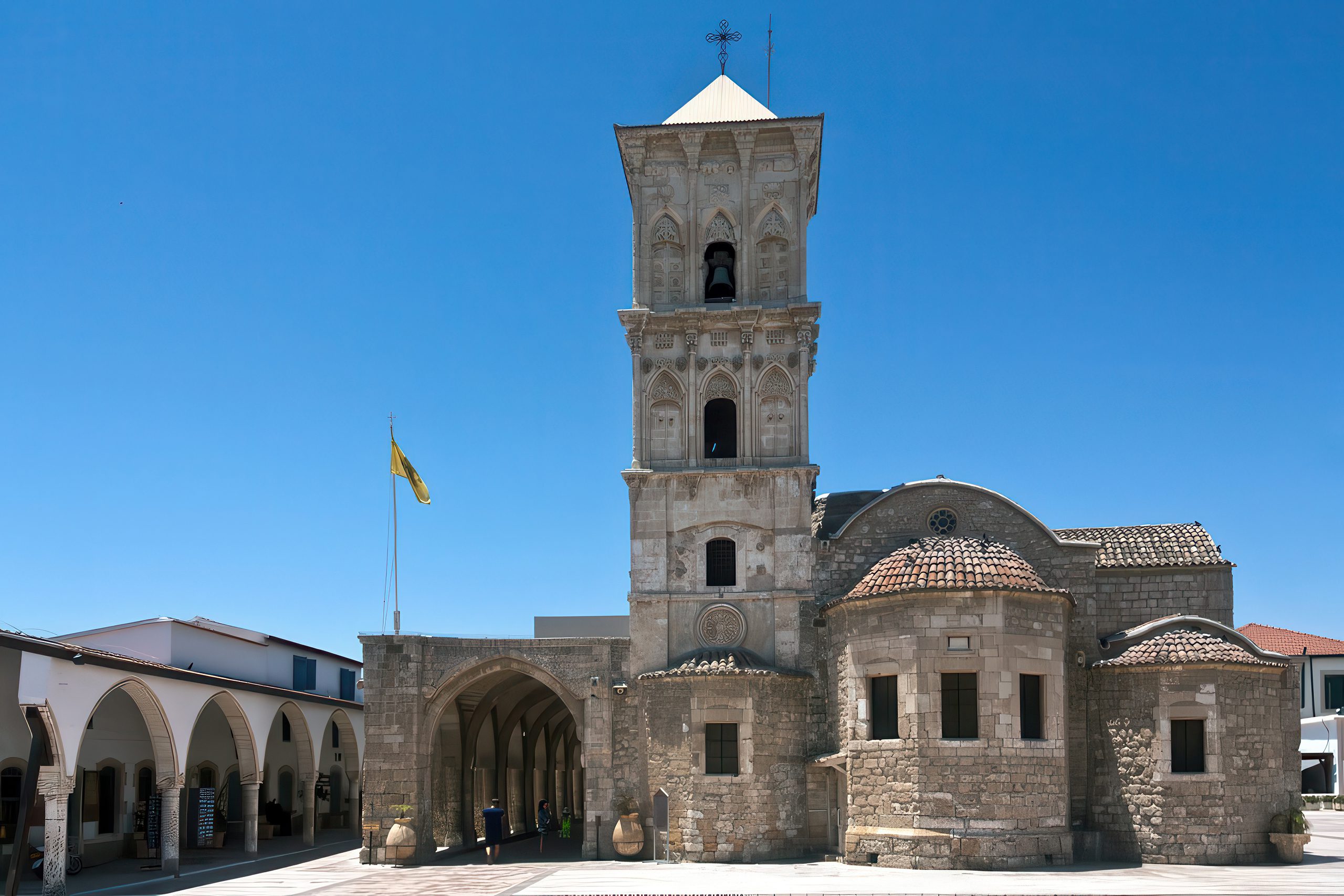
One of the most significant heritage sites associated with these traditions is the Church of Saint Lazarus in Larnaca. Built in the ninth century, the structure stands over a site traditionally linked with the burial of Lazarus, a figure from early religious narratives. According to later historical tradition, he is believed to have spent time in Cyprus and to have been associated with early religious leadership in the region.
The present building reflects Byzantine architectural design and includes later modifications from various historical periods. The church also contains relics and decorative elements that attract visitors interested in Byzantine art, architecture, and ecclesiastical history. Today, it functions as both a place of worship and a significant cultural heritage site in Larnaca.
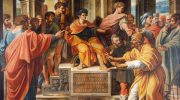
In Paphos, visitors encounter Saint Paul’s Pillar within the broader archaeological complex of Panagia Chrysopolitissa. Local tradition associates the column with early Roman-period events connected to religious disputes and governance in the city of Paphos, which served as an administrative center of Cyprus under Roman rule.
The site also includes the remains of a large basilica constructed during the fourth century AD. This structure was among the most prominent early Christian-era buildings on the island, reflecting the architectural expansion of religious institutions during late antiquity. Despite later destruction caused by invasions and earthquakes, significant structural and mosaic remains are still visible.
Nearby, the Agia Kyriaki Church reflects later Venetian and medieval architectural influence. It remains in use today by multiple Christian denominations, demonstrating the layered religious and cultural history of the region. The entire archaeological zone is recognized as a UNESCO World Heritage Site due to its historical and architectural importance.
Monasteries in the Mountains
The Troodos Mountains contain some of the most important monastic and cultural heritage sites in Cyprus. These monasteries developed during the Byzantine and medieval periods, often in remote locations that provided relative protection during periods of conflict and political instability.
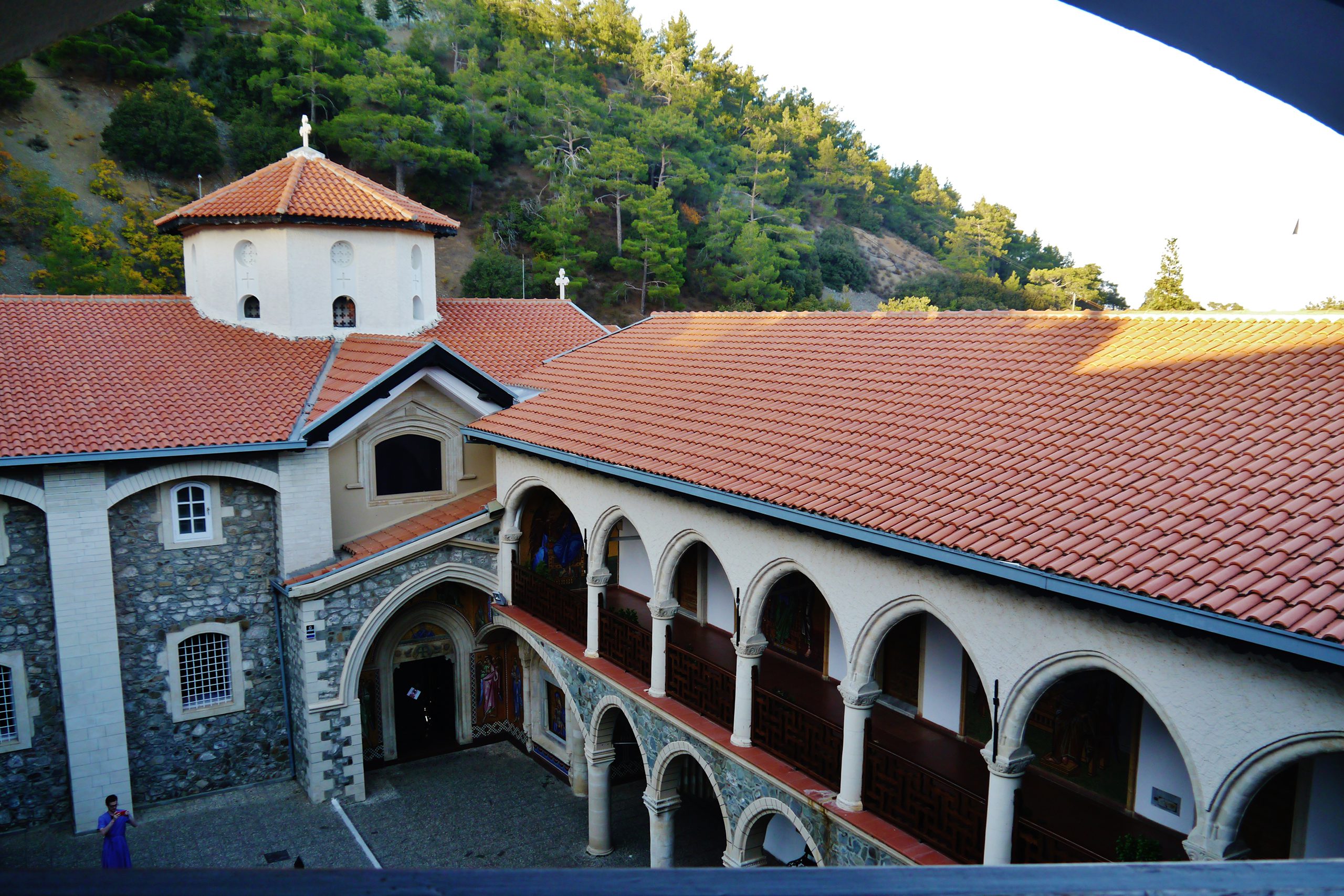
One of the most prominent of these is Kykkos Monastery, located at an elevation of approximately 1,318 meters on the slopes of Mount Olympus in the Troodos range. Founded during the Byzantine period in the eleventh century, the monastery became a major center of manuscript preservation, religious art, and regional administration.
Kykkos Monastery is known for its extensive collection of icons and decorative works, including a highly venerated icon attributed by tradition to early Christian artistic origins. The icon is covered in elaborate silver and gold ornamentation, a common feature of Byzantine and post-Byzantine religious art designed to protect and honor sacred imagery.
Over the centuries, the monastery experienced multiple reconstructions due to fire and environmental damage. Each rebuilding phase added architectural layers that reflect changing artistic styles and construction techniques from the medieval period through the modern era. Today, Kykkos functions as both a religious institution and a major cultural museum.
The Mountain of Stavrovouni
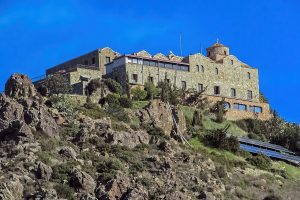
Stavrovouni Monastery is located on a rocky peak in the Larnaca District at an elevation of approximately 689 meters. The name “Stavrovouni” translates to “Mountain of the Cross,” reflecting its historical association with religious relic traditions from the Byzantine period.
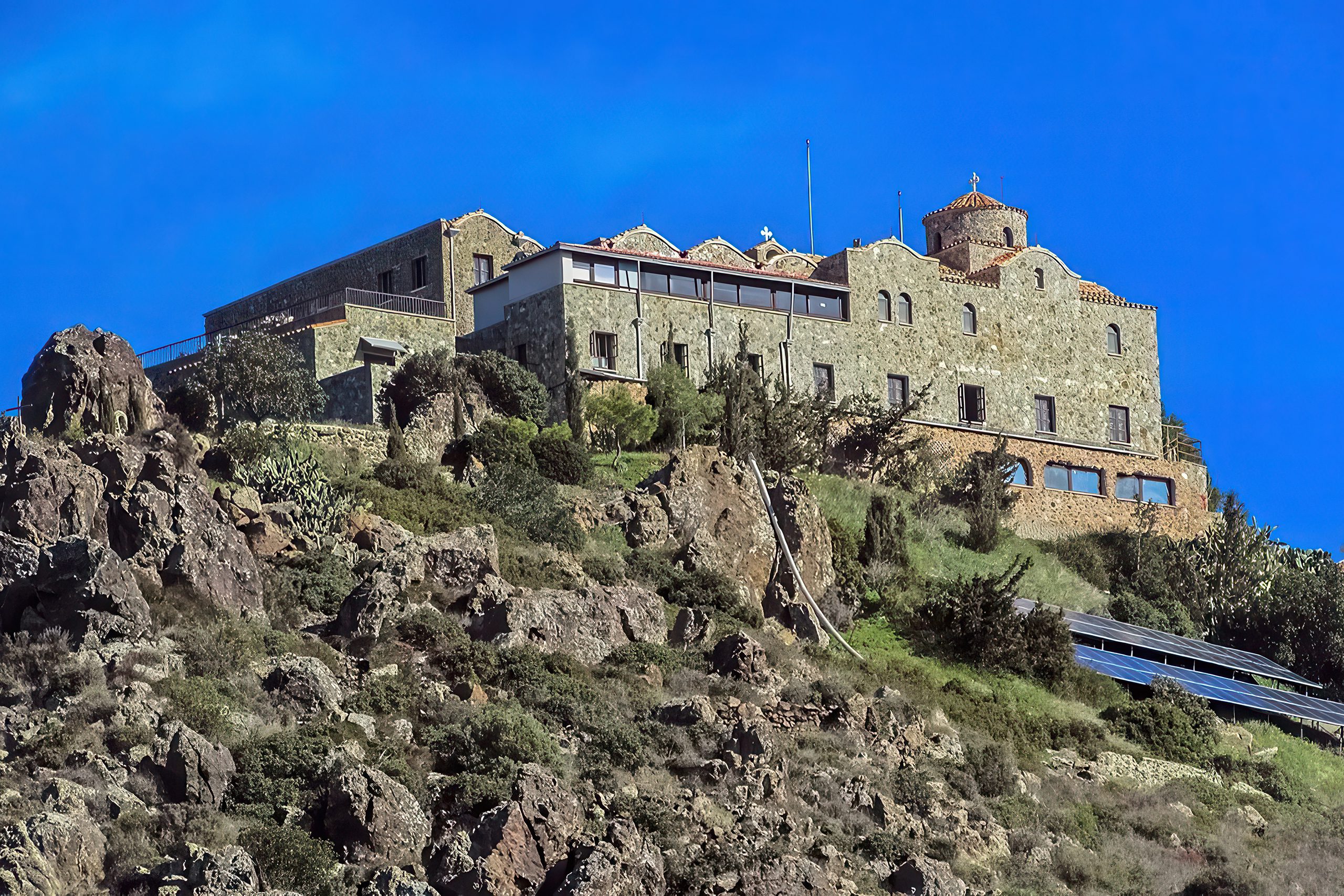
According to historical tradition, the site is linked with Helena, mother of Emperor Constantine, a prominent figure in the early fourth century Roman Empire. Later accounts describe her involvement in establishing religious sites across the eastern Mediterranean during a period of rapid institutional change within the empire.
Tradition also connects the site with the establishment of early monastic structures on elevated terrain, a common practice in Byzantine religious architecture intended to symbolize separation from urban political life. The monastery later developed into an important center of monastic discipline and regional religious administration.
Over time, Stavrovouni became associated with relic traditions and pilgrimage activity, particularly during the medieval and early modern periods. The site continues to attract visitors interested in Byzantine heritage, monastic architecture, and the historical development of religious institutions in Cyprus.
Notable Facts About Cypriot Pilgrimage Sites
The Monastery of Saint Neophytos near Paphos represents an important example of rock-cut monastic architecture. Founded in the twelfth century, the site includes a series of caves carved directly into natural rock formations. These spaces were used for living quarters, study areas, and small chapel spaces.
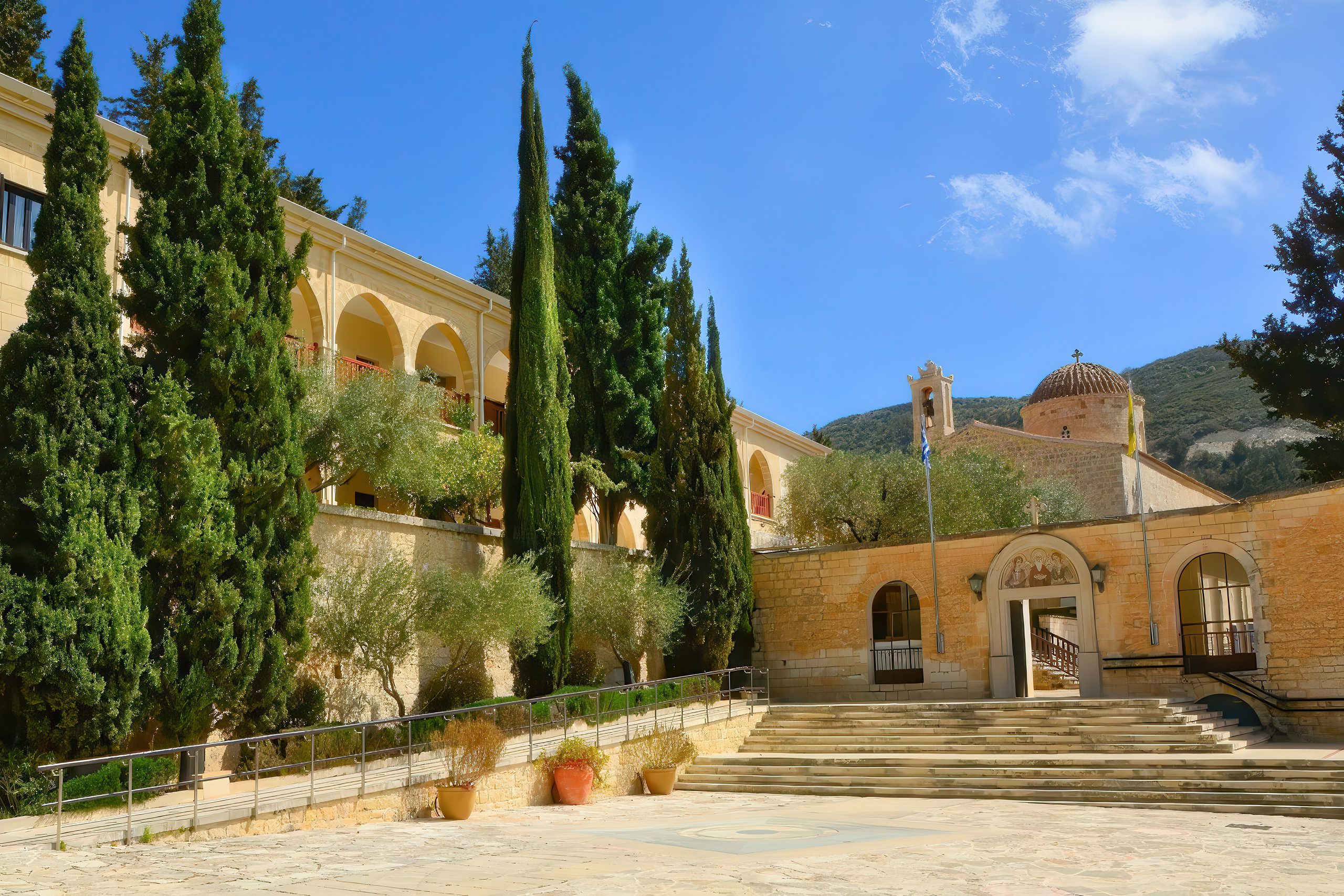
The interior of the cave complex preserves frescoes from the Byzantine and post-Byzantine periods, offering insight into artistic styles and religious symbolism of the time. The writings associated with Neophytos provide valuable historical information about life in Cyprus during the Crusader era, including social structure, education, and monastic organization.
The Church of Saints Cyprian and Justina in Meniko preserves relics associated with late antique religious tradition. The site contains a silver reliquary and various artistic representations that reflect the development of religious storytelling in Cyprus during the Byzantine period.
According to historical tradition, Cyprian was originally associated with practices of ritual magic before later converting to Christianity through association with Justina. Their story became widely circulated in medieval religious literature and iconography. The church today functions as a site of cultural memory and regional pilgrimage within Orthodox tradition.
The painted churches of the Troodos region collectively form a UNESCO World Heritage Site. These churches contain some of the finest surviving examples of Byzantine and post-Byzantine fresco art, spanning approximately the eleventh to sixteenth centuries.
Examples include Panagia tou Araka in Lagoudera, Agios Nikolaos tis Stegis in Kakopetria, and Panagia Podithou in Galata. These structures were often built in rural or mountainous locations, which helped preserve their interior artwork from destruction during periods of regional instability, including Arab raids in earlier centuries.
Today, these churches are studied for their artistic techniques, iconographic programs, and historical significance in understanding Byzantine visual culture in Cyprus.
Why These Sites Still Matter Today
Pilgrimage and heritage sites in Cyprus serve as important links between the modern landscape and the island’s historical development from antiquity through the medieval period. Locations such as the Church of Saint Lazarus and the archaeological site of Paphos provide physical access to structures connected with early urban and religious life in the Roman and Byzantine eras.
These sites also preserve architectural styles, artistic traditions, and written records that might otherwise have been lost due to war, environmental damage, or urban development. Monasteries and churches played a key role in safeguarding manuscripts, icons, and historical documents across centuries of political change.
From a cultural tourism perspective, these locations offer insight into how communities expressed identity, belief systems, and artistic creativity over long periods of time. The combination of architecture, landscape, and historical continuity makes Cyprus an important case study in Eastern Mediterranean heritage.
For modern visitors, these sites function as spaces for historical reflection, academic study, and cultural exploration. The preserved structures, artistic works, and archaeological remains collectively illustrate the long and complex development of Cyprus as a crossroads of civilizations in the Mediterranean world.