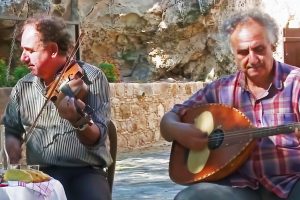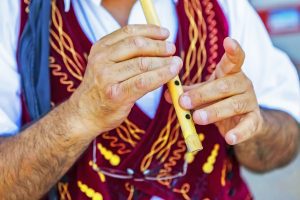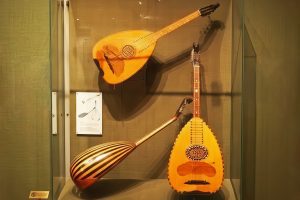
The Cypriot laouto is a plucked string instrument with a distinctive accompaniment style that plays a crucial rhythmic and harmonic role in the island’s music, supporting both instrumental ensembles and vocal traditions while embodying strong regional identities. Its pear-shaped body and resonant tone allow for improvisation within ancient modal systems inherited from Byzantine and Ottoman influences, making it a cornerstone of Cypriot folk expression. This instrument not only preserves historical musical practices but also adapts to contemporary settings, raising interest in how such traditions endure in a modern world.
A Core Element of Cypriot Musical Heritage
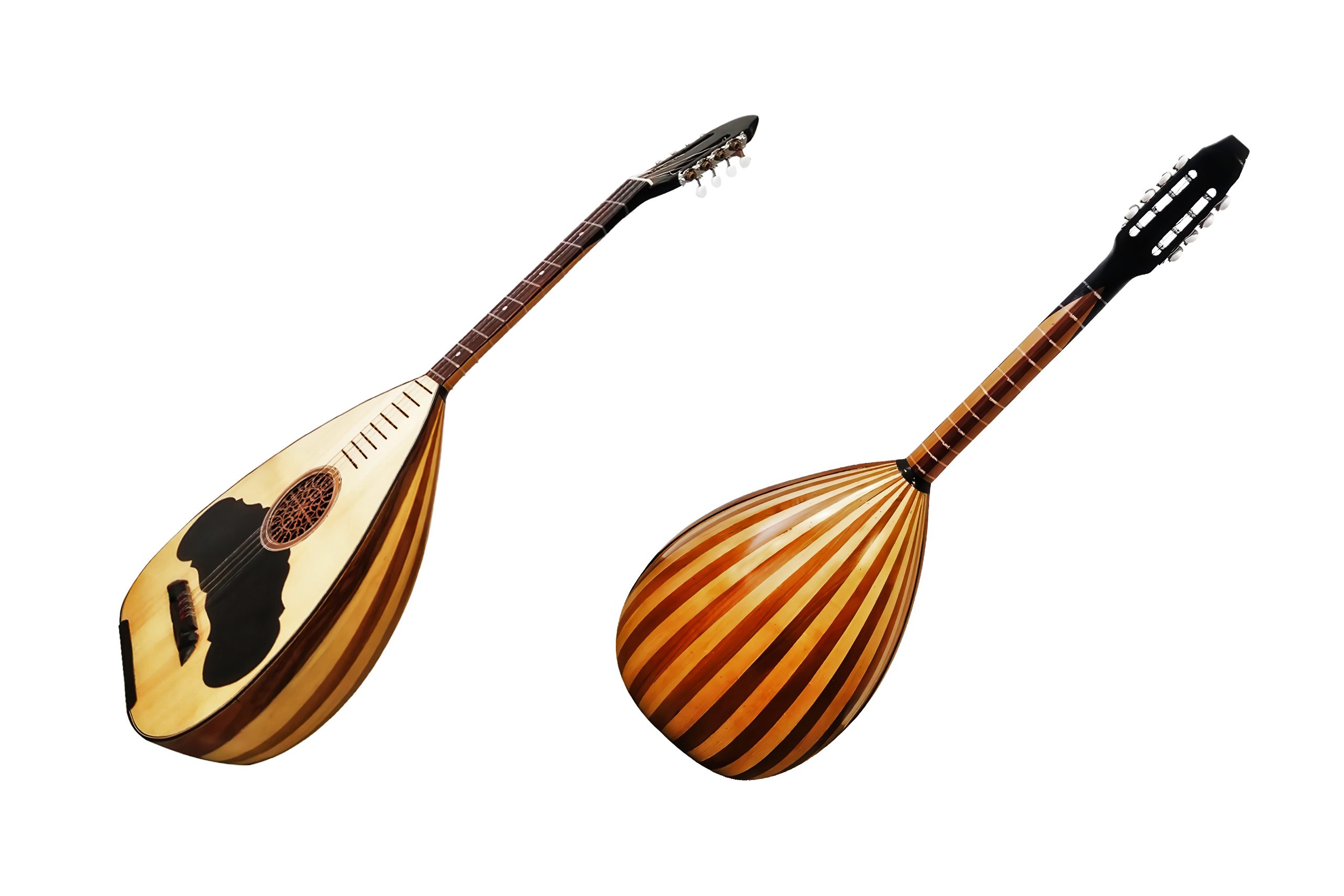
The laouto, a lute-like instrument central to Cypriot folk music, features a large pear-shaped body, long neck, and four strings tuned in a way that facilitates both melody and rhythm. Crafted from local woods like mulberry or walnut, with a soundboard often made from spruce or cedar for resonance, it produces a warm, bright sound that blends seamlessly with other instruments.
In traditional settings, the laouto provides the backbone for dances, songs, and improvisations, its strings plucked with a plectrum to create driving rhythms and harmonic support. This role extends beyond mere backing; it shapes the music’s texture, allowing vocalists or lead instruments like the violin to soar while maintaining a grounded, percussive foundation. Regional variations in playing styles—more ornate in the south, rhythmic in the north—highlight Cyprus’s diverse cultural landscape, where the laouto acts as a sonic emblem of community and identity.
Historical Origins and Evolution
The laouto’s history on Cyprus traces back to the medieval period, evolving from ancient stringed instruments like the Greek kithara and Eastern oud, introduced through trade and conquest. Archaeological evidence from sites like Enkomi in the Late Bronze Age (1600-1050 BC) includes terracotta figurines depicting musicians with lute-like forms, suggesting early prototypes used in rituals.
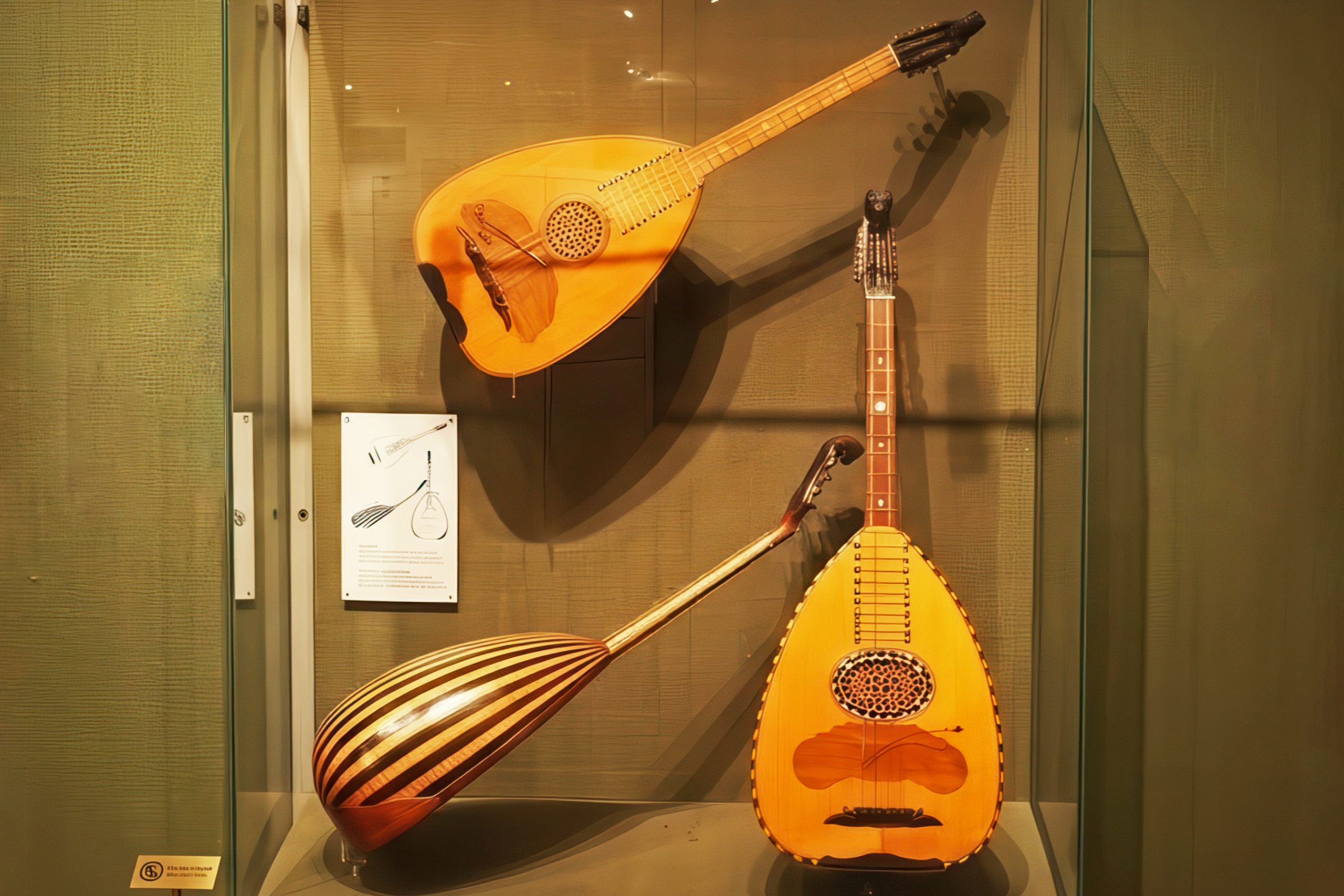
By the Byzantine era (4th-15th centuries AD), the laouto had developed into a plucked accompaniment tool, influenced by the rebab from Arab traders and the lira from Constantinople, as noted in ethnomusicological studies like those by Nicoletta Demetriou.
During the Lusignan Kingdom (1192-1489), Frankish troubadour traditions added melodic flair, but the laouto retained its rhythmic core, adapting to local modal systems called “dromoi”—scales like rast (calm) or hijaz (melancholy) that parallel Byzantine echos and Ottoman makams. Venetian rule (1489-1571) brought Italian lute techniques, emphasizing harmonic progressions, while Ottoman occupation (1571-1878) deepened its role in improvisational “taxim” preludes, blending with Turkish saz styles. British colonial times (1878-1960) documented it in folk recordings by figures like Alan Lomax in 1951, preserving modes now analyzed in pitch pattern studies, such as Maria Panteli’s thesis on Cypriot folk music’s Byzantine-Ottoman fusion.
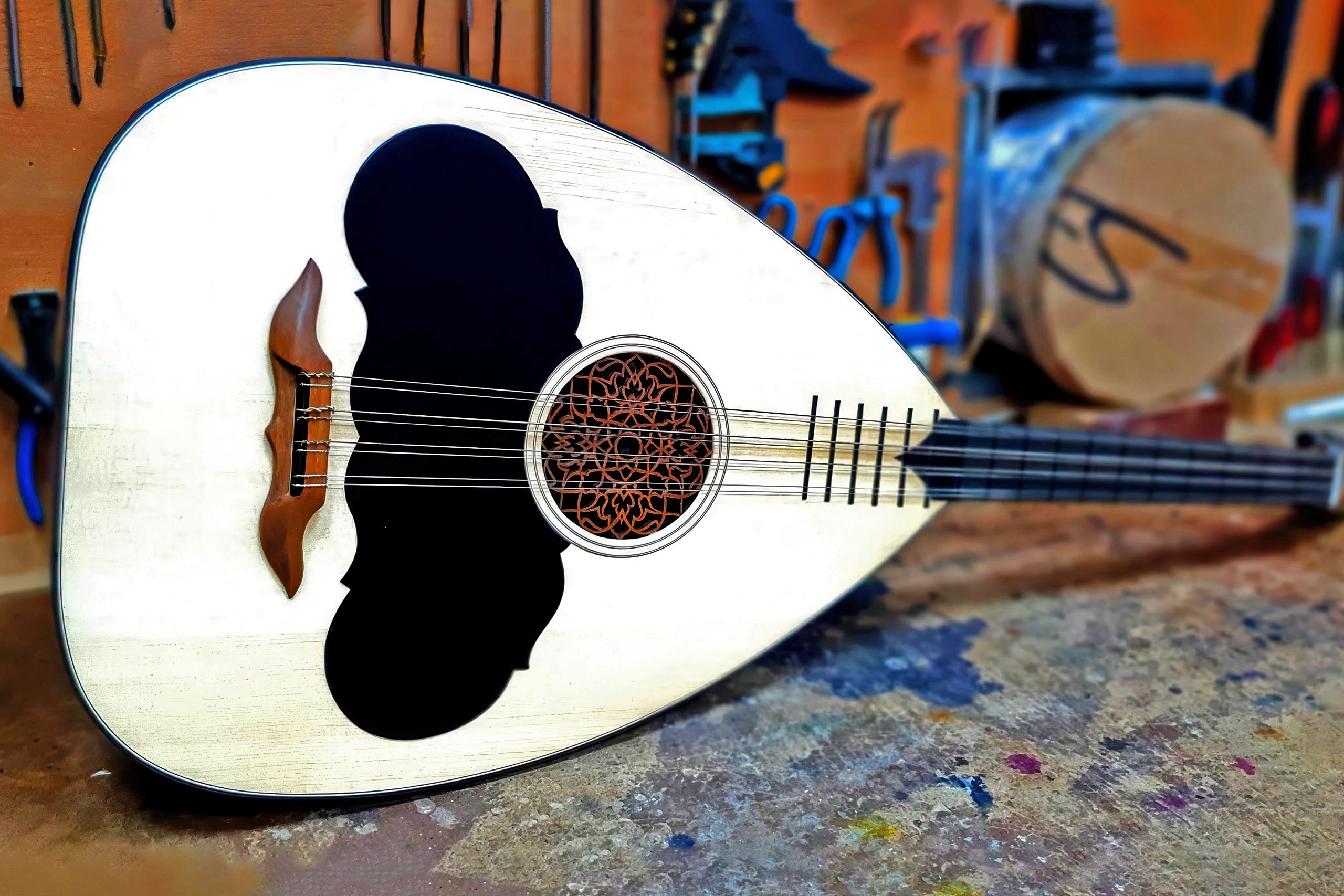
Post-independence in 1960, the laouto symbolized cultural revival, with the 1974 Turkish invasion leading to regional variations: southern styles more melodic, northern incorporating Turkish elements. Today, luthiers like those in Nicosia use seasoned wood dried for years to craft instruments, with modern variants adding frets for easier playing while keeping traditional tunings.
Distinct Characteristics of Accompaniment
The laouto’s tuning, typically C-G-D-A or G-D-A-E in Cyprus, allows for open-string drones that provide harmonic foundation, with the plectrum (mizrap) enabling rapid strumming for rhythm.
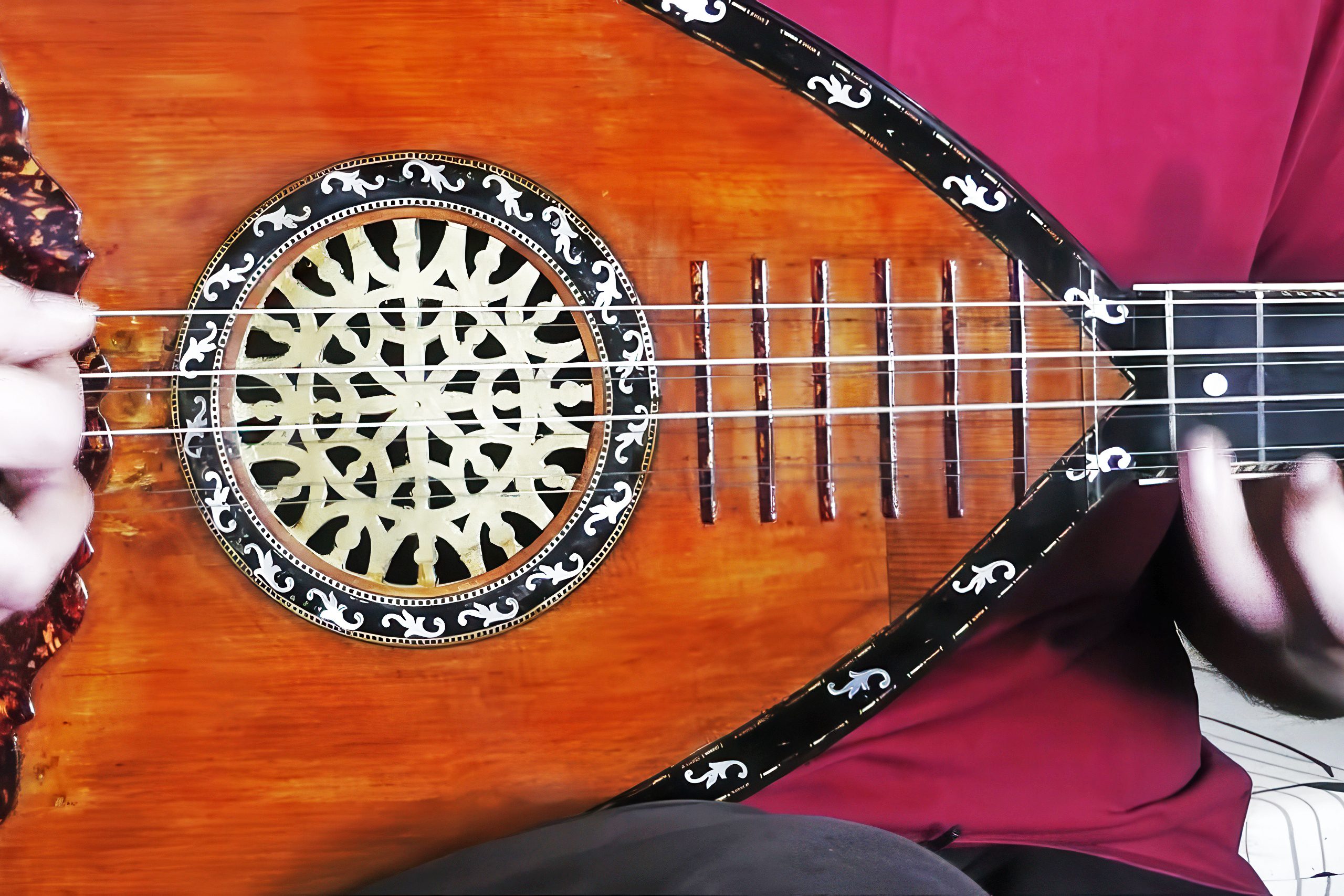
In ensembles, it pairs with the violin (fkiolin) for dances like sousta (lively couple dance) or kartzilamas (line dance), where the laouto sets the tempo with “komps”—percussive strikes on strings—creating a driving beat. For vocal traditions, it supports “mantinades”—improvised rhymed couplets on love or loss—by weaving harmonic progressions around the singer’s melody, using modes to evoke emotions.
Regional identities shine: in Paphos, laouto playing is ornate with trills, reflecting Western influences; in Famagusta areas, it’s rhythmic with Ottoman makam echoes. The instrument’s sound, nasal and penetrating, cuts through outdoor festivals, its volume from the skin membrane suited to village squares. Improvisation is key—players use “taximia” to explore modes before structured songs, a skill passed orally in families like the Tterlikkas, where fathers teach sons fingernail techniques for microtones.
Fun Facts That Add Charm
- The laouto once challenged the violin in “duels” at weddings, where players competed in improvisation, a tradition captured in 19th-century accounts by British traveler Samuel Brown.
- In Ottoman times, laouto strings were made from twisted sheep gut, believed to carry “baraka” (blessing) if from blessed animals.
- A 1494 inscription in a Troodos church mentions a laouto player donating to frescoes, linking it to religious patronage.
- In the 20th century, laouto accompanied rebetiko songs in cafes, influencing Greek stars like Vassilis Tsitsanis, who praised its “Cypriot smile”—warm tone with sharp rhythm.
- Folklore claims Kinyras, mythical king, invented a laouto prototype to charm Aphrodite, tying it to divine music in Ovid’s Metamorphoses.
- Modern luthiers add pearl inlays for eye protection, a folk belief from Ottoman eras.
Deeper Role in Music and Society
The laouto’s rhythmic role uses “usul” patterns from Ottoman music, like 2/4 for fast dances or 9/8 for slow zeibekiko, providing harmonic support with open chords that allow modal flexibility.
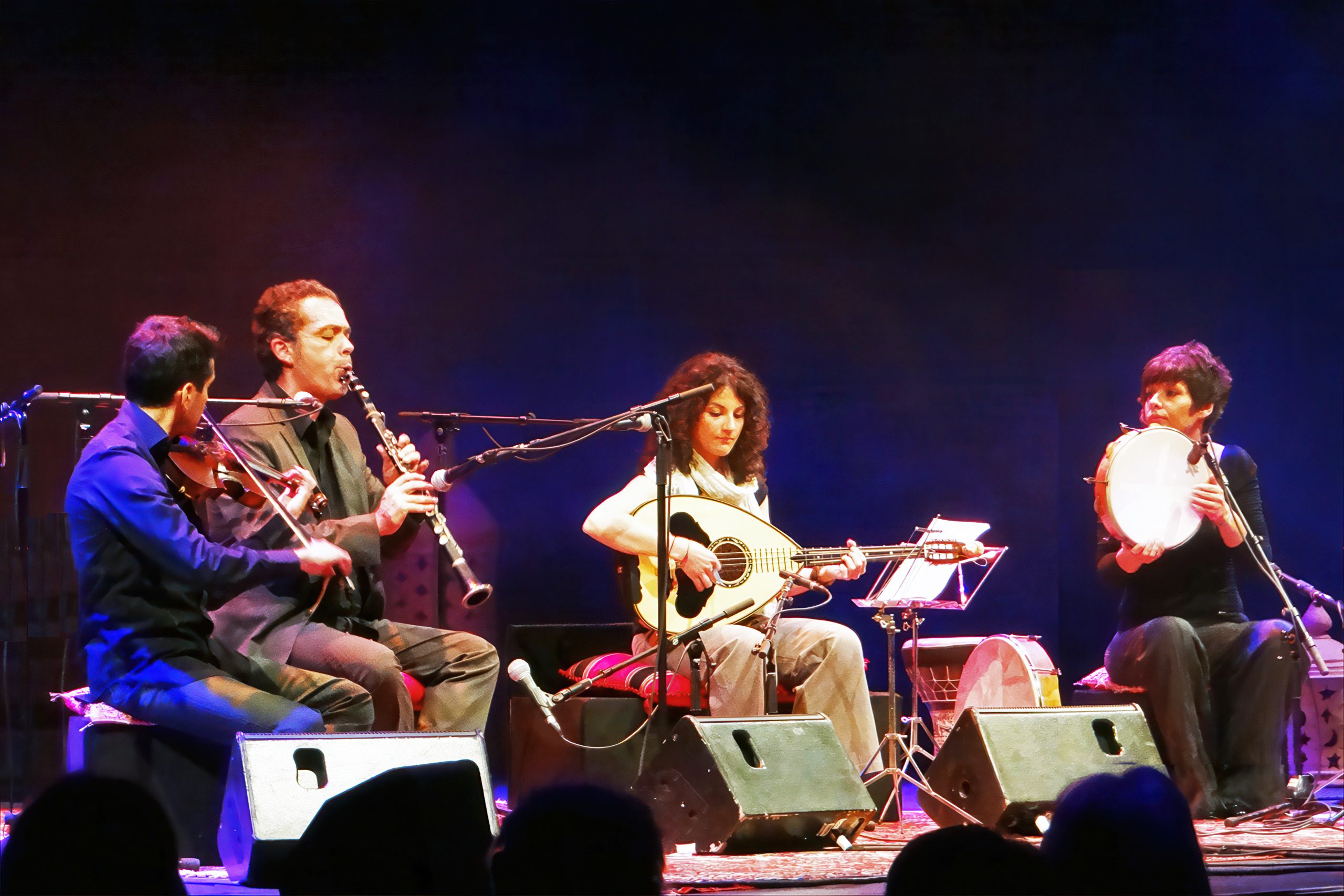
In vocal traditions, it backs “tsiatista”—poetic duels—by echoing the singer’s phrasing, its drones creating tension and release that heighten emotional impact. Instrumental duets with violin highlight regional identities: southern Cyprus favors melodic interplay, northern adds Turkish microtones.
Socially, the laouto fostered community—at “paniyiria” feasts for saints, it led dances that reinforced bonds, with modes chosen for occasions like weddings (joyful hijazkar) or funerals (somber nihavent). This preserved ancient systems from Byzantine hymns, as analyzed in Panteli’s pitch study showing Cypriot modes retain 70% similarity to medieval echos, influenced by Arab maqams via Ottoman rule.
In divided Cyprus, it bridges communities—joint concerts feature laouto with Turkish kemençe, promoting dialogue. Ethnomusicology at universities like the University of Nicosia studies its acoustics, noting how skin tension affects tone for emotional expression.
The Laouto in Cyprus Today
In contemporary Cyprus, the laouto symbolizes cultural resilience, revived in groups like “Cypriot Laouto Ensemble” performing at festivals blending traditional modes with jazz. Amid 1974 invasion, it fosters unity, with bicommunal workshops teaching techniques across lines.
Climate change affects wood sources, prompting sustainable crafting in villages like Kato Drys. Artists like Michalis Tterlikkas teach online, preserving modes, while festivals like Limassol’s Folk Festival feature laouto in soundtracks for heritage films. In globalization, it represents endurance, with UNESCO recognition in 2015 as intangible heritage highlighting its modal preservation.
Opportunities for Exploration
Cultural centers like the Cyprus Folk Art Museum in Nicosia display laouto with demonstrations, open daily for €2. Festivals like Deryneia Folk Festival in July feature live performances, free to attend with workshops. Guided music tours through the Cyprus Tourism Organization cost €15-20, visiting villages like Lefkara for making sessions. Spring or fall avoids heat, pairing with Troodos hikes where traditional music echoes. Accessibility varies, but many venues offer online videos for remote exploration.
A Tradition That Echoes Through Time
The Cypriot laouto tradition holds value as a guardian of ancient modal systems and village improvisation, where its unique accompaniment captures the island’s soul in music. This wasn’t just an instrument; it’s a link to Byzantine roots, blending history with emotion in every note. Knowing it enriches appreciation for Cyprus as a musical crossroads. Engagement with its drone or modes evokes renewed wonder at cultural endurance. In a digital age, the laouto affirms music’s power to connect past and present.