Tsiattista is a form of improvised vocal poetry unique to Cyprus, where performers engage in competitive exchanges of sung verses, demonstrating quick wit, strong memory, and mastery of language. This tradition, central to social gatherings and celebrations, involves rhymed couplets improvised on the spot, often touching on love, humor, or daily life. Recognized by UNESCO as intangible cultural heritage in 2011, tsiattista preserves ancient poetic roots while adapting to contemporary expression, leaving a sense of admiration for its lively, spontaneous nature.
A Timeless Tradition of Wit and Song
Tsiattista embodies Cyprus’s rich oral heritage, a practice where two or more singers alternate verses in a rhythmic duel, crafting poetry from the moment’s inspiration. Rooted in the island’s multilingual history, it blends Greek dialect with elements from ancient, Byzantine, and Ottoman influences, creating a musical dialogue that entertains and challenges. Performed at weddings, festivals, or casual gatherings, tsiattista turns ordinary conversations into art, where clever wordplay and cultural references showcase the performer’s skill. This form not only preserves linguistic nuances but also fosters community bonds, making it a living expression of Cypriot identity.
The Historical Roots of Tsiattista
Tsiattista’s origins trace to ancient Greek poetic traditions, such as the rhapsodic contests described in Homer’s epics around the 8th century BC, where bards improvised verses to honor gods or heroes. In Cyprus, this evolved through the Byzantine era (4th-15th centuries AD), where akritic songs – epic ballads about border guards – incorporated improvisational elements, blending with local dialects. The term “tsiattista” derives from “tsiattos,” meaning patch or mend, referring to how singers “patch” lines together on the spot, a concept noted in 19th-century folklorist accounts by Louis Salvator.
During the Ottoman period (1571-1878), tsiattista absorbed Turkish makam modes and poetic forms like the gazel, adding rhythmic complexity while retaining Greek rhyme structures. British colonial rule (1878-1960) documented it in ethnographic studies, such as those by R.G. Katsounotos in 1890, who recorded verses from Paphos villages. Post-independence in 1960, it became a symbol of cultural resistance, especially after the 1974 division, with Greek Cypriots using it to express longing for unity. Turkish Cypriots have a similar form called “atışma,” showing shared roots. UNESCO’s 2011 recognition as intangible heritage highlighted its role in preserving Cypriot dialect and social customs, with efforts by the Cyprus National Commission to document variations across regions like Morphou’s humorous style or Limassol’s lyrical approach.
Ethnomusicologists like Lefteris Papaleontiou have linked tsiattista to ancient Cypriot bard traditions, with parallels in Cretan mantinades or Calabrian strambotti, traded via maritime routes. The practice survived through oral transmission in villages, where elders taught youth during “paniyiria” feasts, ensuring its evolution without written scores.
How Tsiattista Unfolds
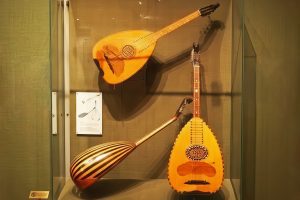
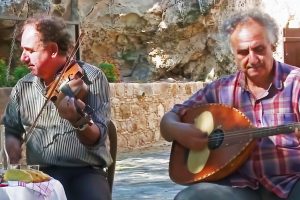
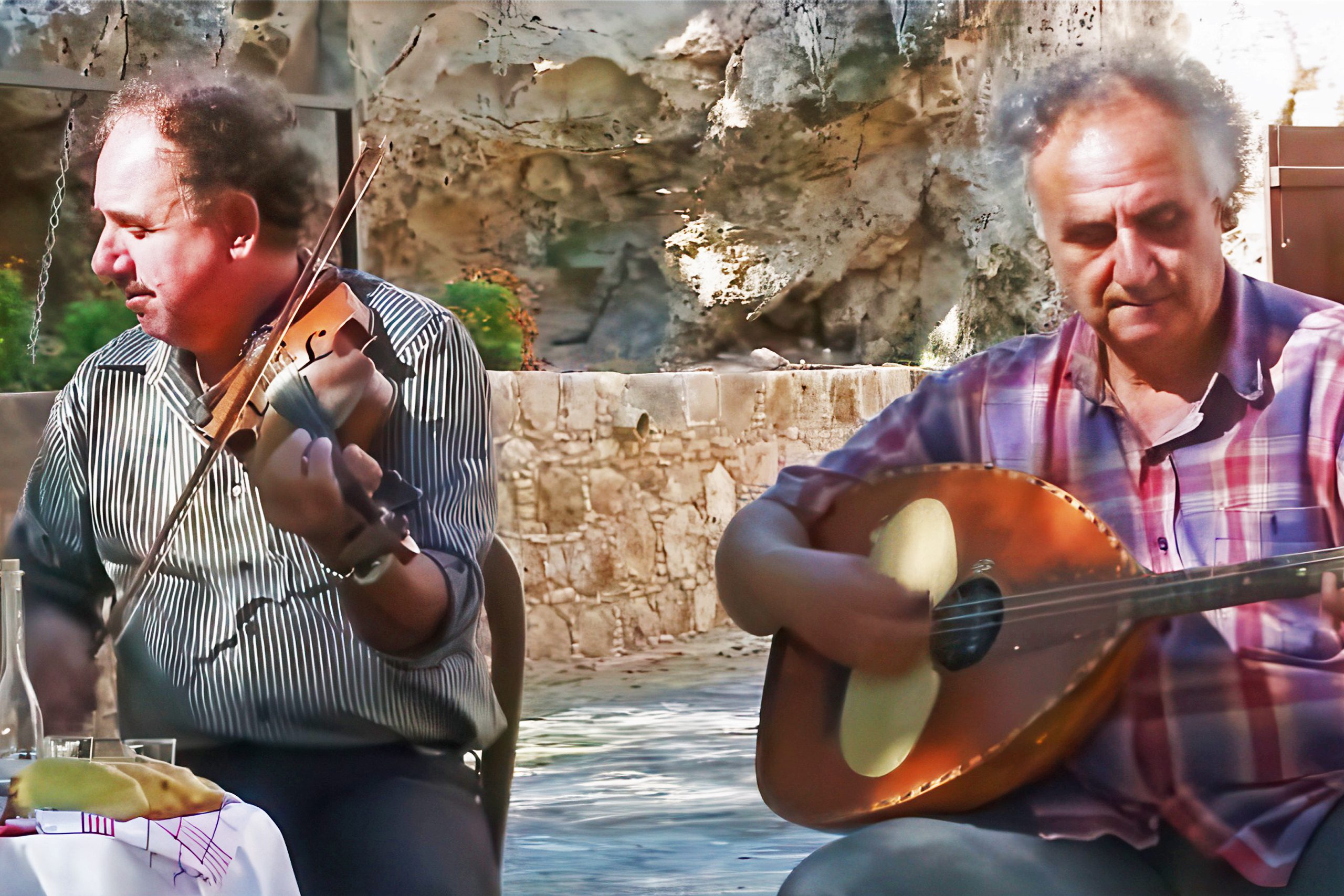
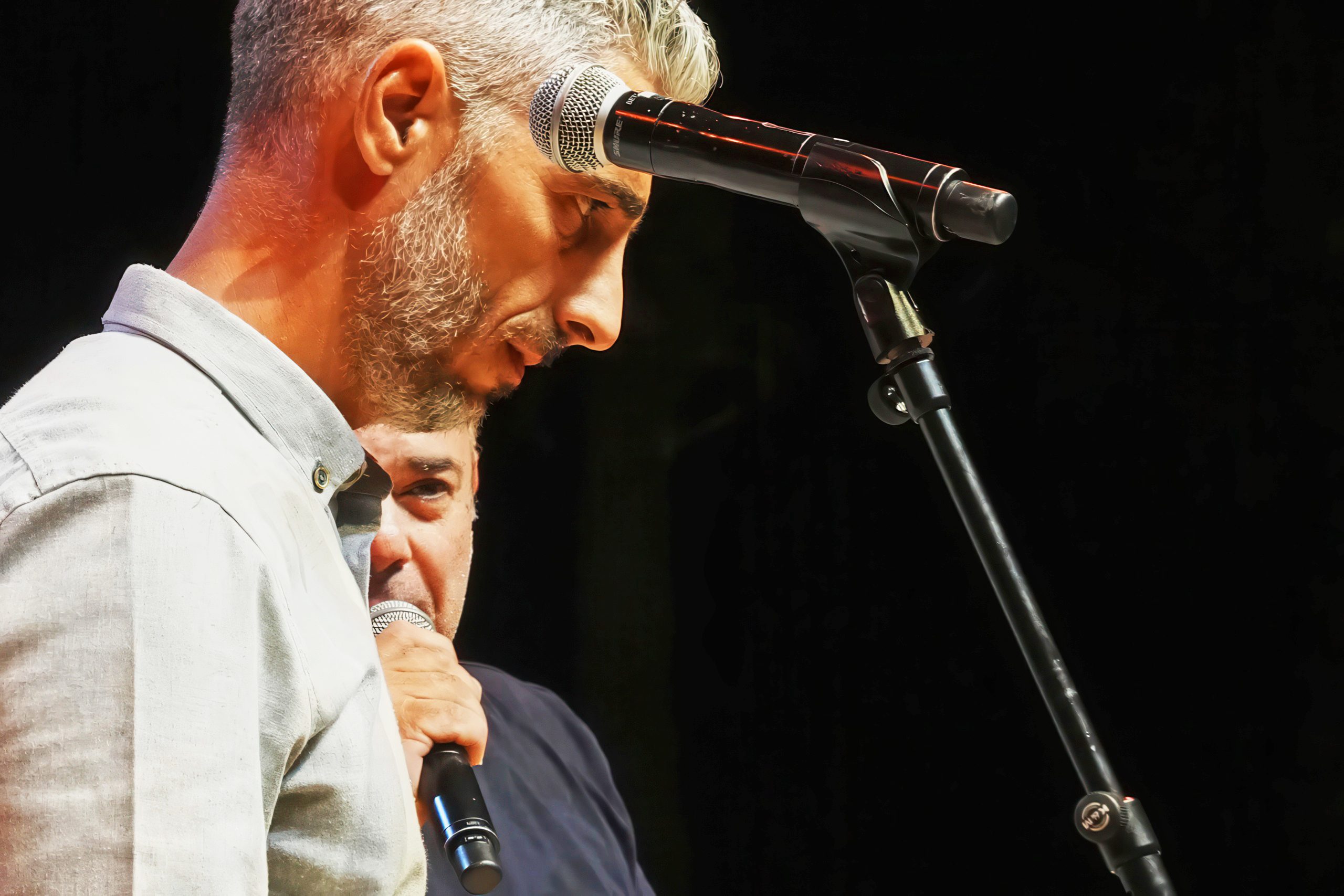
Tsiattista typically involves two singers facing each other, accompanied by laouto (lute) or violin for rhythm. Each verse is a 15-syllable rhymed couplet in Cypriot Greek dialect, with the first singer setting a theme and the second responding in kind, often with wit or one-upmanship. Modes like “ousak” for melancholy or “hicaz” for passion guide the melody, inherited from Byzantine echos and Ottoman makams, allowing emotional nuance.
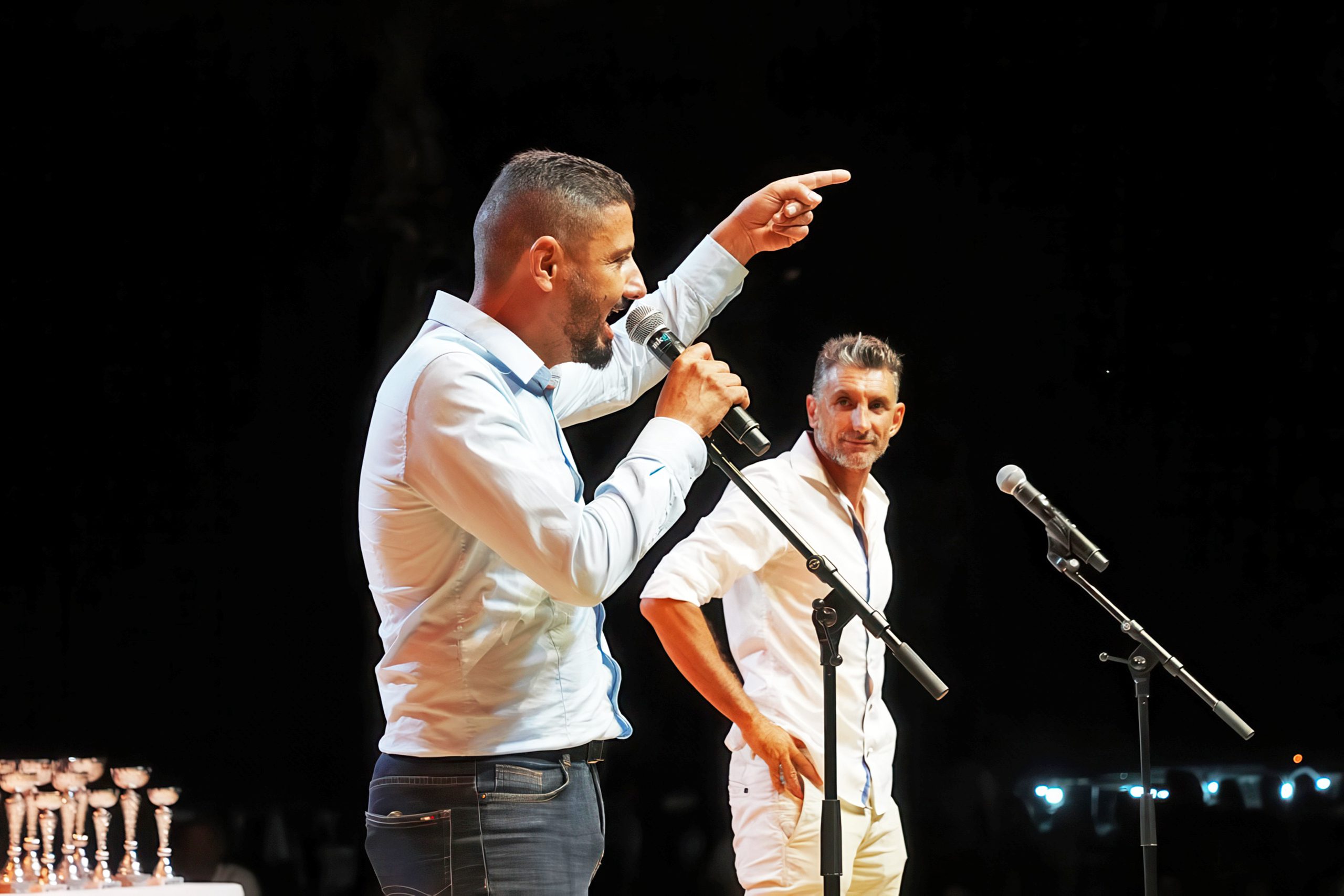
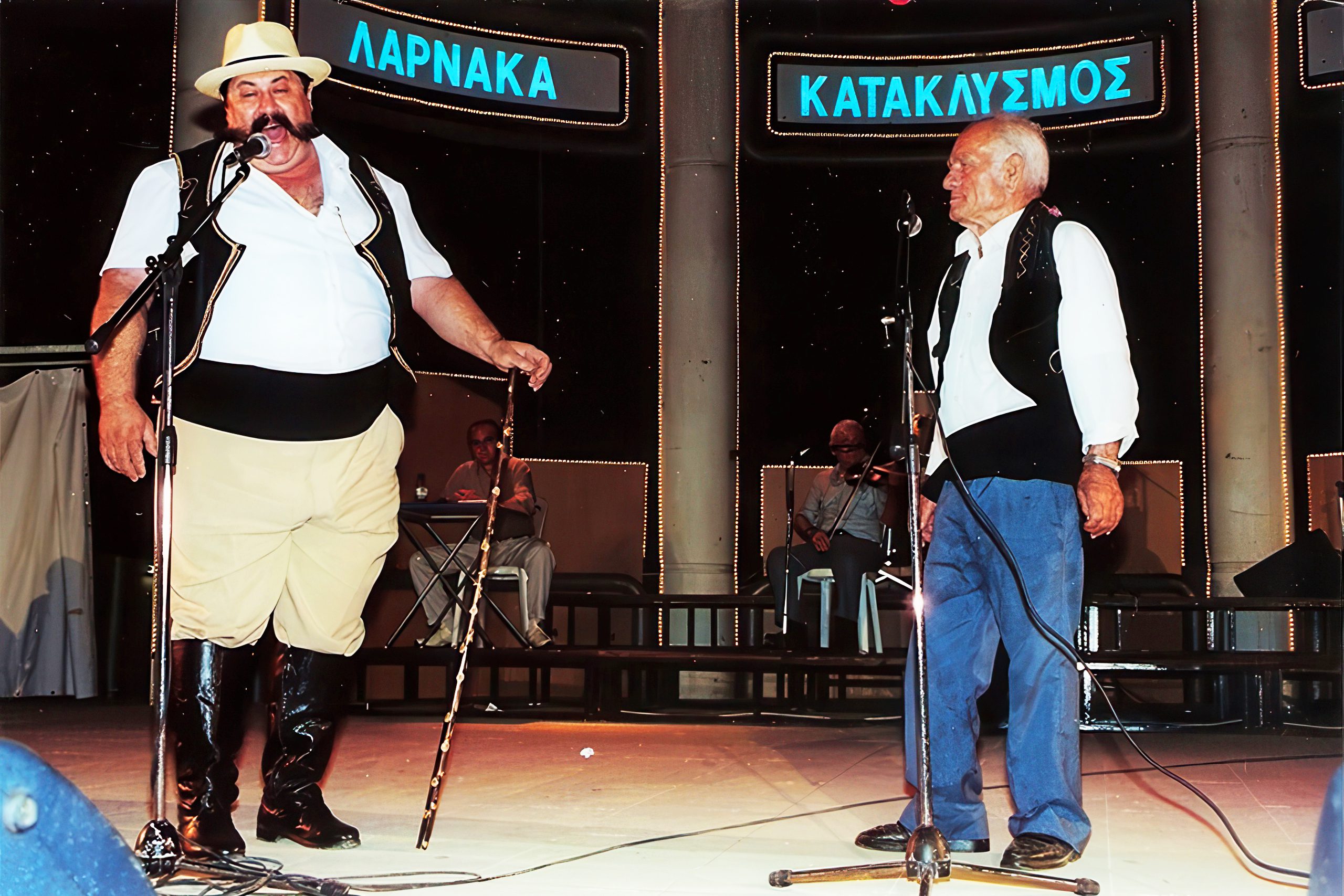
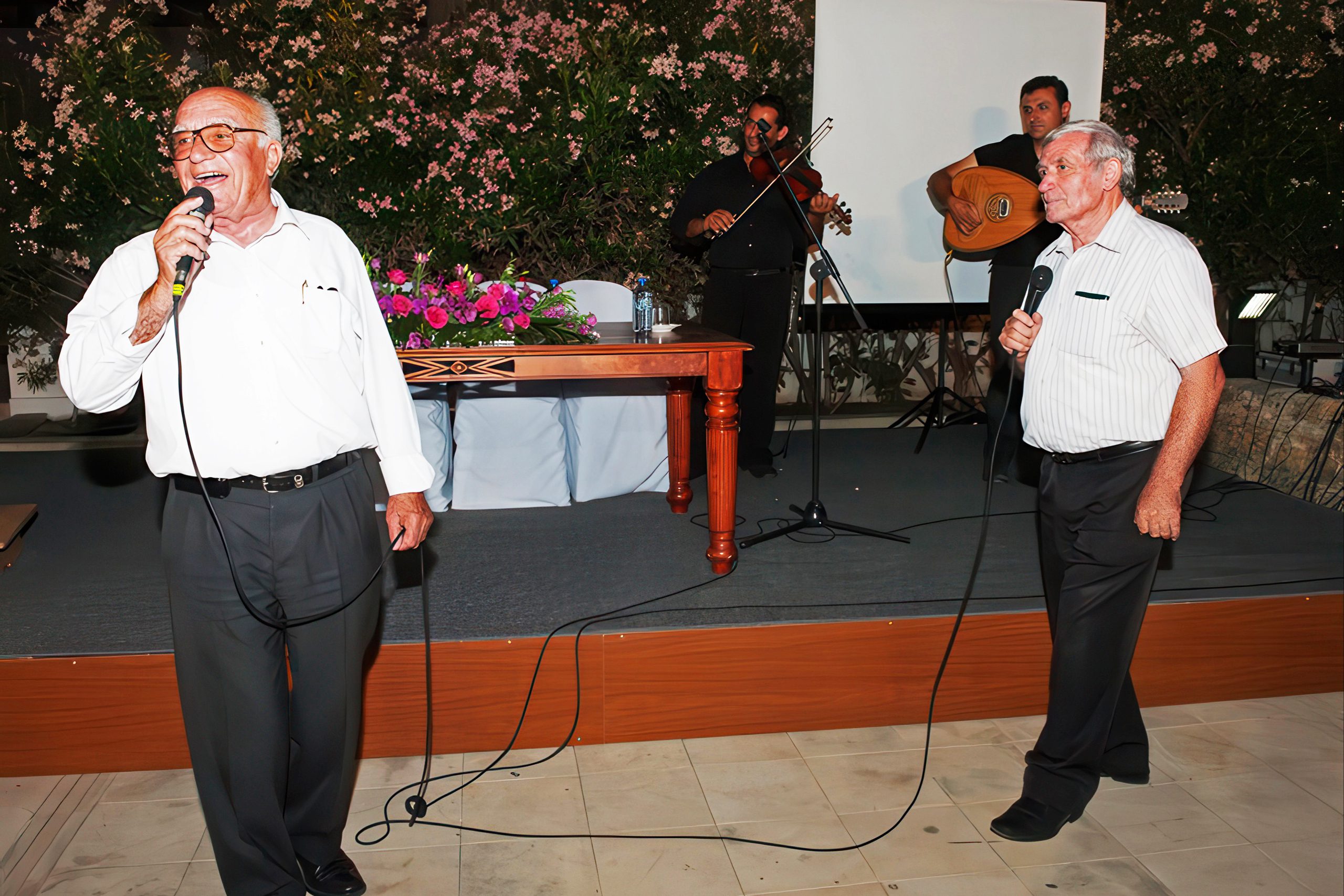
Performances last until one concedes, judged by audience applause for cleverness or rhyme. Themes range from love (“Your eyes like stars in night”) to satire (“Politicians promise gold, deliver stones instead”), showcasing linguistic skill with puns, alliterations, and archaic words preserved in dialect. Regional variations exist: southern tsiattista is faster, northern more melodic. Women participate in “gynaikeia tsiattista” at henna nights, focusing on family themes. The laouto provides harmonic support with drone chords, while the violin adds flourishes, creating a conversation where music and words interweave.
Fun Facts That Add Charm
In 1494, a tsiattista duel reportedly lasted three days at a wedding in Lefkosia, with verses collected in a 19th-century manuscript now in the Archbishopric Library. One quirky rule: if a singer repeats a line, they lose, testing memory under pressure. UNESCO noted its similarity to Sardinian “mutetu,” traded via Venetian ships. Famous 20th-century performer Charalambos Kouratoros improvised 500 verses in one session, recorded in 1950s audio archives at the Peloponnesian Folklore Foundation. And in folk lore, tsiattista originated from Apollo’s contests with satyrs, tying it to mythic roots. Modern twists include rap battles incorporating tsiattista rhythms, blending old wit with new beats.
Deeper Role in Culture and Society
Tsiattista’s symbolism extends to social commentary: verses often critique authority or celebrate resilience, as in post-1974 pieces on displacement. Linguistically, it preserves Cypriot Greek with Aramaic and Turkish words, a UNESCO-recognized dialect at risk. In rituals, it features at weddings for blessings or funerals for laments, using modes to evoke emotions – “nihavent” for sorrow draws from Ottoman influences, while “rast” for joy echoes Byzantine hymns.
Socially, it fosters equality – anyone can participate, with wit trumping status, reinforcing community bonds in divided Cyprus. Ethnomusicology at the University of Cyprus studies its acoustics, noting how laouto drones create trance-like states for improvisation, linking to ancient ecstatic rites. Regional identities shine: Paphos style is humorous, Famagusta more poetic. This depth makes tsiattista a cultural archive, preserving modes from the 8th-century octoechos system, influenced by Arab maqams via trade.
Tsiattista in Cyprus Today
In contemporary Cyprus, tsiattista thrives as a symbol of unity, with bicommunal events across lines featuring duels that promote dialogue. UNESCO’s 2011 listing spurred revivals, with schools teaching it to preserve dialect amid globalization. Climate change affects festival venues, prompting indoor adaptations, while artists like Alkinoos Ioannidis fuse it with rock. In a divided society, it fosters pride, with online platforms sharing verses for global audiences.
Opportunities for Exploration
Cultural centers like the Cyprus Ethnographic Museum in Lefkosia host demonstrations, open daily for €3. Festivals like the Limassol Folk Festival in August feature live tsiattista, free to attend with workshops. Guided music tours through the Cyprus Tourism Organization cost €15-20, visiting villages like Kato Lefkara for sessions. Spring or fall avoids heat, pairing with Troodos hikes where music echoes. Many venues offer online videos for remote access.
A Tradition of Spontaneous Art
Tsiattista holds value as a guardian of Cypriot wit and memory, where competitive verses showcase linguistic skill in a UNESCO-recognized form. This isn’t just poetry; it’s a link to ancient roots, blending history with emotion in every line. Knowing it enriches appreciation for Cyprus as a poetic crossroads. Engagement with a duel or mode evokes renewed wonder at cultural endurance. In a digital age, tsiattista affirms improvisation’s power to connect past and present.