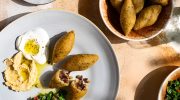
Sheftalia is a traditional Cypriot sausage made from ground meat wrapped in caul fat, a thin membrane that surrounds animal organs. The mixture uses pork, lamb, or a combination of both, along with finely chopped onions, fresh parsley, and basic seasonings.

The meat is formed into oval shapes and encased in the lacy caul fat before grilling over charcoal. Unlike standard sausages that use casings, sheftalia relies on this natural membrane that melts during cooking. This creates a crispy exterior while the fat bastes the meat from the outside, keeping it tender and moist inside. The name comes from the Turkish word “şeftali,” which means peach, likely referring to the texture or appearance of the finished product.
Historical Context
Sheftalia appeared in Cyprus during the 19th century, when meat was expensive and cooks found ways to maximize every part of the animal. The caul fat, which might otherwise go unused, became the perfect wrapper to preserve moisture and enhance flavor. Two theories explain the name’s origin:
- The first connects it to “şeftali kebabı,” meaning peach kebab in Turkish, possibly describing the texture.
- The second attributes it to a Turkish Cypriot street vendor called Şef Ali, or Chef Ali, who supposedly created “Şef Ali kebabı,” which eventually became known as sheftali or sheftalia.
The dish reflects Ottoman influence on Cypriot cooking while incorporating local ingredients and methods. Over time, sheftalia evolved from a resourceful use of ingredients into a celebrated part of the island’s food culture. By the mid-20th century, small kebab shops across Cyprus neighborhoods were serving sheftalia alongside souvlaki, making it accessible as both street food and taverna fare.
The Technique That Defines It
The key to sheftalia lies in the caul fat wrapping. Caul fat resembles a delicate spider web with thick veins and transparent sections between. Before use, it must soak in water with vinegar or lemon juice, sometimes for 24 hours, to remove the strong natural odor. The meat mixture requires a balance of fat, typically 30 percent, to ensure juiciness. Traditional recipes call for hand-chopped meat rather than ground, creating a coarser texture.
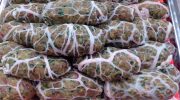
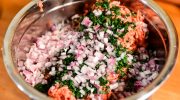
The ingredients remain simple: meat, onions, parsley, salt, and pepper. Some regional variations add cinnamon or cumin. The mixture is formed into ping-pong or golf-ball sized portions, shaped into ovals, then carefully wrapped in a single layer of caul fat.
During grilling, the fat melts and drips away while simultaneously basting the meat. This self-basting process produces an intensely flavorful, golden-brown crust. The cooking requires low, steady heat over charcoal. Sheftalia must cook slowly, about 20 to 25 minutes, turning frequently to prevent burning the outside before the inside finishes cooking.
Recognition and Cultural Standing
In 2016, sheftalia received official protection under the EU Traditional Speciality Guaranteed program. This designation requires that products maintain consistent raw materials, composition, and production methods for at least 30 years. The recognition acknowledges sheftalia as a distinctive Cypriot contribution to Mediterranean cuisine.

In October 2025, Taste Atlas ranked sheftalia as the world’s second-best sausage dish, placing it above well-known favorites from other countries. The village of Agios Themistoklios holds an annual Sheftalia Festival where local cooks compete to prepare the best version.
Gastronomic guides consistently list sheftalia among the three most popular Cypriot dishes, alongside souvlaki and halloumi. Nearly every taverna on the island includes it on their menu, though certain areas have developed local reputations for exceptional versions.
Regional Styles Across Cyprus
Different areas of Cyprus have developed their own approaches to sheftalia:
- Larnaca and Limassol favor pork with added coriander.
- Villages like Lefkara and Kakopetria add wine to the meat mixture for tenderness and a subtle fruity note.
- In Paphos and the Troodos mountains, cooks prefer lamb with fresh mint and green onions.
The basic technique remains constant, but these variations reflect local tastes and available ingredients. Some modern restaurants offer chicken sheftalia, though traditionalists argue that authentic versions require pork or lamb.
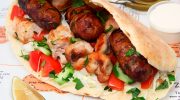
The Troodos mountain region claims particularly flavorful sheftalia due to meat grilled over open fires amid the aroma of pine trees. Coastal areas like Ayia Napa serve sheftalia primarily as street food in pita bread, while inland villages tend to include it as part of traditional meze spreads.
How Cypriots Experience It Today
Sheftalia appears at family celebrations, weekend barbecues, Easter feasts, name day parties, and picnics. For many Cypriots, it represents the taste of childhood, the smell of summer, and the gathering of family around the grill.
The dish requires group participation. Someone must prepare the meat mixture, another wraps the portions in caul fat, and a third tends the charcoal grill. This communal aspect makes sheftalia preparation a social event rather than just cooking.

Small kebab shops throughout Cyprus neighborhoods sell sheftalia and souvlaki together, often as “mixed” portions. The standard serving method involves warm Cypriot pita bread with a pocket opening, filled with sheftalia and a simple salad of tomatoes, cucumbers, onions, and parsley.
Diners add lemon juice and sometimes pickled vegetables. At meze meals, sheftalia arrives as one of many small plates alongside dips, halloumi, and other grilled meats, typically paired with local wine or beer.
A Taste That Unites the Island
Sheftalia demonstrates how Cypriots transformed practical cooking into cultural identity. The use of every part of the animal, the patient charcoal grilling, and the communal preparation all reflect island values of resourcefulness and hospitality. The dish bridges Turkish and Greek culinary traditions, showing how Cyprus absorbed influences from various rulers while creating something distinctly local.
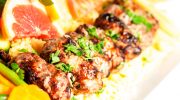
Street vendors and family cooks prepare sheftalia using methods largely unchanged for over a century. This continuity connects modern Cypriots to their ancestors who developed the technique when meat was scarce and expensive.
The recent international recognition, from EU protection to global rankings, validates what locals have known for generations. Sheftalia succeeds because it balances simplicity with exceptional flavor, requires skill but not exotic ingredients, and brings people together around food that tastes unmistakably Cypriot.