The Troodos Mountains, covering roughly one-third of Cyprus’s land area, preserve traditional ways of life that have largely disappeared from coastal regions. These mountains rise to 1,952 meters at Mount Olympus and shelter approximately 70 villages where customs, crafts, festivals, and daily practices maintain connections to centuries-old heritage.

The difficult terrain that once isolated these communities now protects their cultural distinctiveness, creating living museums where visitors experience authentic Cypriot traditions rather than reconstructed performances for tourists.
Village Life and Seasonal Rhythms
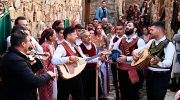
Mountain villages follow agricultural calendars that structure community life around planting, harvesting, and religious festivals. Cherry season in June brings the Cherry Festival to Pedoulas, where families gather to celebrate summer fruit alongside folkloric entertainment programs. August wine festivals in villages like Omodos honor centuries of viticulture with free-flowing local wines, traditional music from violin and laouto, and folk dances.
The panigyria, traditional open-air festivals honoring patron saints, represent the most important events in village calendars. These celebrations blend solemn religious liturgy with communal feasting, folk dancing, and socializing that continues late into the night. The evening before the saint’s feast day features icon processions where believers follow the saint’s image through village streets carrying lit candles. After liturgy concludes, the festival atmosphere transforms with stalls selling traditional foods like loukoumades, shamishi, and shoushoukos.
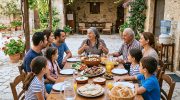
Traditional hospitality, called philoxenia, remains alive in mountain villages. The word combines love with willingness to sacrifice for neighbors and strangers. In past centuries, villagers welcomed travelers into homes, providing food and shelter without expectation of payment. Today, especially in small mountain communities, elderly residents still invite visitors for Cypriot coffee, cool water, and glyko tou koutaliou, fruit or walnuts cooked in syrup that has been the standard traveler’s treat for centuries.
Crafts That Define Village Identity
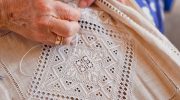
Different villages specialize in particular crafts passed down through generations. Lefkara in the southern Troodos foothills produces intricate lacework called Lefkaritika and delicate silver filigree work, both recognized on UNESCO’s Intangible Cultural Heritage list. The village hosts an annual Traditional Arts Festival each August where master craftspeople demonstrate techniques requiring patience and skill developed over lifetimes.
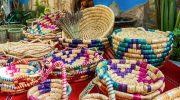
Basket weaving remains active in several mountain communities, using water reeds, grasses, rushes, and bamboo harvested from Cyprus’s countryside. Weavers create complex designs and patterns through techniques requiring extensive practice. Each basket can take up to three hours to complete. These items once served essential functions in cheese production, olive storage, carrying agricultural supplies, and hanging bread from ceilings. Today’s weavers adapt traditional methods to create contemporary designs that meet modern customer needs while preserving authentic techniques.
Pottery traditions continue in Kornos village, known for its local red clay. The village celebrates this distinctive craft with an annual Red Clay Festival where visitors watch skilled potters at work. Traditional pottery techniques appear on the UNESCO National Intangible Cultural Heritage list, recognizing their cultural significance and the need for preservation.
Wine production defines the Krasochoria, or wine villages, scattered across Troodos foothills. Communities have practiced viticulture for centuries, producing wines through methods dating back generations. Family-run wineries open for tastings, offering visitors authentic experiences alongside local cuisine. The Commandaria Festival honors the world’s oldest named wine still in production, celebrating a sweet amber nectar with over 800 years of history perfected by the Knights of Saint John in the 12th century.
Mountain Festivals and Celebrations
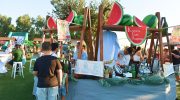
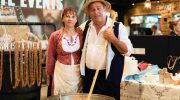
Gastronomy and traditional festivals throughout Troodos villages combine heritage elements into fascinating outdoor celebrations. Village squares fill with kiosks selling traditional delicacies including trachanas soup, palouzes, halloumi cheese, cured meats, resi, spoon sweet preserves, Cyprus bread, wine, and zivania. Michelin-starred Cypriot chefs and television personalities present cooking demonstrations featuring traditional dishes and new recipes based on local products.
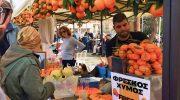
The Festival of Tradition and Culture, held annually by the Women’s Association of Rural Larnaka, takes place at a different community each year and has become the biggest festival in rural Larnaka. The event features folkloric entertainment, live cooking demonstrations, children’s activities, and handmade products created with history and heart. These festivals provide opportunities for young people to learn about disappearing occupations while allowing elderly residents to recall their childhoods.
Harvest festivals reflect Cyprus’s agricultural heritage. The Wine Festival in Limassol runs for ten days with free-flowing locally produced wines. Villages across Troodos celebrate their specific agricultural products, from cherries in Pedoulas to honey in certain mountain communities. These festivals bring locals and visitors together to enjoy traditional music, dance, and regional specialties.
Traditional Music and Dance
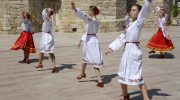
Cyprus maintains rich musical and dance traditions distinct from mainland Greece. Folk dances are typically accompanied by violin and laouto, a lute with four double strings played with an eagle or vulture quill. Many dances are performed face-to-face as suites, with both men and women demonstrating nimble footwork. The dances often allude to village courtship rituals and remain most popular at wedding ceremonies.
Traditional songs tell stories of love, nature, and daily life, passed down through oral tradition across generations. One of the most iconic songs is the wedding song “Ora Kali,” played during preparation of the bride or groom before weddings. Instruments beyond the violin and laouto include the tamboutsia, a frame drum, the pithkiavlin, a flute, and various percussion instruments that create distinctive Cypriot musical character.
Why Mountain Traditions Matter Today
The Troodos villages face population decline as young people migrate to coastal cities for education and employment. This depopulation threatens traditional practices that require active community participation. However, the same isolation that preserved these customs now attracts visitors seeking authentic cultural experiences unavailable in developed coastal areas.
Tourism provides economic justification for maintaining traditional practices. Villages restore old buildings as guesthouses and agrotourism accommodations, creating income that supports continued habitation. Craft demonstrations, festivals, and culinary tourism bring revenue while encouraging preservation of skills and knowledge. This creates positive cycles where cultural heritage supports economic viability, which in turn enables heritage preservation.
The traditions embody intangible cultural heritage that cannot be preserved through museums alone. Skills like lacemaking, pottery, basket weaving, and wine production require living practitioners who can teach next generations. Songs, dances, recipes, and festival customs exist through performance and participation rather than documentation. The survival of these traditions depends on communities that continue practicing them as living culture rather than historical recreation.
Experiencing Mountain Heritage
Visitors can participate in mountain traditions through various means. Attending panigyria festivals during saint feast days provides immersive experiences of community celebration. Arriving before evening services allows witnessing the progression from religious solemnity to festive joy. Modest dress with shoulders and knees covered shows respect for the religious nature of these events.
Workshops in various villages offer hands-on experience with traditional crafts. Basket weaving classes run from May to November, typically on Wednesdays, weekends, and public holidays. Participants learn basic techniques and often complete small baskets to take home. Similar workshops exist for lacemaking, pottery, and other crafts, usually requiring advance booking.
Staying in restored traditional houses provides opportunities to experience village life directly. Many stone-built homes with original architecture and wooden beams now operate as guesthouses while adding modern amenities. Overnight stays allow observation of daily rhythms, sunrise and sunset light conditions, and village atmospheres after day visitors depart.