Fish Preservation Techniques In Cyprus
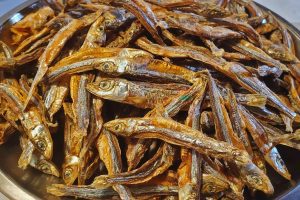
For much of Cyprus’s history, the challenge was never catching fish. It was keeping it. Long before ice, refrigeration, or fast transport, fresh fish could spoil within hours under the Mediterranean sun. To survive, coastal communities developed preservation methods that turned a fragile, short-lived food into something durable, transportable, and dependable. Salting, drying, and smoking were not culinary experiments. They were practical responses to climate, distance, and necessity, shaping how Cypriots ate, traded, and lived. Understanding these techniques reveals more than food history. It shows how knowledge, cooperation, and environment came together to support life across the island. Why Preservation Was Essential In pre-modern Cyprus, fresh fish was a luxury of proximity. Coastal villages could eat what they caught the same day, but many communities lived inland, often deliberately, to reduce exposure to piracy and coastal raids. Transporting fresh fish even a short distance was impossible without spoilage. Preservation solved this problem. By removing moisture and controlling bacterial growth, fish could be stored for weeks or months. What arrived inland was no longer fragile. It was reliable nourishment. Preservation turned the sea into a food source for the entire island, not just those living beside it. Knowledge Shaped by Climate and Geography Cyprus’s climate strongly influenced how preservation developed. Hot summers accelerated spoilage, but steady sunlight, dry air, and coastal…
Read more