Explore Cyprus with Our Interactive Map

Explore our top stories and discover ideas worth your time.

Kition Temples

Kition Temples

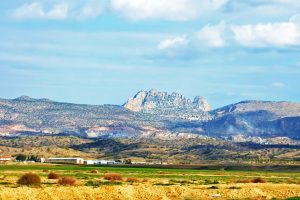
Kition, located beneath modern Larnaca on Cyprus's southeastern coast, served as a major Bronze Age settlement before the Phoenicians arrived. The site contains five successive temples dated from the late 13th to the late 11th century BC, built during the Late Bronze Age when Mycenaean Achaeans inhabited the city. These early temples were connected to copper smelting workshops, revealing an unusual integration of industrial and religious activities. The copper industry was central to Cyprus's prosperity, and scholars believe this placement suggests either worship of a deity related to copper production or a ritual significance attached to metallurgy itself. Around 1000 BC, the religious part of the city was abandoned, though life continued in other areas. This abandonment created a gap in the archaeological record until the Phoenicians revitalized the site two centuries later. Historical Background The Phoenicians arrived at Kition near the end of the 9th century BC, first as traders and later as permanent settlers. Around 850 BC, they built a large temple dedicated to Astarte on the foundations of an earlier Mycenaean temple. This temple became the most important religious building in the city and stayed in use for more than five centuries. The Temple of Astarte was a major architectural achievement. The rectangular building measured 35 by 22 meters, with walls made of large ashlar blocks, some…

Read more
Cyprus Carob Black Gold

Cyprus Carob Black Gold

For centuries, the carob tree quietly underpinned life in Cyprus. Long before sugar, tourism, or modern industry reshaped the island, carob sustained rural families economically, nutritionally, and socially. Known locally as “black gold,” it was never glamorous, but it was dependable. In a land shaped by drought, invasion, and uncertainty, the carob tree endured, feeding people, funding villages, and anchoring tradition in the Cypriot landscape. A Tree Built for Hard Conditions The carob tree, Ceratonia siliqua, is perfectly adapted to Cyprus’s dry Mediterranean climate. Its deep roots draw moisture from far below the surface, allowing it to survive long summers without irrigation. Thick, leathery leaves reduce water loss, and slow growth produces a tree that can live for centuries. This resilience explains why carobs thrived where other crops failed. On rocky slopes and marginal land unsuitable for cereals, carob trees continued to produce reliable harvests. For rural communities, they were less a crop and more a form of insurance, offering stability in an unpredictable environment. Why It Was Called “Black Gold” The name "black gold" was not a poetic exaggeration. Ripe carob pods darken to a deep brown, almost black, and for generations, they ranked among Cyprus's most valuable exports. Even in years when wheat failed or rainfall was scarce, carob trees continued to bear fruit. For many families, a…

Read more
Papoutsa Nature Trail

Papoutsa Nature Trail

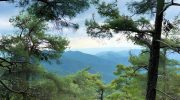
The Papoutsa Nature Trail represents a significant high-altitude route within the Pitsilia region of Cyprus. This path climbs toward the summit of Mount Papoutsa, which stands as the third-highest peak on the island. Hikers traverse a landscape defined by rugged volcanic rock and sparse mountain vegetation. The environment around this trail features a unique mix of endemic plants and geological formations. Local history connects this mountain to the traditional life of the nearby villages like Palaichori and Agros. This area serves as a vital water catchment zone for the southern plains of the island. Visitors encounter a quiet atmosphere that contrasts with the busy coastal resorts. The trail offers a clear view of the surrounding valleys and the distant sea on clear days. This path is a testament to the raw and unyielding beauty of the Cypriot interior mountains. Trail Overview Location: Near Palaichori Village, Pitsilia Region, Cyprus Distance: 4.3 miles (7 km) Route Type: Out & Back Difficulty: Hard Elevation Gain: 550 meters Duration: 3 – 4 hours Best Time to Visit: March – May and September – November Terrain: Rocky, steep mountain slopes, and dirt tracks Geological Composition and Volcanic Origins The ground beneath the Papoutsa Nature Trail consists of ancient volcanic material from the Troodos ophiolite complex. This rock formed millions of years ago on the deep…

Read more