Explore Cyprus with Our Interactive Map

Explore our top stories and discover ideas worth your time.

Community Festivals in Cyprus

Community Festivals in Cyprus

Community festivals in Cyprus center on panigyria, traditional religious fairs that combine Orthodox liturgy with secular celebration through music, dancing, and shared meals. These village gatherings honor patron saints on their designated feast days, transforming quiet rural communities into vibrant hubs where extended families reunite, traditional customs are maintained, and social bonds strengthen. The festivals begin with solemn evening Vespers services and icon processions called Litania that wind through village streets, followed by Artoklasia bread blessings where five loaves, wine, and olive oil are consecrated. The next day's Divine Liturgy gives way to festivities featuring folk musicians, tsiattista poetry competitions, traditional circle dances, and food stalls selling loukoumades honey doughnuts, souvla grilled meat, and grape-based sweets. Some panigyria have received UNESCO Intangible Cultural Heritage recognition including the Feast of Saint Fokas in Athienou, acknowledging their role in preserving cultural practices threatened by modernization and rural depopulation. The Sacred Beginning and Litania Procession Panigyria begin on the evening before the actual feast day with Esperinos, the evening Vespers service that marks the liturgical day's beginning in Orthodox tradition. The service includes scripture readings, Byzantine chanting, incense burning, and icon veneration that prepare worshippers spiritually for the saint's celebration. The church fills with villagers, returning emigrants who timed visits to coincide with their ancestral community's patronal feast, and visitors from neighboring settlements.…

Read more
Adaptation of Imported Artistic Techniques

Adaptation of Imported Artistic Techniques

Adaptation of Imported Artistic Techniques in ancient Cyprus involved incorporating styles from regions such as Greece, Egypt, and the Near East, then modifying them to align with local beliefs and values. Rather than exact replication, Cypriot artists infused these elements with distinctive island characteristics, resulting in art that felt authentically Cypriot - unique and rich in significance. This process of selective adaptation transformed external influences into innovative expressions, illustrating how an island on the periphery of empires developed a vibrant creative identity. A Creative Synthesis at a Mediterranean Crossroads Cypriot art emerged from the island's position as a nexus of cultural exchange, where imported techniques underwent transformation to reflect indigenous perspectives. External styles arrived through trade, migration, and conquest, but artists selectively reshaped them to emphasize themes central to Cypriot life, such as harmony with nature, divine protection, and communal resilience. Pottery, sculptures, and architectural elements bear witness to this blending, where foreign forms gained new meanings tied to the island's spiritual and social fabric. The outcome was a visual language that balanced innovation with tradition, capturing the essence of a society navigating diverse influences while preserving its core identity. The Beginnings of Cultural Adaptation The practice of adapting imported techniques traces back to the Bronze Age around 2500 BC, when Cyprus's copper resources attracted merchants from surrounding areas. Early…

Read more
Nymphaeum of Kourion Roman Water Architecture

Nymphaeum of Kourion Roman Water Architecture

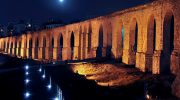
The nymphaeum at Kourion stands as one of the largest fountain complexes in the Roman Mediterranean world. This impressive water structure measured 45 meters long and 15 meters wide at its peak, dominating the northern edge of the city's public forum. Built through four major construction phases between the early first century and the mid-seventh century AD, the nymphaeum served not just as a water source but as a grand architectural statement about Roman power and civilization in Cyprus. Kourion occupied a strategic hilltop position on the southern coast of Cyprus, about 19 kilometers west of modern Limassol. Founded around the 13th century BC by Argive colonists according to tradition, the city controlled fertile valleys and natural harbors. This location brought prosperity through trade in grain, sheep, copper, and agricultural products across the Mediterranean. Before the Romans built aqueducts, Kourion depended largely on stored rainwater collected in numerous bottle-shaped cisterns carved into bedrock. The city and the nearby Sanctuary of Apollo Hylates both lacked natural springs. Residents had to transport water in jars by animal portage from distant sources. As the city grew wealthier and more populous, this system became inadequate. The construction of at least one major aqueduct, possibly followed by a second larger one, solved this problem by bringing water from springs further inland. Historical Background In its…

Read more