Explore Cyprus with Our Interactive Map

Explore our top stories and discover ideas worth your time.

Whispers from the Wild Stalks

Whispers from the Wild Stalks

Imagine wandering through the sun-drenched fields of Cyprus, where a plant towers like a sentinel from ancient myths, its yellow blooms catching the breeze. This article invites you on a gentle journey to discover the giant fennel, a resilient Cypriot native that bridges legends of fire-thieves and hidden fungal treasures, leaving you pondering the quiet wonders hidden in everyday landscapes. A Gentle Giant's Greeting The giant fennel, known scientifically as Ferula communis, is a member of the vast carrot family, Apiaceae, which includes familiar herbs like parsley and dill. It's a perennial plant that dies back each summer only to burst forth anew, standing tall in open meadows and reminding us of nature's enduring cycles in the Mediterranean world. Echoes from Mythical Times In the mists of ancient history, giant fennel played starring roles in Greek legends that echoed across the sea to Cyprus. Prometheus, the daring Titan, famously hid stolen fire from the gods inside its hollow stem to gift humanity warmth and light. Followers of Dionysus, the god of wine and revelry, wielded staffs made from its stalks wrapped in ivy and topped with pine cones as symbols of joy and fertility during ecstatic festivals. On Cyprus itself, historical accounts from 19th-century explorers describe locals crafting stools and decorative items from its sturdy wood, a practice rooted in…

Read more
Maa-Palaiokastro

Maa-Palaiokastro

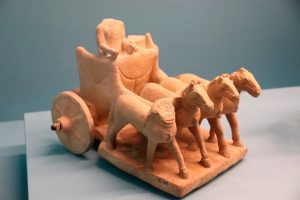
Maa-Palaiokastro is an important site in Cyprus’s history. This Late Bronze Age settlement on the western coast near modern Paphos shows the arrival of Mycenaean Greeks to the island around 1200 BC. Built on a small peninsula and surrounded by strong walls, the site shows how Greek culture began to influence Cyprus during a period of major changes across the eastern Mediterranean. The name "Palaiokastro" means "old castle" in Greek, referring to the large fortification walls that were still visible long after people left the settlement. The site includes the ruins of a small but strategically important community from the late 13th to mid-12th century BC, along with an underground museum built in 1996. The settlement sits on a promontory that sticks out into the Mediterranean, connected to the mainland by a narrow strip of land. Excavations have uncovered houses, public buildings with Aegean-style architecture, and two large defensive walls that protected the settlement from attacks by land or sea. The Historical Context of Maa-Palaiokastro The settlement at Maa-Palaiokastro was built during a very unstable time in the eastern Mediterranean. At the end of the 13th century BC, the major Mycenaean palace centers in mainland Greece, like Mycenae and Pylos, collapsed. Many people left these cities and moved across the eastern Mediterranean looking for new places to live. Some of…

Read more
Whispers from the Sunlit Slopes

Whispers from the Sunlit Slopes

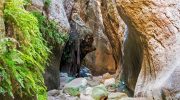
Imagine strolling across a rocky hillside in Cyprus under a clear blue sky, where a shrubby plant releases a warm, woody aroma that hints at ancient potions and savory island dishes. This is sage, a resilient herb that dots the wild landscapes of Cyprus, offering simple wisdom from nature’s own apothecary to those who pause to notice. A Fragrant Shrub in the Mint Family Sage belongs to the genus Salvia in the vast mint family (Lamiaceae), a group of plants known for their square stems and aromatic leaves rich in essential oils. In Cyprus, several wild species grace the landscape, thriving in dry, rocky slopes and maquis vegetation from sea level to the high Troodos peaks. Echoes of Ancient Healers The name Salvia comes from the Latin “salvare” – to save or heal – reflecting its long history as a medicinal plant. In Cyprus, sage has been gathered since prehistoric times. Ancient Greek physicians like Dioscorides praised its wound-healing powers, while it was used in rituals for protection and purification. Over centuries, it became deeply rooted in island folklore as a symbol of longevity and wisdom. Woolly Leaves and Starry Blooms Wild sage in Cyprus typically grows as a low to medium shrub with fuzzy, silvery-green leaves that feel velvety to the touch. When crushed, they release a bold, earthy-camphor…

Read more