The Cyprus Postal Museum houses the island’s complete postal history through stamps, postmarks, and philatelic materials that document communication systems from the 15th century to today.
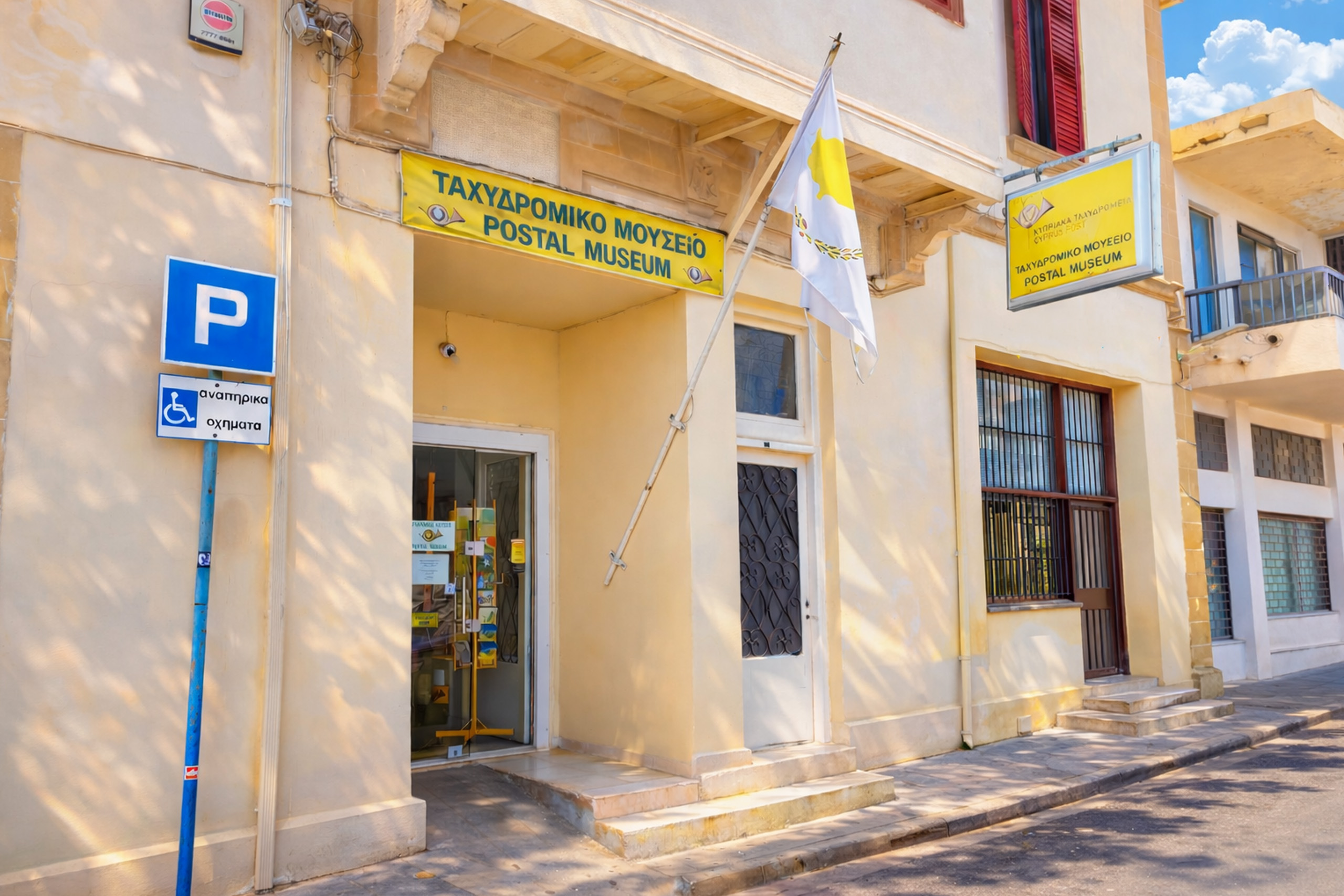
The museum opened in 1981 and occupies the ground floor of a two-story mansion located within Nicosia’s Venetian walls. The building sits in the Laiki Geitonia area at 3B Agiou Savva Street, near the historic churches of Trypiotis and Agios Savvas. The location places visitors in the heart of the old city, where postal services have connected Cyprus to the wider world for centuries.
Historical Background
The museum was established specifically to preserve and display the extensive collection of the Cyprus Post Office. Materials trace postal communications back to the Venetian period of the 15th century, when organized mail services to and from Cyprus began. Under British rule, Austrian postal branches operated in Cyprus, with one opening in Larnaca in 1864. Various international postal services functioned on the island before the modern system developed.
The main exhibition hall focuses on the British Rule period, which shaped Cyprus’s modern postal infrastructure. The oldest stamps in the collection feature Queen Victoria’s portrait overprinted with the word CYPRUS. British stamps were used initially after Britain took control in 1878, with the first overprinted versions appearing in 1880. Between 1880 and 1888, approximately 1,159,000 stamps were issued under Queen Victoria’s portrait.
The first specifically Cypriot stamp series appeared on February 1, 1928, marking the 50th anniversary of the British government in Cyprus. This series depicted historic sites and significant figures from the island’s history rather than just British royalty. The 1928 series represents a shift toward stamps that reflected local heritage and identity. Throughout all years of British administration, inscriptions on stamps and overprints remained exclusively in English.
First-day-of-issue envelopes and stamps from the Republic of Cyprus era starting in 1960 occupy separate exhibition spaces. These materials showcase Cyprus’s independent postal system and feature designs highlighting historical dates, prominent figures, cultural elements, tourist attractions, and monuments. The stamps serve as miniature documents of the island’s contributions to civilization.
What Visitors Can See
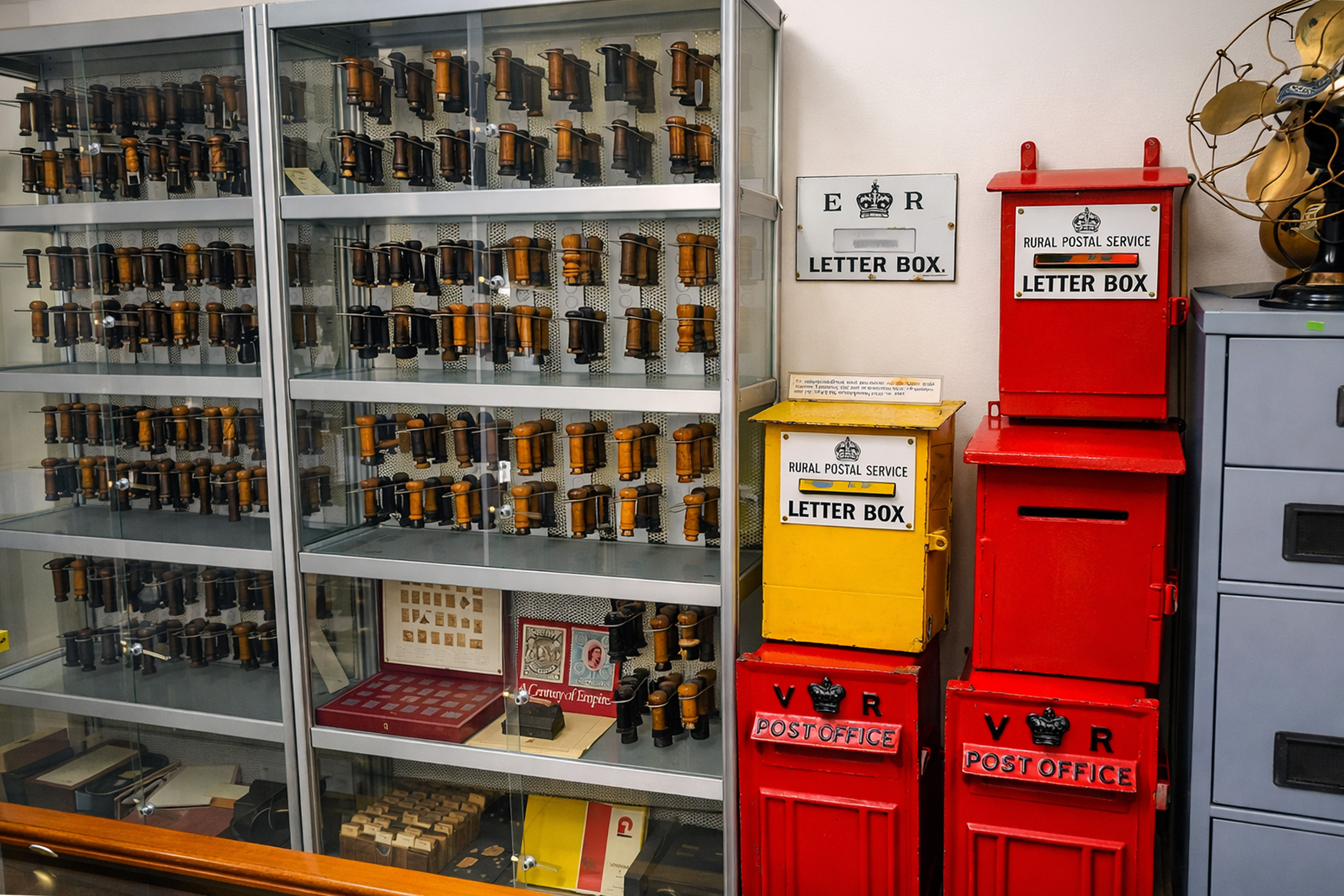
The museum displays postage stamps, postal stationery, date stamps, envelopes, labels, forms, mailboxes, and uniforms across its chronologically organized halls. Collections include stamp specimens, air letters, insured mail envelopes, newspaper wrappers, magazine wrappers, and prepaid response postcards. The variety of items shows how different types of mail were processed and delivered throughout different historical periods.
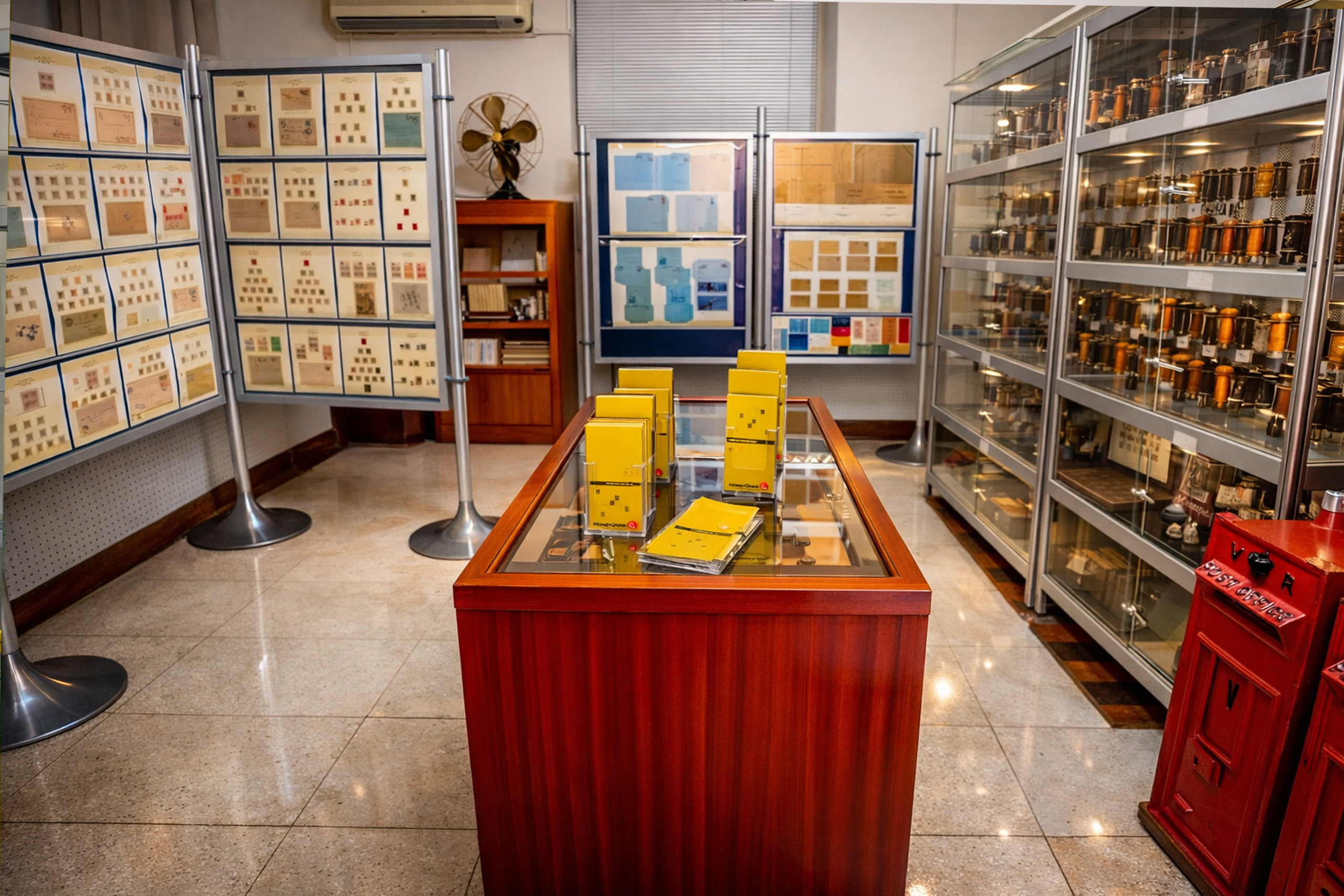
Rural postmarks covering the island’s complete postal history make up a remarkable portion of the collection. Special seals for insured letters, urban post office postmarks, and postmarks from English military camps demonstrate the wide network of postal services across Cyprus. Visitors can examine how letters and mail bags were secured over time, starting with traditional sealing wax and progressing to mechanical devices.
Various weighing scales used for postal purposes are on display, along with philatelic books and magazines. The museum curator, Ploutis Loizou, is a recognized philatelist in Cyprus who authored the reference work “Cypriot Stamps: 1880-2004” published in both Greek and English. This book is available at the museum for purchase.
The museum also documents postal innovations in Cyprus, including the first overprint made in 1882 and the most recent from 1995 for the international exhibition “Cyprus – Europhilex ’95” held in Nicosia. An archive of scientific publications devoted to philately and stamp history provides resources for serious collectors and researchers.
Educational Value and Personal Service
Museum staff members provide knowledgeable guidance through the collection and answer questions about Cyprus’s postal history. Visitors frequently receive small gifts of stamps from the staff, continuing a tradition of sharing philatelic materials with interested guests. This personal touch has earned the museum positive feedback, with one student visitor noting it was “the only museum where I did not feel bored.”
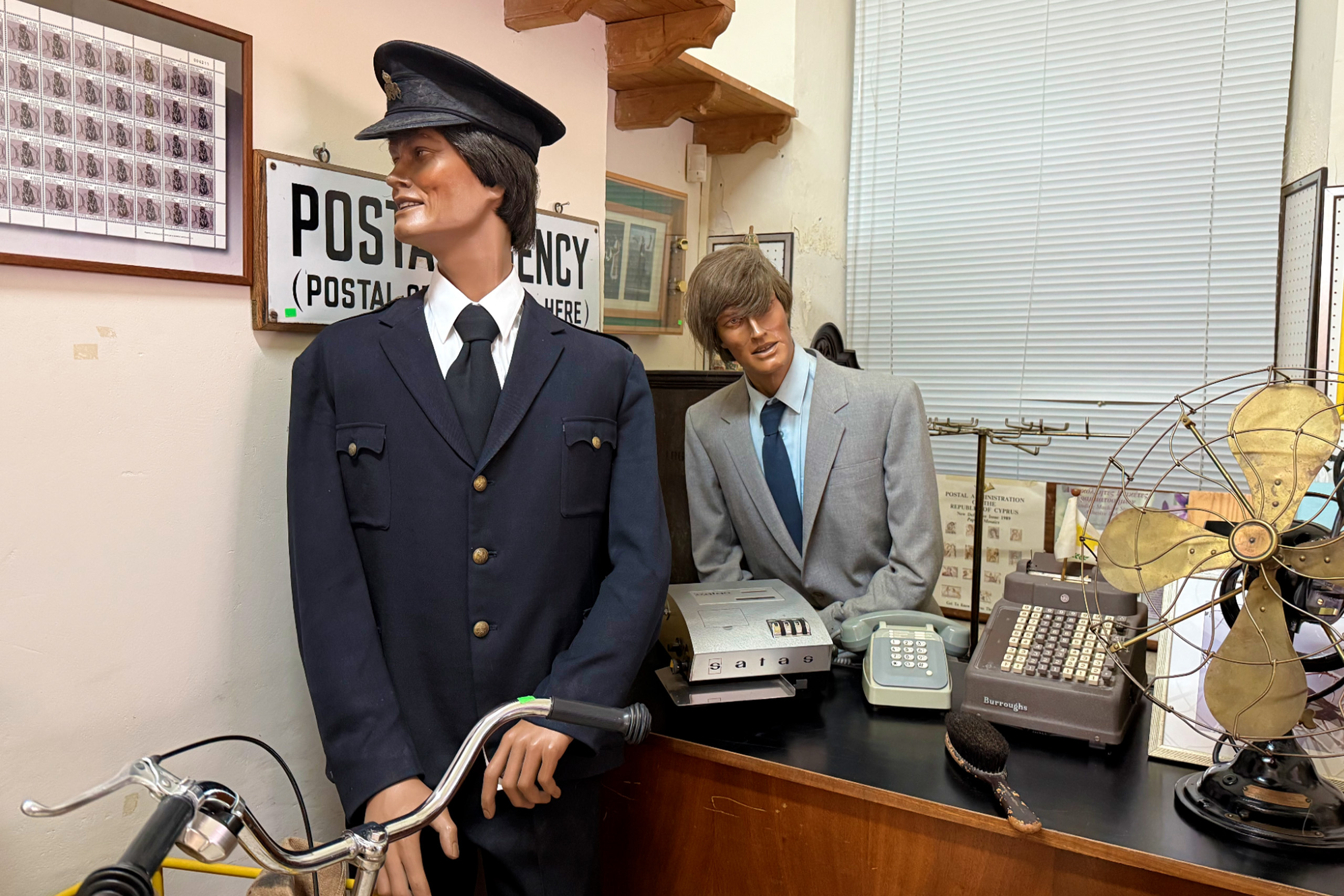
The museum serves educational purposes beyond simple display. Through stamps, albums, and related materials, visitors can study the historical development of Cyprus, its significant figures, culture, tourist sites, and monuments. Each stamp series responds to the political, cultural, and social contexts of its time, making philately a window into social history rather than just a collecting hobby.
Wedding stamps show marriage customs, architectural stamps document heritage sites, and commemorative issues mark important national events. The evolution from overprinted British stamps to distinctly Cypriot designs mirrors the island’s journey toward independence and self-governance.
Practical Information for Visitors
The museum offers free admission to all visitors. Operating hours are Monday through Friday from 9:00 to 15:00, and Saturday from 9:00 to 13:00. The museum remains closed on Sundays and public holidays, though it can open for groups with advance notice. Contact numbers are +357 22 304 711 and +357 22 760 522.
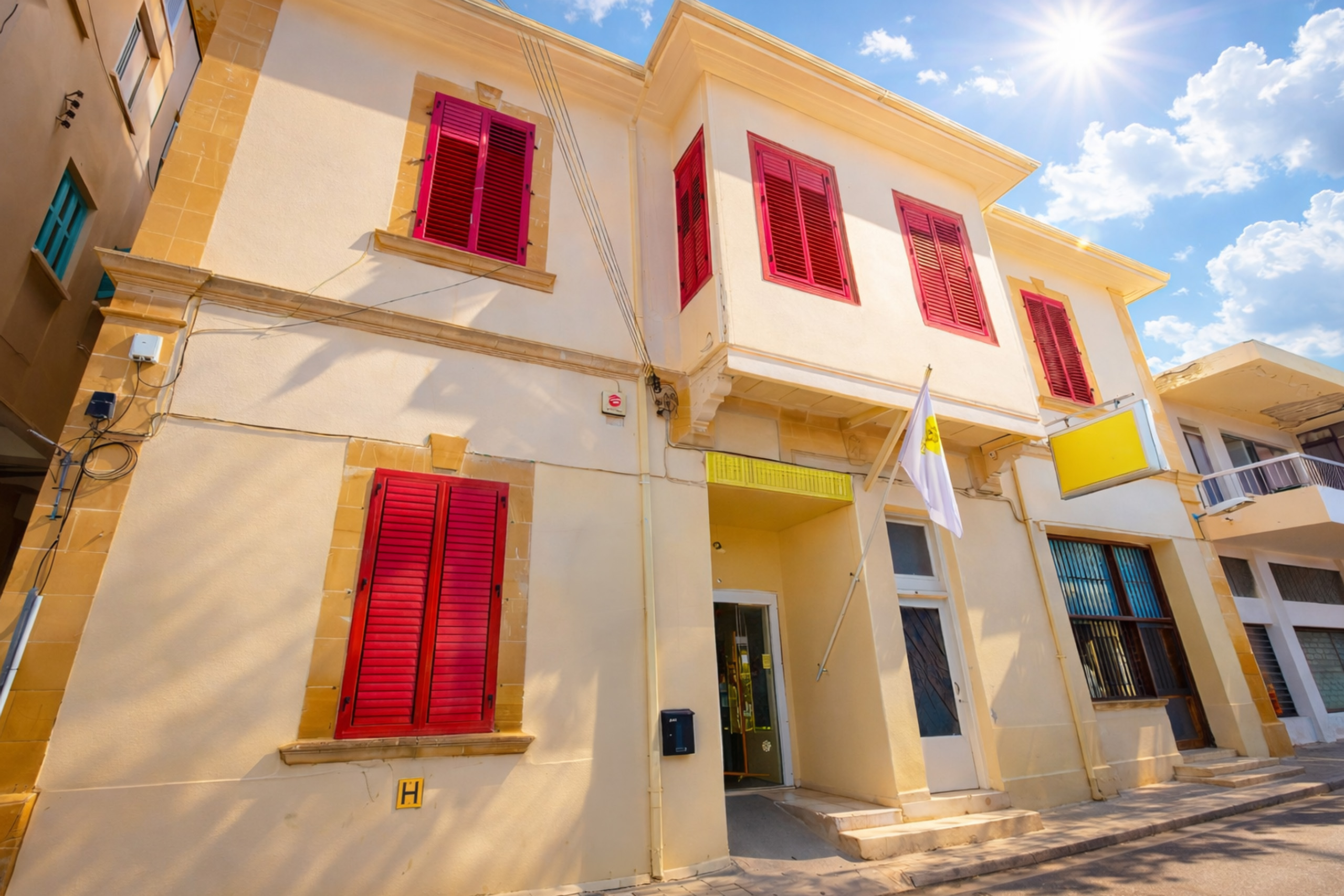
A typical visit takes one to two hours for general visitors, though philatelists and stamp collectors often spend more time examining the detailed collections. The compact size makes it accessible even for those with limited time in Nicosia. The museum’s central location in the old town allows visitors to combine it with other nearby historical and cultural sites.
Why This Collection Matters
The Cyprus Postal Museum preserves more than decorative stamps and postal equipment. It documents how Cyprus connected with international networks during periods of foreign administration, political change, and eventual independence. Postal services facilitated trade, enabled personal correspondence, and served administrative functions essential to organized society.
The collection shows how communication technologies evolved on the island from handwritten letters sealed with wax to printed stamps and organized delivery systems. These changes reflect broader modernization processes that transformed Cyprus in the 19th and 20th centuries. For an island that experienced multiple rulers and significant political transitions, the postal museum offers tangible evidence of continuity and change.
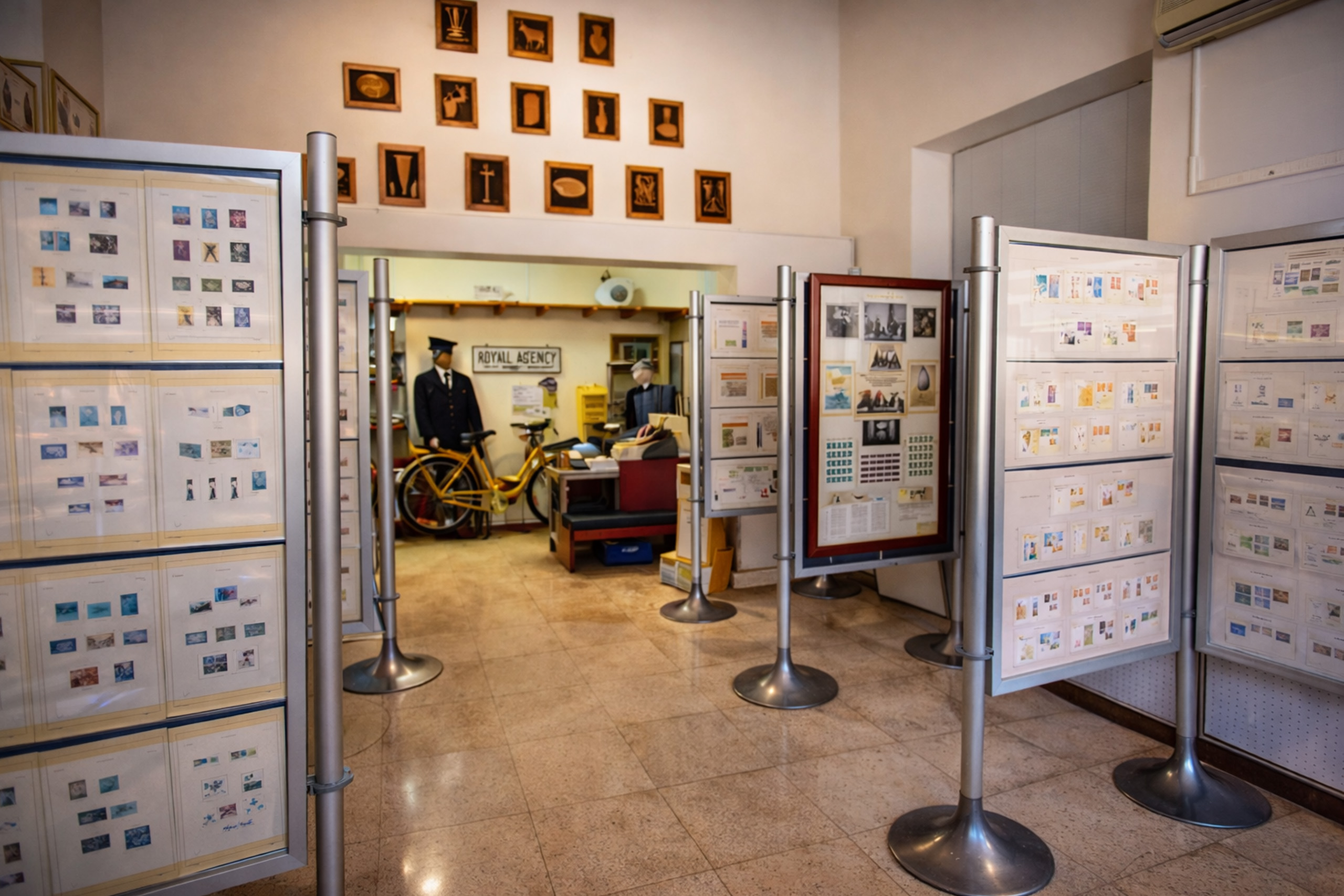
The stamps themselves serve as historical documents, reflecting Cyprus’s position in the Mediterranean and its connections to Britain, Greece, Turkey, and other nations. They capture moments in time, commemorate important events, and celebrate cultural achievements. Through these small printed papers, the museum tells the larger story of how Cyprus communicated with the world and how the island’s identity evolved through different historical periods.