Explore Cyprus with Our Interactive Map

Explore our top stories and discover ideas worth your time.

Modern Naval Heritage & Maritime Identity

Modern Naval Heritage & Maritime Identity

Cyprus has never treated the sea as a boundary. For centuries, its coastline functioned as a working edge where trade, defense, administration, and daily life met. In the modern period, this relationship was shaped most clearly by two naval powers: the Ottoman Empire and the British Empire. Their presence did not simply leave behind forts and harbors. It reshaped how the island was governed, how its ports functioned, and how Cypriots understood their place within the wider Mediterranean world. This article explores how Ottoman and British naval priorities transformed Cyprus from a regional outpost into a strategic maritime asset, and why that legacy still defines the island’s identity today. An Island Positioned to Be Watched Cyprus sits at a crossroads of the eastern Mediterranean, close enough to Anatolia, the Levant, and Egypt to matter to every power operating in the region. This geography made neutrality impossible. Control of Cyprus meant visibility over key sea lanes, access to sheltered anchorages, and influence across multiple trading and military routes. Rather than isolating the island, the sea connected it outward. Cyprus became valuable not for its interior alone, but for how its coastline could support movement, surveillance, and supply. This strategic reality explains why naval priorities repeatedly shaped the island’s administration. What “Modern Naval Heritage” Really Means When discussing naval heritage in Cyprus,…

Read more
Traditional Cypriot Souvla

Traditional Cypriot Souvla

Souvla is a traditional Cypriot dish made with large chunks of meat slow-roasted on long metal skewers over charcoal. The name comes from the Greek word for skewer. The meat is cut into fist-sized pieces, often kept on the bone, and cooked on a rotisserie grill called a foukou. The cooking process takes between 90 minutes and three hours, depending on the meat type and fire intensity. Souvla uses lamb, pork, or chicken, with lamb being the most traditional choice for major celebrations. Ancient Roots and Cultural Development The tradition of cooking meat on skewers in Cyprus dates back to ancient times. Archaeological evidence from the Bronze Age shows that Greeks were already using grilling racks for skewered meat before the 17th century BC. Homer mentioned meat roasted on spits in the Iliad, and later Greek writers including Aristophanes and Xenophon documented similar cooking methods. Over centuries, this ancient practice evolved into the souvla tradition that Cypriots now associate with family gatherings and religious holidays. The dish became particularly linked with Easter celebrations, where lamb souvla serves as the centerpiece of the post-Lenten feast. By the late 20th century, souvla had become such a central part of Cypriot culture that it transformed from occasional celebratory food into a regular weekend ritual. Characteristics That Define Souvla The defining feature of souvla…

Read more
Lavender in Cyprus

Lavender in Cyprus

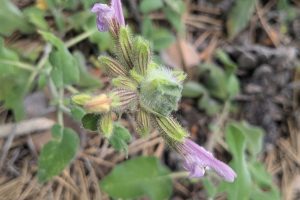
Imagine strolling through the sun-drenched hills of Cyprus, where a sea of vibrant purple blooms dances in the breeze, releasing a soothing aroma that calms the soul. This is the world of lavender, a plant that has woven itself into the island's fabric for centuries. Join me as we uncover its gentle secrets, from ancient remedies to modern-day delights, and discover why this humble herb continues to enchant. A Fragrant Introduction to Lavender Lavender, known scientifically as Lavandula stoechas – a member of the Lamiaceae family, which includes other aromatic favorites like mint and rosemary – is a perennial shrub that thrives in the Mediterranean's rocky, sun-baked soils. It's not just a pretty face; this plant is a survivor, adapted to dry climates where it stores essential oils to deter pests and retain moisture. In broader terms, lavender belongs to the mint family, a group renowned for their square stems and fragrant leaves, helping us see it as part of a vast botanical network of healers and flavor enhancers across the globe. Roots in Time: Lavender's Ancient Cypriot Tale Lavender's story in Cyprus stretches back to antiquity, intertwined with the island's rich human history. Archaeological digs in sites like ancient Salamis reveal traces of similar aromatic herbs used in rituals and daily life by the Mycenaeans around 1200 BC. In…

Read more