Cyprus Material Symbolism Traditions
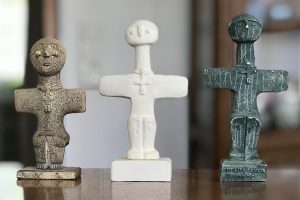
Material Symbolism (Stone, Bronze, Gold, Glass) in ancient Cypriot art reflected deliberate choices where each substance carried layers of spiritual, social, and economic significance. Stone embodied enduring strength drawn from the island's landscape, bronze represented transformation and resilience, gold signified divine favor and elite status, and glass evoked wonder through its luminous qualities. This intentional selection transformed artifacts into carriers of meaning, highlighting how materials conveyed broader cultural values in a society shaped by trade, ritual, and belief. Materials as Carriers of Cultural Meaning Ancient Cypriot art utilized materials not merely for their practical properties but as elements infused with symbolism. Stone, bronze, gold, and glass each evoked specific associations, drawn from the island's natural resources and imported influences. Stone's durability suggested permanence and connection to the earth, bronze's forged nature symbolized human mastery over elements, gold's rarity and luster implied celestial or royal authority, and glass's translucence hinted at ethereal mystery. These choices formed a visual language that intertwined spiritual beliefs with social hierarchies and economic realities, evident across artifacts from domestic items to temple offerings. Historical Development of Material Use The symbolic role of materials in Cypriot art emerged in prehistoric periods, around 8000 BC during the Neolithic era, when local stones and clays were shaped into basic figurines. By the Bronze Age, beginning approximately 2500 BC, the…
Read more