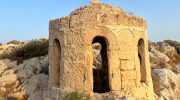
Hidden among Cyprus’s mountains and remote valleys are monastic complexes that have survived earthquakes, invasions, and centuries of political change. These sites are far more than impressive historic buildings. For over 1,500 years, they have served as centers of education, healthcare, manuscript preservation, agriculture, and community support.
Within their stone walls, visitors encounter centuries of Cypriot history, art, architecture, and cultural traditions. These institutions played a major role in preserving language, knowledge, and local customs through some of the island’s most challenging periods.
Places of Learning and Community Support
Cypriot monasteries are self-contained communities traditionally inhabited by monks or nuns who followed structured daily routines involving study, work, and communal activities. Unlike parish churches that primarily served nearby villages, monasteries often developed into major social and economic centers.
They educated children when formal schools were scarce, cared for the sick before modern hospitals existed, preserved manuscripts and records, and offered shelter during periods of unrest.
The mountains and remote valleys of Cyprus provided ideal locations for these communities. Many were established near springs, caves, forests, and defensible terrain. Their locations offered privacy while maintaining connections to surrounding settlements.
Historical Development
Monastic communities emerged in Cyprus during the 4th century AD as new religious traditions spread across the eastern Mediterranean. Over time, hermits and religious communities settled in the Troodos Mountains and other isolated regions of the island.
As Cyprus passed through Byzantine, Frankish, Venetian, Ottoman, and British periods, monasteries evolved into multifunctional institutions. They managed agricultural estates, operated centers of learning, preserved manuscripts, maintained libraries, and contributed to local healthcare through traditional herbal knowledge.
Many monasteries were founded around caves, springs, or the dwellings of respected historical figures whose reputations attracted followers. Kykkos Monastery, for example, was established in the 11th century and became one of the island’s most influential monastic centers. Saint Neophytos Monastery developed around a cave dwelling created by the scholar and hermit Neophytos in the 12th century.

During periods of conflict, some monasteries sheltered civilians and occasionally served as places of refuge. Their long-term survival through political and military upheaval made them important symbols of continuity within Cypriot society.
Architecture and Monastic Life
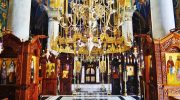
Cypriot monasteries are often located in dramatic natural settings such as mountain slopes, forest valleys, cliffs, and spring-fed landscapes. Their architecture combines local building traditions with Byzantine influences. Common features include domed churches, enclosed courtyards, arched walkways, stone walls, wooden balconies, and red-tiled roofs.
A typical monastery complex included residential quarters, kitchens, dining halls, guest accommodations, workshops, storage facilities, gardens, wells, and sometimes mills or wine presses. These features allowed monasteries to function as largely self-sufficient communities.
Daily life traditionally followed a structured schedule that included study, agriculture, maintenance work, hospitality, and communal gatherings. This organization enabled monasteries to remain economically sustainable while preserving cultural and intellectual traditions.
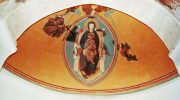
The interiors of monastery churches often contain icons, frescoes, mosaics, and decorative artwork depicting scenes from religious literature and historical traditions. Beyond their religious significance, these works represent some of Cyprus’s most important artistic and cultural achievements.
Notable Historical Traditions
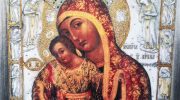
Ancient Icons – Several monasteries preserve icons traditionally associated with early historical figures. While many such traditions cannot be verified through modern historical methods, they remain important elements of local heritage.
Rock-Cut Churches – Saint Neophytos Monastery contains chapels and chambers carved directly into a cliff face during the 12th century. These spaces preserve remarkable examples of medieval wall paintings.
Local Traditions and Pilgrimage – Some monasteries are associated with longstanding local customs and traditions that continue to attract visitors from Cyprus and abroad.
Wine Production – Monasteries such as Panagia Chrysorrogiatissa have maintained vineyards and wine-making traditions for centuries, contributing to local agricultural heritage.
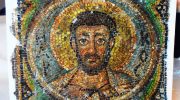
Recovered Cultural Treasures – Panagia Kanakaria became internationally known after several early Byzantine mosaics were stolen during the events surrounding 1974 and later recovered through legal efforts.
Role in Political History – Certain monasteries, including Machairas, became associated with anti-colonial movements during the British administration period, giving them historical significance beyond their religious functions.
Hermit Traditions – Some individuals chose to live in near-isolation in caves or remote locations associated with monasteries, reflecting longstanding traditions of solitary living and contemplation.
Economic and Social Influence
Monasteries were often major landowners, managing vineyards, olive groves, orchards, and agricultural estates. Their resources allowed them to support local communities during difficult times and contribute to regional economic activity.

During Ottoman rule, many monasteries enjoyed varying degrees of administrative autonomy and acted as intermediaries between local populations and governing authorities.
Villages frequently relied on monasteries for education, mediation, healthcare assistance, and social support. Workshops within monasteries trained artists, builders, manuscript copyists, embroiderers, and craftsmen, helping preserve traditional skills.
Monastic gardens supplied medicinal herbs, food crops, grapes, and aromatic plants. Knowledge of local flora accumulated over generations and contributed to traditional practices in healthcare and agriculture.
Living Heritage
Unlike many monastic sites elsewhere in Europe that function primarily as museums, numerous monasteries in Cyprus remain active institutions while also serving as important cultural and historical landmarks.
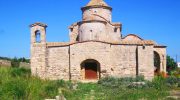
They continue to host visitors, preserve archives, maintain historic buildings, and safeguard artistic treasures. Their collections include manuscripts, icons, frescoes, textiles, and artifacts that document centuries of Cypriot history.
Today, monasteries face challenges including aging resident populations, conservation costs, and balancing visitor access with preservation needs. Many support maintenance efforts through museums, educational programs, agricultural products, and cultural activities.
Notable Monasteries to Visit
Kykkos Monastery – One of Cyprus’s most influential monasteries, known for its museum, decorative interiors, and extensive historical collections.
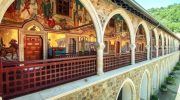
Machairas Monastery – A mountain monastery closely connected with modern Cypriot history and the independence movement.

Saint Neophytos Monastery – Famous for its rock-cut chambers and exceptionally preserved medieval wall paintings.
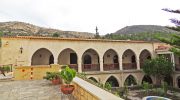
Trooditissa Monastery – Located within a forested landscape and closely linked to local traditions and village life.

Panagia Chrysorrogiatissa Monastery – Known for its vineyards, wine production, and peaceful rural setting.

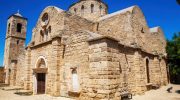
Saint Barnabas Monastery – Located near Famagusta, this historic complex contains archaeological remains and museum exhibits illustrating Cyprus’s early religious history.
Why These Sites Matter
The monasteries of Cyprus are far more than historic religious buildings. They are repositories of art, architecture, literature, education, agriculture, and community history. Through centuries of political change, they preserved manuscripts, artistic traditions, local knowledge, and cultural identity.
Set among mountains, forests, and valleys, these remarkable institutions provide insight into how generations of Cypriots lived, learned, worked, and organized their communities. Today, they remain valuable historical landmarks that connect visitors with more than fifteen centuries of the island’s cultural heritage.