Explore Cyprus with Our Interactive Map

Explore our top stories and discover ideas worth your time.

Gilthead Sea Bream of Cyprus

Gilthead Sea Bream of Cyprus

There is a fish in the warm blue waters surrounding Cyprus that wears a golden crown – quite literally. It is one of the most prized fish of the Mediterranean world, celebrated at Roman banquets, immortalised in ancient mosaics, and farmed today in the crystal-clear seas off the Cypriot coast. Meet the Gilthead Sea Bream – beautiful, clever, and surprisingly full of surprises. Of Porgies and Sparidae – A Royal Family The Gilthead Sea Bream, known in Cyprus as tsipoura (τσιπούρα), belongs to the family Sparidae – the sea breams and porgies – one of the most ecologically and commercially important fish families in the Mediterranean. The Sparidae are a diverse and ancient family within the order Spariformes, comprising over 130 species spread across tropical and temperate seas worldwide. They include familiar Mediterranean fish such as the common pandora, the two-banded bream, the dentex, and the red porgy – all sharing a deep, compressed body and strong crushing teeth suited for hard-shelled prey. But among them all, the Gilthead Sea Bream holds a singular distinction: it is the only species in the genus Sparus – a genus so important that it gave the entire family its name. Sparus comes from the Latin (originally from ancient Greek) for the fish itself, and aurata means "golden" – a reference to that unmistakable…

Read more
Eco-Tourism in Cyprus Protected Areas

Eco-Tourism in Cyprus Protected Areas

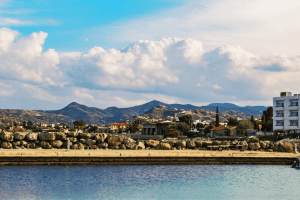
Eco-tourism in Cyprus has emerged as a significant alternative to traditional beach-centered tourism, with the Akamas Peninsula and Troodos National Forest Park serving as the island's two premier protected natural areas. These regions represent Cyprus's commitment to balancing environmental conservation with responsible tourism development. Together, they encompass diverse ecosystems ranging from coastal landscapes to mountain forests, each offering visitors opportunities to experience the island's biodiversity while supporting preservation efforts. Cyprus ranks among the top five European Union countries in terms of land area covered by the Natura 2000 network, with 28.8% of the island designated as protected territory. This extensive network includes 63 marine and terrestrial sites covering approximately 1,789 square kilometers. The Akamas Peninsula and Troodos National Forest Park stand as the largest and most visited of these protected areas, attracting both international travelers and local residents seeking natural experiences. Development of Protected Area Tourism in Cyprus The concept of protected areas in Cyprus developed gradually through the 20th century. Until 2000, the Akamas Peninsula remained under British military use as an exercise and firing range. Following the Treaty of Establishment, which allowed British forces use of the area for up to 70 days annually, the peninsula's ecological value became increasingly recognized. Environmental organizations, including the Green Party of Cyprus, Greenpeace, and Friends of the Earth, began advocating for…

Read more
Best Villages to Visit in Cyprus

Best Villages to Visit in Cyprus

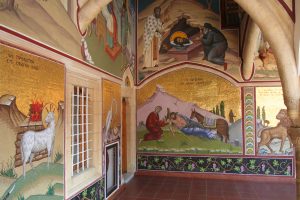
Cyprus villages offer something that coastal resorts cannot provide: the authentic rhythm of island life unchanged over centuries. Stone houses, narrow cobbled streets, old churches, local tavernas, and village squares where elderly men sip coffee define these settlements. Most sit within the Troodos mountain range or on its foothills, where cooler temperatures and fertile land shaped communities for millennia. Unlike sanitized tourist attractions, these villages remain lived in places where generations of the same families have stayed. Each settlement carries its own character, from lace making Lefkara to wine country Omodos to the perfectly preserved ghost village of Fikardou. A visit to even one of these places reveals more about Cyprus than a week spent on any beach. Lefkara and the lace that reached Leonardo da Vinci Lefkara divides into upper Lefkara and lower Lefkara, both offering stone architecture and peaceful streets on the southern slopes of the Troodos Mountains. The name combines the Greek words lefka meaning white and ori meaning hills. The village is internationally famous for lefkaritika, intricate handmade lace with patterns inspired by nature and environment. Local women sit outside their homes working these patterns using techniques passed through generations, a sight that has remained unchanged for centuries. Historical accounts claim Leonardo da Vinci visited Lefkara in 1481 to purchase a tablecloth for Milan Cathedral, though…

Read more