All Articles

Tsiattista

Tsiattista

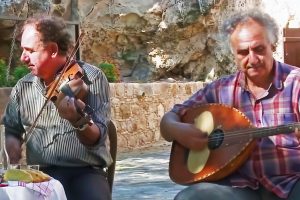
Tsiattista is a form of improvised vocal poetry unique to Cyprus, where performers engage in competitive exchanges of sung verses, demonstrating quick wit, strong memory, and mastery of language. This tradition, central to social gatherings and celebrations, involves rhymed couplets improvised on the spot, often touching on love, humor, or daily life. Recognized by UNESCO as intangible cultural heritage in 2011, tsiattista preserves ancient poetic roots while adapting to contemporary expression, leaving a sense of admiration for its lively, spontaneous nature. A Timeless Tradition of Wit and Song Tsiattista embodies Cyprus's rich oral heritage, a practice where two or more singers alternate verses in a rhythmic duel, crafting poetry from the moment's inspiration. Rooted in the island's multilingual history, it…

Read more
Vavla Village

Vavla Village

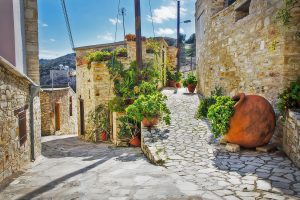
Vavla is a small mountain village situated in the Larnaca district of Cyprus, approximately 38 kilometers west of Larnaca city and 450 meters above sea level. The village lies in the foothills of the Troodos mountains, positioned between the major cities of Larnaca, Limassol, and Nicosia, each within 25 to 40 minutes by car. With fewer than 100 permanent residents, Vavla has been officially declared a Preserved Village by the Cyprus authorities due to its traditional white stone architecture built from local Lefkara limestone. The village stands on the geological boundary between Lefkara limestone formations and the volcanic earth of Troodos, creating a unique microclimate that supports rich vegetation, including three rare species and 18 endemic plant varieties. Historical Origins…

Read more
Vouni Palace in Cyprus

Vouni Palace in Cyprus

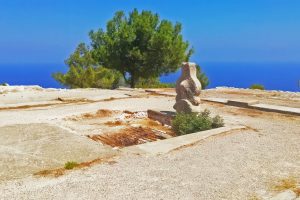
Perched on a rocky hilltop 250 meters above the Mediterranean Sea, the ruins of Vouni Palace stand as a remarkable architectural anomaly in ancient Cyprus. This site represents the only known example of Persian palace design not just on the island but throughout the entire eastern Mediterranean, built during one of history's most intense power struggles between two great civilizations. Historical Background Around 500 BC, Cyprus found itself caught in the crossfire of the great wars between the Persian Empire and the Greek city-states. The island's ten kingdoms split into opposing camps, with some supporting the Persians and others backing the Greeks. This division led to bitter conflicts across Cyprus, on both land and sea. The ancient city of Soli,…

Read more
Music in Cyprus Weddings And Festivals

Music in Cyprus Weddings And Festivals

Cyprus uses music as a social "signal system" that marks life transitions and pulls communities into the same emotional rhythm, from weddings and baptisms to village saint festivals. Across many Greek Cypriot celebrations, the violin (violi) and laouto form the classic duo, while Turkish Cypriot traditions often foreground the oud and, in outdoor festivities, the powerful davul and zurna pairing. Religious settings shift the sound world. Orthodox ceremonies are shaped by Byzantine chant, while Turkish Cypriot gatherings may include Mevlit recitations that bring blessings to the home. Modern Cyprus is increasingly hybrid: live musicians for key rituals, then DJs for late-night receptions, especially in urban venues. When music is not the background, but permission In Cyprus, music is rarely a…

Read more
Wild Sage in Cyprus

Wild Sage in Cyprus

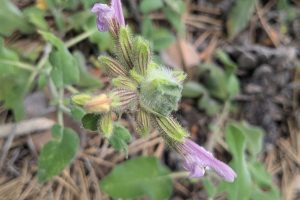
Imagine strolling across a rocky hillside in Cyprus under a clear blue sky, where a shrubby plant releases a warm, woody aroma that hints at ancient potions and savory island dishes. This is sage, a resilient herb that dots the wild landscapes of Cyprus, offering simple wisdom from nature’s own apothecary to those who pause to notice. A Fragrant Shrub in the Mint Family Sage belongs to the genus Salvia in the vast mint family (Lamiaceae), a group of plants known for their square stems and aromatic leaves rich in essential oils. In Cyprus, several wild species grace the landscape, thriving in dry, rocky slopes and maquis vegetation from sea level to the high Troodos peaks. Echoes of Ancient Healers…

Read more
Wild fennel

Wild fennel

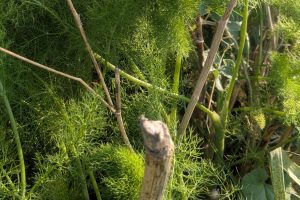
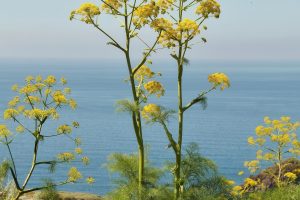
Imagine wandering through the sun-drenched hills of Cyprus, where a tall, feathery plant sways gently in the breeze, releasing a sweet, licorice-like aroma that hints at ancient secrets. This is wild fennel, a humble herb that has flavored Cypriot life for millennia, blending culinary delight with healing wisdom. But what tales does this unassuming plant hold, and why does it thrive so vibrantly on this island paradise? A Fragrant Member of the Carrot Clan Wild fennel, known scientifically as Foeniculum vulgare, belongs to the Apiaceae family – a vast group that includes everyday favorites like carrots, parsley, and dill. This broader taxonomy places it among plants celebrated for their aromatic seeds and leaves, which have sustained Mediterranean communities for generations.…

Read more
Jacaranda Plant In Cyprus

Jacaranda Plant In Cyprus

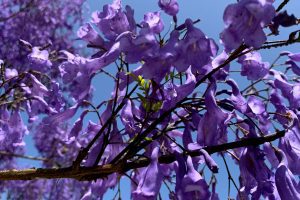
Drive through the avenues of Limassol or Nicosia in late April and you may feel you have stepped into a dream: entire streets and parks vanish beneath a shimmering canopy of lavender-blue. The source of this magic? The jacaranda – a South-American beauty whose clouds of trumpet-shaped flowers turn ordinary city corners into places of pure wonder every spring. The Trumpet-Tree Family Jacaranda belongs to the Bignoniaceae family the same group that gives us the African tulip tree and the catalpa. This family is famous for its showy, tubular flowers and woody pods. The genus Jacaranda contains about 49 species, nearly all native to tropical and subtropical South America. In Cyprus the star is Jacaranda mimosifolia, the blue jacaranda, sometimes…

Read more
Golden Wreath Wattle in Cyprus

Golden Wreath Wattle in Cyprus

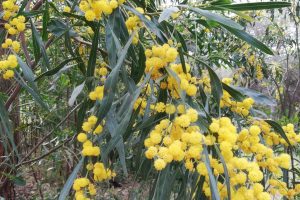
Picture a roadside verge or coastal slope in late February, when the Mediterranean light turns sharp and warm. Suddenly, whole thickets explode into vivid, butter-yellow spheres that light up the landscape like thousands of tiny suns. These are the wattles of Cyprus Australian guests that arrived with good intentions but have written their own lively, sometimes challenging chapter in the island’s green story. Wattles in the World of Legumes Wattles belong to the enormous Acacia genus within the Fabaceae (legume) family – the same botanical clan as peas, beans, carobs and acacias of the ancient world. Most of the 1,000-plus Acacia species are native to Australia, where they are proudly called “wattles”. In Cyprus the star of the show is…

Read more
Giant Fennel

Giant Fennel

Imagine wandering through the sun-drenched fields of Cyprus, where a plant towers like a sentinel from ancient myths, its yellow blooms catching the breeze. This article invites you on a gentle journey to discover the giant fennel, a resilient Cypriot native that bridges legends of fire-thieves and hidden fungal treasures, leaving you pondering the quiet wonders hidden in everyday landscapes. A Gentle Giant's Greeting The giant fennel, known scientifically as Ferula communis, is a member of the vast carrot family, Apiaceae, which includes familiar herbs like parsley and dill. It's a perennial plant that dies back each summer only to burst forth anew, standing tall in open meadows and reminding us of nature's enduring cycles in the Mediterranean world. Echoes…

Read more