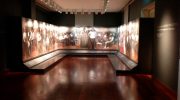
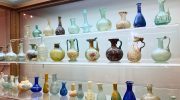
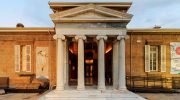
The Larnaca District Archaeological Museum houses discoveries from one of Cyprus’s most important ancient port cities. The museum was inaugurated in 1969 and underwent major renovation in 2022, emerging with two new wings organized thematically. The collection showcases finds from the ancient city kingdom of Kition and major Neolithic settlements including Choirokoitia and Tenta Kalavasos.
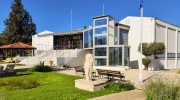
Located just 100 meters from the Kition Bamboula archaeological site, the museum serves as an essential introduction to understanding Larnaca’s 11,000 year history as a coastal trading center. The exhibits span from 8000 BC through the Roman period, demonstrating how Larnaca participated in Mediterranean wide trade networks while developing distinct local culture. Entry is free, making the museum accessible to all visitors regardless of budget.
- Bronze Age Kition Ruled Copper Trade
- Evidence of Ancient Trade Networks
- The Museum's Two Thematic Wings
- Iron Age Glory and Religious Sanctuaries
- Sargon's Stele Marks Assyrian Conquest
- Recent Renovation Creates Modern Displays
- A Free Museum Next to Active Excavations
- Why This Collection Matters to Understanding Cyprus
Bronze Age Kition Ruled Copper Trade
Kition emerged as one of Cyprus’s most powerful city kingdoms during the Bronze Age due to its control of copper resources and strategic harbor. The city exported copper throughout the Mediterranean, establishing commercial ties with Egypt, the Levant, Mycenaean Greece, and Anatolia. Archaeological evidence shows that Kition maintained extensive trade connections, importing luxury goods in exchange for Cyprus’s prized copper.
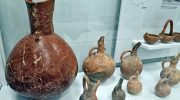
The museum displays pottery, tools, and weapons that demonstrate sophisticated Bronze Age metalworking techniques. A faience scepter bearing the cartouche of Pharaoh Horemheb proves direct contact with Egypt’s New Kingdom. Mycenaean pottery including jugs, stemmed kylikes, amphorae, bowls and pyxides shows cultural exchange with mainland Greece. The museum’s collection includes items from Pyla, Tersefanou, Kalavasos and Hala Sultan Tekke, major Bronze Age sites in the Larnaca district. These artifacts document how Kition became wealthy and powerful through maritime commerce.
Evidence of Ancient Trade Networks
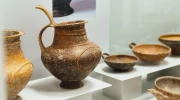
The museum proudly displays exceptional objects originating from Egypt, Mycenae, Phoenicia, Assyria, and Persia that were discovered in the Larnaca region. These imported items provide tangible evidence of trade and interaction with great civilizations that surrounded Cyprus. Faience pieces, ivory carvings, and alabaster vessels showcase Cyprus’s commercial and international ties during antiquity.
An opium pipe demonstrates that Cypriots participated in drug trade networks that extended across the eastern Mediterranean. The variety of imported goods shows that Kition was not an isolated outpost but rather a cosmopolitan port where merchants from multiple cultures conducted business. Egyptian scarabs, Phoenician glassware, and Persian metalwork all appear in the collection. These foreign artifacts reveal the extent of Kition’s maritime connections and demonstrate how Cyprus served as a crossroads where cultures met and exchanged both goods and ideas.
The Museum’s Two Thematic Wings
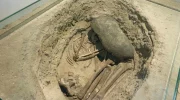
Wing I follows a chronological path from 8000 BC until the 12th century BC, with exhibits enriched by new findings from recent excavations. Room I presents artifacts from the Neolithic and Chalcolithic periods, including bone tools, flint knives, and exquisite jewelry made from picrolite and dentalia excavated from Choirokoitia. One of the most intriguing exhibits shows remains of a Neolithic inhabitant displayed in contracted fetal position with a heavy millstone placed on the chest and head, reflecting ancient burial practices and beliefs about the afterlife.
The room also features stone vessels, idols, comb ceramics, pottery shards and deer antlers providing evidence of fauna present in ancient Cyprus. From the Chalcolithic period, visitors see spouted bowls, cooking vessels, and a limestone figurine shaped in human form. The pottery collection includes Red Polished I, II, III and Black Polished vessels offering glimpses into artistic and utilitarian creations of the time.
Iron Age Glory and Religious Sanctuaries
Wing II dedicates itself to the Iron Age and includes four rooms. The first room presents exhibits narrating the dynamism of ancient Kition during its peak as a city kingdom. The second room focuses on sanctuaries of Mesaoria where life sized limestone sculptures and terracotta figurines demonstrate religious practices. Room III captivates visitors with figurines and funerary art from the Cypro Geometric and Cypro Archaic periods through early phases of the Classical era.
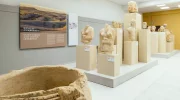
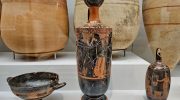
Limestone sculptures from the Cypro Classical period, a theatre mask from Kition, and a terracotta figure of the Tanagra type rank among notable exhibits. The room houses ceramics from the Hellenistic period including lagynoi and kantharos, plus Roman period vases and terracotta figurines. The collection of coins provides glimpses into economic history, with a silver coin from Kition dating to 449 to 425 BC during the reign of king Azbaal displayed prominently. Coins from the Larnaca Hoard supplement the numismatic collection.
Sargon’s Stele Marks Assyrian Conquest
A replica of the stele of king Sargon II stands in the entrance hall, commemorating one of the most dramatic events in Kition’s history. In 707 BC, Assyrian king Sargon II conquered Cyprus and imposed tribute on the island’s kingdoms including Kition. The original stele recorded this conquest and listed the vassal kings who submitted to Assyrian authority. The monument demonstrates how Cyprus became entangled in Near Eastern imperial politics during the Iron Age.
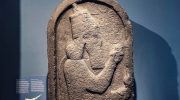
Assyrian domination brought Cyprus into contact with Mesopotamian culture and administrative systems. The stele represents physical evidence of how external powers controlled the island at various points, foreshadowing later domination by Persians, Ptolemies, Romans, and subsequent empires. The prominence given to this replica in the museum entrance emphasizes how conquest and submission shaped Cypriot history as much as trade and prosperity.
Recent Renovation Creates Modern Displays
The 2022 renovation transformed the museum into a modern facility with clear logic in presentation and educational explanations. The refurbishment took several years but resulted in brilliant displays of archaeological sites and finds. Artifacts are very nicely presented with unusually clear logic that helps visitors understand chronological development and cultural connections. Fine and very educational explanations accompany exhibits, with English translations throughout.
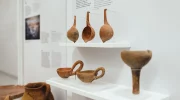
The displays organize material both chronologically and thematically, allowing visitors to trace development over time while also exploring specific topics like trade, religion, or burial practices. Modern climate control systems protect delicate artifacts from deterioration. Proper lighting enhances visibility of fine details on pottery and sculptures. The renovation demonstrates commitment to presenting Larnaca’s heritage in ways that meet international museum standards while remaining accessible to general audiences.
A Free Museum Next to Active Excavations
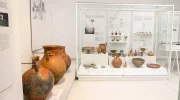
The museum offers free admission, unusual for a facility of this quality and size. Most visitors spend 40 minutes to one hour exploring the two wings, though those with deeper interest in archaeology can extend visits to 90 minutes. The museum operates Tuesday through Sunday from 9:00 to 16:30, closing Mondays. The Kition Bamboula archaeological site sits approximately 100 meters north with information posted on museum grounds. There is no separate charge for viewing Bamboula.
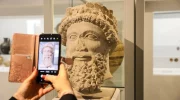
The Kition Kathari site is located roughly 500 meters further north. Visitors often combine museum and archaeological sites into a single outing. The museum is located in central Larnaca within easy walking distance of the seafront promenade, medieval castle, and Church of Saint Lazarus. The staff receives consistent praise for friendliness and helpfulness. The museum provides excellent value for understanding Larnaca’s role in ancient Mediterranean trade and serves as essential preparation for visiting nearby archaeological sites.
Why This Collection Matters to Understanding Cyprus
The Larnaca Museum demonstrates that Cyprus was never isolated but rather served as a crucial node in ancient trade networks. The imported Egyptian, Mycenaean, Phoenician, Assyrian and Persian objects prove that Kition maintained commercial relationships across the eastern Mediterranean. The progression from Neolithic settlements through Bronze Age kingdoms to Iron Age city states shows continuous habitation and cultural development spanning 11,000 years.
The museum’s focus on trade and international connections distinguishes it from other archaeological museums that emphasize local development. For understanding how small island societies participated in and benefited from larger economic systems, Larnaca provides essential evidence. The collection shows that prosperity came from Cyprus’s strategic location between three continents and its valuable copper resources. The museum anchors modern Larnaca’s identity as a cosmopolitan port with ancient roots in Mediterranean commerce.